
Venturing to the Golden State, whether for its sun-kissed beaches, vibrant cities, or majestic national parks, often brings a fundamental question to mind for travelers from around the globe: “What time is it in California?” Beyond a simple numerical answer, understanding California’s time zone is paramount for seamless travel planning, effective communication, and fully immersing oneself in the unique rhythm of this iconic USA destination. This comprehensive guide will not only clarify the current time in California but also delve into why this knowledge is crucial for anyone exploring its diverse landscapes and bustling urban centers.
At its core, California observes a single time zone across its entire expanse, a convenience for both residents and visitors alike. This consistency simplifies logistics, from scheduling business meetings in Silicon Valley to planning an unforgettable day at Disneyland Resort in Anaheim or a wine-tasting tour in Napa Valley. However, like many regions, California adjusts its clocks twice a year to account for Daylight Saving Time, a detail that savvy travelers must keep in mind.
Understanding California’s Time Zone: PST and PDT
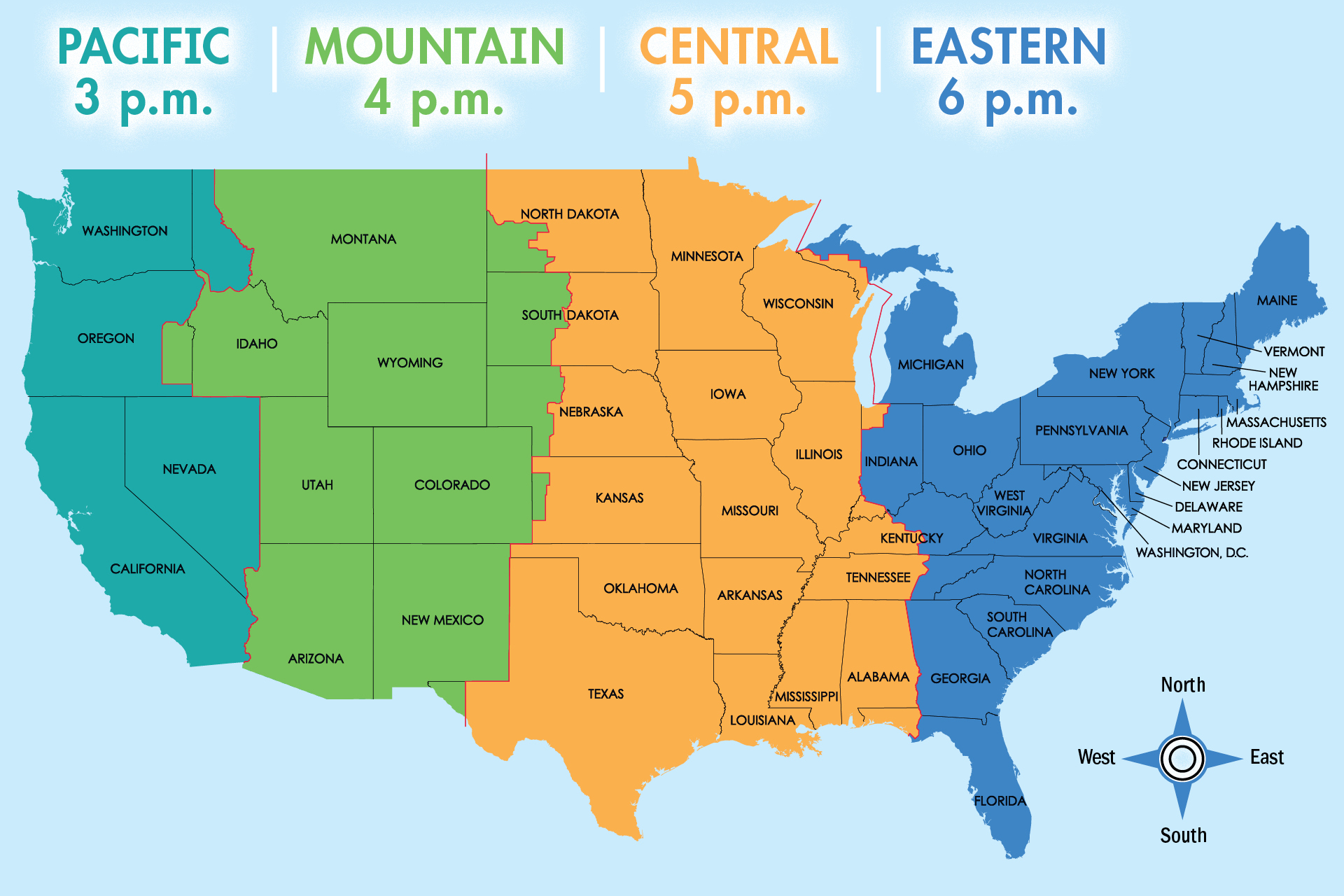
California operates under the Pacific Time Zone. This means that for roughly half the year, from early November to mid-March, the state observes Pacific Standard Time (PST), which is 8 hours behind Coordinated Universal Time (UTC-8). During the remaining months, from mid-March to early November, California switches to Pacific Daylight Time (PDT), which is 7 hours behind Coordinated Universal Time (UTC-7). This shift, where clocks “spring forward” one hour in the spring and “fall back” one hour in the autumn, is a critical element to remember when making travel plans or coordinating with individuals in other regions.
The consistency of a single time zone across a state as geographically diverse as California is a considerable advantage. Whether you’re planning to catch the sunrise over Death Valley National Park, hit the slopes near Lake Tahoe, or enjoy a late-night show in Los Angeles, your clock will remain consistent. This simplifies everything from booking hotel stays and flight connections to organizing tour schedules and dining reservations.
The Cycle of Daylight Saving Time
Daylight Saving Time can often be a point of confusion for international travelers or those unfamiliar with the practice. In California, as in most parts of the USA, Daylight Saving Time begins on the second Sunday in March when clocks move forward by one hour. It ends on the first Sunday in November when clocks move back by one hour. This adjustment means that during PDT, there is an extra hour of daylight in the evenings, which is fantastic for sightseeing, outdoor activities, and enjoying California’s vibrant nightlife and culinary scene.
For example, if you’re planning an evening stroll along Santa Monica Pier or a sunset cruise under the Golden Gate Bridge, visiting during PDT means you’ll have more natural light to enjoy these experiences. Conversely, if your visit falls during PST, expect earlier sunsets, which might influence the timing of your outdoor adventures or evening plans. Always double-check the specific dates for Daylight Saving Time in any given year, especially if your travel dates are close to the transition periods. Modern smartphones and computers automatically adjust, but it’s always wise to verify, especially for important appointments.
Why Time Zones are Crucial for Travel and Logistics
Understanding California’s time zone extends far beyond knowing the current hour. It is a foundational element for any successful trip, influencing everything from flight schedules and accommodation bookings to communication with loved ones and the overall enjoyment of your travel experience. For a website focused on travel, hotels, tourism, and lifestyle, the practical implications of time zones cannot be overstated.
Imagine arriving at Los Angeles International Airport after a long international flight. Knowing the time difference will help you manage jet lag, ensure your pre-booked shuttle or rental car is ready, and that your hotel check-in aligns with your arrival. Similarly, for business travelers, being aware of the time difference is vital for scheduling remote meetings with colleagues in New York City or abroad, avoiding awkward early morning or late-night calls.
Planning Your California Itinerary and Activities
When crafting your California itinerary, time zone awareness helps you maximize every moment. Attractions like Universal Studios Hollywood, Disneyland Resort, or the museums in San Francisco often have opening and closing times that require careful planning, especially during peak season. If you’re staying in a resort with specific dining hours or spa appointments, knowing the local time ensures you don’t miss out.
For outdoor enthusiasts heading to Yosemite National Park or exploring the coastal beauty of Big Sur, sunrise and sunset times, dictated by the time zone, are critical for planning hikes, photography, or simply enjoying the scenic vistas. Even seemingly small details, such as when restaurants open for breakfast or when popular tourist spots become less crowded, are all governed by the local clock. Overlooking these details can lead to missed opportunities or unnecessary stress during your trip.
Bridging the Distance: Communicating Across USA Time Zones
The United States is a vast country spanning multiple time zones. Understanding how California’s time relates to other parts of the USA is crucial for domestic travel and communication. For instance, when it’s 10:00 AM in Los Angeles (PST), it’s 1:00 PM in New York City (EST) and 12:00 PM in Chicago (CST). This three-hour difference between the Pacific and Eastern time zones means that phone calls, virtual meetings, or simply checking in with family members require careful scheduling to avoid inconvenient timings.
Travelers arriving from the East Coast of the USA will experience a significant time shift, similar to an international journey, impacting their body clock and initial days in California. This knowledge is also essential for coordinating multi-leg trips across the country, ensuring smooth transitions between flights and connections in different time zones.
Adapting to California Time: Tips for a Seamless Experience
Successfully adapting to California’s time zone is a key aspect of enjoying your visit, minimizing the impact of jet lag, and making the most of every experience the state has to offer. Whether you’re visiting for a quick weekend getaway or an extended stay, conscious effort towards synchronization with local time will pay dividends.
Before your trip, begin gradually shifting your sleep schedule towards California time, if possible. Once you arrive, embrace the local rhythm immediately. Expose yourself to natural light during the day, especially in the mornings, and try to stick to local meal times. Hydration is also incredibly important for combating the effects of jet lag and ensuring you feel refreshed enough to explore. Many hotels in California, from luxury suites in Beverly Hills to boutique apartments in San Diego, understand the needs of travelers adjusting to time differences and often provide amenities or tips to assist with this transition.
Battling Jet Lag and Maximizing Your Visit
Jet lag can significantly impact your energy levels and mood, making it harder to appreciate California’s attractions. To counteract this:
- Adjust before you go: If traveling westward, try to stay up later for a few nights before your departure.
- Hydrate: Drink plenty of water throughout your flight and upon arrival.
- Seek sunlight: Exposure to natural light helps reset your internal clock. Spend time outdoors during daylight hours.
- Limit caffeine and alcohol: While tempting, these can disrupt sleep patterns further.
- Prioritize sleep: Try to get a full night’s sleep on your first night in California, even if it means going to bed earlier than usual.
- Stay active: Gentle exercise can help alleviate symptoms and promote better sleep.
By proactively managing jet lag, you can fully engage with California’s local culture, enjoy its culinary delights, participate in exciting activities, and make the most of your carefully planned itinerary.
Major California Cities and Their Clock
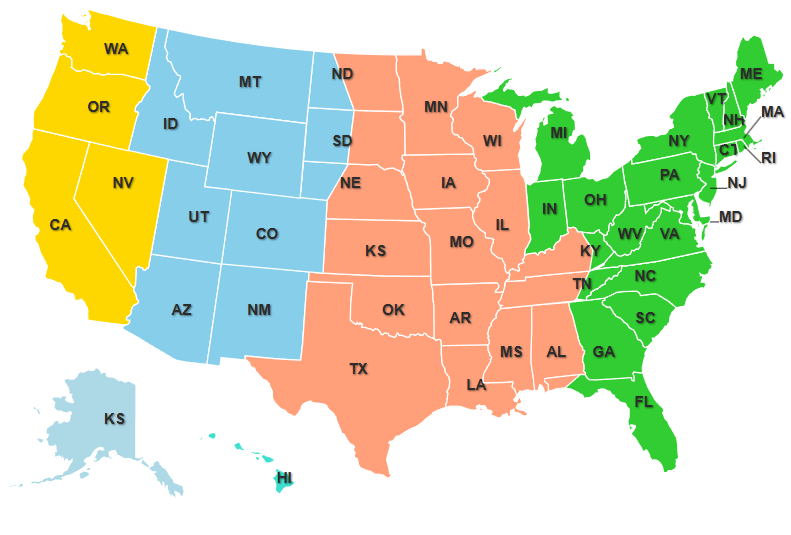
All major cities across California adhere to the Pacific Time Zone, simplifying timing for visitors. Whether you’re in the bustling metropolis of Los Angeles, the innovative hub of San Francisco, the sunny beaches of San Diego, or the state capital of Sacramento, the time will be the same. This means:
- If your flight lands in San Francisco at 3:00 PM, you can expect the same time when you arrive at your hotel in downtown San Francisco.
- Planning a drive down the coast from Los Angeles to San Diego means you won’t need to adjust your watch upon arrival.
- Business travelers moving between tech companies in Silicon Valley and film studios in Hollywood operate on the same clock, streamlining their schedules.
This uniform time zone is a significant convenience that streamlines multi-city tours and intra-state business trips, contributing to a smoother and more enjoyable California experience.
Beyond California: USA Time Zones at a Glance
While California maintains a single time zone, the broader USA is divided into several primary time zones. Understanding these differences is crucial not only for cross-country travel but also for anyone communicating with friends, family, or business associates located elsewhere in the United States.
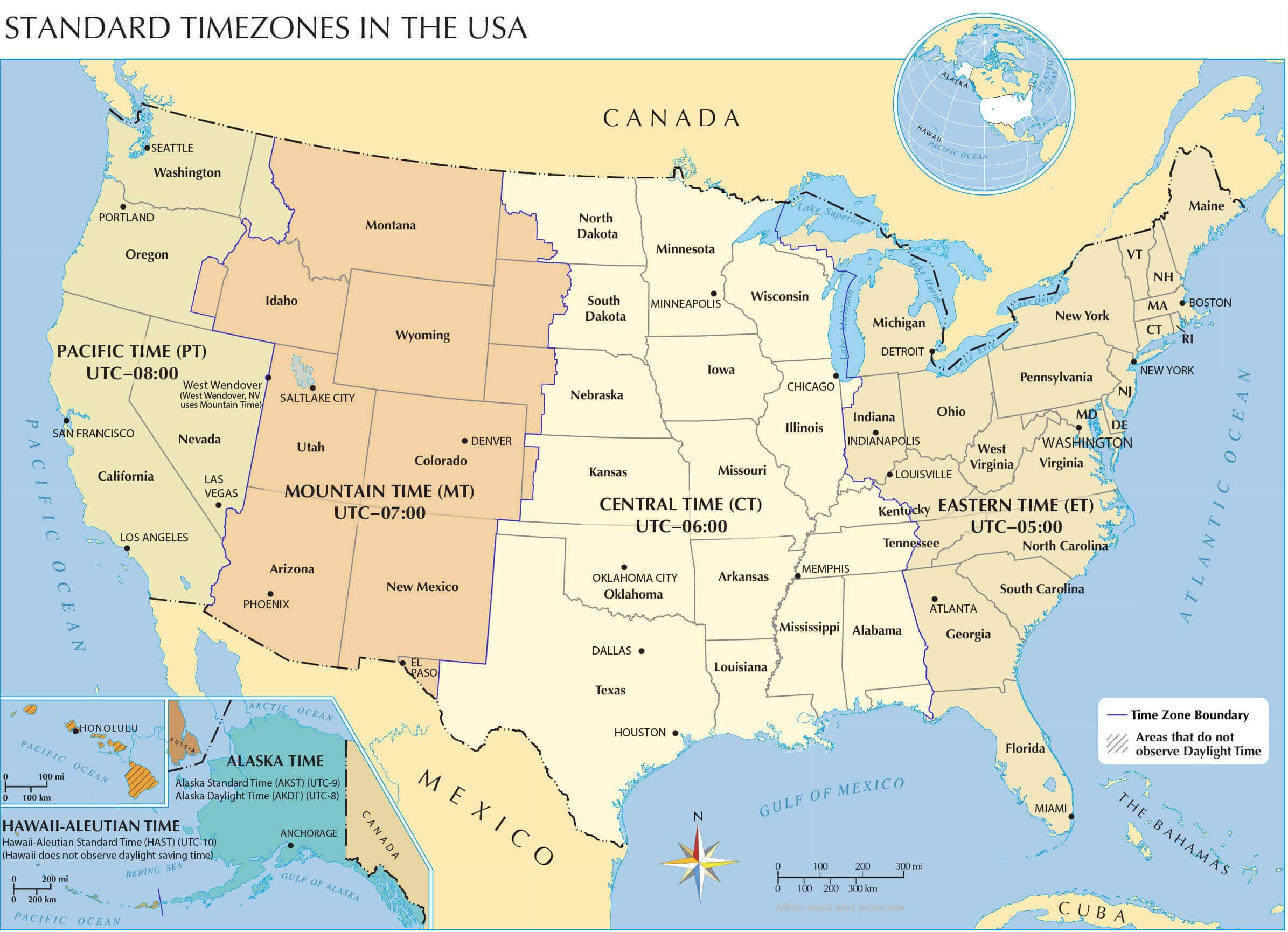
The continental USA is primarily covered by four standard time zones:
- Eastern Standard Time (EST) / Eastern Daylight Time (EDT): This covers the East Coast from Maine down to Florida, including major cities like New York City, Washington D.C., and Miami. It is UTC-5 in winter and UTC-4 in summer.
- Central Standard Time (CST) / Central Daylight Time (CDT): Covering the central part of the USA, including cities like Chicago, Dallas, and New Orleans. It is UTC-6 in winter and UTC-5 in summer.
- Mountain Standard Time (MST) / Mountain Daylight Time (MDT): This zone includes states like Colorado, Arizona (which largely doesn’t observe Daylight Saving Time), and parts of Montana. Denver falls into this zone. It is UTC-7 in winter and UTC-6 in summer.
- Pacific Standard Time (PST) / Pacific Daylight Time (PDT): As discussed, this covers California, Washington, Oregon, and Nevada. It is UTC-8 in winter and UTC-7 in summer.
Beyond the contiguous states, Alaska observes Alaska Standard Time (AKST) (UTC-9/UTC-8 with Daylight Saving Time), and Hawaii uses Hawaii Standard Time (HST) (UTC-10) year-round, without Daylight Saving Time. These additional zones add layers of complexity when coordinating across the full breadth of the USA.
Comparing California with Other USA Regions
To put California time into perspective, let’s consider typical time differences with other major USA regions during Standard Time (when California is on PST):
- California (PST) vs. Eastern Standard Time (EST): 3 hours difference. If it’s 9 AM in Los Angeles, it’s 12 PM in New York City.
- California (PST) vs. Central Standard Time (CST): 2 hours difference. If it’s 9 AM in Los Angeles, it’s 11 AM in Chicago.
- California (PST) vs. Mountain Standard Time (MST): 1 hour difference. If it’s 9 AM in Los Angeles, it’s 10 AM in Denver.
- California (PST) vs. Hawaii Standard Time (HST): 2 hours difference. If it’s 9 AM in Los Angeles, it’s 7 AM in Honolulu.
During Daylight Saving Time, these differences remain consistent, as most of these other regions also observe Daylight Saving Time (with exceptions like Arizona and Hawaii). This knowledge is indispensable for travel planning, booking accommodation (especially if connecting flights traverse multiple time zones), and maintaining seamless communication across the vast and varied landscape of the United States. From coordinating a call with family on the East Coast to scheduling an important business conference with partners in Chicago, a clear understanding of these time differences ensures efficiency and avoids misunderstandings.
In conclusion, knowing “What time is in California USA?” is far more than a simple query; it’s a fundamental piece of information that underpins effective travel, communication, and immersion into the local lifestyle. By understanding California’s consistent Pacific Time Zone, accounting for Daylight Saving Time, and recognizing its relationship to other USA time zones, visitors and residents alike can ensure their experiences in the Golden State are as smooth and enjoyable as possible. So, set your watch, embrace the Pacific rhythm, and get ready to experience all that California has to offer.
LifeOutOfTheBox is a participant in the Amazon Services LLC Associates Program, an affiliate advertising program designed to provide a means for sites to earn advertising fees by advertising and linking to Amazon.com. Amazon, the Amazon logo, AmazonSupply, and the AmazonSupply logo are trademarks of Amazon.com, Inc. or its affiliates. As an Amazon Associate we earn affiliate commissions from qualifying purchases.