
Nevada, a state renowned for its glittering lights, desert landscapes, and unique legal framework, often sparks curiosity regarding certain aspects of its lifestyle and tourism. Beyond the bustling casinos of Las Vegas and the serene beauty of Lake Tahoe, Nevada holds a distinctive position as the only U.S. state where prostitution is legal, albeit under very specific regulations. This singular aspect of Nevada law has long been a subject of fascination, discussion, and sometimes, misunderstanding. For travelers venturing to the Silver State, understanding where and how this legality applies is key to appreciating the full spectrum of experiences Nevada offers, from its vibrant urban centers to its remote, historic towns. This exploration delves into the legal intricacies, geographical locations, and the broader context of visiting these unique establishments, providing a comprehensive guide for those curious about this particular facet of Nevada’s diverse appeal.
The Unique Legal Landscape of Prostitution in Nevada
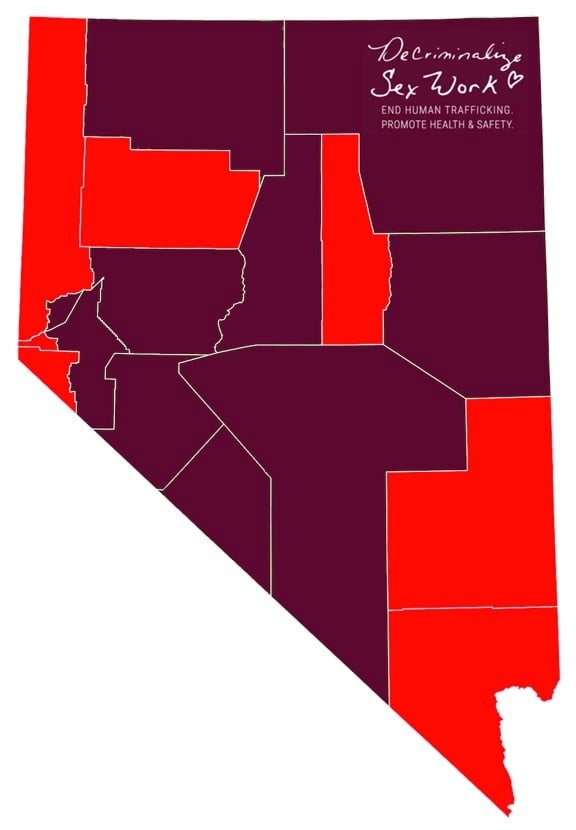
Nevada’s approach to prostitution stands in stark contrast to the rest of the United States. Here, prostitution is not universally legal across the state but is instead permitted within licensed brothels in specific counties. This distinction is crucial for visitors and residents alike. The legal framework is a product of Nevada’s frontier history and its long-standing tradition of local control over certain social issues. The law stipulates that prostitution is illegal in any county with a population of 700,000 or more. This critical population threshold effectively outlaws brothels in the state’s two most populous counties: Clark County, home to Las Vegas and Henderson, and Washoe County, which encompasses Reno and Sparks. Consequently, the myth that prostitution is legal everywhere in Nevada is quickly dispelled upon closer examination of the state’s statutes.
The legality is confined to smaller, often rural, counties that choose to permit and regulate brothels through local ordinances. These establishments operate under strict state and local government oversight, covering everything from health regulations and licensing to safety and operational guidelines. This heavily regulated environment is a cornerstone of Nevada’s unique system, aiming to control and monitor an activity that would otherwise exist in an unregulated, underground economy. The historical context for this legislation dates back to the early 20th century, where efforts to manage and tax vice activities became a local option in many parts of the state. Over time, while most states moved towards outright prohibition, Nevada codified a system of regulated legality, reflecting a pragmatic approach to a societal reality.

Understanding this legal framework is paramount for any traveler, particularly those interested in exploring the lesser-known aspects of Nevada. It means that while you might hear about legal prostitution in Nevada, it is not an open-air activity found on every street corner, nor is it permitted in the state’s major tourist hubs. Instead, it is a discreet, licensed business operating under a specific set of rules in designated areas. This legal structure ensures that the industry, where it exists, is subject to a degree of scrutiny and control that is unique within the United States, distinguishing it from illicit activities elsewhere.
Counties Where Prostitution Is Permitted
To satisfy the explicit curiosity about “where” prostitution is legal, it is necessary to pinpoint the specific counties that have opted to allow licensed brothels. As of recent counts, a handful of Nevada’s 17 counties permit the operation of these establishments. These are typically less populated, rural areas, far from the urban sprawl of Las Vegas and Reno.
One of the most well-known counties is Lyon County, located east of Carson City. It is home to several prominent brothels, including the Mound House area, which hosts famous names like the Moonlite BunnyRanch. This brothel gained significant media attention over the years, contributing to its fame and drawing visitors curious about the unique establishment. Nye County, a vast and sparsely populated county in central Nevada, also allows brothels. Communities within Nye County, such as Amargosa Valley and Pahrump, host several licensed establishments. For instance, the Chicken Ranch near Pahrump is another establishment that frequently appears in discussions about Nevada’s legal brothel industry.
Other counties where brothels can be found include Lander County, Mineral County, and Elko County. These counties, like Eureka County, have generally smaller populations and embrace the local option model for regulating these businesses. For example, Elko, a city in Elko County, serves as a hub for miners and ranchers, and features establishments like the Mardi Gras Ranch and the Sue’s Fantasy Club, catering to a specific clientele. The presence of these establishments often reflects a historical acceptance within these communities, which have long been shaped by transient populations of miners, cowboys, and travelers.

It is vital to reiterate that even within these permissive counties, brothels are typically located in designated, often secluded, areas to maintain a level of discretion and separation from general public spaces, especially family-oriented attractions. Visitors should always confirm the current legal status and operational details of any specific brothel they intend to visit, as local regulations and establishment statuses can change. This geographical specificity underscores the localized nature of this legal industry in Nevada, making it a far cry from a statewide free-for-all.
The Strict Regulation and Operation of Brothels
The licensed brothels in Nevada operate under an intricate web of state and local regulations designed to ensure safety, health, and a degree of control over the industry. This regulatory framework is a key aspect differentiating Nevada’s approach from unregulated prostitution found elsewhere. From the perspective of tourism and travel, understanding these regulations helps demystify the establishments and sheds light on the responsible operation of these unique businesses.
First and foremost, all employees, including the sex workers (often referred to as ‘working girls’ or ‘ladies’), are required to undergo regular health checks, particularly for sexually transmitted infections (STIs). Weekly testing for certain diseases, like HIV and syphilis, is mandatory, and clients are informed that safe sex practices (condoms) are strictly enforced for all services involving sexual contact. This emphasis on public health is a foundational pillar of the Nevada system, aiming to mitigate health risks associated with sex work.
Beyond health, operational regulations cover various aspects of the brothels themselves. These establishments are often substantial complexes, featuring private rooms, common areas, and sometimes even restaurants or bars, though alcohol sales are often restricted or prohibited on the premises where sexual services are provided. Security is also a major concern, with many brothels employing staff to ensure the safety of both the workers and the clients. Minors are strictly prohibited from entering, and ID verification is standard practice. Marketing and advertising for brothels are also heavily regulated. While they can advertise locally and on specific platforms, there are limitations on how and where they can promote their services, particularly to avoid public displays that might be considered offensive or overly explicit.
The workers themselves are independent contractors, and they often reside at the brothel for periods of time, typically several weeks, before taking breaks. They negotiate services and prices directly with clients, with a portion of their earnings going to the brothel owner for room and board, marketing, and the regulatory overhead. This business model, while controversial to some, is presented by proponents as a safer and more controlled environment for sex workers compared to illegal street prostitution, offering them a level of protection and access to healthcare they might not otherwise have. For a traveler, encountering a licensed brothel means entering a professional, albeit unique, business environment that is governed by specific rules and expectations, distinct from any illegal operations.
Integrating Brothel Tourism into a Nevada Travel Itinerary
For some travelers, particularly those interested in the unique cultural and legal aspects of a destination, visiting a legal brothel in Nevada might be an item of curiosity on their itinerary. It’s important to approach this with an understanding of context and local customs. While not a mainstream tourist attraction like the Bellagio Fountains or a Grand Canyon tour, these establishments offer a glimpse into a distinct facet of Nevada’s liberal lifestyle and regulatory philosophy. Integrating such a visit requires careful planning and an awareness of the geographical separation from major urban centers.
Brothels are typically located in rural settings, meaning a visit would likely involve a drive through Nevada’s scenic but often desolate landscapes. This can be an experience in itself, allowing travelers to witness the vastness of the Great Basin Desert and the unique character of small Nevada towns. For instance, a trip to the Moonlite BunnyRanch in Mound House (Lyon County) could be combined with a visit to Carson City, the state capital, or the historic mining town of Virginia City, known for its Old West charm and ghost stories. Similarly, those visiting brothels in Nye County could explore the Death Valley National Park or the infamous Area 51, turning the journey into a broader exploration of Nevada’s diverse attractions.
Beyond the Brothels: Experiencing Rural Nevada
A journey to these brothel-hosting counties often leads visitors through some of Nevada’s most authentic and untouched landscapes, offering a stark contrast to the neon glow of Las Vegas. Rural Nevada is a treasure trove of history, natural beauty, and quirky attractions that often go overlooked by those who stick solely to the Strip. For the lifestyle traveler seeking unique experiences, combining a visit to a brothel with other local sights can create a memorable and multifaceted trip.
Take Virginia City, for example. Just a short drive from Mound House, this historic town was once a booming silver mining hub and is now a living museum of the Old West. Visitors can explore historic saloons, ride a steam train, visit various museums, and even go on ghost tours. The town’s rich history and architectural preservation offer a fascinating dive into Nevada’s past, providing a stark cultural counterpoint to the contemporary and often controversial brothel industry nearby.
Further afield, in counties like Nye and Lincoln, the landscape transforms into vast open spaces, perfect for stargazing, off-roading, and exploring ghost towns like Rhyolite. Death Valley National Park, while primarily in California, is easily accessible from parts of Nye County and offers breathtaking geological formations, extreme temperatures, and unique desert flora and fauna. These areas also host various festivals and local events throughout the year, celebrating everything from local agriculture to cowboy traditions, offering visitors a deeper immersion into authentic Nevada life.
Accommodation options in these rural areas range from quaint bed and breakfasts in historic towns to budget-friendly motels along the highway. While not offering the opulent resorts of Las Vegas, these accommodations provide a comfortable base for exploring the surrounding natural beauty and unique local attractions. Dining experiences often feature classic American diner fare, hearty steakhouses, and local specialties, reflecting the frontier spirit of the region. Engaging with the locals in these smaller communities can also provide invaluable insights into the history, culture, and day-to-day life that shape these distinct parts of Nevada, far removed from the glitz and glamor of its urban centers. Thus, a trip with the specific aim of understanding Nevada’s legal brothels can unexpectedly lead to a broader and richer travel experience, revealing the depth and diversity of the Silver State’s offerings.
Ethical Considerations and Responsible Tourism
When discussing or planning a visit related to Nevada’s legal brothel industry, it is imperative to do so with an awareness of ethical considerations and responsible tourism practices. The topic of prostitution, even when legal and regulated, remains sensitive and controversial, sparking debates about human rights, exploitation, and societal norms. As a traveler, approaching this aspect of Nevada’s culture with respect, discretion, and an informed perspective is essential.
Responsible tourism in this context means understanding that these establishments are workplaces for individuals. Visitors should treat staff and workers with respect, adhere to all house rules, and avoid any behavior that could be considered exploitative or disrespectful. It’s crucial to remember that legal status does not negate the complex human elements involved. The intent of the visit, whether out of genuine curiosity, historical interest, or for personal services, should always be tempered with empathy and a commitment to not perpetuate harm.
Furthermore, engaging in any illegal activities associated with prostitution, such as seeking services outside of licensed brothels in prohibited counties like Clark County or Washoe County, carries severe legal consequences. Visitors must educate themselves on local laws to avoid inadvertently breaking them. The strict regulations in Nevada are designed to provide a framework for a controversial industry, and respecting these boundaries is a fundamental aspect of responsible travel within the state.
Beyond the direct interaction with brothels, responsible tourism also extends to how one engages with the broader communities in these rural areas. Many of these towns rely on diverse economic activities, and visitors should support local businesses, respect natural environments, and contribute positively to the local economy in ways that go beyond a single specific interest. Nevada offers a wealth of experiences, from its stunning natural parks to its vibrant cities and historical sites. Approaching the state with an open mind, a sense of curiosity, and a commitment to ethical engagement ensures a fulfilling and respectful travel experience for all. This mindful approach allows travelers to explore the unique legal landscape of Nevada without compromising their integrity or the well-being of the communities they visit.
In conclusion, the question “Where in Nevada is prostitution legal?” leads to a nuanced answer, highlighting the state’s unique legislative history and its commitment to local control. It is a legality confined to specific rural counties, operating under stringent regulations, far removed from the major metropolitan areas. For the informed traveler, exploring this facet of Nevada can be part of a broader journey to understand the state’s diverse culture, history, and unique blend of frontier spirit and modern pragmatism, always within a framework of respect and responsible engagement.
LifeOutOfTheBox is a participant in the Amazon Services LLC Associates Program, an affiliate advertising program designed to provide a means for sites to earn advertising fees by advertising and linking to Amazon.com. Amazon, the Amazon logo, AmazonSupply, and the AmazonSupply logo are trademarks of Amazon.com, Inc. or its affiliates. As an Amazon Associate we earn affiliate commissions from qualifying purchases.