
Understanding the precise time in California is more than a mere curiosity for travelers; it’s a foundational element for seamless planning, effortless transitions, and maximizing every moment of a visit to the Golden State. Officially observing the Pacific Time Zone, California adheres to a standard that significantly impacts everything from flight schedules and hotel check-ins to tour bookings and personal well-being. This sprawling, diverse state, famous for its breathtaking coastlines, majestic national parks, bustling cities, and innovative spirit, demands a certain level of time-awareness from its visitors, whether they are crossing continents or simply a few time zones away.
For those embarking on a journey to California, knowing the local time empowers them to coordinate essential travel logistics, manage potential jet lag, and immerse themselves fully in the vibrant local culture without missing a beat. From the sun-drenched beaches of San Diego to the tech hubs of Silicon Valley, and from the vineyards of Napa Valley to the entertainment capital of Hollywood, every experience is framed by the clock. This guide delves into the nuances of California’s time, its seasonal adjustments, and critical considerations for travelers to ensure a truly unforgettable journey.
Understanding California’s Time Zone: PST vs. PDT
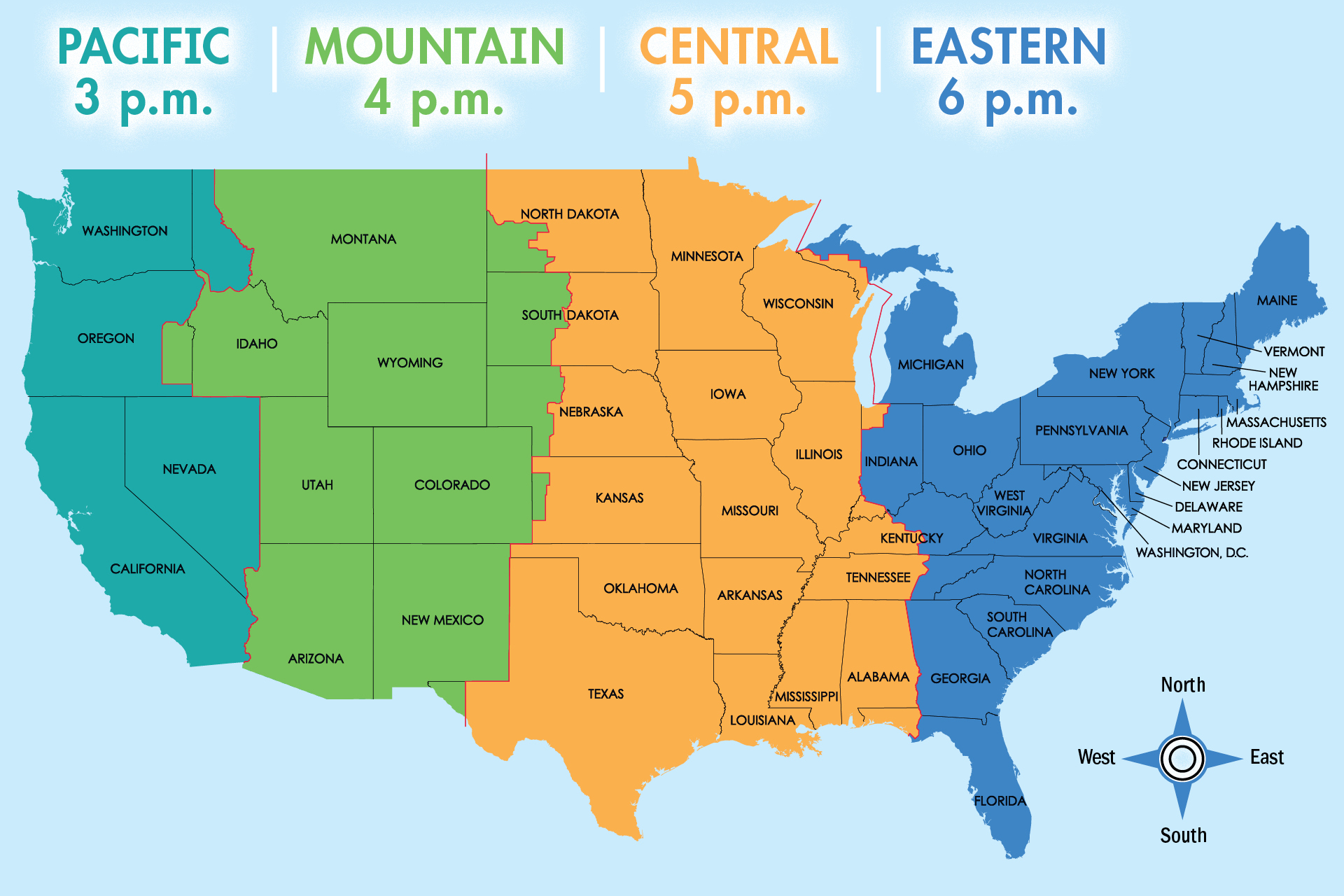
California consistently operates within a single time zone, simplifying planning for intra-state travel. However, like many regions across the globe, it observes Daylight Saving Time, leading to a shift between Pacific Standard Time and Pacific Daylight Time throughout the year.
Pacific Standard Time (PST)
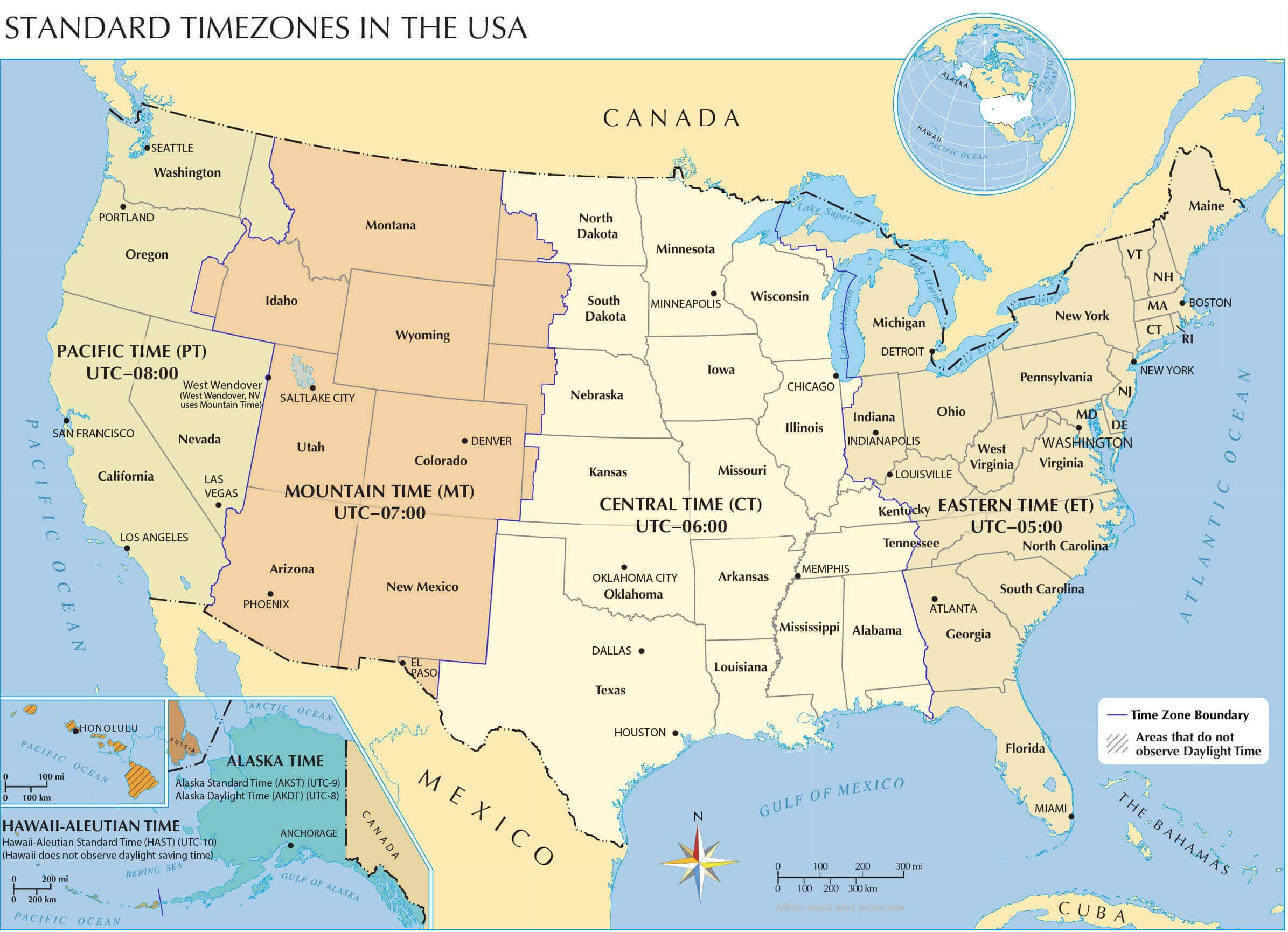
PST is the baseline time observation for California during the fall and winter months. It is defined as UTC-8, meaning it is eight hours behind Coordinated Universal Time. This period typically begins on the first Sunday of November, when clocks “fall back” by one hour, and lasts until the second Sunday of March. During PST, travelers arriving from destinations like New York on the Eastern Time Zone will notice a three-hour difference, with California being three hours behind. This is a crucial detail for business travelers making conference calls or families coordinating evening chats with relatives back home. For those flying into international gateways like Los Angeles International Airport (LAX) or San Francisco International Airport (SFO), understanding PST ensures accurate arrival times and prompt transfers to pre-booked accommodations such as the Waldorf Astoria Beverly Hills or the Grand Hyatt Hotel.
Pacific Daylight Time (PDT)
PDT is observed during the spring and summer, beginning on the second Sunday of March when clocks “spring forward” by one hour. This shifts California’s time to UTC-7, making it seven hours behind Coordinated Universal Time. This period extends until the first Sunday of November. The transition to PDT means longer daylight hours, which is particularly appealing for visitors keen on outdoor activities and exploring California’s natural landmarks and attractions. For instance, an evening stroll along the Santa Monica Pier, a sunset view from the Golden Gate Bridge, or a late afternoon hike in Yosemite National Park become more feasible and enjoyable with the extended daylight. Tourists planning wine tours in Sonoma Valley or visits to theme parks like Disneyland Park will benefit from the extended operational hours that often accompany the longer days of PDT. Being aware of the switch between PST and PDT is essential for confirming opening and closing times for various venues and ensuring all reservations align with the current local time.
Time Zone Differences and Travel Planning
Navigating time zone differences is paramount for a smooth and enjoyable travel experience in California, impacting everything from your flight schedule to your daily itinerary and even your personal well-being.
East Coast vs. West Coast Adjustments
For travelers originating from the East Coast of the United States or other parts of the Eastern Time Zone (such as Florida), the three-hour time difference to California can present a notable challenge. When it’s 9 AM in Miami, it’s only 6 AM in Los Angeles. This gap requires careful consideration for business travelers needing to connect with colleagues or for families making calls back home. Flights from the East Coast often arrive in California in the late afternoon or evening by local time, which might feel like midnight to an unadjusted body.
To mitigate jet lag, it’s advisable to adjust your sleep schedule gradually in the days leading up to your departure. On arrival, embrace the California local time immediately: expose yourself to natural light in the morning, stay hydrated, and try to avoid heavy meals right before bedtime. Many resorts and high-end hotels, such as the Four Seasons Resort Santa Barbara, offer amenities like blackout curtains and comfortable bedding designed to help guests recover quickly. Planning lighter activities for your first day, such as a relaxing walk along the Pacific Ocean or a casual meal, can also aid in acclimatization before diving into a packed itinerary of tourism.
International Travel Considerations
When traveling to California from distant international locations like Europe, Asia, or Australia, the time difference can be significantly larger, intensifying the effects of jet lag. A 9-hour difference from London or a 16-hour difference from Sydney demands a more strategic approach to time management.
For these longer journeys, proactive steps are crucial. Adjusting your watch to California time as soon as you board your flight can help mentally prepare you. Prioritizing sleep on the plane, even if it feels unnatural, is beneficial. Upon arrival, resist the urge to nap for extended periods, even if you feel exhausted. Instead, try to stay awake until the local evening and go to bed at a reasonable hour. Sunlight exposure, particularly in the morning, is a powerful tool to reset your circadian rhythm. Many of California’s coastal cities offer abundant sunshine, making this easier. Booking accommodations that offer early check-in options or express services can be a lifesaver, allowing you to settle in and refresh immediately after a long flight. Some boutique hotels and suites pride themselves on personalized service that can cater to weary international travelers.
Optimizing Your California Itinerary
Knowing the local time is absolutely fundamental for optimizing your California itinerary, impacting every scheduled activity and reservation. From catching the perfect wave to experiencing world-class dining, timing is everything.
- Attraction Timings: California’s attractions operate on precise schedules. Whether you’re planning a day at Universal Studios Hollywood, exploring the Getty Center museums, or embarking on a whale-watching tour from Dana Point, confirming opening and closing times is essential. Public transportation, such as BART in San Francisco or the Metro in Los Angeles, also operates on strict timetables that need to be factored into your day.
- Accommodation Check-ins/Check-outs: Hotel check-in times are typically in the afternoon (e.g., 3 PM or 4 PM), while check-out is usually around 11 AM or 12 PM. Being aware of these times, especially after a long flight, helps avoid unnecessary waiting or extra charges. Many hotels offer luggage storage for early arrivals or late departures, allowing you to explore before your room is ready or after you’ve checked out. The Ritz-Carlton, Laguna Niguel, for example, is known for its flexible guest services.
- Dining Reservations: California is a culinary hotspot, and popular restaurants in cities like San Francisco, Beverly Hills, or Napa Valley often require reservations made weeks or even months in advance. Ensuring your booking aligns with the local time and your adjusted body clock prevents missed opportunities for exceptional dining experiences.
- Activities and Experiences: From surfing lessons in Malibu to hiking in Death Valley National Park or exploring the giant sequoias in Sequoia National Park, many activities are time-sensitive. Guided tours, in particular, will depart promptly at their scheduled time. Missing these due to a miscalculation of the local time can be frustrating and costly. Always double-check confirmation emails and local time announcements.
Experiencing California: Time and Lifestyle
Beyond the practicalities of travel, understanding California’s time influences how you experience the state’s unique lifestyle and diverse offerings from dawn till dusk.
Dawn to Dusk in California
California’s vastness means that while the clock reads the same across the state, the experience of “time” can feel different depending on your location. Early mornings often witness the Pacific Ocean come alive with surfers chasing waves, fitness enthusiasts jogging along boardwalks, and cafes in San Diego or San Francisco bustling with locals enjoying their first coffee. For the early riser, catching a sunrise over the desert landscapes near Palm Springs or over the tranquil waters of Lake Tahoe offers a profound sense of peace and beauty.
As the day progresses into the afternoon, cities like Los Angeles and San Francisco become vibrant hubs of activity. Shopping along Rodeo Drive, exploring world-class museums, or enjoying a leisurely lunch in a vineyard in Napa Valley are popular midday pursuits. The relaxed pace associated with the “California dream” often masks the underlying energy that drives its innovation and cultural richness.
Evenings in California are diverse and exciting. Sunsets over the Pacific Coast Highway are legendary, drawing crowds to scenic viewpoints. As night falls, the state transforms. Hollywood lights up with premieres and live performances, while San Francisco’s vibrant nightlife beckons. Dining experiences range from casual beachside eateries to Michelin-starred restaurants. Being aware of the local time helps you synchronize with this rhythm, whether you’re seeking lively entertainment or a quiet evening under the stars.
Seasons and Daylight Hours
While California remains within the Pacific Time Zone year-round, the varying daylight hours across seasons profoundly influence travel plans and the overall experience.
- Summer (PDT): With the shift to PDT, summer boasts the longest daylight hours. This is prime time for extended outdoor exploration. National parks like Yosemite and Kings Canyon can be enjoyed for longer into the evening, allowing for more extensive hiking and sightseeing. Coastal regions benefit from warm evenings perfect for al fresco dining or beach bonfires. Many festivals and outdoor concerts leverage these extended hours.
- Fall (PDT transitioning to PST): Fall brings a beautiful blend of still-long days at the start, ideal for wine tasting in Napa Valley as the harvest season unfolds, and then gradually shorter days as the clocks “fall back” to PST. This transition means earlier sunsets, which can create stunning golden hours for photography but also requires earlier planning for outdoor activities.
- Winter (PST): Winter months operate under PST, meaning earlier sunsets. While days are shorter, California’s mild winters, especially in the south, still offer ample opportunity for exploration. Ski resorts in Mammoth Lakes or Lake Tahoe thrive, and cultural attractions like museums and theaters in cities like San Francisco or Sacramento become popular choices. The shorter days make cozy evenings by a fireplace in a mountain cabin or enjoying a gourmet meal in a city restaurant particularly appealing.
- Spring (PST transitioning to PDT): Spring sees the return of longer days with the “spring forward” to PDT. This is a fantastic time to visit, as wildflowers bloom in the deserts and hillsides, and the weather is generally pleasant across the state. The extended daylight hours allow for more flexible planning, whether you’re visiting Disneyland Park or exploring the coastal towns.
Awareness of these seasonal shifts and their impact on daylight hours allows for more effective planning of outdoor adventures, sunset views, and evening activities, ensuring that every moment in California is captured and enjoyed to its fullest.
Conclusion
Understanding “What Time Is It In California?” is far more than knowing the current hour; it’s a fundamental aspect of intelligent travel planning for anyone visiting the Golden State. From navigating the shift between Pacific Standard Time and Pacific Daylight Time to strategizing against jet lag for a seamless arrival, time awareness underpins a successful journey.
By anticipating time zone differences, especially from distant regions, and meticulously coordinating your itinerary with local California time, travelers can optimize their visits to landmarks, attractions, hotels, and dining experiences. The ability to synchronize with California’s daily rhythm, from its vibrant mornings to its captivating sunsets and lively evenings, enhances every aspect of the travel experience. So, set your watch, plan with precision, and prepare to immerse yourself in the unparalleled beauty and dynamic lifestyle that awaits you in California, ensuring every moment is cherished and free from temporal inconveniences.
LifeOutOfTheBox is a participant in the Amazon Services LLC Associates Program, an affiliate advertising program designed to provide a means for sites to earn advertising fees by advertising and linking to Amazon.com. Amazon, the Amazon logo, AmazonSupply, and the AmazonSupply logo are trademarks of Amazon.com, Inc. or its affiliates. As an Amazon Associate we earn affiliate commissions from qualifying purchases.