
New Mexico, often referred to as the “Land of Enchantment,” beckons travelers with its unique blend of Native American, Hispanic, and Anglo cultures, dramatic landscapes, and a vibrant arts scene. But beyond its stunning vistas and rich history, understanding its population provides a fascinating lens through which to appreciate its lifestyle, tourism offerings, and overall character. It’s a state where vast open spaces meet quaint historic towns, and this demographic reality significantly shapes the visitor experience.
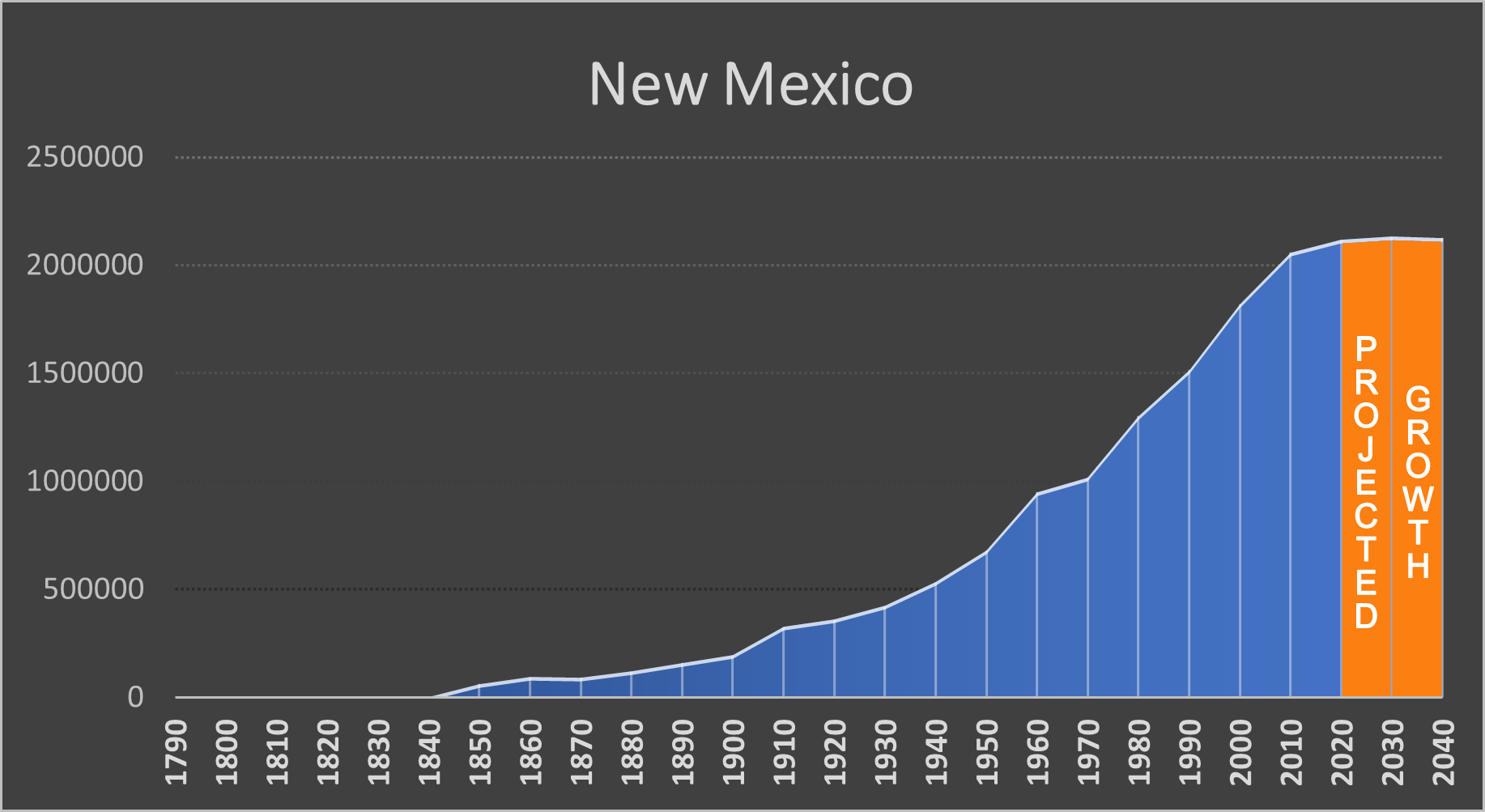
As of the 2020 U.S. Census, the official population of New Mexico was 2,117,522. While this figure places it among the less populous states in the nation, it’s a number that has seen modest growth over recent decades, reflecting a steady, albeit unhurried, pace of life. This relatively sparse population density is, in many ways, one of New Mexico’s greatest assets, allowing for expansive wilderness areas, uncluttered historical sites, and a palpable sense of peace that can be hard to find in more densely populated regions. For travelers, this translates into fewer crowds at many attractions, a genuine sense of escape, and a deeper connection with the natural and cultural heritage of the Southwest.
The population isn’t just a number; it’s the heartbeat of the state, influencing everything from the availability of accommodation and the types of culinary experiences on offer to the preservation of its countless landmarks and the very essence of its travel appeal. This article will delve into the demographic landscape of New Mexico and explore how its population figures, distribution, and cultural composition intricately weave into the fabric of its tourism, lifestyle, and unique charm, making it an irresistible destination for diverse travelers.
A Snapshot of New Mexico’s Demographics and Its Implications for Tourism
Understanding the population of New Mexico goes beyond a simple count; it involves appreciating its historical trajectory, its diverse composition, and how these elements manifest in the state’s dynamic tourism sector. The relatively small population, spread across a large geographical area, creates an environment ripe for both serene escapes and vibrant cultural explorations.
The Latest Population Figures and Growth Trends
The 2020 Census figure of 2,117,522 represents a modest increase from previous decades, indicating slow but consistent growth. While not experiencing the explosive population booms seen in some neighboring states, New Mexico’s steady trajectory speaks to a quality of life that attracts those seeking a particular kind of tranquility and connection to the land. Projections for 2023 and 2024 suggest continued slight growth, with estimates often hovering just above 2.1 million. This controlled growth means that the state’s natural beauty and cultural integrity largely remain intact, which is a significant draw for responsible tourism.
This demographic reality shapes the development of new attractions and infrastructure. Rather than large-scale, mass-market tourism, New Mexico tends to cultivate more specialized, experience-driven tourism that caters to visitors looking for authentic encounters. The pace of development in areas like Taos, Santa Fe, and even parts of Albuquerque reflects this measured growth, focusing on enhancing existing cultural assets and preserving the unique character of each locality.
Population Density and Geographical Spread
With over 121,000 square miles, New Mexico is the fifth-largest state by area. Dividing its population by its vast landmass reveals a low population density, averaging around 17 people per square mile. This contrasts sharply with many other popular travel destinations globally. This low density is perhaps one of New Mexico’s most defining characteristics for travelers, as it ensures ample space for exploration and solitude.
The population is not evenly distributed, however. The majority of residents are concentrated in a few key urban centers along the Rio Grande corridor. Albuquerque, the largest city, is home to over 560,000 people, serving as the economic and cultural hub of the state. Its metropolitan area, including Rio Rancho, accounts for nearly half of the state’s total population. Santa Fe, the charming state capital, boasts a population of around 85,000 within its city limits, though its reputation as an art and culture mecca far exceeds its size. Las Cruces, in the southern part of the state, is another significant urban center with over 110,000 residents.
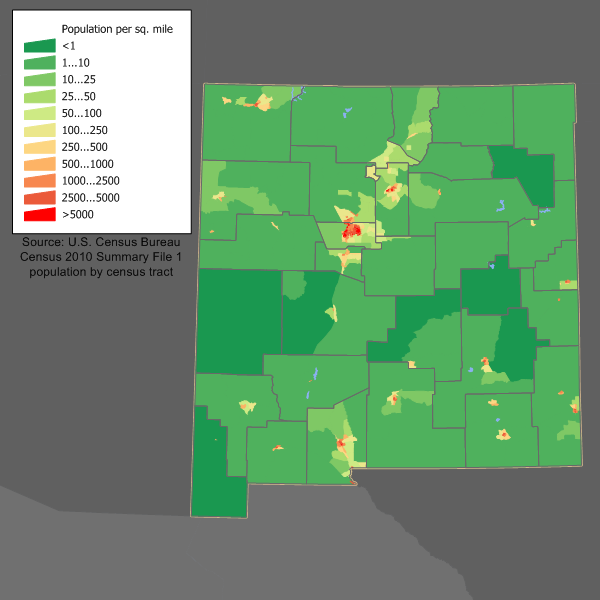
Outside of these urban pockets, New Mexico opens up into vast stretches of desert, mountains, and plains, sparsely dotted with smaller towns and Native American pueblos. This distribution allows travelers to easily transition from the vibrant energy of city life to the profound quiet of wilderness adventures. Whether you seek the bustling markets of Old Town Albuquerque or the serene trails of a national forest, New Mexico’s population geography supports both experiences without overwhelming either.
Cultural Tapestry: How Diversity Enriches the Visitor Experience
Perhaps the most compelling aspect of New Mexico’s population for tourism is its incredible cultural diversity. The state is a true melting pot, predominantly influenced by its rich Native American heritage, centuries of Spanish colonial history, and the more recent Anglo-American influx. This demographic mix has created a unique cultural identity that is palpable in every aspect of life, from cuisine and language to art and architecture.
Native Americans, comprising over 10% of the population, include various Pueblo peoples, Navajos, and Apaches, each with distinct traditions, languages, and artistic expressions. Their influence is seen in the ancient cliff dwellings, vibrant art markets, and traditional ceremonies that are accessible to respectful visitors. Taos Pueblo, a UNESCO World Heritage Site, is a living example of this heritage, offering a glimpse into centuries-old traditions.
Hispanic culture, deeply rooted in the Spanish colonization of the 16th century, forms a significant portion of the population. This heritage is evident in the Spanish Colonial architecture of Santa Fe, the prevalence of Spanish names and cuisine, and the numerous festivals and religious celebrations throughout the year. The distinctive flavors of New Mexican cuisine, characterized by red and green chile, are a direct outcome of this blend of cultures.
This multiculturalism ensures that tourism in New Mexico is never generic. Visitors are not just seeing sights; they are immersing themselves in living history and diverse traditions. This cultural richness provides endless opportunities for authentic experiences, from exploring ancient ruins to attending a traditional dance, making it a highly attractive destination for cultural tourism and those seeking a lifestyle distinct from their own.
New Mexico’s Population and the Travel Experience
The demographic makeup and distribution of New Mexico’s population are fundamental in shaping the travel experiences available. From the variety of lodging options to the distinct flavors of its cuisine, the human element is always present, enhancing the “Land of Enchantment” appeal.
From Bustling Cities to Serene Wilderness: How Population Dictates Travel Experiences
The uneven spread of New Mexico’s population is a boon for travelers, offering a spectrum of environments to explore. One can seamlessly transition from urban exploration to rugged wilderness adventure, often within a short drive.
- Urban Exploration: In cities like Albuquerque and Santa Fe, population density creates vibrant cultural hubs. Albuquerque, with its diverse population, offers a cosmopolitan experience complete with a burgeoning craft beer scene, a wide array of international and New Mexican restaurants, and world-class museums like the Indian Pueblo Cultural Center and the National Museum of Nuclear Science & History. Santa Fe, though smaller, packs a punch with its art galleries, historic Santa Fe Plaza, and renowned dining establishments, making it a hotspot for luxury and cultural travelers alike. Las Cruces offers a more relaxed urban vibe, serving as a gateway to the nearby Organ Mountains-Desert Peaks National Monument and a hub for agricultural tourism.
- Rural Escapes: Outside these cities, the low population density defines the landscape. Travelers seeking solitude and connection with nature will find endless opportunities. National parks and monuments like White Sands National Park, Carlsbad Caverns National Park, and Bandelier National Monument offer breathtaking natural beauty and ancient history without the crushing crowds often found in more popular national parks in other states. Smaller towns like Taos, nestled in the Sangre de Cristo Mountains, provide a blend of outdoor adventure, a thriving arts community, and a spiritual ambiance, attracting everyone from artists and outdoor enthusiasts to those seeking a tranquil retreat.
This blend caters to a variety of lifestyle travel preferences – from the budget traveler exploring free hiking trails to the luxury traveler indulging in a five-star resort experience in Santa Fe’s historic district.
Accommodation Choices Reflecting Population and Demand
The nature of New Mexico’s population and visitor patterns directly influences its accommodation landscape. While major chains are present in larger cities, there’s a strong emphasis on unique, locally infused lodging experiences.
In Albuquerque, a range of options caters to business travelers attending conferences at the Albuquerque Convention Center, as well as family travelers exploring the city. Hotels like the historic Hotel Andaluz or the conveniently located Hotel Albuquerque at Old Town offer a blend of modern amenities and local charm.
Santa Fe, with its reputation as an upscale cultural destination, boasts numerous boutique hotels and luxury resorts. Properties like Rosewood Inn of the Anasazi or La Fonda on the Plaza are deeply integrated into the city’s historic fabric, offering not just a place to stay but an immersive cultural experience. For those seeking relaxation, resorts with world-class spas are plentiful, attracting visitors on wellness retreats.
Beyond the major cities, the lower population density allows for unique accommodation types that capitalize on the natural environment. Think historic inns in Taos, rustic cabins near national forests, or charming bed & breakfasts in smaller communities. Even long-term stays are popular, with visitors renting vacation homes to fully immerse themselves in the local lifestyle, particularly in areas like Ruidoso for mountain escapes or near artist communities for creative sabbaticals. This diversity ensures that whether one is a budget traveler, a luxury seeker, a family on vacation, or a business professional, suitable accommodation reflecting New Mexico’s distinctive character is readily available.
Culinary Journeys and Local Lifestyles
The population’s cultural diversity is most deliciously expressed in New Mexico’s food scene. The iconic red and green chile are not just ingredients; they are a lifestyle, a point of regional pride, and a fundamental part of the state’s identity. The question “Red or Green?” is a greeting unto itself, reflecting a cuisine deeply intertwined with local culture.
Travelers can embark on a culinary journey that ranges from humble roadside stands serving authentic breakfast burritos smothered in chile to fine dining establishments that fuse traditional New Mexican flavors with contemporary gourmet techniques. Restaurants like El Pinto in Albuquerque or The Shed in Santa Fe offer classic experiences. The strong agricultural roots, particularly in areas like the Mesilla Valley near Las Cruces, contribute to farm-to-table movements and local markets, where visitors can taste the freshness of locally grown produce and artisan goods.
Beyond food, the lifestyle influenced by the population is one of slower paces and a deep appreciation for art, history, and community. Many towns host regular farmers’ markets, art walks, and community festivals (e.g., the Santa Fe Indian Market or the Albuquerque International Balloon Fiesta) that offer tourists a chance to experience local life firsthand. This immersive cultural experience is a primary draw, allowing visitors to feel like temporary residents rather than mere observers, enriching their overall travel experience significantly.
Preserving Heritage: Population, Landmarks, and Sustainable Tourism
New Mexico’s relatively small and distributed population plays a crucial role in the preservation of its vast natural and historical landmarks. This demographic reality, combined with a strong sense of cultural stewardship, underpins the state’s approach to sustainable tourism, ensuring that its enchantments endure for future generations of both residents and visitors.
Protecting Natural Wonders
The low population density across much of New Mexico means vast expanses of wilderness remain largely untouched by urban sprawl. This natural solitude is a key draw for eco-tourists and outdoor enthusiasts. Iconic natural landmarks such as White Sands National Park, with its shimmering gypsum dunes, and Carlsbad Caverns National Park, home to stunning underground formations, benefit immensely from this low human footprint. The surrounding communities, while small, are often deeply invested in the protection and sustainable management of these treasures, understanding their ecological and economic value.
Even areas like the Gila National Forest, which includes the country’s first designated wilderness area, thrive due to minimal encroachment. This allows for diverse ecosystems to flourish and offers unparalleled opportunities for hiking, camping, birdwatching, and stargazing under some of the clearest skies in the contiguous United States. The challenge lies in balancing growing visitor numbers with the preservation of these fragile environments, a task that relies heavily on local communities and visitors adhering to Leave No Trace principles.
Honoring Historical Sites
New Mexico is a living museum of human history, with a timeline stretching back thousands of years. The state’s population, particularly its long-standing Native American communities, has been instrumental in preserving and sharing this profound heritage. Historical landmarks range from ancient cliff dwellings and pueblo ruins to Spanish missions and frontier forts.
Sites like Chaco Culture National Historical Park, a UNESCO World Heritage Site, represent the zenith of ancestral Puebloan civilization. Though remote, local and state efforts ensure its protection and interpretation. Similarly, Bandelier National Monument, near Los Alamos, offers accessible trails through ancestral Pueblo homes carved into volcanic tuff. The historic Santa Fe Plaza, a National Historic Landmark, has been the heart of Santa Fe for over 400 years, maintained by the continuous presence and pride of its residents.
The local communities, particularly the 19 Pueblos and two Apache tribes, are the primary custodians of many of these invaluable historical sites and traditions. Their continued presence and commitment ensure that the stories, arts, and languages of their ancestors are not merely relics but vibrant, living aspects of New Mexico’s identity. This active guardianship by its population ensures a more authentic and educational experience for travelers, fostering a deeper respect for the state’s multifaceted past.
Sustainable Tourism Practices
Given its delicate ecosystems, ancient cultural sites, and a population that values its unique lifestyle, New Mexico is increasingly focusing on sustainable tourism. This approach aims to minimize the negative impacts of tourism while maximizing its benefits for local communities and economies. The state’s relatively modest population naturally lends itself to a more manageable flow of tourists compared to global hotspots, making sustainable practices more attainable.
Initiatives often focus on supporting local businesses, encouraging responsible outdoor recreation, and educating visitors about cultural etiquette, especially when visiting Native American lands. Many hotels and resorts, particularly those in Santa Fe and Taos, are adopting eco-friendly practices. The emphasis is on quality over quantity – attracting travelers who genuinely appreciate New Mexico’s distinctive allure and are willing to engage respectfully with its environment and communities.
This ensures that the state’s population benefits from tourism without compromising its authentic character or natural resources. By engaging in sustainable practices, New Mexico continues to offer a compelling travel experience that is both enriching and responsible, allowing its unique “Land of Enchantment” spirit to thrive for generations to come.
In conclusion, while the simple answer to “What is the population of New Mexico?” is approximately 2.1 million, its true significance lies in how this number shapes the entire travel and lifestyle experience. The state’s relatively sparse and culturally rich population contributes to its vast open spaces, preserved historical sites, unique culinary identity, and a profound sense of tranquility often sought by modern travelers. It’s a place where you can find both vibrant urban culture and profound wilderness, all woven together by the enduring spirit of its diverse inhabitants. For those seeking an authentic, uncrowded, and deeply resonant travel experience, New Mexico’s population is not just a demographic fact; it’s a foundational element of its enduring charm.
LifeOutOfTheBox is a participant in the Amazon Services LLC Associates Program, an affiliate advertising program designed to provide a means for sites to earn advertising fees by advertising and linking to Amazon.com. Amazon, the Amazon logo, AmazonSupply, and the AmazonSupply logo are trademarks of Amazon.com, Inc. or its affiliates. As an Amazon Associate we earn affiliate commissions from qualifying purchases.