
Embarking on a journey to the bustling metropolis of New York City often brings a myriad of questions for travelers. From navigating the intricate subway system to finding the best slice of pizza, every aspect of the experience is meticulously planned. However, one fundamental question that frequently arises, yet is often overlooked, concerns a basic necessity: the tap water. For visitors and new residents alike, the query “Can I drink New York City tap water?” is not only valid but essential for both health and a smooth travel experience. The unequivocal answer is a resounding yes. Not only is NYC tap water safe to drink, but it is also renowned globally for its exceptional quality, often outranking bottled alternatives and offering significant benefits for health, budget, and the environment.
This comprehensive guide will delve into the remarkable journey of New York City’s water supply, from its pristine origins to the rigorous testing protocols that ensure its purity. We’ll explore why choosing tap water during your visit to the Big Apple is a smart decision, offering practical tips for staying hydrated and addressing any lingering concerns. Whether you’re planning a luxurious stay in a Manhattan suite, a budget-friendly trip exploring Brooklyn‘s vibrant neighborhoods, or a family adventure through Central Park, understanding the quality of NYC’s tap water will enhance your overall travel and lifestyle experience.
The Unrivaled Quality of New York City’s Tap Water
The reputation of New York City’s tap water as one of the best in the United States is not merely anecdotal; it’s a testament to a century-old, meticulously maintained infrastructure and an unwavering commitment to public health. Unlike many major urban centers that rely heavily on sophisticated filtration plants, NYC boasts a unique natural advantage: a protected watershed that minimizes the need for extensive chemical treatment.
A Pristine Source: The Catskill and Delaware Watersheds
The secret behind NYC’s superior tap water lies hundreds of miles north of the city, in the sprawling, pristine wilderness of the Catskill Mountains and the Delaware River basin. This vast, 2,000-square-mile watershed, one of the largest unfiltered surface water supplies in the world, collects rainwater and snowmelt across a rugged, sparsely populated region. This natural filtration process through forests, wetlands, and soil acts as the first and most crucial stage of purification.
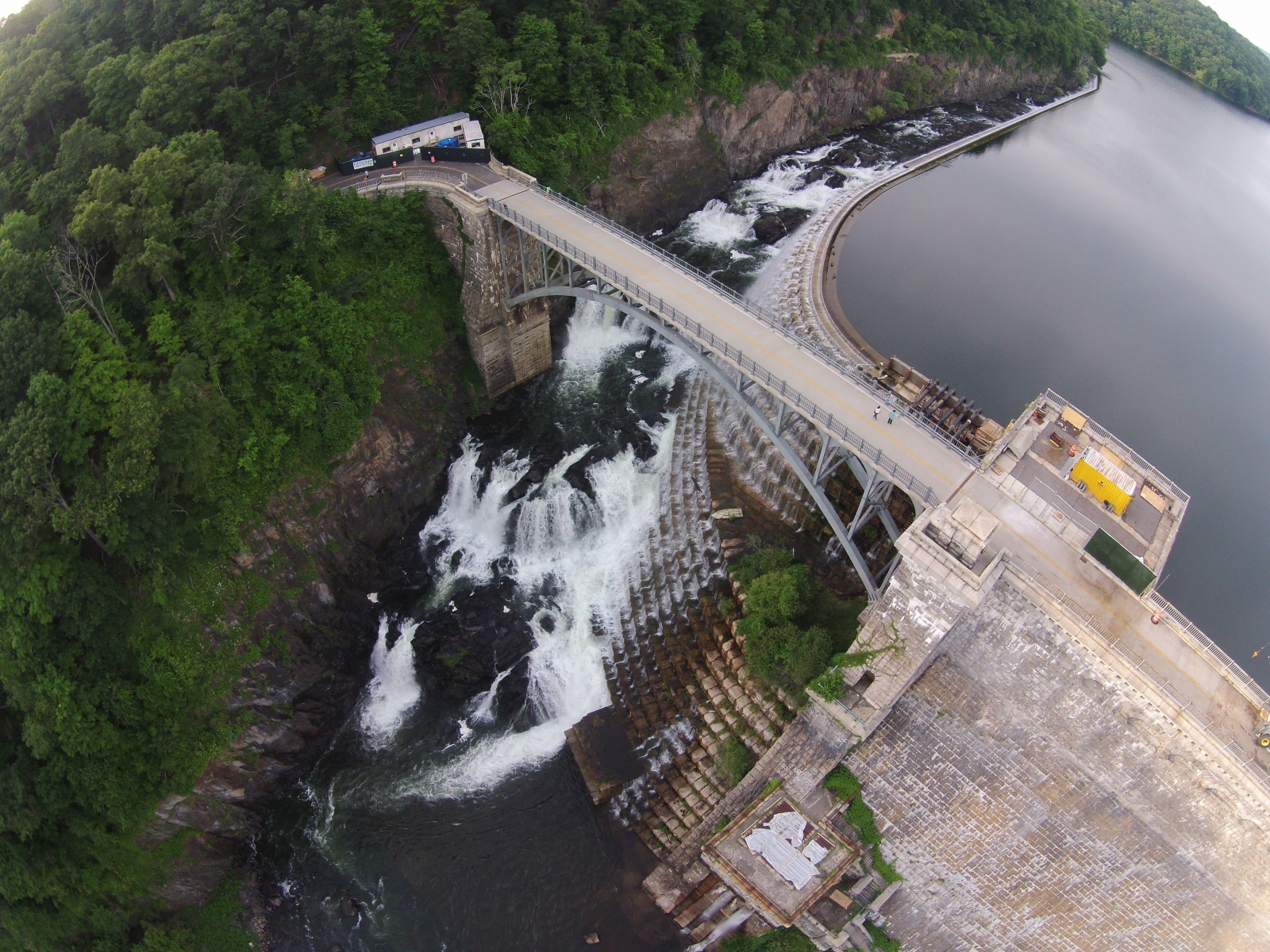
The water travels from these elevated sources through a marvel of 20th-century engineering: a complex system of aqueducts and reservoirs, primarily the Catskill Aqueduct and the Delaware Aqueduct). These immense, gravity-fed tunnels, some stretching over 90 miles long and buried hundreds of feet underground, transport billions of gallons of water daily to the city. Key reservoirs in this system include the [Ashokan Reservoir, Pepacton Reservoir, Cannonsville Reservoir, and Rondout Reservoir. A third, smaller system, the Croton System which includes the New Croton Aqueduct, also contributes to the overall supply, predominantly serving The Bronx.
The watershed’s protection is paramount. The NYC Department of Environmental Protection (DEP) actively collaborates with landowners, farmers, and local communities within the watershed to implement conservation programs. These initiatives prevent pollution and maintain the ecological integrity of the land, ensuring that the water entering the aqueducts is already remarkably clean. This proactive approach saves the city billions of dollars in filtration costs and is a cornerstone of NYC’s water quality strategy.
A Rigorous Treatment and Testing Process
While the natural environment does much of the heavy lifting, the water doesn’t reach your tap without undergoing extensive treatment and relentless monitoring. Before distribution, the water undergoes several critical steps to ensure it meets and often exceeds stringent federal and state standards.
- UV Disinfection: In 2012, New York City commissioned the world’s largest ultraviolet (UV) disinfection facility, located in Westchester County. This state-of-the-art UV Disinfection Facility in Westchester County provides an additional layer of protection, neutralizing any remaining microorganisms that might be present without adding chemicals. This facility represents a significant investment in advanced water treatment technology.
- Chlorination: A small amount of chlorine is added to kill any bacteria and viruses and to maintain disinfection as the water travels through the distribution system to homes and businesses across Manhattan, The Bronx, Brooklyn, Queens, and Staten Island. The levels are carefully controlled to be safe for consumption.
- Fluoridation: Fluoride is added to help prevent tooth decay, a public health initiative consistent with recommendations from health organizations.
- Corrosion Control: Food-grade phosphoric acid is added to the water to create a protective film inside pipes, reducing the release of lead and other metals from plumbing into the drinking water. This is crucial for older buildings with legacy plumbing.
Beyond treatment, the NYC Department of Environmental Protection (DEP) conducts an astounding number of tests daily, weekly, and monthly. They collect over 600,000 samples and perform nearly a million tests annually from the watershed, reservoirs, and various points throughout the city’s vast distribution network. This meticulous testing monitors for a wide range of parameters, including bacteria, viruses, chemicals, heavy metals, and other potential contaminants, ensuring full compliance with the strict standards set by the Environmental Protection Agency (EPA). The results of these tests are publicly available in annual water quality reports, showcasing transparency and accountability.
Why Choose NYC Tap Water: Benefits for Travelers and Residents
For anyone visiting or living in New York City, embracing tap water is not just about safety; it’s a choice that brings a multitude of practical advantages, aligning perfectly with modern travel and lifestyle philosophies.
Health and Safety: Purity You Can Trust
The paramount reason to drink NYC tap water is its proven health and safety record. With its protected source and advanced treatment, it consistently meets or surpasses national drinking water standards. Travelers often worry about “traveler’s diarrhea” when visiting new places, but with New York City’s municipal water, those concerns are largely unfounded. You can confidently fill your water bottle or ask for tap water at any restaurant without apprehension.
The presence of minerals in the water, naturally occurring from its journey through the watershed, contributes to its unique taste and can even offer minor health benefits. While some may detect a slight chlorine taste, particularly sensitive palates, this is merely a sign of the disinfection process and does not indicate poor quality. A simple solution is to let tap water sit in an open container in the refrigerator for a short period, which allows the chlorine to dissipate.
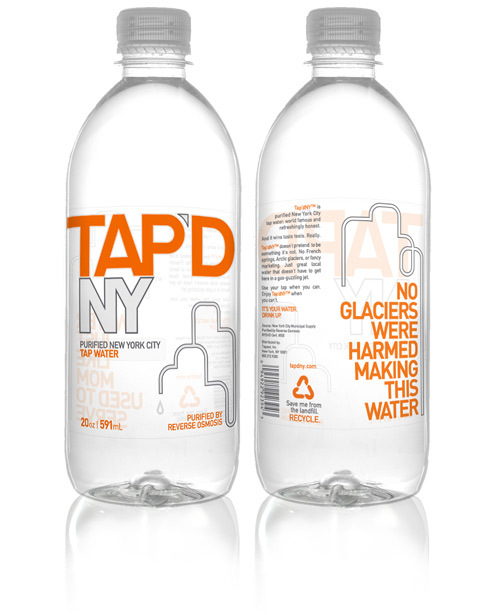
Compared to bottled water, which is often sourced from less regulated springs or even reprocessed tap water, NYC’s system offers a level of oversight and quality assurance that is hard to match. Concerns about microplastics leaching from plastic bottles are also entirely eliminated when choosing tap.
Economic and Environmental Advantages
Beyond personal health, opting for tap water offers substantial benefits for your wallet and the planet, making it an ideal choice for the conscious traveler.
- Cost Savings: New York City can be an expensive destination, and every penny saved counts. A single bottle of water can cost anywhere from $2 to $5, especially in tourist-heavy areas or hotels. Over the course of a multi-day trip, purchasing bottled water can quickly add up, easily costing dozens of dollars. By simply refilling a reusable bottle from the tap, you eliminate this recurring expense, freeing up your budget for other attractions, a Broadway show, or a memorable meal. For long-term visitors or residents, these savings become even more significant.
- Sustainability and Reduced Waste: The environmental impact of single-use plastic bottles is staggering. Millions of plastic bottles end up in landfills or pollute oceans, taking hundreds of years to decompose. The production and transportation of bottled water also consume vast amounts of energy and contribute to carbon emissions. By choosing NYC tap water, you directly reduce your plastic footprint, support sustainable tourism practices, and contribute to the city’s broader environmental goals. This aligns perfectly with a responsible lifestyle and the growing global emphasis on ecological awareness.
Hydrating Like a Local: Tips for Your New York City Visit
Embracing New York City’s excellent tap water is a straightforward way to enhance your travel experience. Here’s how to integrate it seamlessly into your visit, ensuring you stay refreshed and hydrated while exploring the city’s vibrant offerings.
Accessing Tap Water Everywhere
The beauty of NYC tap water is its ubiquitous availability. You’re never far from a reliable source.
- Bring a Reusable Water Bottle: This is the single most effective tip for staying hydrated and saving money. A sturdy, reusable water bottle (stainless steel or BPA-free plastic is recommended) is your best companion for navigating the city. Many attractions, museums, and public spaces now have water refilling stations, making it easier than ever to top up.
- Restaurants and Cafes: Don’t hesitate to ask for “tap water” or “a glass of water” at any restaurant or cafe. It’s standard practice, and establishments are happy to provide it free of charge. You’ll often be served a glass of crisp, cold NYC tap water with your meal.
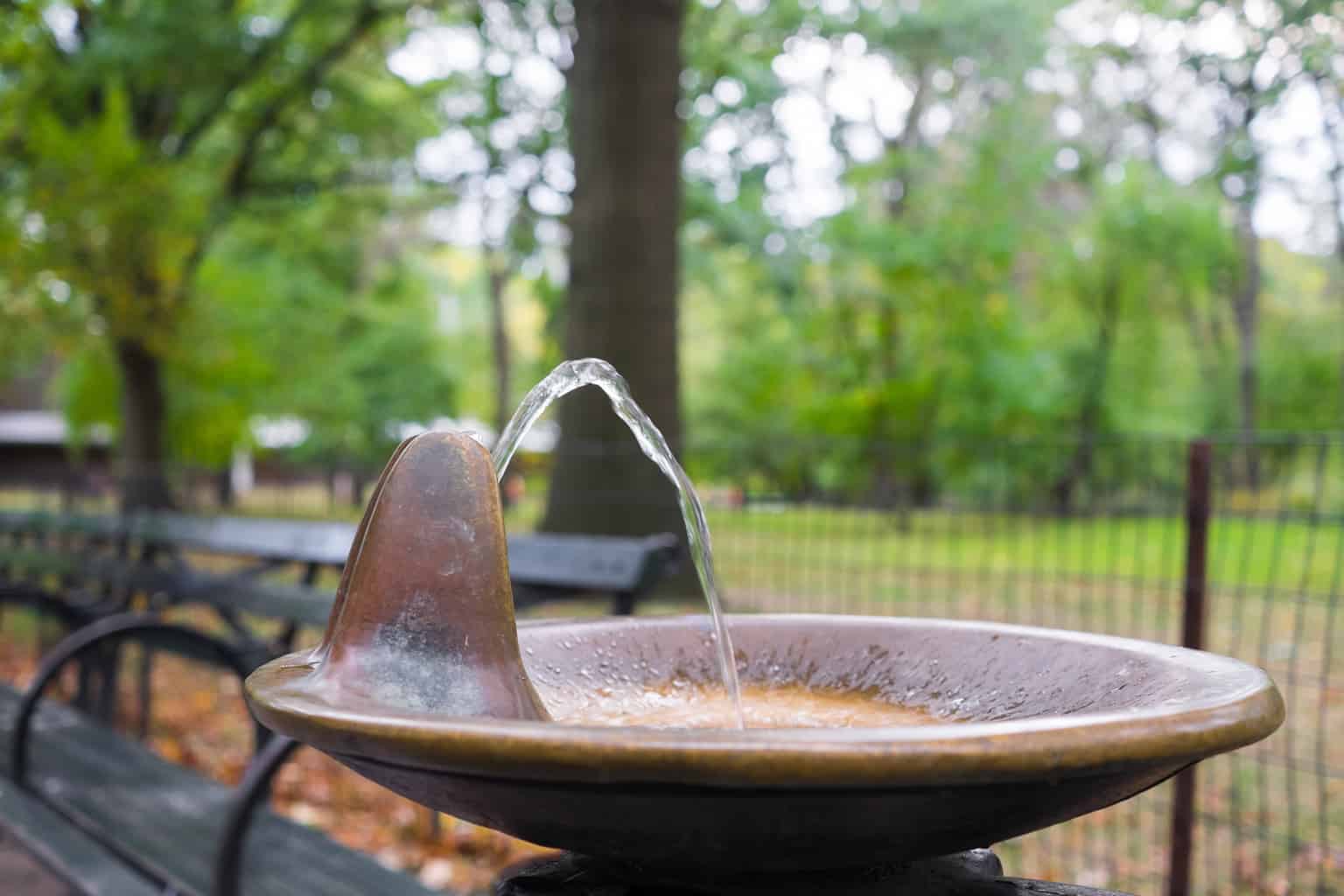
- Public Water Fountains: While perhaps not as prevalent as in some European cities, public water fountains can be found in many parks, including numerous locations throughout Central Park, as well as near playgrounds and some public buildings. These are usually well-maintained and provide a convenient way to refill your bottle on the go.
- Hotels and Accommodation: Whether you’re staying in a luxury hotel, a boutique apartment, or a budget-friendly hostel, the tap water in your room is safe to drink. There’s no need to purchase expensive bottled water from the mini-bar. Utilize the tap in your bathroom or, if available, in a communal kitchen area. Some modern hotels even offer “hydration stations” in their lobbies or fitness centers, providing filtered tap water for guests.
Addressing Specific Concerns and Myths
While NYC tap water is overwhelmingly safe, some common questions or misconceptions might arise.
- Taste Variations: As mentioned, some individuals might notice a slight chlorine taste. This is harmless and can be mitigated by refrigerating the water. The taste can also vary slightly depending on the age of the building’s internal plumbing, but this generally affects aesthetic qualities rather than safety. For those highly sensitive to taste, a simple filtered pitcher or a water bottle with an integrated filter can further enhance the experience.
- Older Buildings: New York City has many historic buildings. While the city’s water main system is robust, older buildings might have internal plumbing that contains lead pipes or fixtures. To minimize any potential exposure, the DEP recommends flushing your tap for 30 seconds to 2 minutes after periods of inactivity (e.g., in the morning or after returning home) before drinking or cooking. This flushes stagnant water from the internal plumbing. The city’s corrosion control program significantly reduces the leaching of lead, making this a precautionary measure.
- Boil Water Advisories: Very rarely, localized boil water advisories might be issued due to an emergency, such as a water main break. These are highly specific, temporary, and well-communicated by the NYC Department of Environmental Protection (DEP) through local news and official channels. Unless you hear an official advisory, you can trust the water is safe.
In essence, New York City tap water is a remarkable resource. It’s a testament to effective urban planning, environmental stewardship, and continuous public health commitment. For travelers, it represents an effortless way to stay healthy, save money, and contribute positively to the environment. For residents, it’s a daily convenience and a source of local pride.
So, as you prepare to immerse yourself in the vibrant energy of New York City, rest assured that your hydration needs are well-covered. Grab your reusable bottle, head to the nearest tap, and enjoy one of the best and safest drinking waters in the world, allowing you to focus on creating unforgettable memories in the city that never sleeps. Embrace this simple local custom, and you’ll find it enhances your entire NYC adventure.
LifeOutOfTheBox is a participant in the Amazon Services LLC Associates Program, an affiliate advertising program designed to provide a means for sites to earn advertising fees by advertising and linking to Amazon.com. Amazon, the Amazon logo, AmazonSupply, and the AmazonSupply logo are trademarks of Amazon.com, Inc. or its affiliates. As an Amazon Associate we earn affiliate commissions from qualifying purchases.