
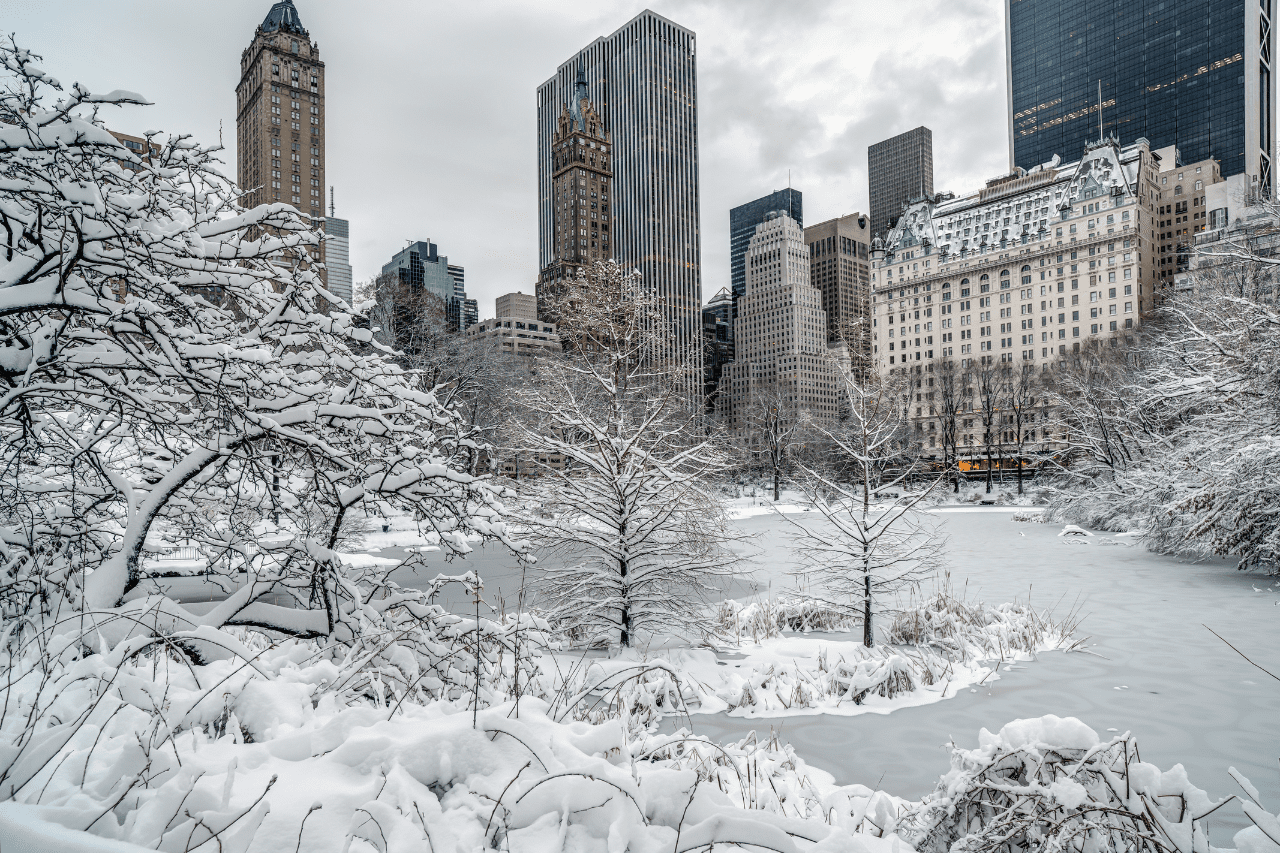
Absolutely, yes! New York, particularly New York City, experiences the full beauty and occasional challenges of winter snowfall. For many, the idea of a snowy New York City evokes iconic images: a blanket of white transforming Central Park into a serene wonderland, steam rising from bustling streets, and the festive glow of holiday lights reflecting off pristine snow. This meteorological reality is not just a backdrop for postcards and movies; it’s a fundamental part of the city’s seasonal charm and a significant consideration for anyone planning a winter visit.
From late November through March, the potential for snow hangs in the crisp air, with January and February typically being the snowiest months. While not every winter storm brings a picturesque coating, the cumulative effect of a New York winter often includes several memorable snowfalls, ranging from light dustings to major blizzards. These events transform the urban landscape, offering unique travel experiences, influencing accommodation choices, and shaping the local culture and activities available to tourists. For visitors contemplating a trip during these colder months, understanding the nuances of snow in New York is key to a truly magical and well-prepared adventure.
The Enchantment of a New York Winter Wonderland
There’s an undeniable allure to New York City draped in snow. It softens the hard edges of skyscrapers, quiets the incessant street noise, and infuses the entire metropolis with a festive, almost dreamlike quality. This transformation is more than just aesthetic; it opens up a unique array of experiences that are distinct from any other season.
When Does Snow Typically Fall in New York?
The snow season in New York generally runs from late November to early April, with the peak months for significant snowfall being January and February. December often sees the first flurries, sometimes coinciding perfectly with the lead-up to the Holiday Season, adding to the festive atmosphere. However, major snowstorms, or “nor’easters,” can occur at any point during these months, occasionally even extending into late March or early April.
On average, New York City receives about 25 to 30 inches of snow annually. This average can be misleading, as some winters are exceptionally mild with minimal snow, while others see record-breaking blizzards. For instance, the infamous winter of 2010-2011 brought over 60 inches of snow, showcasing the variability. Visitors planning a trip should consult long-range forecasts closer to their travel dates, but should always be prepared for the possibility of snow if visiting between December and March. This preparation extends to packing appropriate clothing and understanding how snow can impact transportation and activities.

Iconic Winter Experiences and Attractions
When snow falls, some of New York’s most famous landmarks take on an even more iconic appearance. A fresh blanket of snow in Central Park is perhaps the quintessential New York winter scene. Visitors can enjoy cross-country skiing, sledding on Pilgrim Hill, or simply strolling along snow-dusted paths, perhaps stopping at the Wollman Rink for ice skating with the city skyline as a backdrop. The rink at Rockefeller Center, beneath the towering Christmas tree and the golden Prometheus statue, is another world-famous ice-skating destination that becomes even more magical when snowflakes are falling.
Beyond these classic spots, the city offers myriad other delights. The Winter Village at Bryant Park transforms the park into a festive market complete with an ice-skating rink and holiday shops, making it a perfect spot for local culture and unique souvenirs. Exploring neighborhoods like Greenwich Village or the Upper West Side under a gentle snowfall reveals cozy cafes and charming brownstones, offering a different, more intimate perspective of the city. The major avenues, particularly Fifth Avenue, become a spectacle of window displays and sparkling lights, creating a truly unforgettable holiday experience, especially when snow adds to the glitter.
Preparing for a Snowy Visit
Successful travel during a snowy New York winter hinges on smart preparation. What to pack is paramount: layers are essential, including thermal underwear, sweaters, and a waterproof and windproof winter coat. Don’t forget warm gloves, a hat, a scarf, and, crucially, waterproof boots with good traction. Pavements can become slushy or icy, making proper footwear a safety necessity.
Beyond clothing, consider transportation tips. While the New York City subway system is largely unaffected by snow, surface travel (buses, taxis, ride-shares) can be significantly delayed during and after a storm. Walking is often the most reliable way to get around shorter distances, provided you’re dressed for it. For longer distances, plan extra time for public transport or consider staying in hotels that are conveniently located near subway lines that can quickly take you to major attractions like Times Square or Grand Central Terminal. Staying warm isn’t just about clothing; it’s also about strategic planning of indoor activities. Balance outdoor sightseeing with visits to world-class museums like the Metropolitan Museum of Art or the Museum of Modern Art, or catching a Broadway show, which offer a warm respite from the cold.
Navigating New York’s Winter Weather
While the romance of snow in New York is undeniable, practical considerations for travel, accommodation, and activities come to the forefront. Understanding how the city operates under snowy conditions is crucial for a smooth and enjoyable trip.
How Snowfall Impacts Travel and Transport
Snowfall, especially significant accumulations, can certainly impact travel within and to New York City. Airports like JFK, LaGuardia, and Newark Liberty (though technically in New Jersey, it serves the New York area) can experience delays and cancellations. It’s always wise to check flight statuses frequently during winter weather events.
Within the city, the subway system is generally the most resilient mode of transport during snowstorms, as most of its network is underground. However, outdoor sections of subway lines, particularly in outer boroughs like Brooklyn, Queens, and The Bronx, can be subject to delays or service changes. Buses and driving are the most affected. Streets can become congested, public buses run on modified schedules, and taxis/ride-shares may be scarce or impose surge pricing. If driving into the city, be aware of parking restrictions during snow emergencies. For those venturing from Manhattan to areas like Staten Island, ferry services can also be impacted by extreme weather. Staying updated with real-time transit apps and official announcements from the MTA is highly recommended.

Finding Cozy Comforts: Hotels and Accommodation
Choosing the right accommodation becomes even more critical during a snowy visit to New York. Many visitors prioritize proximity to subway stations or major attractions to minimize outdoor travel. The type of hotel can also significantly enhance the winter experience. Luxury hotels like The Plaza Hotel, St. Regis New York, or Mandarin Oriental, New York offer opulent lobbies, fine dining, and sometimes even spas, providing a perfect cozy retreat from the cold. Their amenities often include concierge services that can assist with navigating weather-related challenges.
Mid-range options such as the New York Hilton Midtown or The Knickerbocker Hotel also provide excellent comfort and central locations, often with robust heating systems and comfortable lounges. Boutique hotels in neighborhoods like SoHo or Greenwich Village, such as Arlo SoHo or The Ludlow Hotel, offer a more intimate, charming atmosphere, perfect for snuggling up by a fireplace or enjoying a handcrafted cocktail. For those seeking long-term stays or family trips, apartments and villas booked through various accommodation platforms can offer more space, kitchen facilities, and a homely feel, allowing guests to cook warm meals and truly settle in. Regardless of the choice, seeking out hotels with inviting lobbies, good dining options, and strong Wi-Fi ensures a comfortable base, even if a snowstorm keeps you indoors for a few hours.
Embracing Local Culture: Winter Activities and Food
Snow in New York doesn’t halt the city’s vibrant rhythm; it merely shifts it indoors and offers new avenues for exploration. Embracing the local culture means participating in winter-specific activities and savoring comforting culinary delights. Many museums offer heated comfort and fascinating exhibitions, from the history and science at the American Museum of Natural History to the contemporary art at the Guggenheim Museum. These institutions are perfect for spending a snowy afternoon.
The city also hosts a variety of winter festivals and events. Beyond the famous New Year’s Eve celebration in Times Square, there are smaller, neighborhood-specific events and indoor markets that pop up throughout the colder months. When it comes to food, New York truly shines in winter. Comfort food reigns supreme: think hearty bowls of ramen in the East Village, rich Italian pasta dishes in Little Italy, or classic American burgers and mac and cheese. Exploring the city’s diverse culinary scene becomes a journey of warmth and flavor. Don’t forget to indulge in hot drinks – from gourmet coffees and hot chocolates at independent cafes to mulled wine at a cozy bar or elegant high tea at a hotel like The Peninsula New York. These gastronomic experiences are integral to the winter lifestyle of New Yorkers and a delight for visitors.
Beyond the Snow: New York in Winter
Even without a fresh layer of snow, New York during winter offers an unparalleled array of experiences. The cooler temperatures and shorter days bring a different kind of energy, one that is both invigorating and deeply festive, particularly during the early winter months.
The City That Never Sleeps: Winter Events and Entertainment
New York City’s reputation as “the city that never sleeps” holds true, even in the depths of winter. The performing arts scene is particularly vibrant. Seeing a Broadway show is an absolute must, and winter brings many highly anticipated new productions and long-running classics. The grandeur of a theater on a cold evening, followed by a warm meal, is a quintessentially New York experience. Beyond Broadway, there are countless off-Broadway shows, live music venues from jazz clubs in Harlem to indie rock spots in Brooklyn, and world-class performances at venues like Carnegie Hall or Radio City Music Hall, home to the famous Christmas Spectacular with the Rockettes.
The winter months also host a variety of major events. New Year’s Eve in Times Square is globally renowned, drawing millions to watch the ball drop. February often sees New York Fashion Week, making the city a hub for style and glamour. Sports enthusiasts can catch a New York Knicks basketball game or a New York Rangers hockey game at Madison Square Garden, experiencing the electric energy of live professional sports. These events contribute to the city’s dynamic lifestyle, providing endless entertainment options regardless of the temperature outside.
Lifestyle and Budgeting for a Winter Trip
A winter trip to New York can be tailored to various lifestyles and budgets. For those seeking luxury travel, the city offers opulent experiences, from stays at five-star resorts like the Four Seasons Hotel New York Downtown to private shopping tours on Fifth Avenue and gourmet dining experiences at Michelin-starred restaurants. A helicopter tour over a snow-covered Manhattan or a personalized spa day can add an extra layer of indulgence.
Conversely, a budget travel approach is also entirely feasible. Winter, especially outside the peak holiday weeks, can sometimes see slightly lower hotel rates and fewer crowds for popular attractions. Taking advantage of free activities, like walking across the Brooklyn Bridge, exploring the 9/11 Memorial & Museum (free entry for the memorial, museum has an admission fee), or simply wandering through vibrant neighborhoods, allows visitors to experience the city’s essence without breaking the bank. Public transportation, including the subway and buses, is an economical way to get around.
Family trips in winter offer unique memory-making opportunities, from ice skating to visiting holiday windows. Many hotels offer family-friendly suites or amenities, and a wide array of attractions, such as the Intrepid Sea, Air & Space Museum or the New York Transit Museum (located in Brooklyn), cater to all ages. For business stays, winter can be a quieter time, with fewer tourists potentially easing commutes and allowing for focused work alongside opportunities to enjoy the city’s renowned dining and entertainment after hours. Regardless of travel style, the unique experiences offered by a winter New York trip are unparalleled, showcasing the city’s resilience, beauty, and endless charm under a different, often sparkling, light.
In conclusion, the answer to “Does it snow in New York?” is a resounding yes, and it often does so magnificently. While winter weather brings its own set of challenges, it also transforms the city into a truly breathtaking destination. From the serene beauty of a snow-covered Central Park to the warmth of cozy cafes and the vibrant indoor entertainment, a winter visit to New York City offers a distinct and unforgettable travel experience. With proper planning for weather and transportation, and an open mind to embrace the city’s unique winter lifestyle, visitors can discover a side of New York that is both enchanting and profoundly memorable.
LifeOutOfTheBox is a participant in the Amazon Services LLC Associates Program, an affiliate advertising program designed to provide a means for sites to earn advertising fees by advertising and linking to Amazon.com. Amazon, the Amazon logo, AmazonSupply, and the AmazonSupply logo are trademarks of Amazon.com, Inc. or its affiliates. As an Amazon Associate we earn affiliate commissions from qualifying purchases.