
The question “Is New York City an island?” might seem straightforward, but the answer is as intricate and multifaceted as the city itself. Often perceived globally as a singular entity, New York City is, in reality, a sprawling metropolis composed of five distinct boroughs, each with its own unique geography, character, and relationship to the surrounding waterways. For any traveler or prospective resident, understanding this fundamental geographical reality is key to truly appreciating the city’s unique charm, navigating its iconic landmarks, choosing the perfect accommodation, and immersing oneself in its vibrant lifestyle.
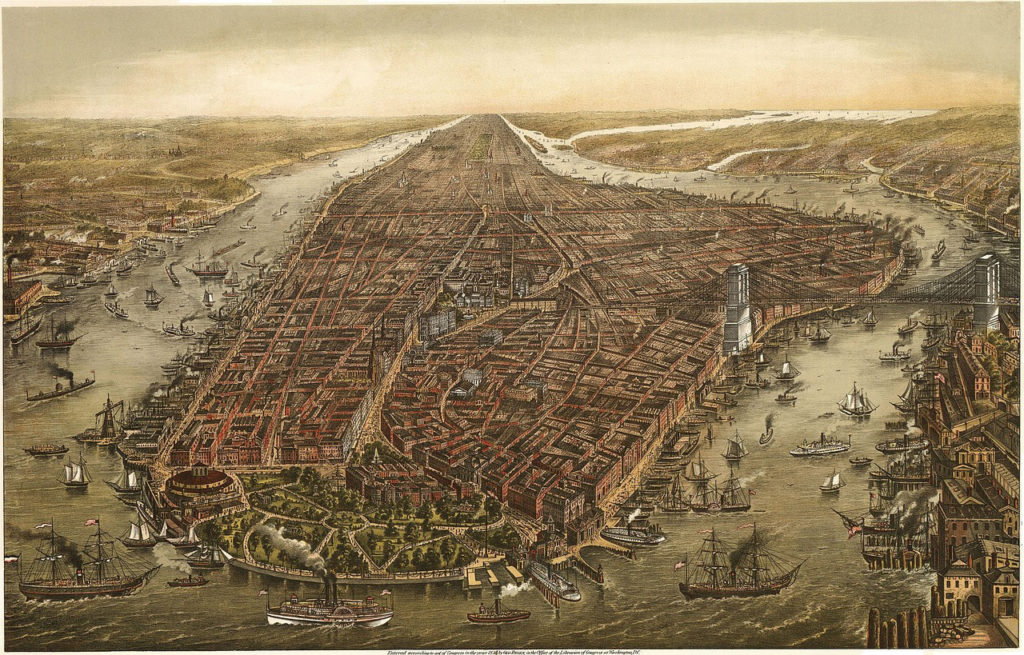
At its heart, the perception of New York City as an island largely stems from Manhattan, the most famous and densely populated of its boroughs. Manhattan is, unequivocally, an island, bordered by the Hudson River to the west, the East River to the east, and New York Harbor to the south. This iconic island status has profoundly shaped its history, architecture, and identity, giving rise to its famed skyline and a distinct urban energy. However, Manhattan is just one piece of the larger New York City puzzle. As we delve deeper, we’ll discover that the city’s relationship with water is far more complex, encompassing not just islands, but also a significant mainland presence and a network of waterways that define its very essence. This geographical intricacy makes New York City a fascinating destination, offering diverse experiences from bustling island metropolises to serene coastal escapes and vibrant mainland communities.
The Geographical Tapestry: Unpacking New York City’s Island Status
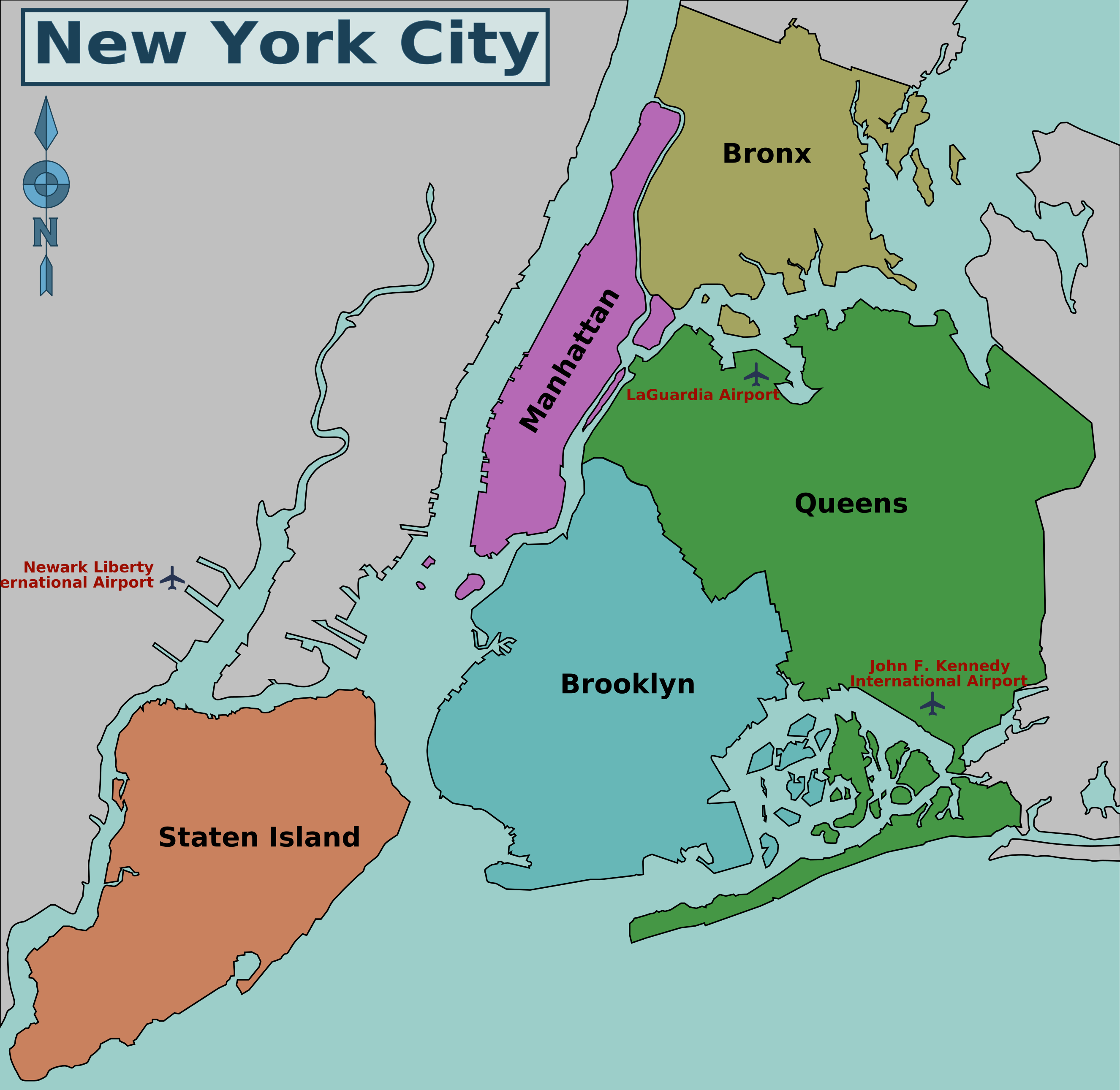
To truly answer whether New York City is an island, one must look beyond the iconic image of Manhattan and consider the unique composition of its five boroughs: Manhattan, Brooklyn, Queens, The Bronx, and Staten Island. Each of these boroughs contributes to the city’s complex geographical identity, creating a mosaic of landmasses connected and separated by an intricate network of rivers, bays, and sounds.
A Tale of Boroughs and Waterways
The most straightforward part of the answer lies with Manhattan and Staten Island, both of which are undeniable islands. Manhattan, a slender landmass, is bounded by the Hudson River to the west, the East River to the east, and the Harlem River to the north, which separates it from The Bronx. Its island status is central to its identity, dictating its compact development, its reliance on bridges and tunnels for connectivity, and its stunning waterfront vistas. Staten Island, located in New York Harbor to the southwest of Manhattan, is also an island. It is connected to Brooklyn by the Verrazzano-Narrows Bridge and to New Jersey by several bridges. Its geography lends it a more suburban feel, distinct from the dense urbanity of its sister boroughs.
The geographical situation becomes more nuanced with Brooklyn and Queens. These two boroughs are located on the western end of Long Island, which is itself a large island extending eastward into the Atlantic Ocean. So, while Brooklyn and Queens are part of New York City, they are also physically situated on an island. This often leads to confusion, as people might not associate the vast stretches of Long Island with the immediate urban core. The East River separates Manhattan from Brooklyn and Queens, while the Long Island Sound borders Queens to the north.
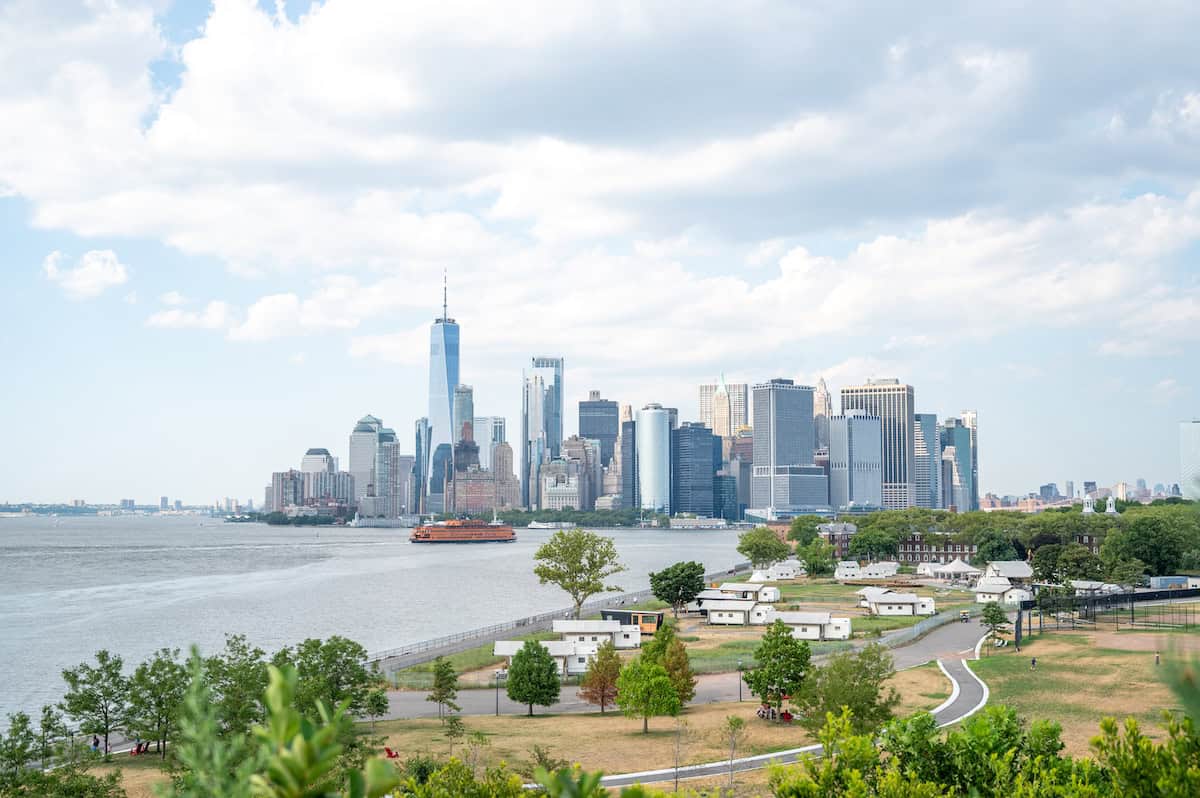
Finally, we come to The Bronx. The Bronx holds the unique distinction of being the only borough of New York City that is predominantly located on the mainland of the United States. It is directly connected to Upstate New York and the rest of the continental United States without needing to cross any major waterways. While parts of The Bronx, such as City Island and Pelham Bay Park, are indeed peninsulas or islands, the majority of the borough is mainland. This makes New York City a truly unique blend of island and mainland territories. Beyond the main boroughs, New York City also encompasses many smaller islands, such as Governors Island, Roosevelt Island, and the collection of Randalls and Wards Islands, further complicating (and enriching) its aquatic identity.
The Rationale Behind the Geography
The profound influence of water on New York City’s development cannot be overstated. From the earliest colonial settlements, the waterways served as crucial arteries for trade, transportation, and defense. New York Harbor, one of the world’s largest natural harbors, made the city an ideal port, driving its economic growth and establishing its status as a global hub. The rivers provided a natural barrier, shaping urban expansion and necessitating incredible feats of engineering to connect the burgeoning boroughs.
The unique geography also dictated the city’s infrastructure. The need to connect islands to the mainland and to each other spurred the construction of iconic bridges like the Brooklyn Bridge and the Manhattan Bridge, as well as an extensive network of tunnels for subways and vehicles. These engineering marvels are not just functional, but have become beloved landmarks in their own right, offering breathtaking views and symbolizing the city’s relentless drive to overcome natural challenges. The waterways continue to play a vital role in contemporary urban life, influencing waterfront development, recreational activities, and even the microclimates of different neighborhoods. From the bustling ferries to the tranquil parks along the shorelines, the water is an ever-present force, shaping the daily experiences of millions.
Navigating the Aquatic Metropolis: Travel and Tourism Insights
The distinctive geography of New York City, defined by its numerous islands and extensive waterways, profoundly influences the travel and tourism experience. It’s a city where water isn’t just a backdrop but an integral part of exploration, offering unique perspectives on its most famous landmarks and shaping the very fabric of its recreational activities and culinary scene.
Iconic Landmarks Shaped by Water
Many of New York City’s most celebrated attractions are inextricably linked to its aquatic environment, offering visitors experiences that simply wouldn’t be possible in a landlocked city. The Statue of Liberty and Ellis Island, symbols of American freedom and immigration, stand proudly in New York Harbor, accessible only by ferry. A trip to these historical sites isn’t just about the destinations themselves, but also about the journey across the water, which provides stunning panoramic views of the Manhattan skyline and the surrounding harbor. This boat ride is a quintessential New York City experience, often cited in travel guides as a must-do.
The city’s majestic bridges are another testament to its watery landscape. The Brooklyn Bridge, connecting Manhattan to Brooklyn, is an architectural marvel and a beloved landmark. Walking or cycling across it offers unparalleled views of both boroughs, the East River, and the financial district. Similarly, the Manhattan Bridge and the Verrazzano-Narrows Bridge (linking Brooklyn to Staten Island) are not just vital transport links but also incredible vantage points for appreciating the city’s scale and waterfront beauty.
Beyond bridges, New York City boasts an impressive array of waterfront parks that transform previously industrial areas into vibrant public spaces. Hudson River Park on the west side of Manhattan offers miles of walking and biking paths, piers with recreational facilities, and stunning sunsets over New Jersey. Across the East River, Brooklyn Bridge Park provides iconic views of the Manhattan skyline, the Statue of Liberty, and the Brooklyn Bridge, complete with playgrounds, sports fields, and public art installations. These parks exemplify how New York City has embraced its aquatic surroundings to create unique and enriching experiences for both residents and visitors.
Water-based excursions are fundamental to any New York City itinerary. The free Staten Island Ferry provides an incredible, budget-friendly way to see the Statue of Liberty and the Manhattan skyline. For a more in-depth experience, commercial boat tours like the Circle Line offer comprehensive cruises around Manhattan, providing historical commentary and unparalleled photo opportunities of the island from all angles. These tours are not just rides; they are immersive experiences that highlight the city’s unique relationship with the water.
Unique Experiences: From Island-Hopping to Mainland Exploration
The mixed geography of islands and mainland creates a fascinating array of distinct experiences within New York City. Each borough offers something different, encouraging visitors to embark on an “island-hopping” adventure even within the city limits.
On Manhattan, visitors can immerse themselves in the world-famous attractions of Times Square, explore the cultural institutions along Museum Mile, or stroll through Central Park. From its southern tip to its northern reaches, Manhattan’s island identity is palpable in its dense, vertical development and its constant connection to the surrounding waters. Staten Island, despite being an island, offers a distinct, greener respite, with attractions like the Snug Harbor Cultural Center & Botanical Garden and beautiful beaches like Midland Beach, providing a different flavor of island life within the metropolis.
Brooklyn and Queens, situated on Long Island, present their own unique blend of urban cool and residential charm. Brooklyn is famous for its vibrant neighborhoods like DUMBO (Down Under the Manhattan Bridge Overpass) with its art galleries and scenic waterfront, and Williamsburg, a hub for fashion and food. Queens offers diverse culinary adventures, sprawling parks like Flushing Meadows-Corona Park, and its own coastal charm in neighborhoods like Rockaway Beach.
Then there’s The Bronx, the city’s mainland borough, which offers a different set of experiences. Here, visitors can explore the magnificent New York Botanical Garden and the expansive The Bronx Zoo, two of the city’s premier green spaces and attractions. Its mainland connection gives it a different feel, with more open spaces and a distinct community character, yet it remains undeniably New York City.
Connecting these diverse boroughs is made seamless by New York City’s world-class public transportation system. The subway, an underground network spanning all boroughs except Staten Island, is the most efficient way to travel. Buses fill in the gaps, and the recently expanded NYC Ferry system offers a scenic and enjoyable way to traverse the waterways, linking waterfront communities in Manhattan, Brooklyn, Queens, and The Bronx. This comprehensive network ensures that exploring every facet of this aquatic metropolis is not just possible, but an adventure in itself.
Accommodation and Lifestyle: Living the Island Dream (and Beyond)
The unique geography of New York City not only defines its landmarks and travel experiences but also profoundly shapes its accommodation options and the very lifestyle of its residents and visitors. From luxurious suites with panoramic water views to budget-friendly apartments in vibrant neighborhood enclaves, the city offers a diverse spectrum of choices, each influenced by its island or mainland status.
Where to Stay: Waterside Views and Urban Retreats
When it comes to accommodation in New York City, the location often dictates the experience. On Manhattan, the island’s high demand and dense development mean a plethora of hotels, from iconic luxury establishments to trendy boutique stays. For travelers seeking the quintessential Manhattan experience, hotels like The Plaza Hotel on Central Park South offer unparalleled elegance, while the Mandarin Oriental, New York provides breathtaking views of the Hudson River and the cityscape. Many hotels, especially those on the western and eastern edges of the island, capitalize on their proximity to the water, offering rooms and suites with stunning river or harbor views that capture the magic of the city. These can include high-end options like The St. Regis New York or The Ritz-Carlton New York, Battery Park, which explicitly leverage their waterfront vantage points.
Beyond Manhattan, the other boroughs present equally appealing, often more spacious or cost-effective, options. In Brooklyn, particularly in neighborhoods like DUMBO or Williamsburg, you can find stylish boutique hotels such as The William Vale or 1 Hotel Brooklyn Bridge, which pride themselves on their modern design and incredible views of the Manhattan skyline and the East River. These locations offer the allure of island-edge living with a different cultural flavor. Queens, with its diverse neighborhoods and accessibility, provides a range of hotels catering to budget-conscious travelers while still offering easy access to the city’s main attractions. Options near Long Island City, for example, boast excellent views of Manhattan across the East River and are just a short subway ride away from midtown.
For longer stays or for those seeking a more local experience, apartment rentals have become increasingly popular across all boroughs. These provide the flexibility and amenities of a home, often allowing visitors to settle into a specific neighborhood and experience daily life alongside locals. Whether it’s a cozy studio in Greenwich Village on Manhattan or a family-friendly apartment in a residential part of Brooklyn or Queens, these options cater to various lifestyles, from luxury travel to budget-conscious family trips or business stays. The city’s geography also means that a long-term stay in a waterfront apartment, even on the mainland in The Bronx, can offer breathtaking views and a unique perspective on the city’s aquatic identity.
The Lifestyle Impact: Culture, Cuisine, and Recreation
The pervasive presence of water profoundly influences the lifestyle and cultural fabric of New York City. Waterfront dining is a popular draw, with restaurants and bars along the Hudson River, East River, and New York Harbor offering not just delicious cuisine but also spectacular views, particularly at sunset. From elegant dining establishments in Battery Park City to casual seafood shacks in City Island, the options are as varied as the city itself.
The city’s maritime history is celebrated in various museums and historical sites. The South Street Seaport Museum in Manhattan delves into the city’s past as a bustling port, while the Intrepid Sea, Air & Space Museum, housed on a former aircraft carrier, offers a fascinating look at naval history and innovation. These institutions highlight the deep connection New York City has always had with the sea.
For recreation, the waterways offer countless opportunities. Kayaking and paddleboarding are popular activities in the warmer months, with rental spots available in Hudson River Park and Brooklyn Bridge Park. Miles of pedestrian and bike paths hug the waterfronts of Manhattan, Brooklyn, and Queens, providing scenic routes for exercise and leisurely strolls. The annual New York City Triathlon even incorporates the Hudson River for its swimming leg, showcasing the city’s integration of its natural environment into active lifestyles.
The proximity to water also shapes the character of many unique neighborhoods. Greenwich Village, while not directly on the water, benefits from Manhattan’s island compactness, creating a walkable, intimate atmosphere. DUMBO in Brooklyn, nestled between the Manhattan Bridge and Brooklyn Bridge, boasts cobblestone streets, art galleries, and industrial-chic lofts with stunning waterfront views, making it a highly sought-after area for both living and visiting. Even The Bronx, the mainland borough, features charming waterfront communities like Throggs Neck and City Island, offering a seaside village atmosphere just a short distance from the urban core. This intermingling of land and water creates a dynamic and diverse lifestyle, where every corner of the city offers a different perspective and experience, whether it’s the high-rise luxury of a Manhattan penthouse or the relaxed charm of a Staten Island waterfront home.
So, is New York City an island? The answer is both yes and no, and that complexity is precisely what makes it one of the most intriguing and vibrant destinations in the world. It is a city of islands, peninsulas, and mainland territories, all intricately woven together by a network of waterways. This unique geography is not merely a topographical fact; it is the very soul of New York City, influencing its historical development, its iconic skyline, its diverse cultural tapestry, and the countless experiences it offers to millions of visitors and residents alike. From the bustling streets of Manhattan to the green expanses of The Bronx, and the trendy neighborhoods of Brooklyn and Queens, every corner of this aquatic metropolis promises a unique adventure. Embrace the journey across its bridges, under its rivers, and on its ferries, and you’ll discover a city that truly lives up to its legendary status, offering endless possibilities for travel, tourism, accommodation, and an unforgettable lifestyle.
LifeOutOfTheBox is a participant in the Amazon Services LLC Associates Program, an affiliate advertising program designed to provide a means for sites to earn advertising fees by advertising and linking to Amazon.com. Amazon, the Amazon logo, AmazonSupply, and the AmazonSupply logo are trademarks of Amazon.com, Inc. or its affiliates. As an Amazon Associate we earn affiliate commissions from qualifying purchases.