
When planning a trip to the bustling streets of New York City or exploring the scenic landscapes of New York State, travelers often prioritize personal safety. For many, this might involve considering carrying a self-defense tool like pepper spray. However, the legal landscape surrounding such devices varies significantly from one jurisdiction to another, and the Empire State is no exception. Understanding the specific regulations governing pepper spray in New York is paramount for both residents and visitors alike, ensuring compliance with the law while still addressing personal security concerns. This comprehensive guide delves into the legalities, implications for travelers, and broader strategies for staying safe, allowing you to enjoy all that New York has to offer with peace of mind.
The Nuances of Personal Safety in the Empire State
New York, a vibrant hub of culture, commerce, and tourism, attracts millions each year. From the iconic landmarks of Manhattan to the serene beauty of the Adirondacks, there’s an endless array of experiences waiting. Yet, navigating any major destination, especially a dynamic urban environment like New York City, requires a degree of preparedness. For some, this preparation extends to contemplating self-defense mechanisms. Pepper spray, often perceived as a non-lethal deterrent, is a common choice. However, its legality is far from straightforward.
Understanding New York’s Laws on Pepper Spray
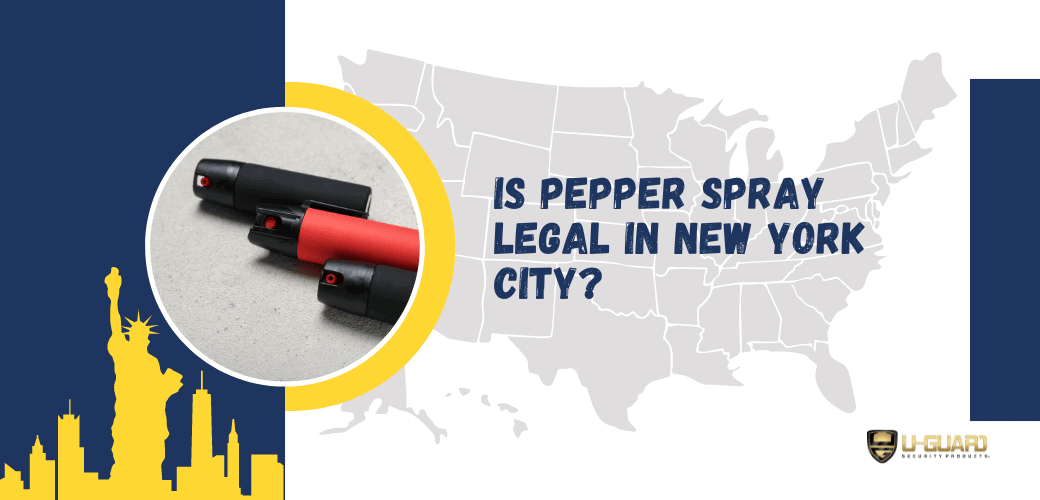
The question, “Is pepper spray illegal in New York?” elicits a nuanced answer: it is not entirely illegal, but its possession and purchase are subject to stringent regulations. These laws are primarily governed by New York State Penal Law, which applies across all boroughs and counties, including New York City. There isn’t a separate, more restrictive city ordinance that outright bans it beyond state law, but understanding the state’s specific conditions is crucial.
Key Restrictions on Possession and Purchase:
- Age Requirement: To legally possess or purchase pepper spray in New York, an individual must be at least 18 years old. This is a strict requirement, and minors found with pepper spray can face legal consequences.
- No Felony Conviction: Individuals with a prior conviction for a felony or an assault are explicitly prohibited from possessing pepper spray. This restriction aims to prevent those with a history of violent crime from acquiring such devices.
- Licensed Vendors Only: This is perhaps the most distinctive and crucial aspect of New York’s law. Pepper spray must be purchased in New York State from an authorized seller. This typically means a licensed pharmacist or a licensed firearms dealer. Buying pepper spray online, through mail order, or bringing it in from another state where it was legally purchased is generally against the law. The intent behind this regulation is to control the distribution chain and ensure that only suitable individuals acquire the product.
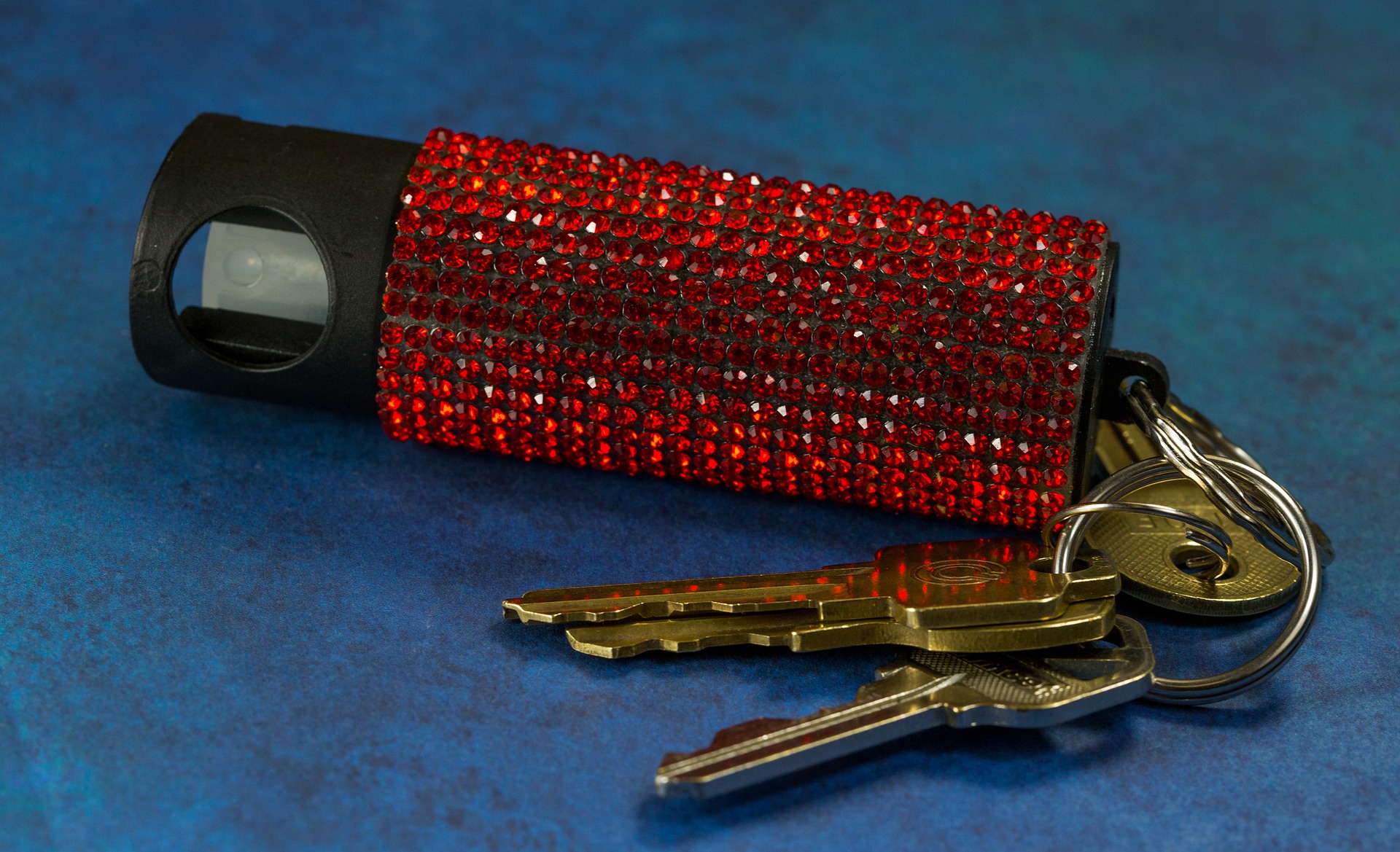
- Size and Potency Limits: New York law also imposes restrictions on the type and strength of pepper spray. It must be “personally incapacitating gas” as defined by law, typically containing Oleoresin Capsicum (OC). The container cannot exceed a specific size (usually 0.75 ounces or 3/4 of an ounce by weight) and must be designed for self-defense, not for incapacitating multiple individuals or causing substantial harm. Large, “bear spray” style canisters are definitely not permitted for personal use.
- Types of Pepper Spray: While the term “pepper spray” is widely used, the legal term often refers to “self-defense spray” or “personally incapacitating gas.” This typically includes products with OC (Oleoresin Capsicum). Other types of chemical sprays, such as Mace (which historically contained CN gas, though modern Mace products often use OC), fall under similar regulations. The key is that the product must be specifically marketed and sold for self-defense under New York State guidelines.
Legitimate Use and Penalties for Misuse:
Pepper spray is legally intended solely for self-defense against an attack or perceived imminent threat. It is not to be used offensively, as a prank, or in any situation where there isn’t a genuine threat to personal safety. Misuse of pepper spray can lead to serious legal repercussions, ranging from misdemeanor charges to potential felony charges depending on the severity of harm caused and the intent. Penalties can include significant fines, jail time, and a criminal record, which can severely impact future travel, employment, and personal freedoms. The law is clear: legitimate self-defense, and nothing more.
Pepper Spray and the Responsible Traveler
For those visiting New York, particularly from states or countries with more lenient pepper spray laws, the regulations can be a source of confusion. Travelers often consider carrying pepper spray for an added layer of security, especially when exploring unfamiliar destinations, venturing out alone, or navigating late-night environments. However, understanding New York’s specific rules is vital to avoid unintended legal issues.
Purchase and Possession for Visitors:
As previously stated, pepper spray must be purchased from a licensed vendor within New York State. This means if you legally own pepper spray in another state or country, you cannot simply bring it with you into New York and possess it here. Doing so would violate the state’s purchase requirements and could lead to legal trouble. For tourists, this often means if they wish to carry pepper spray, they would need to locate a licensed pharmacist or firearms dealer upon arrival in New York and purchase a compliant product, provided they meet all other criteria (age, no felony conviction). This is often impractical for short-term visitors.
Air Travel Concerns:
Beyond state-specific laws, air travel presents its own set of strict regulations regarding pepper spray. The Transportation Security Administration (TSA) has clear guidelines:
- Carry-on Baggage: Pepper spray is absolutely forbidden in carry-on baggage. Any attempt to bring it through security will result in its confiscation and potential further questioning.
- Checked Baggage: Small containers of self-defense spray (no more than 4 fluid ounces) are permitted in checked baggage only if they are equipped with a safety mechanism to prevent accidental discharge and are enclosed in a secure, spill-proof container. Even then, airlines may have their own additional restrictions, so it’s always best to check directly with your carrier before flying. Given New York’s purchase laws, bringing pepper spray into New York via checked baggage after an out-of-state purchase would still likely violate New York State law upon arrival.
Alternatives for Personal Safety:
Given the complexities and restrictions surrounding pepper spray in New York, many travelers opt for alternative personal safety measures that are equally, if not more, effective and entirely legal.
- Situational Awareness: This is often cited as the most crucial self-defense tool. Being aware of your surroundings, avoiding distractions (like excessive phone use), and trusting your intuition can prevent many dangerous situations.
- Personal Safety Alarms: Small, portable devices that emit a loud, piercing sound when activated can deter potential attackers and draw attention. These are legal, easy to carry, and do not involve chemical irritants.
- Self-Defense Classes: Even basic self-defense techniques can significantly boost confidence and provide practical skills to escape a dangerous encounter. Many online resources and local studios offer introductory courses.
- Travel Insurance: While not a self-defense tool, comprehensive travel insurance can provide peace of mind by covering medical emergencies, theft, and other unforeseen incidents that might impact your safety and well-being.
- Buddy System: Whenever possible, especially during late-night outings, exploring with a companion or group can significantly enhance safety.
Navigating New York Safely: Beyond Self-Defense Tools
While the legalities of pepper spray are an important consideration, overall safety in New York extends far beyond carrying a self-defense device. A proactive approach that incorporates smart choices, awareness, and utilizing available resources is the most effective strategy for an enjoyable and secure travel experience.
Embracing Urban Exploration with Confidence
New York City is designed for exploration, with its world-class attractions, diverse neighborhoods, and endless cultural offerings. Embracing this vibrant energy confidently means making informed decisions about where you stay, how you move around, and how you engage with your environment.
Choosing Safe Accommodations:
Your choice of accommodation is foundational to a safe trip. When booking a hotel, apartment, or resort, consider:
- Location: Research the neighborhood. Areas like Midtown Manhattan, the Upper West Side, and parts of Downtown Brooklyn are generally well-lit, heavily trafficked, and perceived as very safe for tourists. Review crime statistics if available for specific areas you are considering.
- Reviews: Pay close attention to reviews related to safety, especially from solo travelers or families. Look for comments about the neighborhood at night, the security of the building, and the responsiveness of staff.
- Amenities: Prioritize hotels with 24/7 front desk service, secure key-card access to floors, and visible security measures. If you’re staying in a vacation rental, ensure the host provides clear safety instructions and emergency contacts.
- Proximity to Public Transport: Staying near major subway lines or bus stops, particularly those with frequent service, can reduce the need to walk long distances in unfamiliar areas, especially after dark.
Public Transportation Safety:
The Metropolitan Transportation Authority (MTA) subway and bus system is the lifeblood of New York City, an efficient way to traverse the vast urban landscape. While generally safe, some common-sense tips enhance security:
- Avoid Empty Cars: On subway trains, especially late at night, opt for cars with other passengers.
- Stay Alert: Keep an eye on your belongings, and be mindful of people around you. Avoid wearing headphones that completely block out ambient sound.
- Platform Safety: Stand clear of the platform edge.
- Know Your Route: Plan your journey in advance using apps like Google Maps or Apple Maps to minimize confusion and avoid looking lost.
Nightlife and Dining:
New York’s nightlife is legendary, from the bright lights of Times Square to the intimate jazz clubs of Greenwich Village. To enjoy it safely:
- Stay in Well-Lit, Populated Areas: Stick to main streets and areas with significant foot traffic, particularly when walking between venues.
- Travel in Groups: If possible, venture out with friends.
- Reputable Establishments: Choose bars, restaurants, and clubs with good reviews and a visible security presence.
- Moderation: Be mindful of alcohol consumption, as impaired judgment can increase vulnerability.
Common Scams and Petty Crime:
Like any major tourist destination, New York has its share of petty crime and scams targeting visitors.
- Pickpocketing: Be extra vigilant in crowded areas like Times Square, subway stations, and major attractions. Keep wallets in front pockets, use cross-body bags, and never leave phones or valuables unattended.
- Distraction Scams: Be wary of individuals who try to distract you (e.g., asking for directions while another person attempts to pickpocket).
- Overpriced Merchandise: Be cautious of street vendors selling seemingly discounted electronics or designer goods; they are often counterfeit or part of a scam.
Resources and Tips for a Secure New York Experience
Beyond personal vigilance, several resources and proactive measures can significantly contribute to a secure visit to New York.
- Emergency Services: Always know that 911 is the number for all emergencies (police, fire, medical). It’s a free call from any phone.
- Local Law Enforcement: The New York City Police Department (NYPD) maintains a visible presence throughout the city. Don’t hesitate to approach an officer if you need assistance or feel unsafe. They are there to help.
- Travel Apps: Utilize navigation apps, ride-sharing apps (like Uber or Lyft – verify your driver and car), and communication apps to stay connected with loved ones. Many safety apps also allow you to share your location with trusted contacts.
- Staying Informed: Before and during your trip, check local news and official travel advisories. While New York is generally safe, being aware of any specific issues or large-scale events can help you plan accordingly.
- The Power of Community: Don’t underestimate the value of local recommendations. Hotel concierge staff, restaurant servers, and even fellow tourists can offer valuable insights into safe practices and areas to avoid. Engage with locals respectfully; they often hold the best tips for navigating their city.
The Broader Context of Travel Safety and Lifestyle
Ultimately, travel safety is an integral part of a fulfilling travel lifestyle. It’s about more than just avoiding danger; it’s about empowering yourself to explore confidently, immerse in local cultures, and create unforgettable memories without undue worry.
Responsible Travel and Ethical Considerations
The conversation around self-defense tools like pepper spray often overlooks the broader philosophy of responsible travel.
- Beyond Fear: While valid safety concerns exist, it’s essential not to let fear dictate your travel experience. New York is, statistically, a very safe city, and focusing solely on potential threats can detract from its immense beauty and vibrant energy. A balanced perspective, emphasizing preparedness over paranoia, is key.
- Respecting Local Laws: Understanding and adhering to the local laws of your destination is a fundamental aspect of responsible tourism. New York’s pepper spray laws are designed to maintain public safety, and visitors have an ethical obligation to respect them, even if they differ from regulations in their home country or state.
- Impact on the Travel Experience: Constantly worrying about carrying a prohibited item or being overly focused on potential threats can diminish the joy of travel. The freedom to explore without legal anxieties or heightened stress allows for a more authentic and enjoyable interaction with the destination.
Personal Safety as a Lifestyle Choice
True personal safety is less about a single tool and more about an ongoing lifestyle choice that integrates awareness, confidence, and preparedness into daily life, whether at home or abroad.
- Situational Awareness: The Ultimate Tool: Cultivating strong situational awareness is arguably the most potent “self-defense tool” one can possess. It involves actively observing your surroundings, identifying potential threats early, and having an escape plan. This skill transcends location and is invaluable in any urban or unfamiliar environment.
- Physical Fitness and Basic Self-Defense: Maintaining a reasonable level of physical fitness can enhance your ability to react to dangerous situations, whether it’s running away or physically defending yourself. Enrolling in basic self-defense courses can equip you with practical, non-lethal techniques that can be applied legally and effectively. These skills empower you with confidence that doesn’t rely on external devices.
- Trusting Your Gut: Intuition is a powerful safety mechanism. If a situation or a person feels “off,” trust that feeling and remove yourself from the situation. It’s always better to err on the side of caution than to dismiss an uneasy feeling.
- Mindset of Preparedness: Adopt a mindset that prioritizes preparedness without succumbing to fear. This means having an emergency plan, knowing local emergency numbers, informing someone of your itinerary, and being ready to adapt to unexpected circumstances.
In conclusion, while pepper spray is not entirely illegal in New York, its strict purchase and possession laws make it a complex and often impractical self-defense option for many travelers. Instead of relying on a potentially problematic device, embracing comprehensive safety strategies—including situational awareness, wise travel choices, and utilizing readily available resources—offers a far more effective and stress-free path to experiencing the wonders of New York. By prioritizing proactive safety measures, travelers can confidently immerse themselves in the rich tapestry of culture, attractions, and experiences that the Empire State so abundantly provides.
LifeOutOfTheBox is a participant in the Amazon Services LLC Associates Program, an affiliate advertising program designed to provide a means for sites to earn advertising fees by advertising and linking to Amazon.com. Amazon, the Amazon logo, AmazonSupply, and the AmazonSupply logo are trademarks of Amazon.com, Inc. or its affiliates. As an Amazon Associate we earn affiliate commissions from qualifying purchases.