
New York, the vibrant heartbeat of the United States, operates on Eastern Time. This means that throughout the year, the state, including its iconic metropolis, New York City, observes either Eastern Standard Time (EST) or Eastern Daylight Time (EDT). Understanding this time zone is not merely a matter of checking a clock; it’s a fundamental aspect of planning any visit, from managing jet lag to scheduling critical business stays or maximizing your sightseeing opportunities. For anyone engaged in travel, tourism, or simply curious about the lifestyle of one of the world’s most dynamic destinations, grasping New York’s time zone is essential.
This comprehensive guide will delve into the intricacies of New York’s time zone, exploring its practical implications for travelers, businesses, and locals alike. We’ll cover everything from the technical specifics of EST and EDT to how time differences can influence your itinerary, accommodation choices, and overall experience in the Empire State. Whether you’re planning a luxury travel escape to world-class hotels or a budget travel adventure exploring hidden gems, navigating time effectively is your first step towards a successful New York adventure.
Understanding New York’s Time Zone: EST and EDT
The time zone observed in New York isn’t static year-round. Like many regions across the globe, it adjusts seasonally to accommodate Daylight Saving Time. This shift plays a significant role in daily life and travel planning.
The Basics: Eastern Standard Time (EST) and Eastern Daylight Time (EDT)
For approximately half the year, from early November to mid-March, New York observes Eastern Standard Time (EST). This time is designated as UTC-5, meaning it is five hours behind Coordinated Universal Time (UTC). During this period, when clocks “fall back,” mornings are brighter, and evenings arrive earlier. This can impact the optimal times for visiting certain outdoor landmarks or catching a sunset view from an observatory.
Conversely, from mid-March to early November, New York switches to Eastern Daylight Time (EDT). During this phase, clocks “spring forward” by one hour, making the offset UTC-4. The primary purpose of Daylight Saving Time is to make better use of daylight, pushing sunsets later into the evening. For tourists, this means more daylight hours for sightseeing after a day of meetings or longer evenings for enjoying outdoor dining and nightlife. The transition happens predictably: on the second Sunday in March, clocks move forward from 2:00 AM EST to 3:00 AM EDT, and on the first Sunday in November, they fall back from 2:00 AM EDT to 1:00 AM EST. Being aware of these precise dates is crucial if your travel dates straddle these transitions, as it can affect flight schedules and pre-booked activities.
Geographical Context and Time Zone Boundaries
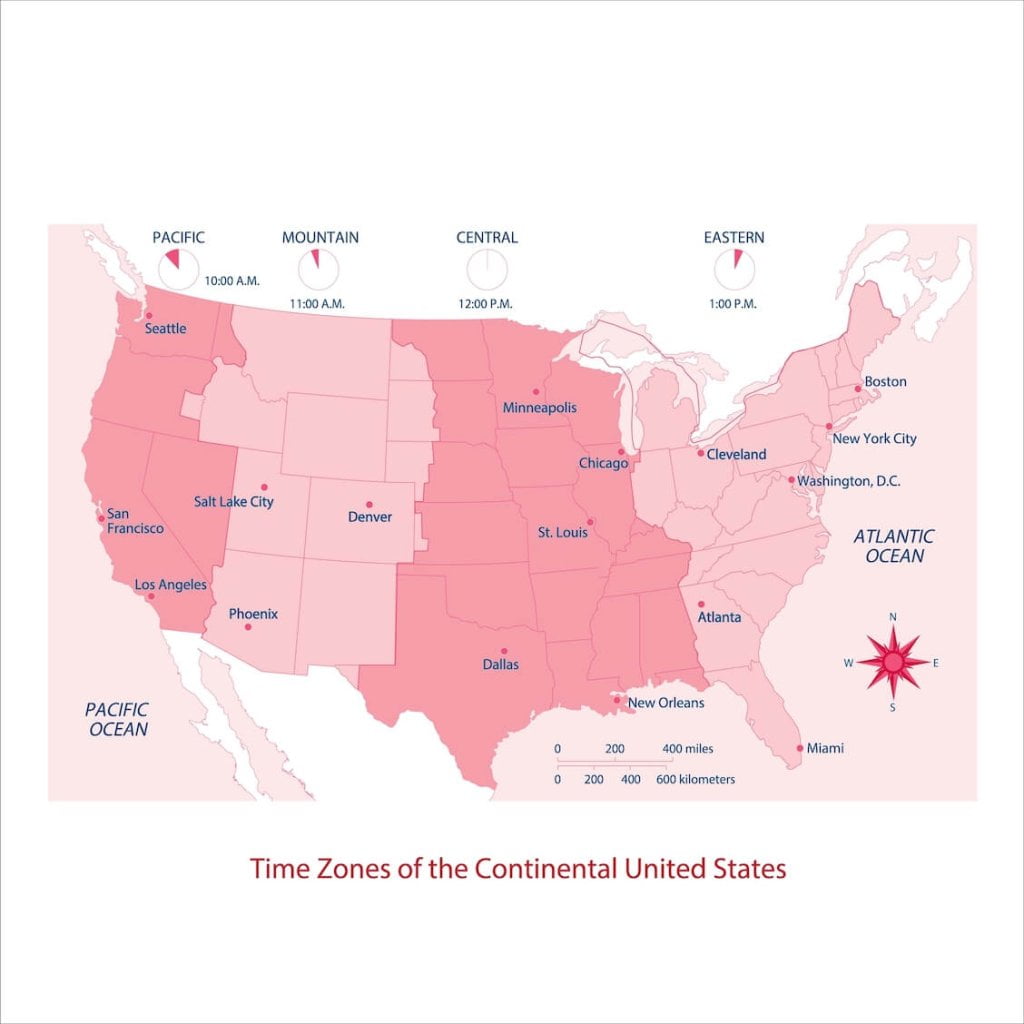
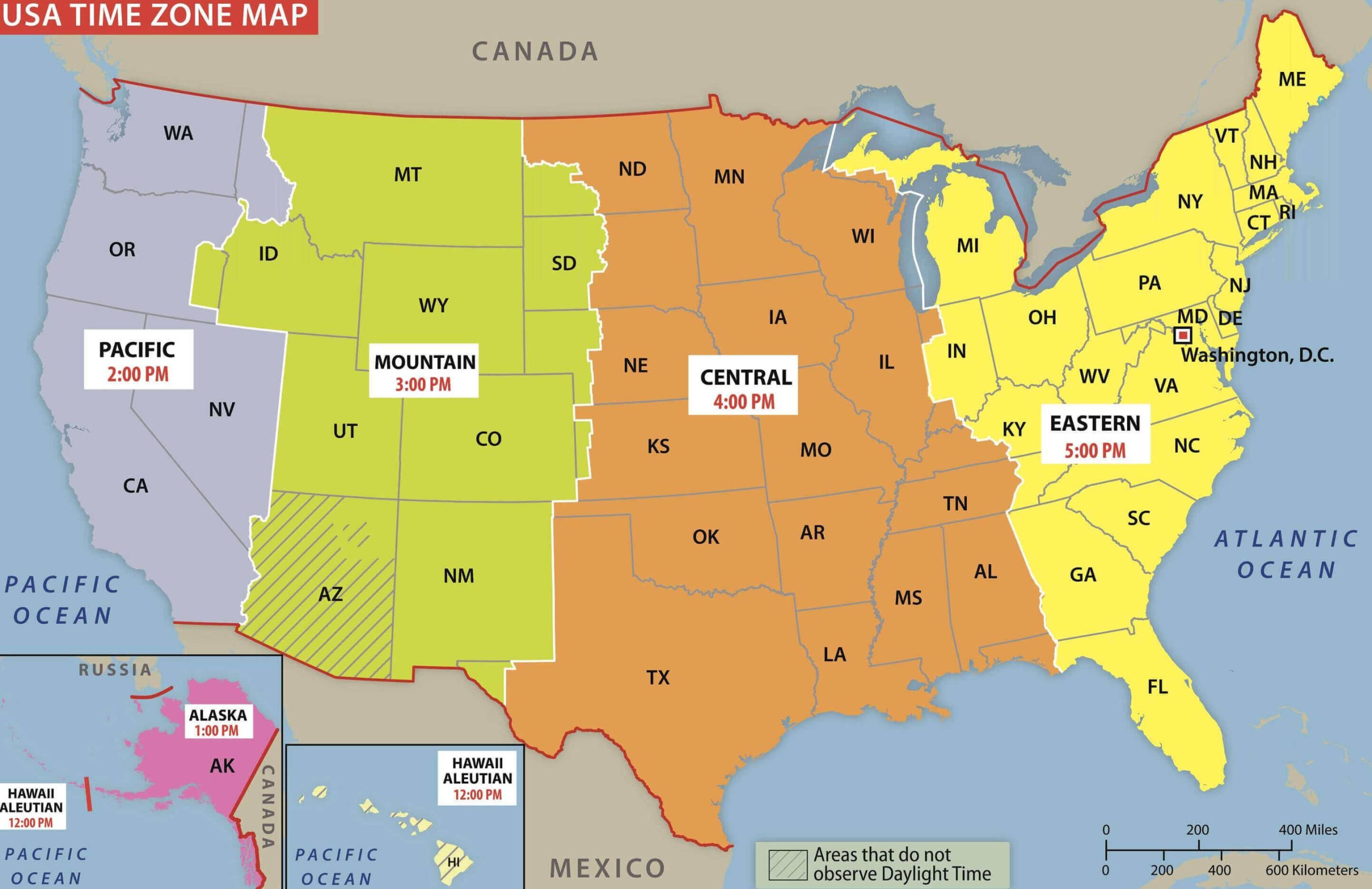
The Eastern Time Zone is one of four primary time zones in the continental United States, encompassing states along the East Coast and extending inland. Beyond New York, it includes states like Florida, Georgia, Pennsylvania, Ohio, and Michigan, among others. It also extends into parts of Canada, including major cities like Toronto and Montreal.
This broad geographical reach means that while coordinating with others within the Eastern Time Zone is straightforward, interactions with the Central Time Zone (UTC-6/-5), Mountain Time Zone (UTC-7/-6), and especially the Pacific Time Zone (UTC-8/-7) in the West Coast require careful consideration. The three-hour difference between New York and California, for example, can significantly impact business stays, affecting conference call schedules and deadlines.
Navigating Time Differences: Implications for Travel and Tourism in New York
For visitors arriving in New York, the time zone difference is often the first and most tangible aspect of their journey. Proper planning can transform potential challenges into a seamless and enjoyable trip.
Managing Jet Lag for a Seamless Arrival
Jet lag is a common adversary for international travelers and those coming from distant parts of the United States. Arriving from Europe or Asia means crossing multiple time zones, severely disrupting your body’s circadian rhythm. A strategic approach to managing jet lag is crucial for enjoying New York City’s myriad attractions from day one.
Consider booking flights that arrive in New York earlier in the day, giving you time to check into your hotel or apartment and immerse yourself in daylight before evening. Immediately adjusting your watch and phone to New York time upon boarding your flight can help mentally prepare you. Once you arrive at JFK Airport, LaGuardia Airport, or Newark Liberty International Airport, try to stay awake until a reasonable local bedtime, even if you’re exhausted. Exposure to natural light during the day helps reset your internal clock.
Choosing the right accommodation can also mitigate jet lag. Many luxury hotels in Manhattan offer superb amenities designed for comfort and rejuvenation. Look for suites with blackout curtains to ensure uninterrupted sleep, soundproofing for peace in the bustling city, and 24-hour room service or in-house restaurants to accommodate unusual meal times. Resorts and high-end hotels like The Plaza Hotel, Mandarin Oriental, or Four Seasons Hotel New York Downtown often have spas, fitness centers, and comfortable beds that can significantly aid in recovery. Even for budget travel options, prioritizing a quiet room with good light control can make a huge difference.
Planning Your Itinerary: Maximizing Your New York Experience
Understanding New York’s time zone is crucial for crafting an efficient and enjoyable itinerary. Famous places and landmarks like the Statue of Liberty, Empire State Building, Museum of Modern Art, or The Metropolitan Museum of Art all have specific opening and closing hours. Missing a ferry to Liberty Island or arriving after the last entry to the Guggenheim Museum due to a time zone miscalculation would be a regrettable oversight.
- Sightseeing & Attractions: Many popular sites, especially museums and galleries, typically open between 9 AM and 10 AM and close between 5 PM and 6 PM. However, some, like the Museum of Modern Art or One World Observatory, might have extended evening hours on certain days. Observatories such as Top of the Rock, Edge NYC, and Empire State Building offer breathtaking sunrise and sunset views, which will vary significantly depending on whether New York is observing EST or EDT. Planning these visits requires checking exact times closer to your date.
- Broadway Shows & Entertainment: Broadway performances typically begin at 7 PM or 8 PM, with matinees on Wednesdays, Saturdays, and Sundays. Understanding the local time is paramount for making curtain calls. Similarly, sporting events at Madison Square Garden or concerts at Radio City Music Hall adhere strictly to Eastern Time schedules.
- Dining Experiences: From a bustling breakfast in Greenwich Village to a late-night supper in SoHo, New York’s culinary scene operates on local time. Reservations for popular restaurants, especially for dinner, are often essential. Being mindful of the time allows you to enjoy world-class food without feeling rushed or missing your slot. Many Local Culture experiences, like exploring Chelsea Market or walking the High Line, also have specific operating hours to consider.
The Time Zone’s Impact on New York’s Lifestyle and Economy
New York’s time zone isn’t just a matter of convenience for tourists; it’s intricately woven into the fabric of the city’s dynamic lifestyle and global economic significance.
Business and Finance: A Global Hub
New York City is a global financial powerhouse, home to Wall Street and the New York Stock Exchange (NYSE). The Eastern Time Zone places it in a strategic position for international trade and communication. During its business day, New York overlaps with the afternoon trading hours in Europe, particularly with London, and the early morning hours in the West Coast. This overlap is crucial for synchronous global markets and facilitating international transactions.
For individuals on business stays in New York, understanding these time differences is paramount. Conference calls with Tokyo might need to be scheduled late at night, while meetings with London partners might fall in the early morning. Business travelers often stay in hotels within the Financial District or Midtown, like Conrad New York Downtown or The St. Regis New York, which offer amenities catering to these demanding schedules, such as high-speed internet, meeting rooms, and efficient concierge services.
Daily Life, Events, and Entertainment
The rhythm of daily life in New York is dictated by Eastern Time. Commuter rush hours, the opening of shops in SoHo or Tribeca, and the peak hours for Central Park activities all align with this zone. Major city events, from the New Year’s Eve ball drop in Times Square to the Macy’s Thanksgiving Day Parade, are broadcast and experienced according to EST/EDT.
New York’s legendary nightlife thrives well into the early morning hours, but even here, the time zone sets the stage. Restaurants might stop serving at 11 PM or midnight, while bars and clubs can remain open until 2 AM or 4 AM, depending on their licenses and location. For those enjoying family trips, managing children’s sleep schedules around these local times can be challenging but essential for a harmonious visit. Many families choose accommodation with kitchenettes, such as apartments or extended-stay suites, to maintain some semblance of routine regardless of time zone adjustment.
Practical Tips for Time Zone Management During Your New York Stay
Making the most of your New York adventure hinges on effective time zone management. A few simple strategies can make a world of difference.
Essential Tools and Strategies
- Adjust Immediately: As soon as your plane departs for New York, set all your devices (phone, watch, laptop) to Eastern Time. This immediate mental shift helps your brain and body begin the adjustment process.
- Utilize World Clock Apps: For coordinating with contacts in other time zones or simply keeping track of home time, a reliable world clock app on your smartphone or smart device is invaluable.
- Strategic Booking of Flights: When possible, book overnight flights from Europe or the West Coast that allow you to sleep on the plane and wake up closer to New York morning. For eastbound flights (e.g., from California), try to arrive in New York early enough to have a full day of activity, pushing through tiredness until a normal bedtime.
- Stay Hydrated and Active: Dehydration can exacerbate jet lag. Drink plenty of water before, during, and after your flight. Light exercise, like walking through Central Park or exploring the Brooklyn Bridge, can also help recalibrate your body.
- Limit Caffeine and Alcohol: While tempting, these can interfere with sleep patterns and worsen jet lag symptoms. Opt for herbal teas or water, especially in the hours leading up to bedtime.
Staying Connected Across Time Zones
Whether you’re in New York for long-term stay or a quick trip, maintaining communication with family, friends, or colleagues back home requires careful planning around time differences.
- Communicate Expectations: Inform those you need to stay in touch with about the time difference. Agree on suitable windows for calls or video chats.
- Set Reminders: Use your phone’s calendar or alarm features to set reminders for scheduled calls, especially when dealing with significant time zone disparities (e.g., calling Asia from New York often means a call late at night or very early in the morning).
- Consider Data Roaming or Local SIM Cards: Ensure you have reliable internet access to use communication apps (WhatsApp, FaceTime, Skype) without incurring exorbitant roaming charges. Many hotels provide free Wi-Fi, and it’s generally available in public spaces like Grand Central Terminal or various cafes.
In conclusion, knowing “What is the time zone of New York?” is far more than a trivial piece of information. It is the groundwork for efficient travel planning, a factor in effective business stays, and a key ingredient in maximizing your tourism experience in this extraordinary city. By understanding EST and EDT, anticipating the effects of jet lag, and strategically scheduling your days, you can ensure your visit to New York is as vibrant and memorable as the city itself. From exploring iconic landmarks to savoring the local culture and dining experiences, mastering the clock will empower you to embrace every moment.
LifeOutOfTheBox is a participant in the Amazon Services LLC Associates Program, an affiliate advertising program designed to provide a means for sites to earn advertising fees by advertising and linking to Amazon.com. Amazon, the Amazon logo, AmazonSupply, and the AmazonSupply logo are trademarks of Amazon.com, Inc. or its affiliates. As an Amazon Associate we earn affiliate commissions from qualifying purchases.