
The question of “When did New York become a state?” is more than just a date; it’s an invitation to explore a rich tapestry of history that profoundly shaped not only the United States but also the cultural, economic, and social fabric visitors experience today. The definitive answer is July 26, 1788, when New York became the 11th state to ratify the United States Constitution. This momentous event, however, was the culmination of over a century and a half of dynamic colonial growth, fierce revolutionary struggle, and intense political debate.
For travelers, historians, and culture enthusiasts alike, understanding this journey transforms a visit to New York from a simple vacation into an immersive exploration of the very foundations of a nation. From the bustling streets of New York City to the serene landscapes of Upstate New York and the historic charm of the Hudson Valley, the echoes of this formative period are everywhere, inviting visitors to delve deeper into its past.
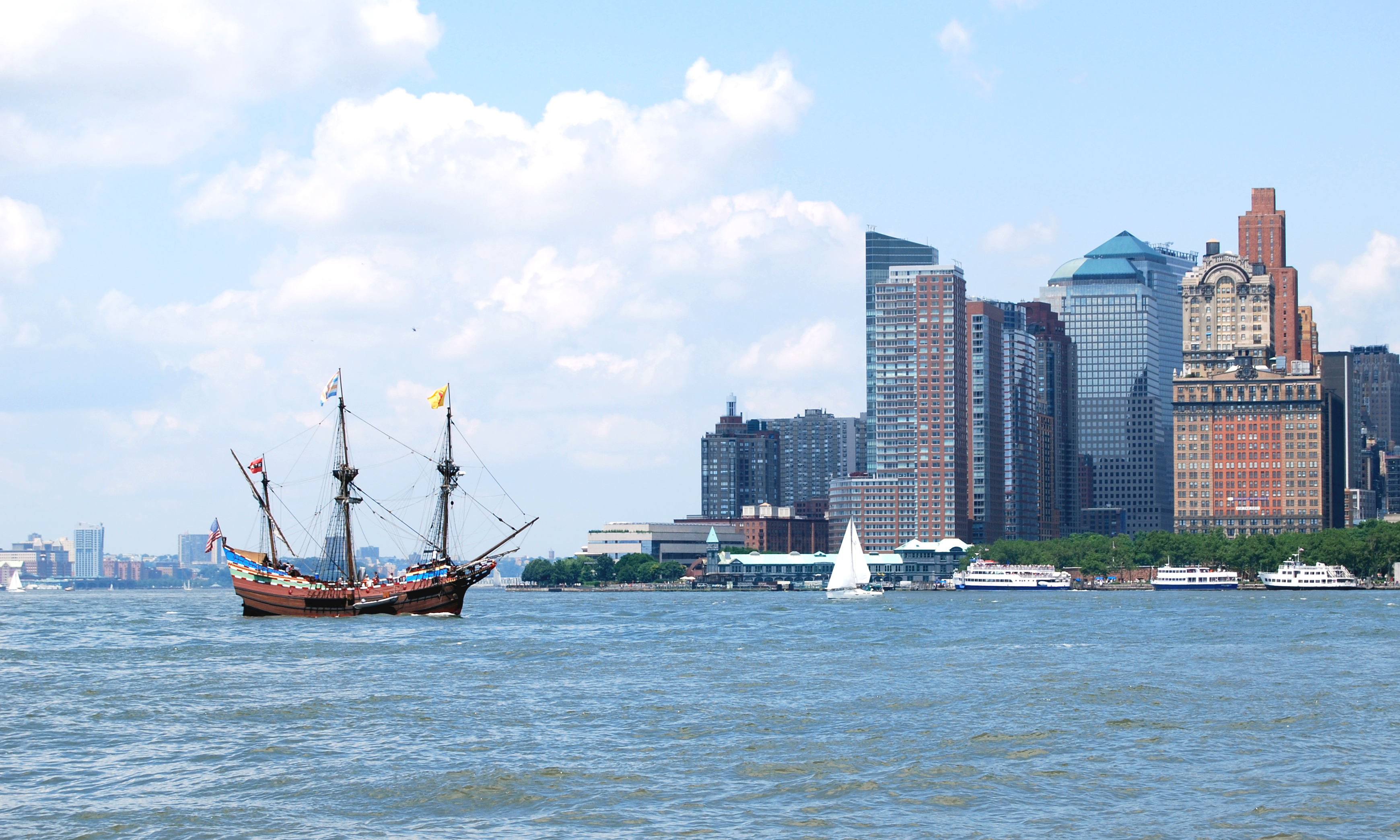
The Dawn of a Colony: From New Netherland to British New York
Long before it was a state, New York was a vital crossroads for European powers and indigenous peoples, laying the groundwork for its future diversity and strategic importance. The story of its statehood begins not with independence, but with colonization.
Early European Settlement and Dutch Roots
The first Europeans to establish a lasting presence in the region were the Dutch. In the early 17th century, the Dutch West India Company founded the colony of New Netherland, with its primary settlement, New Amsterdam, strategically located at the southern tip of what is now Manhattan Island. This nascent port, established in 1624, quickly became a thriving hub for trade, particularly furs, due to its access to the Hudson River. It was famously “purchased” by Peter Minuit in 1626, a transaction that has been both celebrated and scrutinized through history.
New Amsterdam’s character was remarkably cosmopolitan from its inception, a testament to Dutch tolerance and mercantile ambitions. Settlers from various European countries and enslaved Africans lived and worked alongside each other, contributing to a vibrant, if sometimes tumultuous, society. This early multiculturalism set a precedent for the modern New York that continues to attract travelers seeking diverse cultural experiences, local cuisine influenced by global traditions, and a dynamic urban lifestyle. Exploring historical sites like Fraunces Tavern in New York City, originally a private residence built in 1719, offers a tangible link to this early era, even though it predates the state’s formation.

British Takeover and Colonial Expansion
The Dutch reign, however, was relatively brief. In 1664, amid Anglo-Dutch wars, a powerful English fleet sailed into New Amsterdam’s harbor. Despite the determined leadership of Governor Peter Stuyvesant, the colonists, who had grown weary of his authoritarian rule, offered little resistance. The colony was surrendered without a shot fired. King Charles II of England granted the territory to his brother, James, the Duke of York, from whom the colony and subsequent state would derive its enduring name: New York.
Under British rule, New York continued its growth as a crucial port and agricultural center within the expanding British Empire. The city itself became a hub of commerce and political activity, while vast tracts of land were settled further north and west. This period saw the establishment of many of the historic towns and architectural styles still admired today, making New York a treasure trove for those interested in landmarks and historical travel. Many historic inns and boutique hotels throughout the Hudson Valley and Upstate New York offer a chance to experience accommodation in buildings that once housed colonial travelers, blending historical ambiance with modern amenities.

The Crucible of Revolution: New York’s Pivotal Role
As tensions between the American colonies and Great Britain escalated, New York’s strategic importance made it a central theater in the American Revolution. The experiences of war and the struggle for self-governance forged the identity of a future state.
Key Battles and Strategic Importance
New York’s geographical location, with the deep-water port of New York City and the vital Hudson River corridor extending far north, was a military prize for both sides. Control of this corridor would effectively split the rebellious colonies in two, a key British strategy. Consequently, New York bore witness to some of the most critical and devastating battles of the war.
In 1776, General George Washington and his Continental Army suffered a series of defeats in New York, including the Battle of Long Island and the Battle of White Plains, forcing them to retreat across the Hudson and eventually through New Jersey. New York City itself remained under British occupation for the majority of the war, serving as a loyalist stronghold and a naval base.
However, it was the Battle of Saratoga in 1777, fought in Upstate New York, that proved to be the decisive turning point. The surrender of British General John Burgoyne’s forces convinced France to formally ally with the American cause, providing much-needed military and financial support that ultimately secured American independence. Today, the Saratoga National Historical Park stands as a poignant landmark, offering visitors a chance to walk the battlefields and understand the profound impact of this victory. Other significant sites include Fort Ticonderoga, a key frontier outpost, and West Point, which George Washington recognized as critical for controlling the Hudson River. These destinations are prime examples of historical attractions that cater to family trips, educational tourism, and those interested in military history.
From Colonial Assembly to Revolutionary Government
Before the war, New York, like other colonies, had a representative assembly, but ultimate authority lay with the British Crown and Parliament. As the break with England became inevitable, a provisional government, the New York Provincial Congress, took shape. This body evolved to govern the state during the war, even as its members often had to flee British advances.
On July 9, 1776, after receiving news of the Declaration of Independence from the Continental Congress, the New York Provincial Congress officially endorsed it, thereby formally severing ties with Great Britain. In 1777, with much of the state under military occupation, a state constitution was drafted in Kingston, establishing the framework for an independent New York. This constitution, with its strong Declaration of Rights, reflected the revolutionary ideals that were sweeping the fledgling nation. The first governor of the independent state of New York was George Clinton, who would serve multiple terms and become a prominent figure in the post-war political landscape.
A State Is Born: Ratification and the Foundation of a Nation
With independence won, the challenge shifted from fighting a war to building a cohesive nation. This period, from the end of the Revolutionary War to the ratification of the United States Constitution, was marked by intense debate and the forging of a new political order.
The Constitutional Convention and State Debates
Following the war, the initial governing document of the United States, the Articles of Confederation, proved insufficient. Its weaknesses—a weak central government, inability to levy taxes, and lack of a strong executive—led to widespread economic instability and inter-state disputes. Recognising the need for a stronger national framework, delegates from twelve states (Rhode Island notably abstained) gathered in Philadelphia in 1787 for the Constitutional Convention.
New York’s delegation to this convention included the brilliant and influential Alexander Hamilton, a staunch advocate for a strong federal government, as well as John Lansing Jr. and Robert Yates, who were more wary of centralized power and eventually left the convention. Hamilton played a pivotal role in arguing for the new constitution, later co-authoring the immensely influential Federalist Papers with James Madison and John Jay. These essays, published in New York newspapers, eloquently articulated the principles and benefits of the proposed constitution, becoming a cornerstone of American political thought.
The ratification debate within New York was fiercely contested. The state was deeply divided between Federalists, who supported the new constitution, and Anti-Federalists, who feared a powerful central government and advocated for stronger state sovereignty and a bill of rights. Leading Anti-Federalists in New York included Governor George Clinton and Melancton Smith, whose arguments against the constitution were formidable. The stakes were incredibly high; without New York, a large and economically powerful state, the new nation would be geographically fragmented and politically unstable.
July 26, 1788: A Defining Moment
The crucial moment arrived at the Poughkeepsie Convention, where New York’s delegates debated the United States Constitution. Despite the initial numerical advantage of the Anti-Federalists, the persuasive arguments of Alexander Hamilton and the news that other states, particularly Virginia, had already ratified, swayed public opinion. The fear of being left out of the Union, combined with the promise of amendments (which would become the Bill of Rights), ultimately tipped the balance.
On July 26, 1788, by a narrow vote of 30 to 27, New York ratified the United States Constitution. This act made New York the 11th state to join the nascent United States, solidifying the foundation of the federal republic. The celebrations that followed in New York City were exuberant, marking the triumph of a long and arduous process.
Soon after, New York City briefly served as the first capital of the United States, and it was at Federal Hall on Wall Street that George Washington’s Inauguration took place on April 30, 1789. This period cemented New York’s role at the heart of the new nation’s political and economic life.
Exploring New York’s Storied Past Today: Travel, Culture, and Landmarks
The profound history of New York’s journey to statehood is not confined to history books; it lives and breathes in its landscapes, cities, and cultural institutions, offering endless opportunities for travel and discovery.
Historical Destinations for Every Traveler
For those eager to trace the footsteps of history, New York offers a wealth of destinations. New York City itself, with its iconic Statue of Liberty symbolizing freedom and welcoming immigrants, and Ellis Island telling tales of arrival, serves as a gateway to understanding America’s development. Beyond these, visitors can explore Federal Hall National Memorial where George Washington took his oath, or the historic streets of Lower Manhattan that once bustled with colonial life.
Moving Upstate, the state capital of Albany and the former revolutionary capital of Kingston offer rich insights into early American governance and architecture. Battlefields like Saratoga National Historical Park, Fort Ticonderoga, Fort Stanwix National Monument, and Washington’s Headquarters State Historic Site provide vivid landscapes where critical events unfolded. The Hudson Valley, with its historic estates and picturesque towns, invites travelers to explore the grandeur of a bygone era. Even destinations further afield, like those along the Erie Canal, speak to the state’s post-statehood growth and economic power. Whether you’re planning a budget-friendly family trip to a state park or a luxurious guided tour of historical mansions, New York’s diverse offerings cater to every travel style.
Immersive Stays: Accommodations with a Sense of History
To truly immerse oneself in New York’s historical narrative, consider staying in accommodations that resonate with its past. Many charming historic inns and boutique hotels throughout the Hudson Valley, Finger Lakes region, and Upstate New York offer more than just a place to sleep; they provide an experience. Imagine waking up in a former colonial-era homestead, a renovated 18th-century farmhouse, or a grand hotel that has hosted generations of travelers.
For those seeking luxury travel, properties like Mohonk Mountain House or historic New York City hotels such as The St. Regis New York or The Carlyle offer opulent stays that connect to the state’s later Gilded Age and beyond, while still being perfectly positioned for exploring earlier historical sites. When booking, look for hotels that highlight their history or proximity to landmarks in their descriptions and reviews. Many provide special packages that include historical tours or local experiences, enhancing your stay.
Experiencing the Legacy: Food, Festivals, and Lifestyle
The legacy of New York’s statehood extends into its vibrant culture, food, and modern lifestyle. Visitors can engage with this history through numerous activities and experiences:
- Museums and Cultural Institutions: The New-York Historical Society, the New York State Museum in Albany, and even world-renowned institutions like the Metropolitan Museum of Art (which houses extensive American collections) offer deep dives into the state’s past.
- Historical Reenactments and Festivals: Throughout the year, especially during summer and fall, various sites host reenactments of Revolutionary War battles and colonial life festivals, offering immersive activities perfect for family trips and educational tourism.
- Culinary Journeys: Discover the influences of Dutch, British, and early American cooking in local eateries and specialty food tours. From traditional taverns to farm-to-table restaurants that highlight the bounty of New York’s agricultural regions, food is a delicious window into the past.
- Walking Tours: Guided walking tours in historic districts of New York City, Albany, and Kingston provide expert insights and bring the stories of founding fathers, revolutionaries, and early settlers to life.
Understanding “When did New York become a state?” is not just about a date; it’s about appreciating the resilience, vision, and diversity that forged one of America’s most influential states. From the strategic waters of the Hudson to the halls of political debate, New York’s past is an open book, inviting travelers to explore, learn, and connect with the very essence of American history. Planning your next trip around these historical themes will undoubtedly enrich your experience, offering a unique blend of travel, culture, and a profound appreciation for a legacy that continues to shape the modern world.
LifeOutOfTheBox is a participant in the Amazon Services LLC Associates Program, an affiliate advertising program designed to provide a means for sites to earn advertising fees by advertising and linking to Amazon.com. Amazon, the Amazon logo, AmazonSupply, and the AmazonSupply logo are trademarks of Amazon.com, Inc. or its affiliates. As an Amazon Associate we earn affiliate commissions from qualifying purchases.