
Florida, often celebrated as the Sunshine State, is a tapestry of vibrant cities, pristine beaches, dense natural preserves, and world-renowned attractions. For anyone planning a trip, considering a move, or simply curious about its geography, a fundamental question often arises: how many counties are in Florida? The answer is 67. These 67 distinct administrative divisions each contribute to the state’s unique character, offering a diverse range of experiences for every type of traveler and resident. Understanding Florida’s county system is more than just a geographic exercise; it’s a key to unlocking the myriad travel destinations, accommodation options, and lifestyle opportunities that abound across this beloved peninsula.
From the bustling metropolitan hubs of South Florida to the tranquil, historic towns of the Panhandle, each county tells a different story. For those interested in travel, these divisions delineate distinct regions, each with its own local culture, attractions, and tourism appeal. Whether you’re seeking luxury resorts, budget-friendly hotels, immersive cultural activities, or breathtaking natural landmarks, Florida’s counties serve as practical guides to discovering the perfect spot for your next adventure.
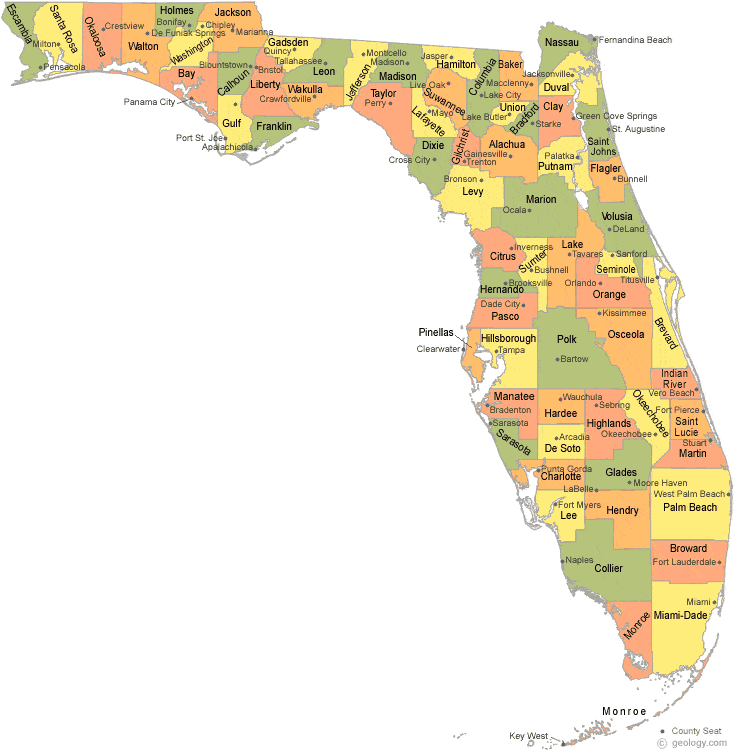
The Sunshine State’s 67 Counties: A Geographic Overview
Florida’s counties are not just lines on a map; they represent distinct communities, ecosystems, and economic centers that collectively form the fabric of the state. The evolution of these counties reflects centuries of history, from early Spanish exploration to the modern era of rapid development and tourism.
Origins and Evolution of Florida’s County System
The territorial history of Florida dates back to its designation as a U.S. territory in 1822. Initially, the territory was divided into just two counties: Escambia County in the west and St. Johns County in the east, with the dividing line roughly following the Suwannee River. As the population grew and settlements expanded, new counties were steadily carved out of existing ones to better serve local governance and community needs. This process continued through Florida’s statehood in 1845 and into the 20th century, with the last county, Gilchrist County, being established in 1925.
Each county holds its own administrative seat, known as the county seat, which typically houses government offices and judicial facilities. These seats, often vibrant cities themselves, serve as central points for their respective regions. For instance, Miami is the county seat of Miami-Dade County, Orlando for Orange County, and Tallahassee for Leon County. Understanding this structure helps travelers navigate the state, as many major attractions and accommodation hubs are often associated with specific county seats or prominent cities within them.
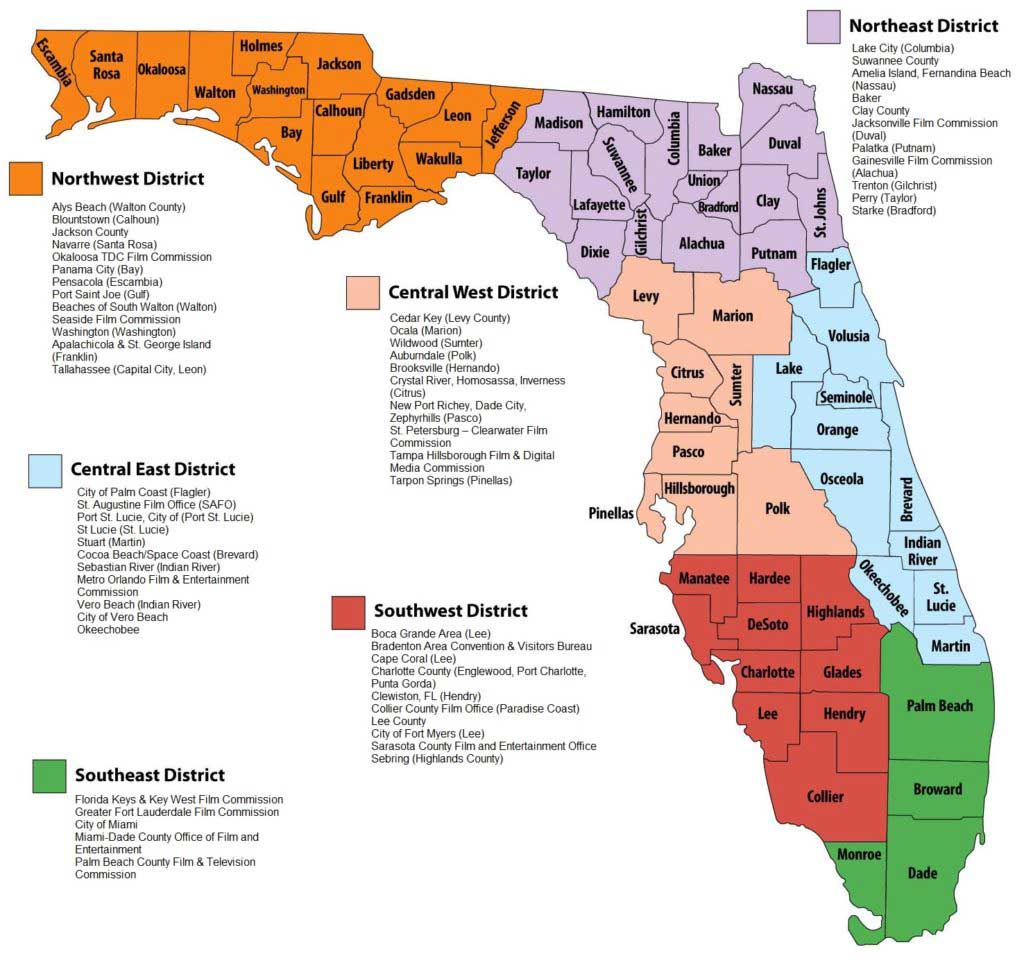
Understanding County Divisions for Travelers
For travelers, the county divisions offer a practical framework for planning itineraries and understanding regional differences. Instead of simply thinking of Florida as a monolithic destination, segmenting it by county allows for a more nuanced exploration of its diverse offerings. Different counties specialize in different types of tourism. For example, Orange County is synonymous with theme parks, while Monroe County defines the laid-back, aquatic lifestyle of the Florida Keys.
This geographical segmentation influences everything from local cuisine and cultural events to the types of hotels and resorts available. Knowing which county you’re in can provide immediate context about the local vibe, typical attractions, and even seasonal variations in tourism. It also helps in choosing the right accommodation, whether you’re looking for a sprawling resort on the Gulf Coast in Collier County or a quaint bed and breakfast in historic St. Augustine in St. Johns County.
Exploring Florida Through Its Diverse Counties
Florida’s 67 counties are like individual chapters in a captivating book, each with its own story, landscape, and attractions. From world-class entertainment to untouched natural beauty, here’s a glimpse into the incredible diversity found across the Sunshine State.
Iconic Counties for Theme Parks and Entertainment
When most people think of Florida tourism, theme parks often come to mind, and for good reason. The central part of the state is home to some of the world’s most famous entertainment complexes, primarily concentrated in just a few counties.
- Orange County: This is arguably Florida’s most famous county, largely because it’s home to the bulk of Walt Disney World Resort, Universal Orlando Resort, and SeaWorld Orlando. Beyond the theme parks, Orlando offers a plethora of hotels, from luxury suites at the Waldorf Astoria Orlando to family-friendly resorts like Gaylord Palms Resort & Convention Center. The sheer volume of attractions and accommodation options here makes it a central hub for family trips and tourism.
- Osceola County: Immediately south of Orange County, Osceola County also plays a significant role in the theme park landscape, hosting parts of Walt Disney World Resort and offering extensive vacation rental properties and hotels geared towards visitors to the parks. Cities like Kissimmee provide more budget-friendly accommodation and access to various airboat tours and other outdoor activities that showcase Florida’s natural side.
- Hillsborough County: On Florida’s Gulf Coast, Hillsborough County is best known for Tampa, a major city that boasts Busch Gardens Tampa Bay, a popular theme park combining thrill rides with a zoo. The county also offers a vibrant urban experience, including Historic Ybor City, cultural attractions, and a wide array of hotels and dining options suitable for business stays and leisure.
Coastal Gems and Beachfront Escapes
Florida’s extensive coastline is divided among numerous counties, each offering distinct beach experiences, from vibrant party scenes to serene natural habitats.
- Miami-Dade County: This is where the energetic pulse of Miami meets the iconic shores of South Beach. Miami-Dade County is a global tourism hotspot, celebrated for its Art Deco Historic District, luxury hotels, pulsating nightlife, and diverse culinary scene. Accommodation ranges from opulent resorts to chic boutique hotels. The county also extends into the wild beauty of Everglades National Park and the aquatic wonders of Biscayne National Park.
- Broward County: Just north of Miami-Dade, Broward County features Fort Lauderdale, often called the “Venice of America” due to its intricate canal system. It offers beautiful beaches, a lively arts scene, and family-friendly attractions. Resorts like Margaritaville Hollywood Beach Resort are popular here.
- Palm Beach County: Known for its sophisticated charm and luxury lifestyle, Palm Beach County includes West Palm Beach and the exclusive island of Palm Beach. It’s a haven for high-end shopping, fine dining, and world-class golf. The historic The Breakers Palm Beach is a landmark resort. This area caters to luxury travel and those seeking upscale accommodations and experiences.
- Pinellas County: On the Gulf Coast, Pinellas County is renowned for its stunning white-sand beaches, including Clearwater Beach and St. Pete Beach. The cities of St. Petersburg and Clearwater offer a vibrant arts scene, museums like the Salvador Dalí Museum, and a relaxed beach town atmosphere. Historic hotels like The Don CeSar and modern resorts such as Opal Sands Resort abound.
- Sarasota County: Further south on the Gulf Coast, Sarasota County is home to Sarasota, famous for its cultural institutions, especially the Ringling Museum of Art, and the pristine sands of Siesta Key Beach. It strikes a balance between cultural tourism and serene beach relaxation, with numerous boutique hotels and vacation rentals.
- Lee County & Collier County: These two counties define Florida’s Southwest Coast, encompassing Fort Myers, Naples, Sanibel Island, and Captiva Island. Known for their shell-strewn beaches, upscale resorts like The Ritz-Carlton, Naples, and excellent golfing, these counties offer a more refined, tranquil beach experience, popular for snowbirds and those seeking a relaxed pace.
Historic Charm and Cultural Richness
Beyond beaches and theme parks, several Florida counties preserve the state’s rich history and vibrant cultural heritage.
- St. Johns County: Home to St. Augustine, the nation’s oldest continuously inhabited European-established settlement, St. Johns County is a treasure trove of history. Visitors can explore the imposing Castillo de San Marcos, wander through colonial streets, and visit the St. Augustine Lighthouse & Maritime Museum. Accommodation here ranges from historic inns to charming boutique hotels like Casa Monica Resort & Spa.
- Monroe County: The famous Florida Keys, stretching from Key Largo to Key West, make up Monroe County. This string of islands offers a distinct Caribbean-meets-American culture, celebrated for its unique architecture, vibrant arts scene, and laid-back “Conch Republic” lifestyle. The Florida Keys Overseas Highway itself is a landmark. Resorts like Cheeca Lodge & Spa offer luxury, while charming guesthouses provide a more local experience. Dry Tortugas National Park is a remote natural and historical gem accessible from Key West.
- Duval County: Centered around Jacksonville, Florida’s most populous city, Duval County is a hub for business and urban tourism, but also boasts beautiful beaches and a growing culinary scene. Its history as a major port city and railroad center is evident in its architecture and diverse neighborhoods.
Nature’s Bounty and Outdoor Adventures
For those seeking to connect with nature, Florida’s counties offer vast opportunities for outdoor activities, from kayaking through mangroves to exploring ancient forests.
- Alachua County: Home to Gainesville and the University of Florida, Alachua County is a gateway to North Florida’s springs and natural areas. It offers excellent opportunities for hiking, kayaking, and exploring the state’s freshwater springs.
- Marion County: Known as the “Horse Capital of the World,” Marion County, centered around Ocala, is characterized by rolling hills, horse farms, and a rich equestrian culture. It also features Silver Springs State Park, one of Florida’s oldest attractions, famous for its glass-bottom boat tours.
- Collier County: While also a coastal gem, much of Collier County extends into the wilderness of the Everglades and Big Cypress National Preserve, offering unparalleled opportunities for eco-tourism, wildlife viewing, and outdoor adventures.
- Volusia County & Brevard County: On the East Coast, these counties offer unique natural attractions. Volusia County is known for Daytona Beach and its drive-on beach access, but also for Blue Spring State Park, a critical habitat for manatees. Brevard County, the “Space Coast,” is home to the Kennedy Space Center Visitor Complex but also boasts abundant wildlife refuges and excellent surfing conditions around Cocoa Beach.
Planning Your Florida Adventure: County by County
With 67 counties to explore, planning a trip to Florida can seem daunting, but thinking regionally by county makes the process much more manageable and rewarding. Whether you’re looking for a luxurious getaway, a budget-friendly family vacation, or a long-term stay, the specific characteristics of each county will significantly influence your experience.
Choosing Your Base: Hotels, Resorts, and Vacation Rentals Across Counties
The choice of accommodation is often dictated by the county you select.
- For Theme Park Enthusiasts: In Orange County and Osceola County, you’ll find an abundance of large-scale resorts with extensive amenities, ideal for families. Options range from on-site Walt Disney World Resort hotels to off-property vacation villas, offering flexibility for various group sizes and budgets.
- For Beach Lovers: Coastal counties like Pinellas, Sarasota, Lee, Collier, Broward, and Miami-Dade boast beachfront resorts, boutique hotels, and countless vacation rentals, from cozy condos to expansive villas. Think about whether you prefer the bustling energy of South Beach or the quieter shelling beaches of Sanibel Island when making your choice. Reviews and comparison tools are essential for booking the perfect stay.
- For History and Culture Buffs: In St. Johns County or Monroe County, you’ll discover charming historic inns, bed and breakfasts, and boutique hotels that immerse you in the local ambiance. These accommodations often offer a more personalized experience, connecting you directly to the local culture and landmarks.
- For Nature Seekers: Counties like Alachua, Marion, or even parts of Collier County offer a mix of rustic cabins, eco-lodges, and campgrounds, alongside standard hotels in nearby towns. These are perfect for those prioritizing outdoor activities and natural attractions.
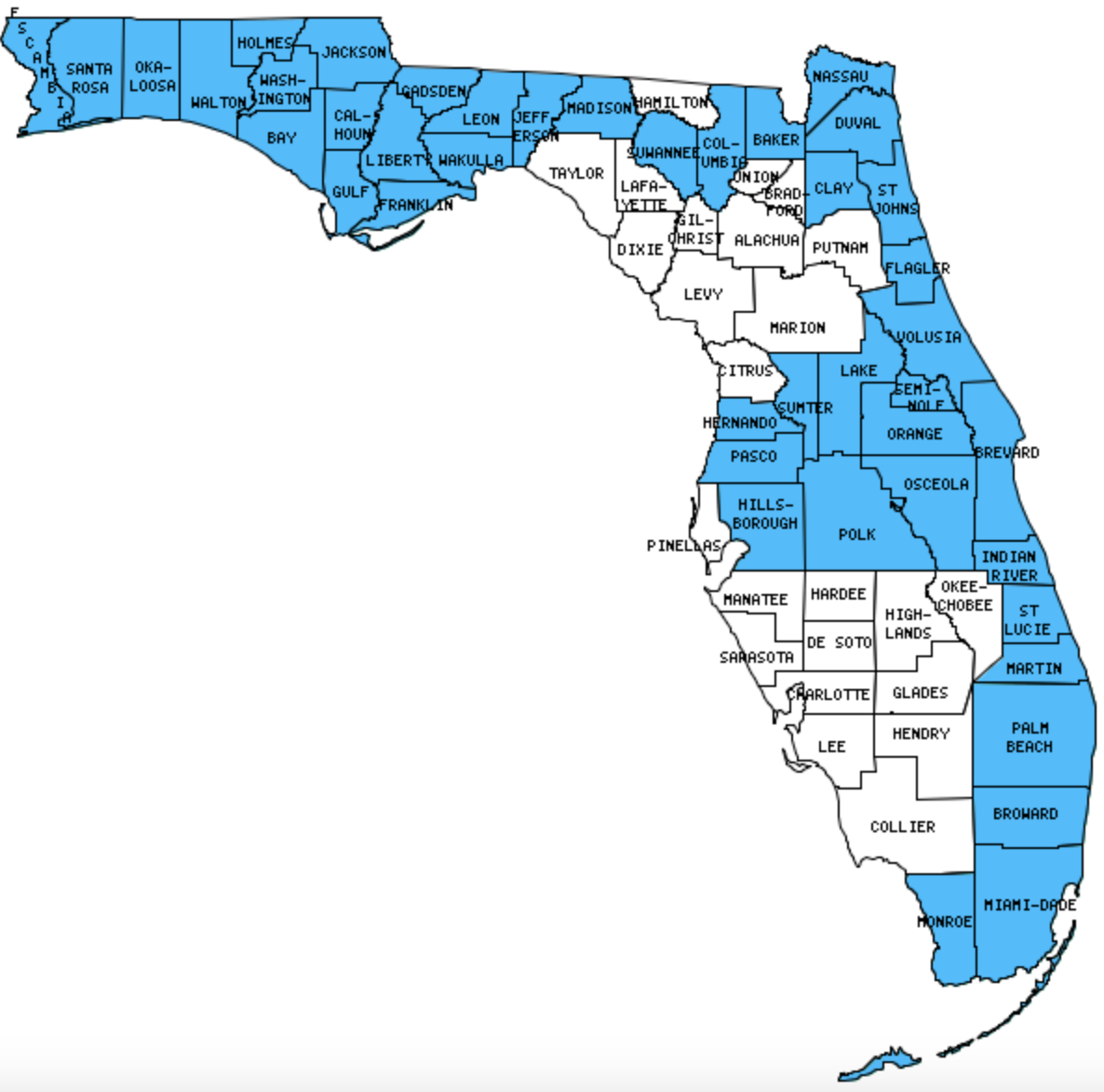
Many websites offer booking and reviews for accommodations across all 67 counties, allowing travelers to compare options and find the best fit for their needs. Long-term stay options, such as extended-stay hotels or apartment rentals, are also increasingly popular in many of Florida’s counties, catering to snowbirds or remote workers.
Tailoring Your Trip: From Luxury Escapes to Budget-Friendly Stays
Florida’s lifestyle offerings are as diverse as its geography, and understanding the county characteristics helps in tailoring your trip to your specific travel lifestyle.
- Luxury Travel: Counties like Palm Beach and parts of Miami-Dade and Collier County are synonymous with luxury. Here, you’ll find five-star resorts, gourmet dining, high-end shopping in places like Boca Raton or Naples, private yacht charters, and exclusive experiences. Resorts such as The Ritz-Carlton, Naples or The Breakers Palm Beach define this segment of Florida tourism.
- Budget Travel: While Florida can be expensive, many counties offer excellent value. Areas like Osceola County (for theme park access), or smaller towns in North Florida (Dixie County, Taylor County) offer more affordable accommodation, dining, and activities. State parks and natural preserves throughout the state provide low-cost outdoor entertainment. Camping and vacation rentals outside major cities can also be budget-friendly choices.
- Family Trips: Most counties offer family-friendly attractions, but Orange County, Osceola County, Pinellas County, and Hillsborough County are particularly well-suited. They feature not only theme parks but also children’s museums, aquariums, water parks, and resorts designed with families in mind, providing extensive amenities and kid-friendly activities.
- Business Stays: Major metropolitan counties like Miami-Dade, Orange, Broward, Hillsborough, and Duval County are equipped with numerous convention centers, business-class hotels, and excellent connectivity. Cities like Tampa, Orlando, and Miami frequently host conferences and corporate events, offering a blend of professional facilities and post-work entertainment.
- Cultural Exploration: Counties such as St. Johns, Monroe, and Sarasota County excel in cultural tourism, with historic sites, art museums, theaters, and vibrant local communities. Cities like St. Augustine, Key West, and Sarasota offer immersive experiences into Florida’s unique heritage and arts scene.
In conclusion, knowing that there are 67 counties in Florida is just the beginning. Each one presents a unique microcosm of the state’s natural beauty, cultural heritage, and recreational opportunities. From the sun-drenched beaches of the Panhandle’s Escambia County to the vibrant ecosystems of South Florida’s Monroe County, and everything in between, these divisions help travelers and residents alike navigate and appreciate the incredible diversity that makes Florida a truly exceptional destination. By considering the distinct offerings of each county, you can craft a travel experience that perfectly matches your interests, ensuring an unforgettable journey through the Sunshine State.
LifeOutOfTheBox is a participant in the Amazon Services LLC Associates Program, an affiliate advertising program designed to provide a means for sites to earn advertising fees by advertising and linking to Amazon.com. Amazon, the Amazon logo, AmazonSupply, and the AmazonSupply logo are trademarks of Amazon.com, Inc. or its affiliates. As an Amazon Associate we earn affiliate commissions from qualifying purchases.