
Florida, often affectionately known as the Sunshine State, is a vibrant and ever-evolving mosaic of cultures, landscapes, and opportunities. More than just a top-tier travel destination, it’s a permanent home for millions who are drawn to its unique blend of tropical climate, diverse economy, and unparalleled lifestyle. The question “How many people live in Florida?” isn’t merely a statistical inquiry; it’s a gateway to understanding the profound demographic shifts, economic drivers, and social dynamics that shape this incredible state.
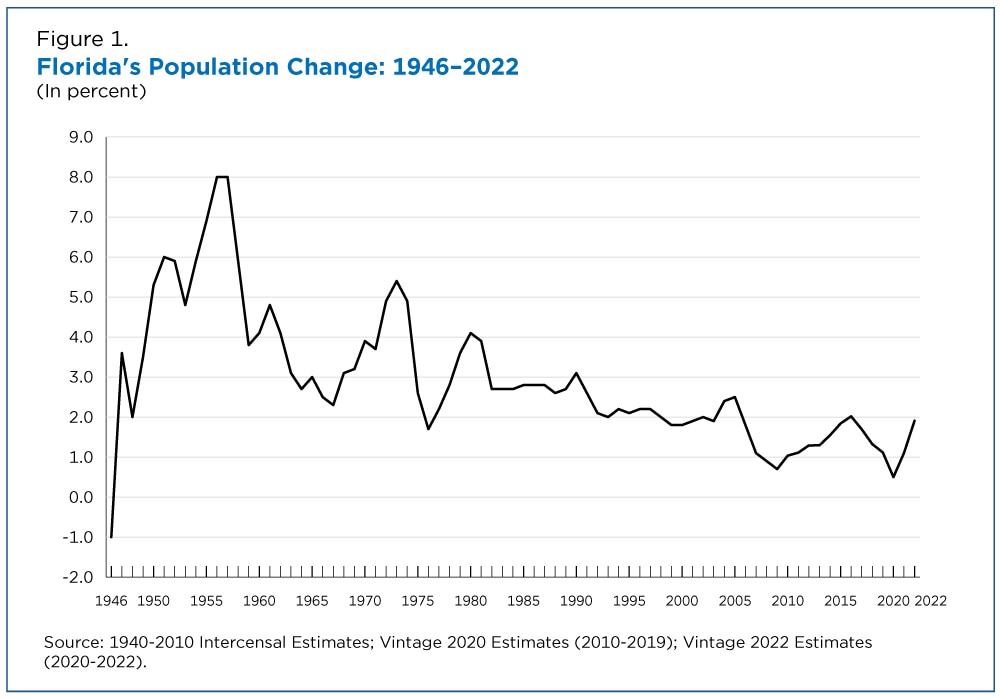
As of late 2023 and early 2024, the population of Florida has surpassed 22.6 million residents, making it the third-most populous state in the United States. This impressive figure reflects decades of consistent growth, fueled by both domestic migration from other U.S. states and significant international immigration. The sheer number of people choosing to reside in Florida speaks volumes about its enduring appeal, not just as a fleeting holiday spot but as a place to build a life, a career, and a future. This burgeoning population has a ripple effect across every facet of the state, from its booming tourism industry and diverse accommodation options to its rich local culture and array of iconic landmarks. Understanding who these 22.6 million people are and what attracts them here provides invaluable insight into the soul of the Sunshine State.

The Sunshine State’s Irresistible Allure: A Magnet for Millions
The continuous influx of residents into Florida is no accident; it’s the result of a powerful combination of economic incentives, environmental advantages, and lifestyle promises. For decades, Florida has consistently ranked among the fastest-growing states in the United States, transforming its demographic landscape and urban fabric. This growth is driven by a multifaceted allure that caters to a wide spectrum of individuals and families.
One of the most significant draws is undoubtedly the climate. With its abundant sunshine, warm temperatures year-round, and stunning beaches along both the Gulf Coast and Atlantic Coast, Florida offers an escape from harsh winters. This meteorological advantage translates directly into a lifestyle centered around outdoor activities, from boating and fishing to golf and simply enjoying the natural beauty of the state.
Beyond the weather, economic factors play a crucial role. Florida boasts no state income tax, a powerful incentive for both individuals and businesses. This tax advantage, combined with a generally pro-business environment, has fostered a robust job market, particularly in sectors such as tourism, hospitality, healthcare, technology, finance, and logistics. Major metropolitan areas like Orlando, Miami, Tampa, and Jacksonville serve as economic hubs, attracting young professionals and entrepreneurs seeking new opportunities. The burgeoning tech scene in cities like Tampa Bay and Miami further diversifies the state’s economic backbone, moving beyond its traditional reliance on tourism.
The quality of life is another major draw. Florida offers a diverse range of living environments, from bustling urban centers with vibrant nightlife and cultural scenes to serene suburban communities and tranquil coastal towns. The state’s extensive infrastructure, including modern airports, well-maintained highways, and a growing public transport network, facilitates easy access to its many attractions and conveniences. For families, the presence of numerous highly-rated schools and a wealth of family-friendly attractions, including world-renowned theme parks, makes Florida an appealing place to raise children. This combination of factors ensures that Florida remains a top choice for those seeking a dynamic, prosperous, and enjoyable place to call home.

A Diverse Demographic Tapestry: Who Calls Florida Home?
The more than 22.6 million residents of Florida are far from a monolithic group. They represent a rich and varied demographic tapestry, comprising individuals from all walks of life, cultural backgrounds, and age groups. This diversity is one of the state’s greatest strengths, enriching its cultural landscape, driving its economy, and shaping its unique identity.
The Retiree Haven
For decades, Florida has been synonymous with retirement, and for good reason. The state’s warm climate, abundance of golf courses, healthcare facilities, and tax benefits make it an ideal destination for those seeking to enjoy their golden years. Areas like South Florida (including cities like Naples and Sarasota) and Southwest Florida are particularly popular with retirees. Communities like The Villages exemplify this trend, offering expansive, amenity-rich environments specifically designed for active seniors. This demographic brings with it a demand for specialized services, healthcare infrastructure, and a focus on leisure and recreational activities, which in turn fuels local economies and enhances the overall lifestyle offerings. Many retirees also become part-time residents, often referred to as “snowbirds,” who contribute significantly to the seasonal economy, particularly in the hotel and accommodation sectors.
Families and Young Professionals
While retirees form a significant segment, Florida is also a magnet for families and young professionals. Metropolitan areas such as Orlando, Tampa, and Jacksonville have experienced substantial growth in these younger demographics. Orlando, in particular, thrives on its tourism-driven economy, offering countless jobs in hospitality, entertainment, and related industries. Tampa and Jacksonville have diversified economies with strong sectors in finance, technology, healthcare, and logistics, providing ample career opportunities. Families are drawn to Florida’s range of educational institutions, from public schools to renowned universities, as well as the family-friendly attractions and outdoor recreational possibilities. The availability of diverse housing options, from urban apartments to suburban homes, caters to different family sizes and preferences, contributing to a vibrant and dynamic resident population.
A Melting Pot of Cultures
Perhaps one of Florida’s most defining characteristics is its incredible cultural diversity, largely shaped by its geographical proximity to Latin America and the Caribbean. Miami, often called the “Gateway to the Americas,” is a prime example of this multiculturalism. Miami-Dade County is home to a significant Cuban American population, evident in vibrant neighborhoods like Little Havana, where the sounds, smells, and flavors of Cuba are palpable. Beyond Cuban influences, communities from across Latin America, the Caribbean, and around the globe have established roots throughout the state. This rich tapestry of cultures is reflected in Florida’s diverse culinary scene, its music, art, festivals, and even its architecture. This cultural blending not only enriches the lives of residents but also offers tourists unique experiences that go far beyond conventional attractions, showcasing a genuine “local culture” that is both authentic and inviting.
Population and Prosperity: Florida’s Tourism and Accommodation Landscape
The sheer number of people living in Florida has a symbiotic relationship with its globally renowned tourism industry and its extensive accommodation landscape. A large resident base provides the workforce, infrastructure, and local flavor that support a thriving tourism sector, while tourism, in turn, creates jobs and stimulates the economy, attracting more residents.
A Booming Tourism Industry
Florida’s population growth directly fuels its position as a world leader in tourism. The state’s residents are the backbone of the tourism and hospitality sector, filling roles from resort management and theme park operations to culinary arts and transportation services. With millions of visitors flocking to the Sunshine State annually, the demand for these services is constant and high. Iconic attractions like Walt Disney World Resort and Universal Studios Florida in Orlando, the pristine sands of Clearwater Beach and South Beach, and natural wonders such as Everglades National Park all rely on a strong local population to sustain their operations and provide authentic experiences. The diverse cultural groups living in Florida also contribute to unique tourist offerings, from the vibrant festivals in Miami to the historical reenactments in St. Augustine. This synergy ensures that Florida remains a dynamic and attractive destination for travelers from around the globe.
The Accommodation Imperative
With millions of residents and an even greater number of visitors each year, Florida’s accommodation sector is vast and diverse, catering to every need and budget. The state’s continuous population growth directly drives the demand for housing, from single-family homes in sprawling suburbs to high-rise apartments in urban cores. This residential boom often intersects with the tourism industry, as new developments frequently include options for long-term stays, vacation rentals, and even hybrid hotel-residential properties.
For tourists, the options are seemingly endless. Florida boasts an unparalleled collection of hotels, resorts, suites, and villas. From luxury establishments like the Four Seasons Resort Orlando at Walt Disney World Resort in Orlando and opulent beachfront resorts in Palm Beach to budget-friendly hotels in Kissimmee and boutique stays in Key West, there’s something for every type of traveler. The market also includes a robust selection of vacation rentals, ranging from cozy apartments to lavish private villas, particularly popular for families or extended stays. Online booking platforms and review sites play a crucial role in helping both visitors and potential residents navigate this extensive market, compare options, and find the perfect fit for their travel or relocation needs. The development of new accommodations is a continuous process, reflecting the state’s confidence in its enduring appeal to both permanent residents and temporary guests.
Lifestyle Choices and Landmarks: Living the Florida Dream
The sheer number and diversity of people living in Florida have cultivated a multitude of lifestyle choices, each influenced by the state’s unique geography, culture, and economic opportunities. From the pulsating energy of its major cities to the tranquil beauty of its natural landscapes, Florida offers a dream for every resident, seamlessly integrating iconic landmarks into everyday life.
From Urban Bustle to Coastal Calm
Florida’s population distribution highlights a spectrum of lifestyles. In metropolitan centers like Miami and Orlando, residents embrace a fast-paced urban lifestyle characterized by world-class dining, vibrant nightlife, extensive shopping, and a dynamic arts and culture scene. Miami, with its Art Deco Historic District and international flair, offers an unparalleled cosmopolitan experience. St. Petersburg and Tampa Bay have also evolved into thriving urban hubs, attracting young professionals with their growing tech industries, craft breweries, and cultural venues.
In contrast, the state also offers numerous havens for those seeking a more relaxed pace. Coastal cities like Sarasota and Naples epitomize the serene beach lifestyle, focusing on natural beauty, water sports, and a strong sense of community. The Florida Panhandle offers a distinctly different, more southern-influenced coastal experience with its sugar-white sands. For nature enthusiasts, living near areas like Ocala National Forest provides direct access to hiking, camping, and freshwater springs, blending a quiet, outdoorsy lifestyle with the convenience of nearby towns. This incredible variety means that whether one desires the thrill of luxury travel, the practicality of a budget-friendly lifestyle, the comfort of family trips, or the efficiency of business stays, Florida has a community to match.
Iconic Landmarks and Everyday Life
Florida’s numerous landmarks are not just tourist attractions; they are often interwoven into the daily lives of its residents. Historic St. Augustine, the nation’s oldest continuously inhabited European-established settlement, serves as a living museum where history is part of the urban fabric. Residents and visitors alike explore its ancient streets, the Castillo de San Marcos, and charming colonial architecture, making history tangible.
The natural wonders are equally accessible. The string of islands forming the Florida Keys offers a unique maritime lifestyle, where fishing, diving, and boating are integral to daily existence, culminating in the lively atmosphere of Key West. The sprawling Everglades National Park is a national treasure, and many residents live within easy reach, enjoying its unique ecosystem through airboat rides, kayaking, or wildlife spotting. Biscayne National Park, primarily an underwater park, is a paradise for snorkelers and divers from the South Florida area. Even the technological marvel of the Kennedy Space Center is a point of pride and a frequent family outing for those on the Space Coast. These landmarks contribute to Florida’s identity, providing both residents and tourists with countless opportunities for exploration, recreation, and appreciation of its diverse beauty and rich history.
In conclusion, the answer to “How many people live in Florida?” is more than just a number; it’s a narrative of ambition, aspiration, and the pursuit of a better life. With over 22.6 million residents, Florida stands as a testament to its enduring appeal as a land of sunshine, opportunity, and diverse experiences. This massive and varied population shapes every aspect of the Sunshine State, from its vibrant communities and thriving economy to its unparalleled tourism industry and rich cultural landscape. Whether seeking a permanent home or an unforgettable vacation, the millions who live in and visit Florida contribute to its dynamic character, ensuring its place as a truly unique and irresistible destination.
LifeOutOfTheBox is a participant in the Amazon Services LLC Associates Program, an affiliate advertising program designed to provide a means for sites to earn advertising fees by advertising and linking to Amazon.com. Amazon, the Amazon logo, AmazonSupply, and the AmazonSupply logo are trademarks of Amazon.com, Inc. or its affiliates. As an Amazon Associate we earn affiliate commissions from qualifying purchases.