
New York City – a name that conjures images of towering skyscrapers, iconic landmarks, bustling streets, and a melting pot of cultures. It’s a destination that stands as a beacon of ambition and opportunity, drawing millions of visitors and hopeful residents from every corner of the globe. But beyond its official designation, this vibrant metropolis holds a beloved, curious, and equally famous moniker: “The Big Apple.” For those planning a trip, seeking an unforgettable experience, or simply fascinated by the stories behind the world’s greatest cities, understanding the origin of this nickname offers a delightful glimpse into New York City’s rich history and enduring spirit. It’s a story rooted in competition, popular culture, and ultimately, a savvy tourism campaign that solidified its place in the global lexicon. This article will unravel the fascinating journey of how New York City came to be known as The Big Apple, delving into its historical context, cultural significance, and the unparalleled experiences that continue to make it one of the world’s premier travel destinations.

The Curious Case of the Big Apple: Tracing the Nickname’s Roots
The enduring nickname “The Big Apple” has a history as rich and layered as New York City itself. Unlike some urban monikers that spring from obvious geographical features or historical events, the origin of this particular sobriquet is a delightful blend of sporting slang, musical folklore, and strategic branding. Its story offers a unique window into the city’s past, revealing how seemingly insignificant phrases can evolve into powerful cultural symbols.
The Horse Racing Connection: John J. Fitz Gerald and the Early 20th Century
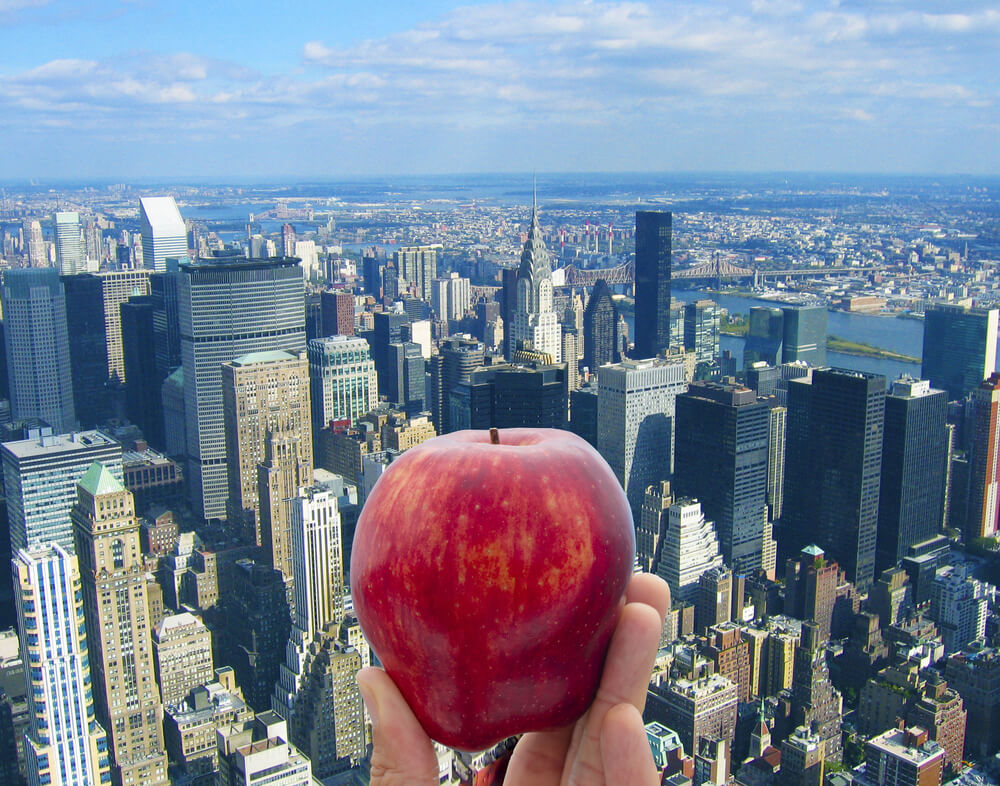
The most widely accepted origin of “The Big Apple” traces back to the exhilarating world of horse racing in the early 20th century. In 1921, a sports writer named John J. Fitz Gerald began writing a column for the New York Morning Telegraph, focusing on horse racing in New York City and its surrounding areas. It was during his travels and interactions with stable hands and jockeys that he first encountered the term.
As the story goes, Fitz Gerald overheard stable hands in New Orleans referring to New York City’s racecourses as “the big apple.” In their vernacular, an “apple” symbolized the prize or the winnings from a race – the coveted reward. To win a race in New York, with its prestigious tracks and larger purses, was to win “the big apple.” Fitz Gerald was captivated by the phrase and began to use it consistently in his columns, even titling one of his pieces “Around the Big Apple” in 1924. Through his popular column, the term gained traction within the racing community, planting the first seeds of what would become a global identifier. His enthusiastic adoption of the phrase in print is largely credited with bringing it into the public consciousness, even if initially within a niche sporting circle.
The Jazz Age and Beyond: Musicians, Nightlife, and Mainstream Adoption
While Fitz Gerald introduced the term, its popularization in the broader cultural landscape owes much to the vibrant energy of the Jazz Age. During the 1930s, jazz musicians frequently used “The Big Apple” to refer to New York City – particularly Harlem – as the ultimate destination for musical success. For many aspiring artists, performing in New York City meant they had “made it,” reaching the pinnacle of their careers. If you were playing in New York City, you were playing in the “Big Apple,” the largest, most significant, and most rewarding gig.
Legends like Louis Armstrong and countless other jazz artists helped weave the term into the fabric of popular culture. There was even a popular dance called “The Big Apple” in the 1930s, further embedding the phrase into the public’s imagination. This era transformed “The Big Apple” from a racing term into a broader metaphor for opportunity, excitement, and aspiration, particularly in the arts and entertainment world. The city became seen as the ultimate prize, the place where dreams were realized, much like the coveted prize in a horse race.
The Tourism Revival: The 1970s Campaign
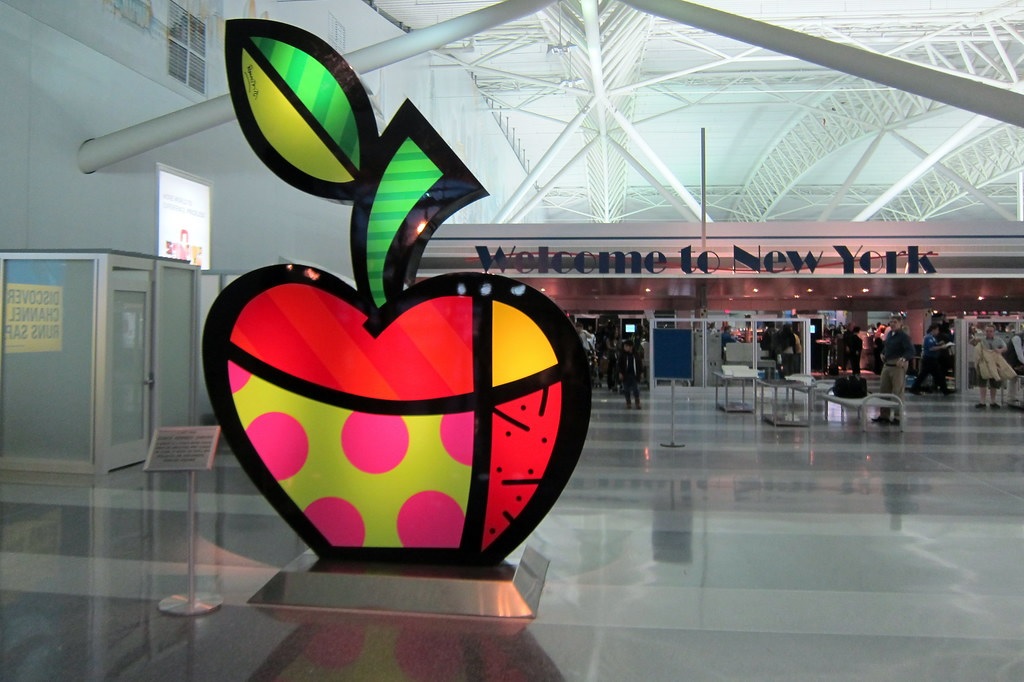
Despite its earlier usage, “The Big Apple” wasn’t universally recognized or promoted as the official nickname for New York City until much later. By the 1970s, New York City was grappling with a perception crisis, facing challenges related to crime and urban decay. To combat this negative image and boost tourism, the New York Convention and Visitors Bureau (now NYC & Company) launched a brilliant and enduring marketing campaign.
Under the direction of its president, Charles Gillett, the bureau revived and wholeheartedly embraced “The Big Apple” as a catchy and positive symbol for the city. Bright red apples were prominently featured in marketing materials, posters, and advertisements, transforming the formerly niche term into a widely recognizable and appealing brand. The campaign was a resounding success, injecting new life and positive energy into the city’s image. It helped rebrand New York City as a vibrant, exciting, and desirable destination, effectively cementing “The Big Apple” as its official, affectionate, and globally recognized nickname. The tourism campaign capitalized on the existing cultural resonance of the phrase, giving it a universal appeal that resonated with both domestic and international visitors.
Beyond the Name: What Makes New York City the “Big Apple”?
The nickname “The Big Apple” perfectly encapsulates the allure of New York City – a place of grand ambitions, unmatched opportunities, and a vibrant cultural tapestry that is truly one-of-a-kind. It is a city that continuously reinvents itself while holding firm to its iconic history, making it a dream destination for travelers worldwide. When we talk about New York City as the “Big Apple,” we’re not just referring to its name; we’re evoking its status as a global epicenter for everything from finance and fashion to art and cuisine.
A Melting Pot of Culture and Experience
At its core, New York City is a testament to diversity, a true melting pot where cultures from every corner of the world converge. This rich blend is evident in every facet of city life, offering an unparalleled range of experiences for any traveler. From the historic brownstones of Brooklyn to the vibrant communities of Queens, the artistic enclaves of Greenwich Village in Manhattan, and the cultural richness of The Bronx, each borough and neighborhood tells its own unique story.
For food enthusiasts, New York City is a culinary paradise, reflecting its global population. You can savor authentic Italian pasta in Little Italy, explore the diverse Asian flavors of Flushing in Queens, or indulge in gourmet meals from Michelin-starred restaurants across Manhattan. From street food carts offering hot dogs and halal fare to upscale dining experiences, the city caters to every palate and budget. The cultural scene is equally diverse, with world-class museums like the Metropolitan Museum of Art, the Museum of Modern Art (MoMA), the American Museum of Natural History, and the Guggenheim Museum offering endless opportunities for intellectual and artistic engagement. The city’s performing arts scene, highlighted by Broadway theaters, offers an array of plays, musicals, and live performances that draw audiences from around the globe, making it a pivotal hub for entertainment.
Iconic Landmarks and Attractions
New York City’s skyline is instantly recognizable, dotted with landmarks that have become symbols of ambition and freedom worldwide. A trip to the city wouldn’t be complete without experiencing some of these iconic sites. The majestic Statue of Liberty, a gift from France, stands proudly in New York Harbor, welcoming immigrants and visitors alike, with Ellis Island nearby offering a profound historical experience.
The Empire State Building and the Rockefeller Center offer breathtaking panoramic views of the sprawling metropolis, while the dazzling lights of Times Square create an unforgettable spectacle, especially at night. For those seeking a moment of tranquility amidst the urban hustle, Central Park provides an expansive green oasis perfect for strolling, picnicking, or simply people-watching. Other notable landmarks include the historic Brooklyn Bridge, connecting Manhattan to Brooklyn with stunning views, and the solemn yet powerful 9/11 Memorial & Museum at the World Trade Center, alongside the incredible views from One World Observatory. Each landmark tells a part of New York City’s incredible narrative, making it an essential destination for history buffs, architecture enthusiasts, and casual sightseers alike.
Accommodation in the Concrete Jungle
As a global hub, New York City offers an incredibly diverse range of accommodation options to suit every budget and travel style. Whether you’re planning a luxury getaway, a family vacation, a business trip, or a budget-conscious adventure, finding the perfect place to stay is an integral part of the Big Apple experience.
For those seeking opulence, Manhattan boasts some of the world’s most iconic luxury hotels, such as The Plaza Hotel, offering timeless elegance overlooking Central Park. The St. Regis New York, [Four Seasons Hotel New York Downtown](https://lifeoutofthebox.com/four- Seasons-hotel-new-york-downtown), and The Ritz-Carlton New York, Central Park provide unparalleled service, exquisite suites, and world-class amenities designed for the most discerning travelers. Boutique hotels in neighborhoods like SoHo and Greenwich Village offer unique charm and personalized experiences, often reflecting the artistic and bohemian spirit of their surroundings. For families or longer stays, apartment rentals and serviced residences can provide more space and a home-away-from-home feel.
Budget-friendly options are also abundant, with hostels, smaller hotels, and guesthouses available across the boroughs, particularly outside of prime Manhattan locations. Booking well in advance, especially during peak travel seasons, is highly recommended due to the city’s popularity. Travelers often compare prices and read reviews on booking platforms to find the best deals and ensure a comfortable stay. Regardless of your choice, waking up in the heart of New York City is an experience in itself, positioning you perfectly to dive into the day’s adventures.
Embracing the Spirit of the Big Apple
To truly understand why New York City is “The Big Apple,” one must immerse themselves in its ceaseless energy and diverse offerings. It’s a city that never sleeps, constantly buzzing with activity, innovation, and an undeniable zest for life. Whether you’re a first-time visitor or a seasoned explorer, the city promises an endless array of activities and experiences that cater to every interest.
Unforgettable Experiences and Activities
Beyond the iconic landmarks, New York City invites visitors to create their own unique memories. Explore the vibrant art galleries of Chelsea and walk along The High Line, an elevated park built on historic railway lines, offering stunning city views and public art installations. Indulge in retail therapy on Fifth Avenue, renowned for its luxury boutiques, or discover unique treasures in the independent shops of SoHo. For foodies, a visit to Chelsea Market offers an incredible array of gourmet food vendors, artisanal goods, and unique dining options.
Experience the thrill of a Broadway show, from classic musicals to avant-garde plays, or catch a live jazz performance in Harlem or Greenwich Village. Take a ferry to Staten Island for breathtaking, free views of the Manhattan skyline and the Statue of Liberty. Sports enthusiasts can catch a game at one of the city’s legendary venues, while history buffs can delve into the financial heart of the world on Wall Street. Every street corner, every neighborhood, offers a new discovery, embodying the dynamic and ever-evolving spirit of The Big Apple.
Planning Your New York Adventure
Planning a trip to The Big Apple requires careful consideration to make the most of your visit. The best time to visit often depends on your preferences: spring and fall offer pleasant weather for exploring, while winter brings festive holiday cheer and ice skating at Rockefeller Center, albeit with colder temperatures. Summers can be hot and humid but are perfect for enjoying Central Park’s outdoor activities and rooftop bars.
Efficient transportation is key to navigating the city. New York City’s subway system is extensive and operates 24/7, making it the most convenient way to travel between boroughs and attractions. Taxis, ride-shares, and walking are also popular options, especially for exploring specific neighborhoods. Budgeting for your trip should include accommodation, dining, attractions, and transportation. While New York City can be perceived as expensive, there are plenty of free activities and budget-friendly food options if you plan smartly. Consider purchasing a city pass if you intend to visit multiple paid attractions, as these can offer significant savings. Comprehensive travel guides and online resources can help you craft an itinerary that aligns with your interests and budget, ensuring your New York City adventure lives up to the promise of The Big Apple – a grand, rewarding, and unforgettable experience.
In conclusion, “The Big Apple” is more than just a catchy nickname; it’s a living testament to New York City’s enduring spirit of ambition, opportunity, and cultural richness. From its humble origins in the horse racing tracks to its embrace by jazz musicians and its eventual solidification through a clever tourism campaign, the name has become synonymous with everything that makes this city truly extraordinary. It’s a destination that continues to attract and inspire, offering an unparalleled blend of history, innovation, and diverse experiences that truly make it the ultimate prize on the world stage.
LifeOutOfTheBox is a participant in the Amazon Services LLC Associates Program, an affiliate advertising program designed to provide a means for sites to earn advertising fees by advertising and linking to Amazon.com. Amazon, the Amazon logo, AmazonSupply, and the AmazonSupply logo are trademarks of Amazon.com, Inc. or its affiliates. As an Amazon Associate we earn affiliate commissions from qualifying purchases.