
The question “Is Oklahoma a good place to live?” is one that often sparks curiosity, especially for those considering a move, planning an extended stay, or simply looking to understand the unique appeal of the Sooner State. Nestled in the heart of the United States, Oklahoma offers a distinct blend of Southern Plains charm, evolving urban centers, and vast natural beauty. For travellers, digital nomads, families, or individuals seeking a new chapter, understanding the intricacies of life in Oklahoma is crucial. This comprehensive guide delves into the various facets that define living in Oklahoma, from its vibrant cities and diverse landscapes to its affordability and burgeoning lifestyle scene, making it easier for you to decide if this state aligns with your vision for a good life.
The Allure of Oklahoma: A Snapshot for Residents and Visitors
Oklahoma, often categorized within both the Midwest and the South, embodies a rich tapestry of cultures, histories, and geographies. Its identity is shaped by its Native American heritage, pioneer spirit, and a dynamic contemporary evolution. For anyone considering the state for either permanent residence or an extended visit, understanding this multifaceted character is the first step.
A Landscape of Diversity and Natural Beauty
One of Oklahoma’s most surprising attributes is its incredible geographical diversity. Far from being just flat plains, the state boasts ten distinct ecological regions, offering a wide array of outdoor activities and scenic drives. From the rolling hills and pine forests of the Ouachita Mountains in the southeast to the desert-like gypsum hills of the west, and the majestic granite peaks of the Wichita Mountains Wildlife Refuge near Lawton, there’s a natural setting for almost every preference.
Outdoor enthusiasts will find no shortage of adventures. The state is dotted with over 200 lakes, more than many other states, making it a prime destination for boating, fishing, and watersports. Popular spots like Lake Eufaula, the largest lake entirely within Oklahoma, and Grand Lake o’ the Cherokees in the northeast, offer extensive recreational opportunities, from lakeside resorts and cabins to secluded camping sites. The Blue River, known for its crystal-clear waters, is a favored spot for fly-fishing and kayaking, while Turner Falls Park in the Arbuckle Mountains provides breathtaking waterfalls and natural swimming holes, making it a perfect family attraction and a popular travel destination.
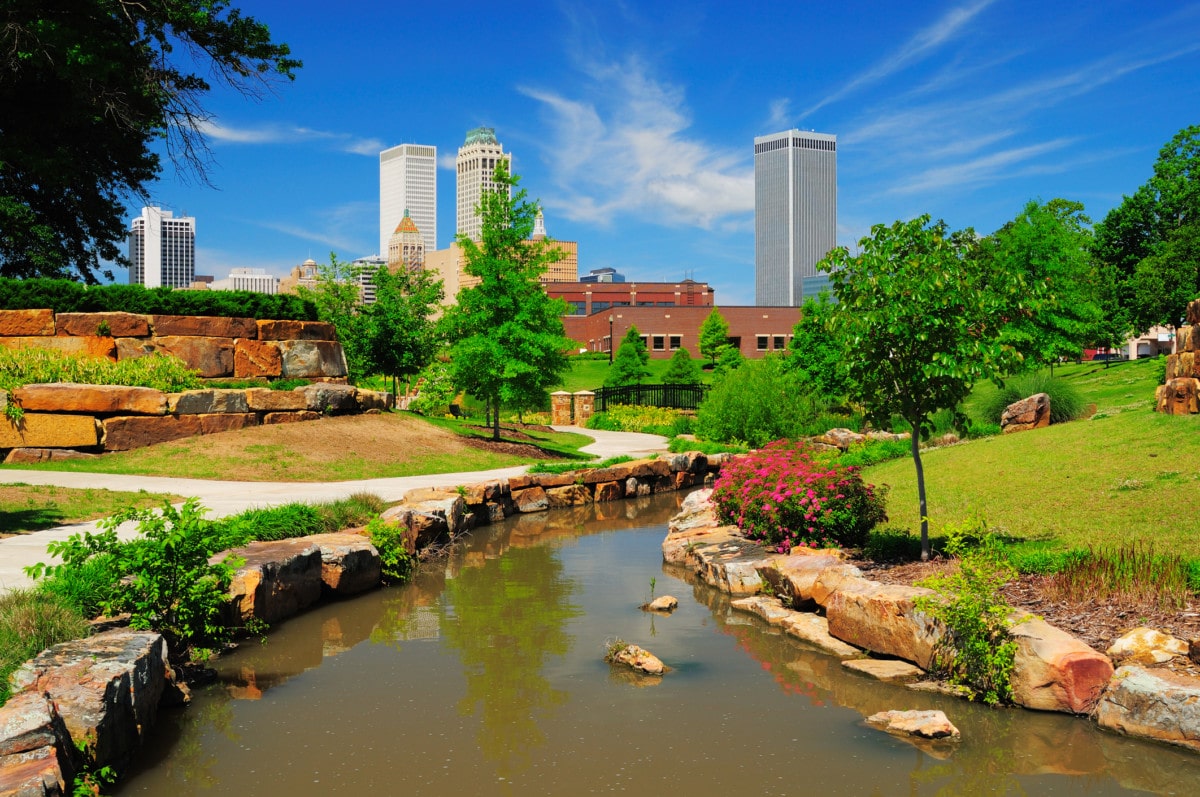
For those interested in history and scenic drives, segments of the historic Route 66 crisscross the state, offering nostalgic diners, roadside attractions, and a glimpse into America’s past. Whether it’s hiking, biking, fishing, or simply enjoying a scenic drive, Oklahoma’s natural landmarks and diverse environments offer a rich canvas for exploration and a quality of life enhanced by access to nature.
Urban Vibrancy and Cultural Riches
While its natural landscapes are captivating, Oklahoma’s urban centers, particularly Oklahoma City and Tulsa, are rapidly evolving hubs of culture, commerce, and entertainment. These cities have undergone significant revitalization in recent decades, transforming them into attractive places to live and visit.
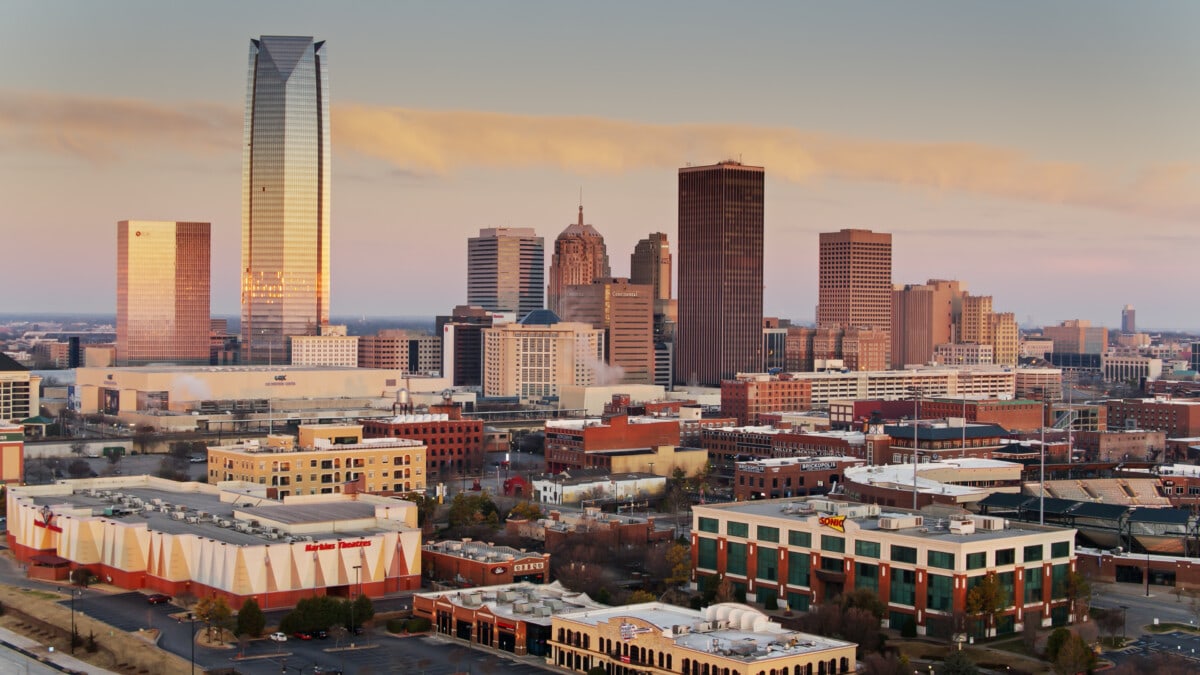
Oklahoma City: The state capital is a dynamic metropolis known for its revitalized downtown area. The Bricktown Entertainment District, once a warehouse area, is now a bustling hub with restaurants, bars, a canal, and even a water taxi service, reminiscent of more established tourist destinations. Families and young professionals are drawn to its energetic atmosphere and modern amenities. Nearby, the OKC Boathouse District on the Oklahoma River is an Olympic & Paralympic training site, offering rowing, kayaking, and even whitewater rafting at Riversport OKC. The district is surrounded by contemporary apartments and suites popular for long-term stays.
Cultural attractions abound, including the poignant Oklahoma City National Memorial & Museum, which commemorates the victims of the 1995 bombing, and the National Cowboy & Western Heritage Museum, celebrating the history and art of the American West. The Myriad Botanical Gardens and the expansive Scissortail Park provide lush green spaces for relaxation and community events. For sports fans, the OKC Thunder NBA team brings professional basketball excitement to the city.
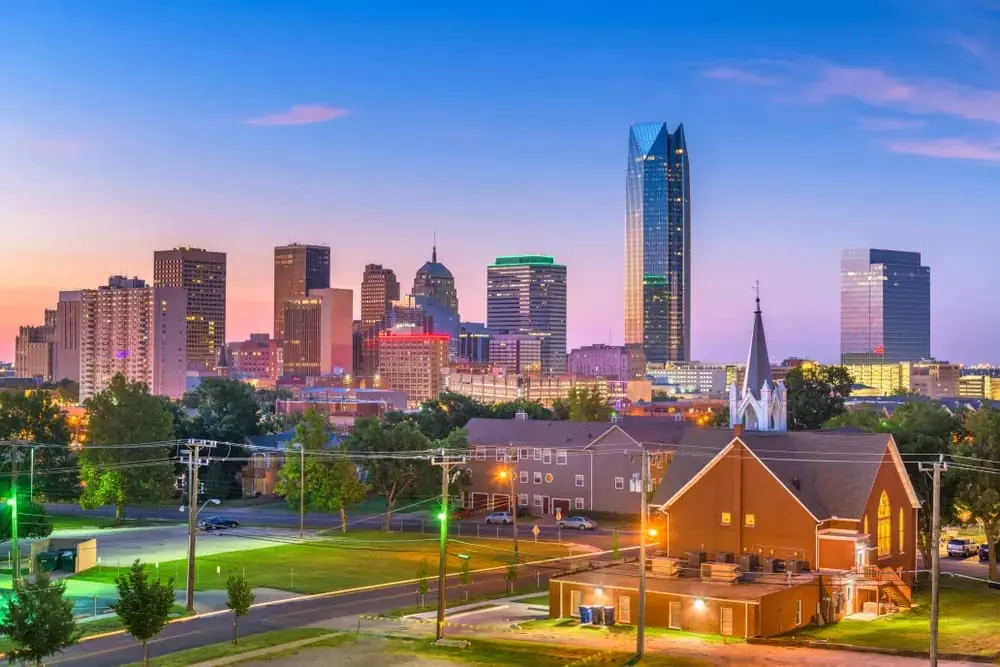
Tulsa: To the northeast, Tulsa offers a distinct charm, often recognized for its Art Deco architecture and vibrant arts scene. The city is home to world-class museums such as the Philbrook Museum of Art and the Gilcrease Museum. A standout landmark is Gathering Place, an award-winning public park along the Arkansas River, which has become a major draw for families and tourists alike, offering playgrounds, gardens, and performance venues.
Both Oklahoma City and Tulsa boast thriving food scenes, from upscale dining to casual eateries serving classic Southern and Tex-Mex fare, reflecting the local culture. They also host numerous festivals, concerts, and cultural events throughout the year, ensuring there’s always something to do, whether you’re interested in local music, food tourism, or experiencing the unique community spirit. These cities are increasingly popular for those seeking a vibrant lifestyle without the exorbitant costs of larger coastal cities.
Understanding the Cost of Living and Lifestyle
A critical factor in determining if a place is “good to live” is its affordability and the overall quality of life it offers. Oklahoma consistently ranks high in terms of cost of living, making it an attractive option for many.
Affordable Living in the Sooner State
Compared to the national average, the cost of living in Oklahoma is remarkably low. Housing is particularly affordable, whether you’re looking to buy a home or rent an apartment. This affordability extends to utilities, groceries, transportation, and healthcare, allowing residents to enjoy a higher quality of life for less. For those interested in budget travel or simply making their income go further, this is a significant advantage. The median home price in Oklahoma is considerably lower than the national median, according to the United States Census Bureau, making homeownership more accessible.
This economic benefit makes Oklahoma particularly appealing to young professionals, growing families, and retirees looking to maximize their savings. The state’s low property taxes also contribute to its overall affordability, ensuring that once you’ve settled, the ongoing costs of living remain manageable. For those travelling long-term or seeking temporary accommodation like villas or furnished apartments, the comparative cost of lodging also presents an attractive proposition, often allowing for more luxurious stays at a fraction of the price found elsewhere.
Employment Opportunities and Economic Landscape
While historically reliant on oil and gas, Oklahoma’s economy has diversified significantly. Today, major industries include aerospace, biosciences, advanced manufacturing, and information technology. Both Oklahoma City and Tulsa are experiencing growth in these sectors, attracting new businesses and creating job opportunities. The presence of large military bases, such as Tinker Air Force Base, also contributes significantly to the state’s economy and provides stable employment.
For entrepreneurs and small business owners, Oklahoma’s business-friendly environment and low operating costs can be a major draw. The job market, while competitive in certain areas, has seen consistent growth, particularly in urban centers. Individuals seeking to start a new career or advance in established fields will find that the economic landscape is evolving, moving beyond its traditional foundations. The Oklahoma Department of Labor provides current data on employment trends and opportunities, reflecting this ongoing diversification.
Exploring Oklahoma’s Attractions and Lifestyle
Beyond the practicalities of cost and jobs, the quality of life in Oklahoma is also defined by its recreational offerings, educational institutions, and community spirit. It’s a place where diverse interests can find a home, from academic pursuits to adventurous explorations.
From Outdoor Adventures to Cultural Immersion
As previously highlighted, Oklahoma offers an abundance of outdoor activities. Hiking and camping are popular in state parks like Robbers Cave State Park and the Talimena Scenic Byway region. Fishing and hunting are deeply ingrained in the local lifestyle, with ample opportunities across the state’s lakes, rivers, and wildlife management areas. For those seeking unique experiences, exploring the caverns at Alabaster Caverns State Park or discovering the dinosaur tracks in the Black Mesa State Park area offers memorable adventures.
Culturally, Oklahoma is rich with Native American heritage. The Chickasaw Cultural Center in Sulphur provides an immersive look into the history and traditions of the Chickasaw Nation, one of the many sovereign tribal nations with a significant presence in the state. Okmulgee hosts the Muscogee (Creek) Nation headquarters and annual festivals. These centers are not only attractions for tourism but vital educational resources for understanding the deep historical roots of the region.
The arts scene in cities like Oklahoma City and Tulsa is vibrant, with numerous galleries, theaters, and music venues. Districts like the Paseo Arts District and Plaza District in Oklahoma City are known for their art walks, local shops, and eclectic eateries, fostering a thriving community of artists and creatives.
Education and Community Life
For families, access to quality education is paramount. Oklahoma is home to reputable higher education institutions, most notably the University of Oklahoma in Norman and Oklahoma State University in Stillwater. These universities not only provide excellent academic programs but also contribute significantly to the cultural and intellectual life of their respective towns and the state at large, offering sports events, performances, and research opportunities. K-12 education varies across the state, with suburban areas like Edmond, Norman, and Broken Arrow often lauded for their strong public school systems.
Community life in Oklahoma is generally characterized by friendly people and a strong sense of local pride. Whether it’s a bustling farmers market, a local high school football game, or a community festival, residents often engage in shared activities that foster connection. This sense of community is particularly strong in smaller towns but is also actively cultivated within the diverse neighborhoods of the larger cities.
Accommodation and Travel Insights
For those considering a move or extended visit, understanding the accommodation landscape is vital. Oklahoma offers a wide range of housing options, from historic homes in established neighborhoods to modern apartments and newly built suburban houses. Renting is a common first step for newcomers, with various options available across different price points, significantly more affordable than many other states. Hotels and resorts cater to all types of travellers, from luxury boutique hotels in Oklahoma City’s Deep Deuce district to family-friendly establishments near popular attractions. Online booking platforms and local real estate guides offer extensive reviews and comparison tools to help find the perfect fit.
When it comes to travel within and out of Oklahoma, the state is well-connected. Will Rogers World Airport in Oklahoma City and Tulsa International Airport provide convenient air travel options. Major interstates connect Oklahoma to neighboring states like Texas, Kansas, Missouri, and Arkansas. Public transportation options exist within the major cities, such as the OKC Streetcar in downtown Oklahoma City, though a personal vehicle remains the most flexible way to explore the state’s vast offerings.
Considerations: Weather and Other Factors
No discussion of living in Oklahoma would be complete without acknowledging its weather. The state experiences all four seasons, with hot summers and mild winters, though snow and ice can occur. Oklahoma is famously part of “Tornado Alley,” meaning severe thunderstorms and tornadoes are a seasonal reality, typically from spring through early summer. Residents are well-prepared for these events, with robust warning systems and community awareness campaigns. Many homes include storm shelters, and local emergency services are highly efficient. While this aspect of the climate requires adaptation, it does not deter the vast majority of residents who appreciate the state’s other benefits.
Conclusion
So, “Is Oklahoma a good place to live?” For many, the answer is a resounding yes. Oklahoma offers an attractive combination of affordability, a growing job market, diverse natural beauty, and a rich cultural scene. Its cities are vibrant and increasingly cosmopolitan, while its smaller towns and rural areas provide a quieter, community-focused lifestyle.
Whether you’re drawn by the promise of affordable homeownership, the expanding economic opportunities, the chance to explore stunning natural landmarks, or the warmth of its people and unique cultural tapestry, Oklahoma presents a compelling case. It is a state that offers a blend of tradition and modernity, constantly evolving while holding true to its roots. For travellers seeking new destinations or individuals envisioning a new place to call home, Oklahoma invites exploration and promises a lifestyle that is both enriching and accessible.
LifeOutOfTheBox is a participant in the Amazon Services LLC Associates Program, an affiliate advertising program designed to provide a means for sites to earn advertising fees by advertising and linking to Amazon.com. Amazon, the Amazon logo, AmazonSupply, and the AmazonSupply logo are trademarks of Amazon.com, Inc. or its affiliates. As an Amazon Associate we earn affiliate commissions from qualifying purchases.