
The question “How far from Seattle to Portland, Oregon?” might seem simple on the surface, but it unlocks a world of travel possibilities, scenic routes, and rich cultural experiences within the captivating Pacific Northwest. For many, this journey is not merely about traversing a distance but embarking on an adventure that connects two of America’s most vibrant and distinctive cities. Whether you’re a seasoned road-tripper, a budget-conscious traveler, or someone seeking a luxurious escape, understanding the various facets of this route is crucial for planning an unforgettable trip. This comprehensive guide will delve into the distance, travel methods, points of interest, accommodation options, and lifestyle considerations, ensuring your journey from Seattle to Portland (or vice versa) is as seamless and enjoyable as the destinations themselves.
The Scenic Journey Between Two Pacific Northwest Gems
The corridor connecting Seattle, Washington, and Portland, Oregon, is a dynamic stretch of landscape characterized by lush forests, fertile valleys, and glimpses of majestic mountains. It’s a region where urban sophistication meets raw natural beauty, offering travelers a diverse palette of experiences. Before diving into the practicalities of travel, it’s helpful to appreciate the allure of these two cities and what makes the journey between them so appealing.
Understanding the Distance and Drive Time
The most direct route between Seattle and Portland primarily follows Interstate 5 (I-5) south. The approximate driving distance is around 175 to 180 miles (280 to 290 kilometers). Under ideal traffic conditions, this drive typically takes about 3 to 3.5 hours. However, it’s crucial to factor in potential delays. I-5 can experience significant congestion, especially during peak commute hours around major urban centers like Tacoma, Olympia, and Vancouver, Washington (just north of Portland). Construction, accidents, or adverse weather conditions (particularly rain or even snow in winter months at higher elevations) can also extend travel times considerably. Therefore, while 3 hours is the optimistic estimate, planning for 4 to 4.5 hours, especially if you intend to make a stop or two, is a more realistic approach for a stress-free journey.
Why Travel Between Seattle and Portland?
These two cities, while geographically close, each possess a distinct character that draws millions of visitors annually. Seattle, often dubbed the “Emerald City,” is a hub of innovation, known for its thriving tech industry, iconic landmarks, and a vibrant arts and music scene. From the bustling Pike Place Market to the soaring Space Needle, the city offers a blend of urban excitement and natural beauty, with stunning views of the Puget Sound and surrounding mountains.
Portland, on the other hand, embraces its “Keep Portland Weird” mantra with a fiercely independent spirit, a renowned food scene (especially food carts), craft breweries, and an abundance of green spaces. It’s a city that champions local businesses, sustainability, and unique artistic expression, offering a more laid-back yet equally engaging experience. Travelers often move between these two cities to sample their contrasting charms, whether for business, leisure, or to connect with family and friends. The journey itself becomes part of the larger Pacific Northwest experience, promising new discoveries at every turn.
Navigating Your Route: Travel Options and Considerations
Beyond simply knowing the distance, understanding the various modes of transportation available is key to planning a trip that suits your preferences, budget, and schedule. Each option offers a unique perspective of the Pacific Northwest corridor.
Driving: The Classic Pacific Northwest Road Trip
Driving is arguably the most popular way to travel between Seattle and Portland due to its flexibility and the opportunity it provides for scenic detours. The primary route, as mentioned, is I-5 South.
Pros of Driving:
- Flexibility: You dictate your departure time, pace, and stops.
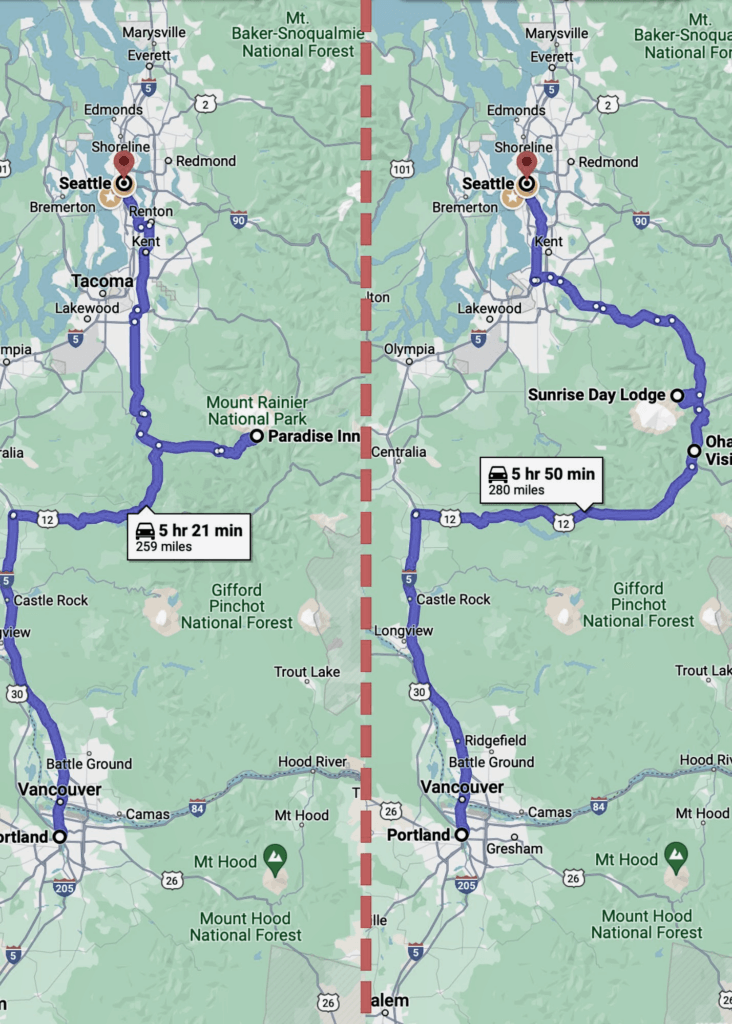
- Scenic Detours: The ability to explore attractions off the main highway, such as Mount Rainier National Park (though this adds significant time), Mount St. Helens National Volcanic Monument, or charming small towns.
- Luggage Capacity: Ideal for travelers with significant luggage or gear for outdoor activities.
Cons of Driving:
- Traffic: Can be unpredictable, especially around metropolitan areas.
- Parking: Finding and paying for parking in both Seattle and Portland city centers can be costly and challenging.
- Cost: Includes fuel, potential car rental fees, and parking expenses.
Tips for Drivers:
- Travel Off-Peak: Aim to drive mid-morning or mid-afternoon on weekdays to avoid rush hour.
- Check Traffic Reports: Use GPS apps or local traffic websites before and during your journey.
- Consider a Stop: Break up the journey with a stop in Olympia for a quick meal or to stretch your legs at the Washington State Capitol.
- Car Rental: If flying into one city and departing from the other, consider a one-way car rental. Compare prices from major providers like Enterprise, Hertz, or Avis.
Public Transportation: Bus and Train Journeys
For those who prefer to sit back, relax, and let someone else do the driving, public transportation offers excellent alternatives.
Train: Amtrak Cascades
The Amtrak Cascades route is highly regarded for its comfort and scenic views. The train journey typically takes around 3.5 to 4 hours, making it comparable to driving in good traffic, and often faster than driving in heavy traffic.
- Pros: Comfortable seats, onboard amenities (dining car, Wi-Fi), large windows for viewing the Pacific Northwest landscape, avoids traffic stress, drops you off at downtown stations in both cities.
- Cons: Less flexible scheduling than driving, potentially higher cost than a bus ticket (depending on booking time), can experience delays.
- Booking: It’s advisable to book tickets in advance, especially during peak travel seasons, through the Amtrak website.

Bus Services: Greyhound and BoltBus
Several bus companies offer routes between Seattle and Portland, providing a generally more budget-friendly option. The journey usually takes 3.5 to 4.5 hours, depending on the service and number of stops.
- Pros: Most economical option, frequent departures, allows you to relax or work during travel.
- Cons: Can be less comfortable than the train, subject to traffic delays, bus stations may be less centrally located (though both cities have downtown stations).
- Providers: Greyhound is a long-standing option, while BoltBus (now often integrated with Greyhound or FlixBus) was known for its direct routes and competitive pricing. Always check current operators and schedules.
Air Travel: Is It Worth It for This Route?
While both Seattle-Tacoma International Airport (SEA) and Portland International Airport (PDX) are major hubs, flying between the two cities is generally not recommended for most travelers due to the short distance.
- Flight Time: The actual flight time is very short, often under an hour.
- Total Travel Time: However, when you factor in travel to and from airports, security checks, boarding, and deplaning, the total door-to-door time often exceeds that of driving or taking the train.
- Cost: Flights tend to be significantly more expensive than other options, especially when accounting for baggage fees and airport transfers.
- When It Makes Sense: Air travel might be considered if you have a connecting flight from SEA or PDX to a further destination, or if you find an exceptionally rare and cheap direct flight that aligns perfectly with your schedule. For a standalone trip between the two cities, it’s inefficient.
Making the Most of Your Trip: Sights and Stays Along the Way
The journey between Seattle and Portland is an opportunity to explore the diverse landscapes and attractions that define the Pacific Northwest. Whether you’re making a quick stop or planning a multi-day adventure, there’s plenty to see and do.
Must-See Stops on I-5
While I-5 is primarily a utilitarian highway, several points of interest are either directly off the freeway or a short detour away.
- Tacoma, Washington: About 30 miles south of Seattle, Tacoma offers the excellent Museum of Glass and the scenic Point Defiance Park, which includes a zoo, aquarium, and gardens. It’s a great spot for a lunch break or a cultural stop.
- Olympia, Washington: The state capital, approximately halfway between Seattle and Portland, is home to the impressive Washington State Capitol Building and a charming downtown area.
- Centralia/Chehalis, Washington: These small towns offer antique shops and local eateries, perfect for a quaint stop.
- Mount St. Helens National Volcanic Monument (Detour): For a more significant detour (about 1.5 to 2 hours off I-5 each way), a visit to the Johnston Ridge Observatory offers breathtaking views of the volcano and educational exhibits about its 1980 eruption. This is a highly recommended stop for nature enthusiasts if time allows.
- Columbia River Gorge National Scenic Area (Detour near Portland): Just east of Portland, this area boasts spectacular waterfalls, including the iconic Multnomah Falls. While it’s a detour from I-5, it’s a quintessential Oregon experience. You can reach it via I-84 from Portland.
Exploring Portland’s Charms Upon Arrival
Once you arrive in Portland, prepare to be immersed in its unique atmosphere.
- Food Scene: Dive into the famous food cart pods scattered throughout the city, offering a dizzying array of international and local cuisine. Don’t miss sampling craft beers from one of Portland’s many microbreweries.
- Powell’s City of Books: A legendary independent bookstore occupying an entire city block – a must-visit for any book lover.
- International Rose Test Garden and Pittock Mansion: Located in Washington Park, these offer stunning views of the city, Mount Hood, and the Cascade Mountains, alongside beautiful floral displays.
- Oregon Zoo: Also within Washington Park, a leading zoo known for its conservation efforts.
- Pearl District: Explore art galleries, boutiques, and trendy restaurants in this revitalized industrial area.
- Voodoo Doughnut: Experience Portland’s quirky side with a visit to this iconic, often-imitated doughnut shop.
Discovering Seattle’s Iconic Attractions
If you’re starting your journey from Seattle or planning a return trip, make sure to experience its signature sights.
- Space Needle: An emblem of Seattle, offering panoramic views from its observation deck and a rotating glass floor.
- Pike Place Market: One of the oldest continuously operated public markets in the US, famous for its fish throwing, fresh produce, artisan crafts, and original Starbucks location.
- Chihuly Garden and Glass: Located at the Seattle Center, this exhibition showcases Dale Chihuly’s mesmerizing glass artwork.
- Museum of Pop Culture (MoPOP): An imaginative museum dedicated to contemporary popular culture, music, and science fiction.
- Ferry Ride: Take a scenic ride on one of the Washington State Ferries to Bainbridge Island or Vashon Island for stunning skyline views.
- Discovery Park: Seattle’s largest urban park, offering miles of trails, beaches, and lighthouse views.
Planning Your Stay: Accommodation and Lifestyle Choices
Whether you’re visiting for a quick weekend or an extended stay, finding the right accommodation and budgeting effectively are crucial elements of any successful trip between Seattle and Portland.
Accommodation Options in Seattle and Portland
Both cities offer a wide array of lodging options to suit every preference and budget, from luxury resorts to boutique hotels and budget-friendly hostels.
- Luxury Hotels: For those seeking an opulent experience, Seattle boasts hotels like the Four Seasons Hotel Seattle or Thompson Seattle, offering high-end amenities, spa services, and fine dining. In Portland, consider The Heathman Hotel or Hotel Lucia for a blend of historic charm and modern luxury.
- Boutique Hotels: These often reflect the local culture and provide a unique, personalized experience. Examples include Hotel Theodore in Seattle or Jupiter NEXT in Portland, known for their stylish design and vibrant atmospheres.
- Mid-Range and Chain Hotels: Reliable and comfortable options are abundant, such as Hyatt Regency Portland or various Marriott and Hilton properties in both cities, providing consistent quality and amenities.
- Vacation Rentals (Apartments/Villas): Platforms like Airbnb or Vrbo offer apartments, houses, and villas, ideal for longer stays, families, or those desiring a more local living experience. This can be particularly cost-effective for groups.
- Hostels and Budget Accommodations: For budget travelers, hostels like the Green Tortoise Hostel Seattle or HI Portland Hawthorne Hostel provide affordable dormitory-style rooms and private options, often fostering a social atmosphere.

When booking, consider the neighborhood. Do you want to be in the heart of the action (downtown, Pioneer Square in Seattle, or Pearl District in Portland) or in a quieter, more residential area with easy public transport access? Booking in advance, especially during peak seasons or major events, is always recommended to secure the best rates and availability.
Budgeting for Your Pacific Northwest Adventure
Travel expenses can vary wildly depending on your style and choices.
- Accommodation: This will likely be your largest expense. Budget anywhere from $50-100 for a hostel bed, $150-250 for a mid-range hotel, and $300+ for luxury options per night.
- Transportation: Driving incurs fuel costs ($30-50 one-way) and potentially parking ($20-40 per day in city centers). Bus tickets can be as low as $20-35 one-way, while Amtrak tickets typically range from $30-60 one-way. Factor in local public transit passes (e.g., ORCA card in Seattle, Hop card in Portland) for getting around each city.
- Food: Portland’s food carts offer incredible value, with meals often costing under $15. Sit-down restaurants in both cities can range from $25-50+ per person per meal. Groceries are an option for budget-conscious travelers with access to kitchens.
- Activities: Many attractions have entrance fees (e.g., Space Needle, museums). Look for city passes or free activities like exploring parks, public markets, or simply walking around vibrant neighborhoods.
Tips for a Smooth and Enjoyable Journey
- Weather Preparedness: The Pacific Northwest is known for its rain. Pack layers, waterproof outerwear, and comfortable walking shoes regardless of the season. Summers are generally drier and warmer, but rain is always a possibility.
- Public Transit in Cities: Both Seattle and Portland have excellent public transportation systems. Utilize them to avoid parking hassles and explore efficiently.
- Local Exploration: Don’t just stick to the main tourist traps. Wander through different neighborhoods, discover local coffee shops, breweries, and independent boutiques.
- Flexibility: While planning is good, leave some room for spontaneity. The best discoveries often happen off the beaten path.
- Stay Hydrated and Fuelled: Especially if you’re exploring on foot, keep snacks and water handy.
Conclusion: Your Ultimate Guide to the Seattle-Portland Corridor
The journey from Seattle to Portland, Oregon, is a classic Pacific Northwest travel experience, offering a blend of urban exploration, natural beauty, and distinct cultural flavors. Whether you choose the independence of a road trip, the comfort of a train, or the economy of a bus, the distance of roughly 175-180 miles is easily traversable with a little planning. From the iconic landmarks of Seattle to the quirky charm of Portland’s food scene and natural wonders, this corridor invites travelers to discover the best of what this dynamic region has to offer. By considering your travel style, budgeting effectively, and being prepared for the journey, you’re well on your way to creating lasting memories in two of America’s most beloved cities. So, pack your bags, choose your adventure, and prepare to be enchanted by the unique appeal of the Seattle-Portland route.
LifeOutOfTheBox is a participant in the Amazon Services LLC Associates Program, an affiliate advertising program designed to provide a means for sites to earn advertising fees by advertising and linking to Amazon.com. Amazon, the Amazon logo, AmazonSupply, and the AmazonSupply logo are trademarks of Amazon.com, Inc. or its affiliates. As an Amazon Associate we earn affiliate commissions from qualifying purchases.