
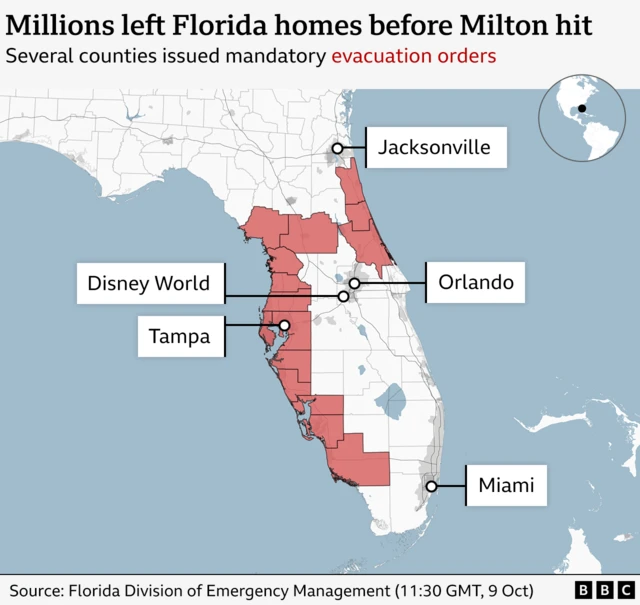
The vibrant city of Orlando, renowned globally as the “Theme Park Capital of the World,” often buzzes with anticipation – whether it’s for new attractions, grand parades, or the sheer joy of family vacations. However, during hurricane season, a different kind of anticipation can grip residents and travelers alike: the watchful waiting for a potential storm. Currently, the question on many minds is, “Is Hurricane Milton going to hit Orlando?” This query sends ripples through the entire travel industry, from hotels and resorts to airlines and the thousands of businesses that thrive on tourism in Central Florida. For anyone planning a trip or currently enjoying the magic, understanding the potential impact and how to prepare is paramount.
Orlando’s allure lies in its unparalleled array of attractions. From the enchanting kingdoms of Walt Disney World Resort to the cinematic adventures at Universal Orlando Resort, and the aquatic wonders of SeaWorld Orlando, this destination promises unforgettable experiences. But the proximity of Florida to the Atlantic Ocean and the Gulf Coast means that hurricane season is an annual reality. While the city is inland, reducing the direct threat of storm surge, high winds, heavy rainfall, and potential flooding remain significant concerns. For travelers, the uncertainty surrounding a storm like Hurricane Milton necessitates careful planning, informed decision-making, and a proactive approach to safety and travel logistics. Our guides on travel often emphasize preparedness, and in the face of a hurricane threat, this advice becomes even more critical.
Understanding the Threat: Hurricane Milton’s Path and Potential Impact
The first step in addressing the concern about Hurricane Milton is to understand the nature of the threat. Hurricanes are powerful natural phenomena, and their paths can be notoriously unpredictable, making constant vigilance essential.
Tracking the Storm: Latest Forecasts and Advisory
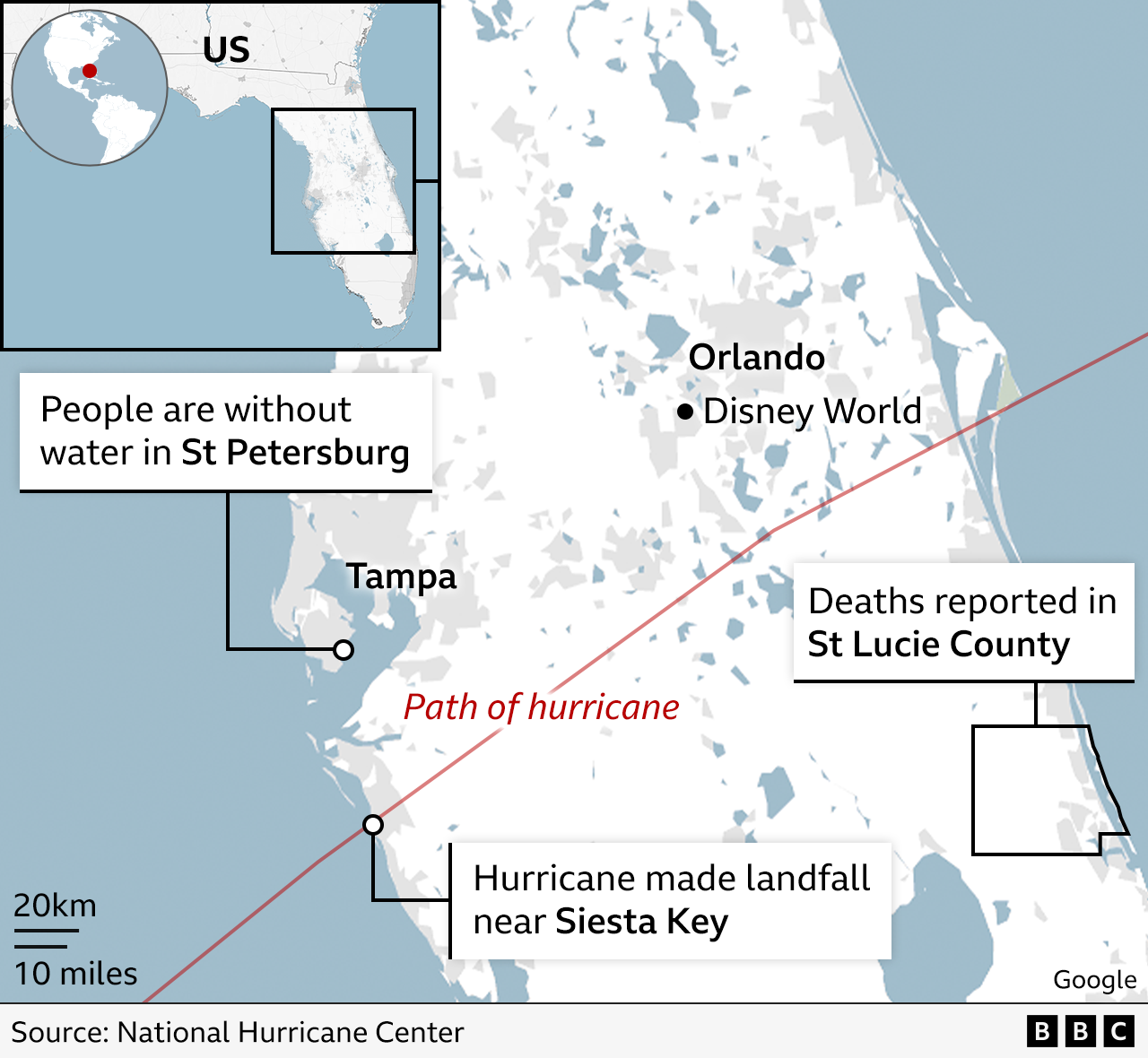
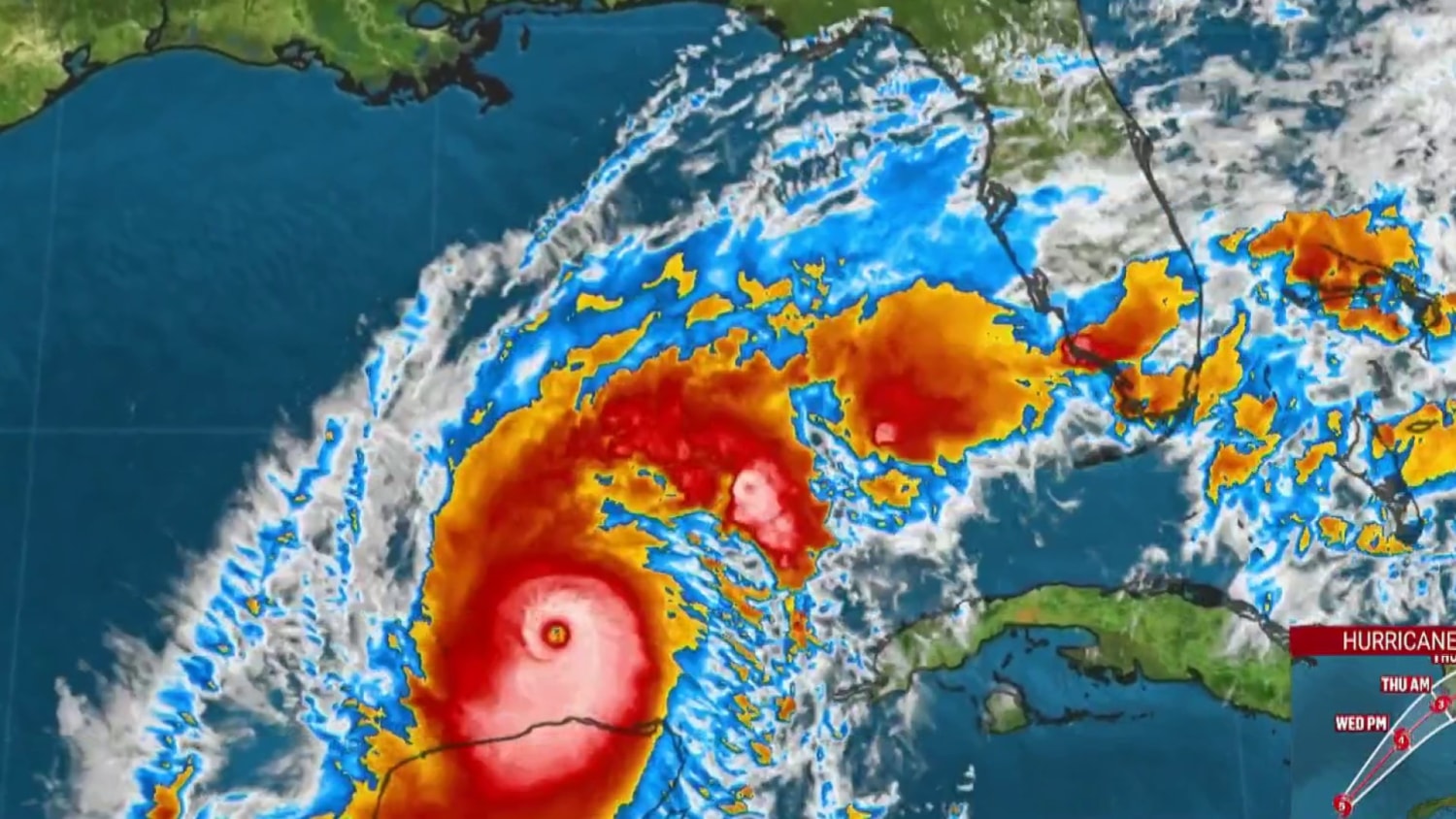
As Hurricane Milton churns, meteorologists are diligently tracking its every move. Official sources such as the National Hurricane Center (NHC) provide the most accurate and up-to-date information regarding the storm’s intensity, projected track, and potential impacts. Travelers and residents alike should closely monitor these advisories, alongside local weather reports from trusted news outlets in Florida. Forecasting models often present a cone of uncertainty, indicating the probable path, but it’s crucial to remember that a storm’s precise trajectory can shift, sometimes rapidly.
The severity of a hurricane is categorized by its wind speed, but its overall impact extends far beyond that, encompassing rainfall, storm surge (though less of a direct threat for Orlando due to its inland location), and potential for tornadoes spawned by the outer bands. For Orlando, the primary concerns associated with a strong hurricane like Milton would be sustained high winds capable of causing structural damage, widespread power outages, and torrential downpours leading to flash flooding. Even if Orlando does not experience a direct hit, indirect impacts such as heavy rain, gusty winds, and disruptions to transportation are highly probable. This dynamic situation underscores the need for continuous information gathering before making any definitive travel decisions.
Why Orlando is a Key Concern: Tourism and Infrastructure at Risk
Orlando’s identity is inextricably linked to its tourism industry. Millions of visitors flock here annually, drawn by world-class destinations that define modern entertainment. Consequently, any significant threat to the region has enormous implications, not just for the visitors but for the vast infrastructure supporting this industry.
The grand theme parks are designed with robust safety measures, but they are not immune to the severe weather a hurricane brings. In the event of a significant threat, Walt Disney World Resort, Universal Orlando Resort, and SeaWorld Orlando have well-established protocols, which typically include park closures for the safety of guests and employees. Such closures affect thousands of families, leading to re-scheduling, cancellations, and disappointment. Beyond the major parks, smaller attractions like ICON Park, Gatorland, and the various water parks would also face similar operational decisions.
The network of hotels, resorts, and accommodation options – from luxury suites to budget-friendly apartments along International Drive – are also at the forefront of concern. These establishments must ensure the safety of their guests, often acting as shelters of last resort for those unable to evacuate. Hotels like the Hyatt Regency Orlando or the Gaylord Palms Resort & Convention Center have comprehensive emergency plans, but guest services can be stretched thin, and amenities might be curtailed during the storm.
Crucially, Orlando International Airport (MCO), one of the busiest airports in the world, plays a pivotal role in handling the influx and outflow of visitors. A hurricane threat can lead to significant flight cancellations and airport closures, stranding travelers and impacting logistical chains. The ripple effect extends to rental car services, ground transportation, and other essential visitor services, compounding the challenge for anyone planning a lifestyle experience from luxury travel to budget travel.
Preparing for the Unpredictable: Essential Guidance for Travelers
When faced with the looming threat of a hurricane, preparedness is the most potent tool in a traveler’s arsenal. It can significantly mitigate stress, financial loss, and ensure safety.
Before You Go: Travel Insurance, Bookings, and Flexibility
For those with upcoming trips to Orlando, the period leading up to a potential hurricane is critical for pre-emptive action. The first step should be a thorough review of your travel insurance policy. Many policies offer coverage for hurricane-related cancellations or interruptions, but it’s essential to understand the terms, particularly if the storm has already been named and is a known threat. Some policies have a cut-off point for purchasing coverage once a storm is officially recognized.
Next, contact your airline, hotel, and any tour operators. Major airlines often issue waivers allowing passengers to change flights without penalty if a hurricane threatens their destination. Similarly, hotels and resorts, including those within Walt Disney World Resort like the Walt Disney World Swan and Dolphin Resort or Universal Orlando Resort properties like Universal’s Endless Summer Resort – Surfside Inn and Suites, typically have “hurricane guarantee” policies that allow for fee-free cancellations or re-bookings. Always verify these policies directly. This flexibility is a cornerstone of smart booking practices during hurricane season.
If the storm’s trajectory indicates a high probability of impact on Orlando, consider delaying or postponing your trip. While inconvenient, prioritizing safety over an itinerary is always the wisest choice. For those unable to reschedule, ensure you have copies of all important documents (passports, IDs, booking confirmations) in a waterproof bag. Pack essential medications, a portable charger for electronic devices, and enough cash in case ATMs or electronic payment systems are down. This proactive planning is a testament to mindful travel and a crucial aspect of family trips during unpredictable weather patterns.
On the Ground in Orlando: Safety Protocols and Local Resources
For travelers already in Orlando when Hurricane Milton poses a threat, immediate action and adherence to local guidance are critical. The foremost directive is to heed all warnings and instructions from local authorities, including emergency management officials and the staff at your accommodation. Your hotel or resort will have established emergency plans, which may include directives for sheltering in place, moving to designated safe areas within the property, or even evacuation if advised by the county.
Familiarize yourself with your hotel’s specific hurricane procedures. Find out where emergency exits are, where to go if an evacuation is ordered, and what services might be limited during the storm. Many properties will distribute emergency information, including lists of local resources, shelter locations, and contact numbers. It’s advisable to have a supply of bottled water, non-perishable snacks, and any necessary prescription medications, as pharmacies and stores may close early or be inaccessible during and immediately after the storm.
Maintain communication with your family and friends outside the area, informing them of your plans and status. Cell service can be unreliable during a hurricane, so consider text messages or social media updates as alternatives to calls. Should an evacuation be ordered, follow the designated routes promptly. Remember that traffic can become extremely congested, so allow ample time. Orlando also has public shelters available; their locations are typically announced by Orange County emergency management. Staying informed and compliant with local directives is the safest approach to navigating the storm.
Navigating Post-Storm Realities: Recovery, Reopening, and Future Travel
The aftermath of a hurricane, whether it’s a direct hit or a near miss, presents its own set of challenges and considerations for travelers. The focus shifts from preparedness to resilience and recovery.
Assessing the Aftermath: What to Expect if Milton Strikes
If Hurricane Milton makes a significant impact on Orlando and the wider Central Florida region, the immediate aftermath can involve widespread power outages, downed trees, localized flooding, and debris. Transportation infrastructure, including roads and Orlando International Airport (MCO), may be temporarily closed or operating with significant delays. Theme parks and other attractions would likely remain closed for assessment and cleanup, with reopening timelines dependent on the extent of damage and restoration of essential services. Iconic landmarks such as the Epcot Spaceship Earth or the Cinderella Castle at Magic Kingdom Park would need to be inspected for safety.
Visitors who sheltered in place should anticipate disruptions to daily life. Availability of gasoline, groceries, and restaurant services might be limited. Communication networks could be intermittent. The priority for local authorities and businesses will be safety, damage assessment, and the restoration of critical services. Patience and understanding are crucial during this period. Attempting to travel out of the affected area immediately after the storm can be challenging, as roads may be impassable and flights canceled. It’s best to stay put until official advisories indicate it is safe to move. The community spirit of Orlando often shines brightly during such recovery efforts, with neighbors helping neighbors and local businesses working tirelessly to resume operations.
When the Coast is Clear: Resuming Your Orlando Adventures
Orlando’s tourism industry is incredibly resilient. Following past hurricane events, theme parks and resorts have demonstrated remarkable efficiency in reopening, often within days, depending on the storm’s severity. Once the threat has passed and the area is deemed safe, official announcements regarding reopening schedules will be made. It’s imperative to consult the official websites of Walt Disney World Resort, Universal Orlando Resort, SeaWorld Orlando, and LEGOLAND Florida Resort for the most accurate information on park status, operating hours, and any modified experiences.
For those planning to visit Orlando shortly after a hurricane, be prepared for potential minor lingering effects, such as reduced landscaping at some parks, temporary closures of certain outdoor attractions, or limited services at some hotels. However, the vast majority of the Orlando experience typically resumes quickly. Choosing to visit after a storm, once it’s safe to do so, can also be a wonderful way to support the local economy and aid in the community’s recovery. The hospitality industry in Orlando is built on creating magical moments, and they are adept at bouncing back.
Before re-booking or planning a trip, always check current travel advisories and ensure that your chosen accommodation and transportation options are fully operational. Orlando remains a premier destination, and its ability to recover swiftly ensures that the magic will always return.
In conclusion, while the question “Is Hurricane Milton going to hit Orlando?” brings understandable concern, the city and its robust tourism infrastructure are well-versed in hurricane preparedness and recovery. For travelers, the key is vigilance, proactive planning, comprehensive travel insurance, and an unwavering commitment to safety. By staying informed through official channels and adhering to expert guidance, visitors can make the best decisions for their travel plans, ensuring that their Orlando adventures remain as joyful and memorable as ever, even in the face of nature’s unpredictability.
LifeOutOfTheBox is a participant in the Amazon Services LLC Associates Program, an affiliate advertising program designed to provide a means for sites to earn advertising fees by advertising and linking to Amazon.com. Amazon, the Amazon logo, AmazonSupply, and the AmazonSupply logo are trademarks of Amazon.com, Inc. or its affiliates. As an Amazon Associate we earn affiliate commissions from qualifying purchases.