
Planning a trip often involves meticulous budgeting, from flights and activities to, most significantly, accommodation. Travelers meticulously compare hotel prices, pore over reviews, and envision their perfect stay, whether it’s a bustling city escape or a serene beachfront retreat. However, a common and often frustrating surprise awaiting many is the “resort fee” — an additional, non-negotiable charge that can significantly inflate the advertised room rate. For those delving into the world of travel and accommodation, understanding what a resort fee is, why it exists, and how it impacts your overall travel budget is crucial for making informed decisions and ensuring a smooth, enjoyable journey.
This enigmatic charge, sometimes labeled as a “destination fee,” “amenity fee,” or “facility fee,” has become a pervasive element in the hospitality industry, particularly in popular tourist destinations and properties that offer an extensive array of services. Far from being a luxury add-on, it’s often a mandatory charge, applied per room per night, regardless of whether guests actually utilize the amenities it supposedly covers. This article will unpack the intricacies of resort fees, explore their origins, dissect what they typically include, and equip travelers with strategies to navigate this often-contentious aspect of modern accommodation.

Unpacking the Resort Fee: Definition and Origins
The concept of a resort fee can feel like a riddle to first-time travelers and seasoned explorers alike. It represents a significant departure from the traditional model where the quoted room rate was, for the most part, the final price, save for local taxes. Understanding its definition and historical context sheds light on why it has become such a ubiquitous practice in certain segments of the travel industry.
Defining the Elusive Charge
At its core, a resort fee is a mandatory, per-night charge imposed by a hotel or resort, ostensibly to cover the cost of certain amenities and services that guests are presumed to use. Unlike optional extras like spa treatments or room service, this fee is typically unavoidable and is added to the room rate, often only disclosed at the very end of the booking process or even upon arrival. This lack of upfront transparency is precisely why resort fees frequently spark frustration and lead to a feeling of being misled.
It’s important to distinguish a resort fee from standard taxes or even gratuities. While taxes are government-mandated levies, and gratuities are a voluntary show of appreciation for service, a resort fee is an internal charge set by the property itself. It’s part of the accommodation cost but segregated from the base rate, creating a perception of a lower initial price. This practice has led to widespread debate regarding its fairness and legality, with many consumer advocacy groups arguing it constitutes “drip pricing” – a tactic where elements of the price are revealed in increments, leading to a higher final cost than initially perceived.
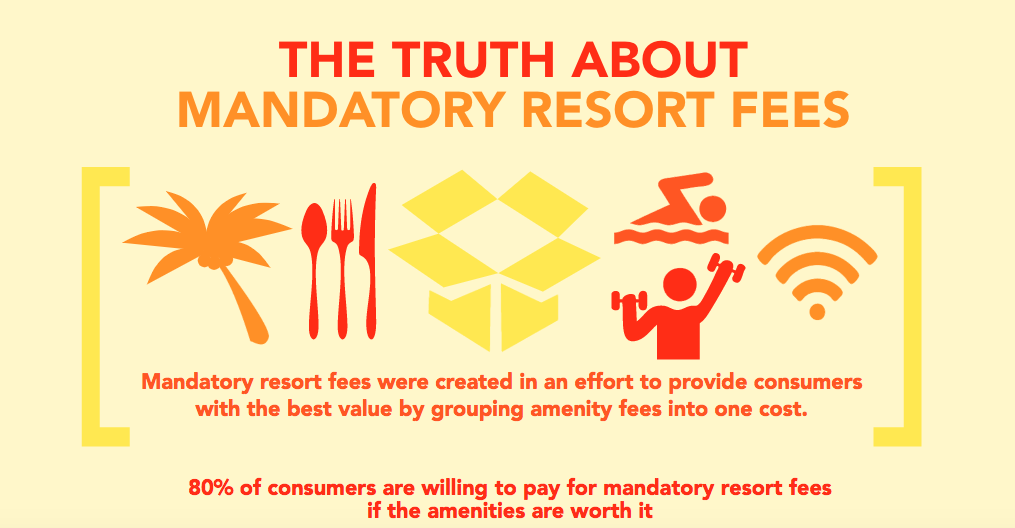
For travelers comparing different hotels, resorts, suites, or even villas, the presence or absence of a resort fee can drastically alter the actual expense. A seemingly cheaper room at one property might end up being more expensive than a higher-priced room at another once the resort fee is factored in. This necessitates a careful review of the total cost when booking any form of accommodation.
A Brief History and the Hotel’s Rationale
The origin of resort fees can be traced back several decades, primarily emerging in popular vacation destinations like Las Vegas and Hawaii. Initially, these fees were genuinely designed to cover unique, resort-specific amenities like private beach access, golf course discounts, or elaborate entertainment programs that distinguished a resort from a standard hotel. Over time, however, the scope of what these fees supposedly cover has broadened significantly, and the practice has spread beyond traditional “resorts” to encompass city hotels, boutique properties, and even some apartment-style accommodations.
Hotels typically offer several justifications for charging resort fees:
- Covering Amenity Costs: They argue that these fees help offset the operational expenses of maintaining high-value amenities such as Wi-Fi, fitness centers, pools, and business centers, which are now considered standard expectations by guests.
- Competitive Pricing: By keeping the base room rate lower and adding the fee separately, hotels believe they appear more competitive in initial online searches. This allows them to capture the attention of budget-conscious travelers while still generating revenue for these “included” services.
- Revenue Generation: For many properties, resort fees represent a significant and predictable revenue stream, allowing them to boost their bottom line without directly increasing the headline room rate.
- Tax Benefits: In some jurisdictions, resort fees may be subject to different tax rates than the base room rate, or even exempt from certain occupancy taxes, providing a financial advantage to the property.

While hotels frame these fees as beneficial for guests by bundling services, many travelers view them as an unfair and opaque practice. This discrepancy between the hotel’s rationale and the traveler’s experience is at the heart of the ongoing controversy surrounding resort fees.
What Do Resort Fees Typically Cover and Why They Matter
The amenities promised to be covered by a resort fee can vary wildly from one property to another, and often, what is included might already be expected as part of a modern hotel stay. This variability, combined with the mandatory nature of the charge, makes it a critical factor for travelers when assessing the true value and cost of their chosen accommodation.
Common Inclusions and Unexpected Exclusions
When a hotel charges a resort fee, it will usually provide a list of what’s included. The list often features items that many travelers might assume are standard inclusions in a hotel stay, especially at a higher-end property. Common inclusions typically encompass:
- Wi-Fi Access: High-speed internet access in guest rooms and public areas.
- Fitness Center Access: Use of the hotel gym or health club.
- Pool and Hot Tub Access: Entry to on-site swimming facilities.
- Local Calls: Unlimited local and sometimes toll-free calls.
- Daily Newspaper: A complimentary newspaper delivery or access to digital versions.
- Bottled Water: A few complimentary bottles of water in the room.
- Business Center Access: Use of computers and printers.
- Concierge Services: Though this is often available to all guests regardless.
- Shuttle Services: To nearby attractions or transit hubs, such as those found around Walt Disney World Resort in Orlando.
- Beach or Pool Towels: At properties near coastal destinations like Miami.
- In-room Coffee/Tea: Often a basic amenity even without a fee.
However, the “coverage” can be perplexing. For instance, guests might find that while Wi-Fi is included, only a basic speed is offered, and a higher speed requires an additional charge. Similarly, fitness center access might be covered, but specific classes or personal training sessions are not. What’s more, the fee is typically charged per room, per night, regardless of how many guests are staying or how many of these amenities are actually used. A solo business traveler who only needs a bed and Wi-Fi will pay the same fee as a family utilizing the pool, gym, and shuttle services.
Even more frustrating are the unexpected exclusions. Often, services that travelers might expect to be covered by a general “resort fee” are not. For example, parking fees, even self-parking, are almost universally separate charges. Laundry services, specific children’s activities, spa treatments, certain sports equipment rentals, or even specific entertainment events within the resort are almost always additional costs. This disconnect between what the fee implies and what it actually delivers often leads to traveler dissatisfaction and resentment.
The True Cost to Your Travel Budget and Accommodation Choice
The financial impact of resort fees on a traveler’s budget cannot be overstated. A room advertised at $150 per night might seem attractive, but with a $45 resort fee, the actual cost jumps to $195 before taxes. Over a multi-night stay, this can amount to hundreds of dollars, significantly altering the overall expense of a trip. For instance, a week-long stay at a resort with a $50 daily resort fee adds an extra $350 to the bill, excluding taxes on that fee.
This hidden cost directly affects a traveler’s ability to plan and budget effectively for their trip. When comparing different accommodation options, relying solely on the advertised nightly rate can be highly misleading. A hotel appearing to be a budget-friendly option might, in reality, be more expensive than a seemingly pricier alternative once the resort fee is added. This makes the crucial process of booking and comparison much more complex.
For budget travelers, these fees can be particularly prohibitive, eating into funds allocated for food, activities, or transportation. For those planning luxury travel, while the impact might be less severe percentage-wise, it still represents an opaque charge that detracts from a premium experience. Even for business stays, where expenses are often meticulously tracked, resort fees can complicate reporting and reimbursements.
The proliferation of resort fees also influences broader tourism trends. Destinations known for high resort fees, such as Honolulu or specific areas within California and Nevada, can become less attractive to travelers seeking full transparency or those on tighter budgets. It shifts the focus from the unique attractions and local culture to an often-frustrating financial calculation, thereby diminishing the overall travel experience.
Navigating the Nuances: Pros, Cons, and Traveler Strategies
While resort fees are predominantly viewed as a negative aspect of travel, understanding the full spectrum of their impact and developing proactive strategies can empower travelers to make more informed choices and mitigate potential frustrations.
The Traveler’s Perspective: Hidden Costs vs. Perceived Value
From the traveler’s viewpoint, the primary “con” of resort fees is their lack of transparency. The practice of “drip pricing” undermines trust and makes accurate budgeting difficult. Many feel that hotels deliberately hide these fees to make their base rates appear more competitive online, only to surprise guests with the additional cost later. This can lead to a sense of being unfairly treated or even deceived, souring the start of a vacation or business trip.
Furthermore, the value proposition of resort fees is often questionable. Guests are forced to pay for amenities they may not use, such as a fitness center if they prefer outdoor activities, or a daily newspaper they never read. Even for amenities like Wi-Fi, which is practically a necessity in modern travel, guests resent paying an extra fee when it’s offered free of charge at many other hotels and accommodations globally. This perception of paying for nothing or for something that should be free significantly diminishes the perceived value of the fee.
However, a less common “pro” can be argued from a niche perspective: in specific high-end resorts, particularly those offering extensive amenities like multiple pools, private beach access, dedicated recreational staff, or unique entertainment, the resort fee could be seen as a way to bundle these services at a potentially lower collective cost than if each were purchased individually. For travelers who plan to heavily utilize every amenity offered, there might be a rare instance where the fee feels justified. Yet, this is often the exception, not the rule, and the mandatory nature of the fee still removes the choice from the guest.
Ultimately, for the vast majority of travelers, the cons far outweigh any perceived pros. The feeling of hidden costs and the mandatory nature of fees for unused services are major pain points that impact overall satisfaction with hotels and the travel industry at large.
Smart Strategies to Mitigate or Avoid Resort Fees
Navigating the landscape of resort fees requires a proactive and informed approach. While completely avoiding them might not always be possible in certain destinations or for specific types of accommodation, several strategies can help mitigate their impact.
Research and Booking Wisely
The most crucial step is thorough research before booking.
- Read the Fine Print: When booking online, carefully scrutinize the “total price” breakdown before confirming. Look for terms like “resort fee,” “destination fee,” “amenity fee,” or “facility fee.” Many online travel agencies (OTAs) are improving their transparency, but the fee might still only appear at the final stage.
- Check Hotel Websites Directly: Sometimes, a hotel’s official website will have a clearer breakdown of fees than third-party booking sites.
- Call the Hotel: If in doubt, a quick phone call to the hotel’s front desk or reservations department can clarify if a resort fee is charged and what it includes. This is especially useful for boutique hotels or smaller resorts where information might be less standardized online.
- Utilize Filters and Reviews: Some booking platforms allow you to filter results by “no resort fees.” Additionally, recent reviews on platforms like TripAdvisor (though this is an external site, it’s a known proper noun for review sites) often mention resort fee experiences, providing valuable insights. Remember, I can’t link to external sites, so I won’t link TripAdvisor. I will just mention it as a common tool for travelers.
- Consider Alternative Accommodation: If resort fees are prevalent and unappealing, explore alternatives like vacation rentals (apartments, villas), hostels, or hotels that explicitly state “no resort fees” or “fees included.”
Leveraging Loyalty Programs and Status
For frequent travelers, loyalty programs can offer a glimmer of hope:
- Elite Status Perks: Some hotel loyalty programs, particularly at their higher elite tiers, waive resort fees for their members. For example, Marriott Bonvoy Titanium and Ambassador Elite members, and Hilton Honors Diamond members, often have their resort fees waived when staying on points or certain eligible rates. Always check the specific program terms and conditions, as these policies can change.
- Booking with Points: Sometimes, resort fees are waived when booking a room entirely with loyalty points. This is a significant advantage for travelers who accumulate points through credit cards or frequent stays with brands like Hyatt or IHG Hotels & Resorts. This can make a seemingly expensive stay at a Grand Hyatt Hotel much more palatable.
Negotiation and Dispute Resolution
While not always successful, there are situations where you might be able to negotiate or dispute a resort fee:
- Upon Check-in: If you discover a resort fee upon check-in and feel it was not adequately disclosed or if you genuinely won’t use the amenities, politely inquire if it can be waived. Be prepared for a refusal, but a polite request, especially if you have a valid reason (e.g., a very short stay, immediate departure, no use of facilities), might sometimes work, particularly at independent properties.
- Dispute Unused Amenities (Carefully): Some travelers have had success disputing the fee if they can prove they didn’t use any of the included amenities. This is a tougher battle and generally not recommended as a primary strategy, as the fee is usually mandatory regardless of usage.
- Credit Card Disputes: As a last resort, if you believe the fee was fraudulently or deceptively added, you could consider disputing it with your credit card company. However, be aware that this can damage your relationship with the hotel and may not be successful if the hotel can prove the fee was disclosed somewhere in the booking process.
- Focus on Documentation: Always keep records of your booking confirmation, any correspondence with the hotel, and any screenshots of the booking page that show or don’t show the resort fee disclosure.
The Evolving Landscape of Resort Fees and Consumer Advocacy
The ongoing debate surrounding resort fees is not just confined to travelers and hotels; it has attracted the attention of lawmakers and consumer protection agencies, signaling a potential shift in how these charges are regulated in the future.
Legislative Efforts and Industry Shifts
The pushback against resort fees has not gone unnoticed. In various countries and regions, consumer advocacy groups and government bodies have begun to scrutinize the practice, particularly regarding its transparency. In the United States, the Federal Trade Commission (FTC) has, at times, investigated the practice, labeling it as potentially deceptive. There have been calls for legislative action to mandate “all-in pricing,” where the advertised rate must include all mandatory fees, making the true cost immediately apparent. Similar discussions are occurring in other major tourist destinations globally.
Some states, like New York, have seen specific legislative proposals aimed at curbing or making resort fees more transparent. While widespread federal legislation has yet to materialize in the United States, the consistent pressure from consumers and the media has led some hotel companies and online travel agencies to take steps towards greater disclosure. Some OTAs now make a more concerted effort to display resort fees upfront, even if they are still listed separately from the base rate.
The industry itself is also undergoing a subtle shift. While many hotels remain committed to resort fees, a growing number of properties are opting to absorb these costs into their base rates or simply choosing not to charge them at all, leveraging “no resort fee” as a competitive advantage. This is particularly true for certain brands or smaller, independent hotels that prioritize straightforward pricing and guest satisfaction. This evolving landscape suggests that while resort fees are still prevalent, the tide may slowly be turning towards greater transparency and, potentially, their eventual decline as a separate charge.
Making Informed Decisions for Future Travel Experiences
For the modern traveler, understanding the intricacies of resort fees is no longer just a minor detail; it’s an essential part of responsible travel planning and accommodation booking. The ability to distinguish between an attractive headline rate and the true total cost is paramount, whether you are planning a family trip, a business stay, or a luxurious escape.
By adopting the strategies outlined – meticulous research, leveraging loyalty programs, and understanding the scope of what’s included (and excluded) – travelers can minimize financial surprises and maintain a more accurate budget. Furthermore, providing feedback to hotels, booking platforms, and consumer advocacy groups about positive or negative experiences with resort fees contributes to the broader conversation and encourages industry-wide change towards greater transparency.
Ultimately, the choice of where to stay, what amenities to pay for, and how to value your travel experience rests with the individual. By being knowledgeable about resort fees, you empower yourself to make better decisions, ensuring that your journey, from the initial booking to the final check-out, is as seamless and enjoyable as possible, allowing you to focus on the destinations, attractions, and experiences that truly matter.
LifeOutOfTheBox is a participant in the Amazon Services LLC Associates Program, an affiliate advertising program designed to provide a means for sites to earn advertising fees by advertising and linking to Amazon.com. Amazon, the Amazon logo, AmazonSupply, and the AmazonSupply logo are trademarks of Amazon.com, Inc. or its affiliates. As an Amazon Associate we earn affiliate commissions from qualifying purchases.