
The question “How big is San Francisco City?” might seem straightforward, but its answer reveals a fascinating blend of compact geography and immense cultural impact. Far from being sprawling, San Francisco is a remarkably concise metropolis, packing a world of experiences into a surprisingly small footprint. This unique characteristic profoundly shapes everything from its iconic landmarks and diverse neighborhoods to the practicalities of travel, accommodation, and the overall lifestyle enjoyed by residents and visitors alike.
Often dubbed “The City by the Bay,” San Francisco sits on a peninsula, bordered by the Pacific Ocean to the west and San Francisco Bay to the north and east. This geographic constraint has dictated its growth, resulting in a dense, vibrant urban environment that is exceptionally walkable and rich in character. Understanding its dimensions is key to appreciating its charm and planning an unforgettable trip to this jewel of California.
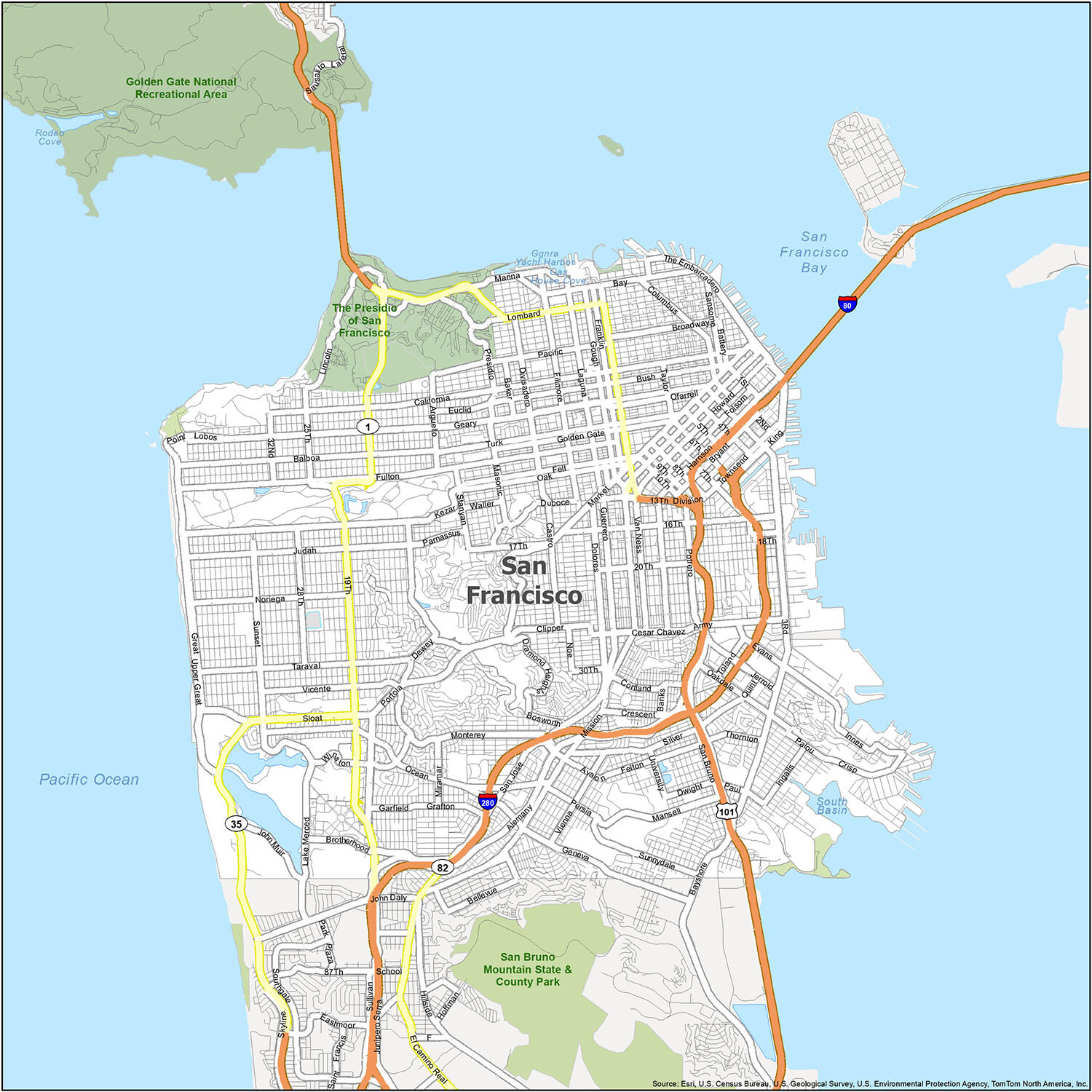
Unpacking the Dimensions: San Francisco’s Geographic Footprint
To truly grasp the essence of San Francisco, we must first look at its physical scale. Unlike many major American cities that sprawl for hundreds of miles, San Francisco is remarkably contained.
A Compact Metropolis on a Peninsula
The city and county of San Francisco occupy a land area of approximately 46.87 square miles (121.39 square kilometers). This makes it one of the smallest major cities in the United States by land area. To put this into perspective, its neighboring city, Oakland, is roughly double its size, and Los Angeles County is vast, encompassing over 4,000 square miles. Even Manhattan in New York City, often considered the epitome of urban density, covers about 23 square miles, meaning San Francisco is about twice the size of Manhattan but with significantly different topography and fewer skyscrapers dominating its immediate skyline.
This compact nature is largely due to its peninsular location. Confined by water on three sides, the city has grown vertically and intensely, fostering a unique urban landscape characterized by distinct neighborhoods, steep hills, and breathtaking vistas. The city’s boundaries are well-defined: the Golden Gate Bridge marks its northernmost point, stretching across the Golden Gate strait, while its southern border connects to the rest of the San Francisco Bay Area.
Density and Urban Character
Despite its relatively small land area, San Francisco is home to over 800,000 people, making it one of the most densely populated major cities in the United States. This high population density is a defining characteristic, contributing to its bustling energy, vibrant street life, and diverse cultural fabric.
The density is not uniform, however. Areas like the Financial District, SoMa (South of Market), and Union Square are packed with high-rises, businesses, hotels, and retail spaces. In contrast, residential neighborhoods like Pacific Heights, the Marina District, or Noe Valley offer a more suburban feel with Victorian and Edwardian homes, tree-lined streets, and local parks, while still maintaining an urban density that’s rare in many other American cities.
This blend of urban intensity and neighborhood intimacy is precisely what makes San Francisco so appealing to travelers seeking diverse experiences within close proximity. Its size ensures that you’re never truly far from your next adventure, whether it’s a world-renowned landmark, a hidden culinary gem, or a quirky local boutique.

Navigating the City: How San Francisco’s Size Shapes Your Travel Experience
The compact size of San Francisco is perhaps its greatest asset for tourism. It means that visitors can experience a remarkable depth and breadth of attractions, cultures, and activities without spending excessive time commuting. This efficiency enhances the travel experience, allowing for more exploration and less logistical hassle.
Walkability and Public Transit Efficiency
One of the most immediate benefits of San Francisco’s size is its exceptional walkability. Many of the city’s most famous attractions and charming neighborhoods are within easy walking distance of each other. Strolling through the colorful streets of Chinatown, marveling at the Painted Ladies near Alamo Square, or meandering along the waterfront at Fisherman’s Wharf can all be done on foot, providing an intimate perspective of the city’s unique character.
For longer distances, San Francisco’s public transportation system is robust and efficient. The Municipal Railway, affectionately known as MUNI, operates a network of buses, streetcars, historic trolleys, and the iconic San Francisco Cable Cars. The BART (Bay Area Rapid Transit) system connects the city to the wider Bay Area, including both San Francisco International Airport (SFO) and Oakland International Airport (OAK). This means that whether you’re staying in Union Square, Fisherman’s Wharf, or a more residential area, getting to your desired destination is typically quick and convenient, making guides for navigating the city easy to follow and highly effective. For those seeking a blend of budget travel and authentic local experiences, relying on public transport is a fantastic option.
Iconic Landmarks Within Reach
The density of San Francisco means that its world-famous landmarks are not scattered across vast distances but are instead clustered, making it possible to visit several in a single day. Imagine starting your morning with a leisurely walk or bike ride across the Golden Gate Bridge, then taking a ferry to Alcatraz Island for an afternoon tour of the notorious prison. Later, you could find yourself exploring the bustling energy of Pier 39 at Fisherman’s Wharf, followed by a scenic ride up Lombard Street, “the crookedest street in the world.”
Other notable landmarks like Coit Tower, offering panoramic city views; the sprawling urban oasis of Golden Gate Park, home to the California Academy of Sciences and the de Young Museum; and the majestic Palace of Fine Arts are all remarkably accessible. This concentration of attractions makes San Francisco an ideal destination for those who want to maximize their sightseeing without feeling rushed or overwhelmed by long travel times. It’s perfect for family trips where young children might have limited patience for lengthy commutes, or for business stays where time is often at a premium.
Exploring Diverse Neighborhoods
Beyond its famous landmarks, San Francisco’s compact nature has fostered a rich tapestry of distinct neighborhoods, each with its own unique local culture, architecture, and atmosphere. From the vibrant nightlife of North Beach, the city’s Little Italy, to the bohemian charm of Haight-Ashbury, once the epicenter of the counterculture movement, exploring these areas is an essential part of the San Francisco experience.
You can wander through the colorful streets of The Castro, a historic hub for LGBTQ+ culture, or immerse yourself in the vibrant murals and authentic taquerias of the Mission District. The upscale boutiques and art galleries of Hayes Valley offer a different vibe, while the historic elegance of Nob Hill provides a glimpse into the city’s affluent past. The Presidio, a former military post turned national park, offers stunning natural beauty and recreational opportunities, seamlessly blending nature with urban life.
This ability to hop from one distinct cultural experience to another within minutes is a direct result of San Francisco’s size. It encourages deeper dives into local life, allowing travelers to taste different cuisines, explore unique shops, and engage with the city’s diverse communities without feeling like they’ve left one city for another.
Accommodation and Lifestyle: Making the Most of a Small City
The compact nature of San Francisco doesn’t just impact how you move around; it also profoundly influences where you stay, what you eat, and the kind of lifestyle experiences you can pursue. From luxury resorts to budget-friendly apartments, the city’s accommodation options are as diverse as its population, all contributing to an enriched tourism experience.
Finding Your Perfect Stay
Due to its high density and desirability, accommodation in San Francisco can be competitive, particularly during peak travel seasons. However, the city offers a wide array of options to suit every preference and budget. Luxury travelers will find world-class hotels and resorts in areas like Union Square or Nob Hill, boasting exquisite amenities, stunning views, and impeccable service. These locations offer easy access to high-end shopping, fine dining, and cultural attractions.
For those on a budget, numerous boutique hotels, hostels, and long-term stay apartments are scattered throughout different neighborhoods. Areas around Fisherman’s Wharf or SoMa (South of Market) often provide convenient bases, offering a mix of established hotels and modern apartment-style accommodations. Given the city’s efficient public transport, even staying a bit further out from the absolute center can still provide easy access to all the main attractions without compromising the travel experience. Booking well in advance and comparing reviews are essential tips for securing the best accommodation at the right price in this vibrant city.
Culinary Delights and Cultural Immersion
San Francisco’s small size and high density foster an incredibly diverse and dynamic food scene. From Michelin-starred restaurants to casual food trucks, the culinary landscape reflects the city’s multicultural population. You can savor authentic dim sum in Chinatown, indulge in sourdough bread bowls at Fisherman’s Wharf, or explore innovative farm-to-table cuisine in the Mission District. The Ferry Building Marketplace is a mecca for foodies, showcasing local producers and artisanal foods.
Beyond food, the city’s compact nature allows for deep cultural immersion. You can easily transition from an art gallery opening in SoMa (South of Market) to a jazz club in North Beach, or catch a live performance in the historic Civic Center area. The density means that cultural events, festivals, and local activities are almost always within reach, offering enriching experiences for all types of travelers, whether they are focused on local culture, arts, or nightlife.
Budget to Luxury: A City for Every Traveler
Whether you’re planning a luxury travel escapade, a budget-conscious adventure, a family trip, or a business stay, San Francisco’s size makes it adaptable. Its compact footprint means that luxury experiences, like dining at a high-end restaurant or staying in a five-star hotel, are often just a short walk or taxi ride from more budget-friendly options. This allows travelers to mix and match experiences according to their preferences and financial plans.
For business travelers, the proximity of the Financial District and SoMa (South of Market) to premium hotels and convention centers like the Moscone Center streamlines logistics, making business stays efficient and productive. Meanwhile, families can easily navigate between child-friendly attractions in Golden Gate Park and the entertainment options at Pier 39, ensuring everyone in the group has a memorable time without excessive travel fatigue.
In conclusion, while San Francisco may not be “big” in terms of geographical square miles, its stature as a global destination is immense. Its compact size is not a limitation but rather a superpower, concentrating an unparalleled array of landmarks, cultural experiences, culinary delights, and diverse neighborhoods into an easily explorable and endlessly fascinating urban tapestry. It’s a city designed for discovery, where every turn can lead to a new adventure, proving that indeed, good things often come in small packages.
LifeOutOfTheBox is a participant in the Amazon Services LLC Associates Program, an affiliate advertising program designed to provide a means for sites to earn advertising fees by advertising and linking to Amazon.com. Amazon, the Amazon logo, AmazonSupply, and the AmazonSupply logo are trademarks of Amazon.com, Inc. or its affiliates. As an Amazon Associate we earn affiliate commissions from qualifying purchases.