
The arrival of a major weather event like Hurricane Milton in a popular travel destination like Florida inevitably raises a whirlwind of questions and concerns, especially for those planning trips, currently visiting, or residing in the Sunshine State. While the precise timing of a hurricane’s landfall is a dynamic and constantly evolving forecast, understanding the broader context of Florida’s hurricane season, coupled with robust preparedness strategies, is paramount for any traveler. This comprehensive guide aims to arm you with the knowledge needed to navigate the uncertainties surrounding Hurricane Milton, ensuring your safety and helping you make informed decisions about your travel plans, accommodations, and overall Florida experience.
Florida, a vibrant hub for tourism boasting world-renowned attractions, stunning beaches, and diverse lifestyle options, is no stranger to tropical weather systems. While these events can be serious, an informed approach, utilizing official information sources and understanding how to adapt your plans, can significantly mitigate potential risks. This article will delve into how hurricanes are tracked, essential pre-travel and on-the-ground preparedness for visitors, the potential impact on Florida’s iconic landmarks and tourism sector, and crucial post-storm considerations, all tailored for the discerning traveler.
Understanding Hurricane Season in Florida: What Travelers Need to Know
For any journey to Florida, particularly between early summer and late fall, an awareness of hurricane season is crucial. Knowing the general patterns and how storm systems are monitored can provide a framework for understanding specific threats like Hurricane Milton.
The Dynamics of Tropical Storms and Hurricanes
The official Atlantic hurricane season runs from June 1st to November 30th each year. During this period, conditions in the Atlantic Ocean, Caribbean Sea, and Gulf of Mexico are conducive to the formation of tropical depressions, which can intensify into tropical storms and then hurricanes. The peak of the season typically occurs from August through October, when ocean waters are warmest and atmospheric conditions most favorable.
A hurricane is essentially a massive storm system characterized by a low-pressure center (the eye), strong spiraling winds, and heavy rainfall. Its destructive potential comes from high winds, storm surge (an abnormal rise of water generated by the storm, over and above the predicted astronomical tide), torrential rains leading to flooding, and tornadoes spawned by the storm. While Hurricane Milton specifically is the focus, the principles of preparedness apply to any named storm. It is imperative for all visitors to regularly monitor official forecasts from reputable sources such as the National Hurricane Center (NHC) and local weather authorities. These agencies provide critical information regarding a storm’s projected path, intensity, and potential impacts, which directly influences travel advisories and public safety measures.

How Milton’s Path is Monitored
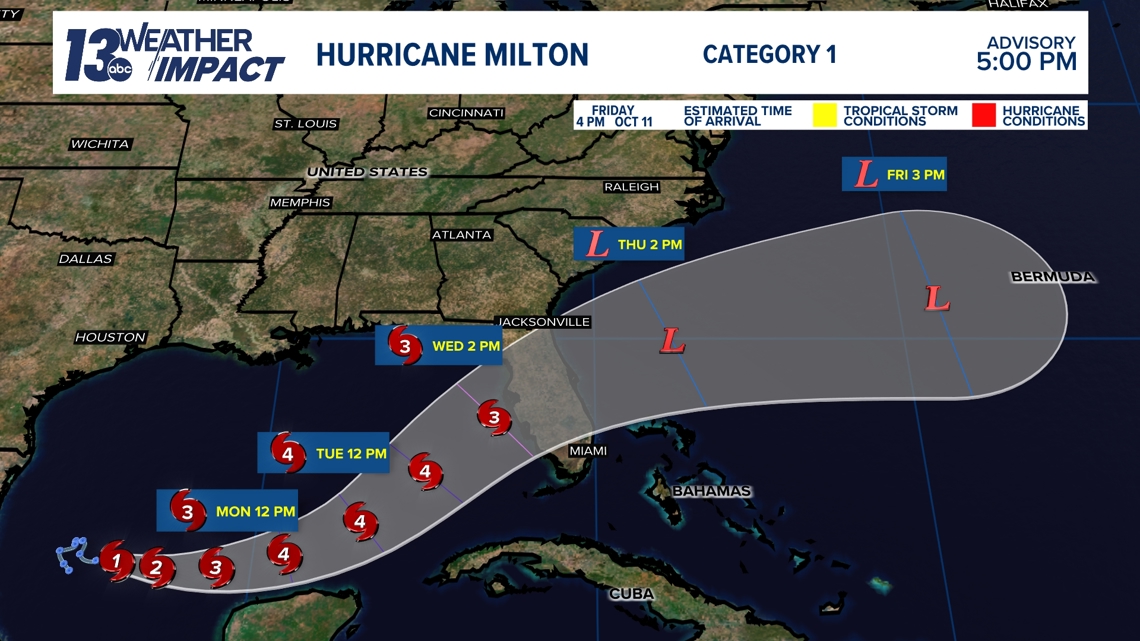
Predicting a hurricane’s exact trajectory and intensity is a complex science, continuously refined by advanced technology and dedicated experts. When a storm like Hurricane Milton forms, meteorologists employ a range of sophisticated tools. Satellite imagery provides a broad view of the storm’s structure and movement, while reconnaissance aircraft, often referred to as “hurricane hunters,” fly directly into the storm to collect vital data on wind speed, pressure, and temperature. This real-time data is then fed into powerful computer models that generate various forecast scenarios, helping to predict the storm’s future path and strength.
Despite these technological marvels, there’s always a degree of uncertainty, especially with long-range forecasts. A “cone of uncertainty” is often depicted on forecast maps, illustrating the probable track of the storm’s center. It’s crucial to understand that impacts can be felt far outside this cone. For travelers, this means remaining vigilant and checking updates frequently, as forecasts can change rapidly. The NHC issues advisories every few hours, and local Florida news outlets will provide localized information, including potential evacuation orders and shelter locations. Staying connected through weather apps, local radio, and television is vital for real-time awareness while visiting.
Essential Pre-Travel and On-the-Ground Preparedness for Florida Visitors
Effective preparation is the cornerstone of safe and stress-free travel, especially when facing the possibility of a hurricane. For those heading to Florida, a few key steps before you depart and while you’re there can make all the difference.
Before You Go: Travel Insurance and Flexible Bookings
One of the most critical investments for anyone traveling to Florida during hurricane season is comprehensive travel insurance. This can be a lifesaver, covering unforeseen expenses such as trip cancellations, delays, medical emergencies, or the need for emergency evacuation due to a storm like Hurricane Milton. Ensure your policy specifically includes coverage for hurricane-related disruptions, as not all standard policies do. Read the fine print carefully to understand what is covered and under what conditions.
Furthermore, when booking hotels, resorts, or other forms of accommodation, prioritize options with flexible cancellation and rebooking policies. Many hotels in hurricane-prone areas offer “hurricane guarantees” or more lenient cancellation terms during specific storm threats. Always confirm these policies directly with the accommodation provider before finalizing your reservation. It’s also wise to keep digital and physical copies of all important documents, including passports, IDs, flight itineraries, hotel reservations, and insurance policies, in a waterproof bag. Before your trip, check the policies of your airline and any tour operators for their storm-related procedures. Many will issue waivers allowing changes or cancellations without penalty if a hurricane watch or warning is issued for your destination.
While in Florida: Staying Safe and Informed
Once you arrive in Florida, continuous vigilance and readiness are key. First, familiarize yourself with your accommodation’s emergency plans and procedures. Most reputable hotels and resorts will have protocols in place, including designated shelter areas, emergency communication methods, and provisions. Don’t hesitate to ask hotel staff for information regarding local evacuation routes and emergency services.
Assemble a small, portable emergency kit. This doesn’t need to be extensive but should include essentials like bottled water (one gallon per person per day), non-perishable snacks, any necessary medication, a first-aid kit, a flashlight with extra batteries, a power bank for charging devices, and important documents. Keep your cell phone charged.
Most importantly, continuously monitor local news and official alerts from the Florida Emergency Management agency or local county emergency operations centers. These sources will provide real-time updates on Hurricane Milton’s status, issue watches and warnings, and announce any mandatory evacuation orders. If an evacuation order is issued for your area, take it seriously and follow instructions promptly. Understanding that your safety is the top priority means being prepared to alter your plans and, if necessary, leave the area. Florida’s authorities prioritize public safety, and their guidance should be followed without question.
Navigating Florida’s Attractions and Lifestyle During a Hurricane Threat
A looming hurricane threat like Milton can significantly alter the experience of visiting Florida. From theme parks to tranquil beaches, understanding potential impacts on popular destinations and how different lifestyles might be affected is key to adapting your trip.
Impact on Popular Destinations and Landmarks
Florida’s appeal lies in its diverse range of attractions. World-famous theme parks such as Walt Disney World Resort and Universal Orlando Resort have well-established hurricane policies and typically close their gates in anticipation of severe weather, prioritizing the safety of guests and staff. Similarly, coastal landmarks and attractions like those in Miami Beach, the delicate ecosystems of the Florida Keys, and natural wonders like Everglades National Park are highly vulnerable to storm surge, wind damage, and flooding. These areas will almost certainly issue evacuation orders and close well in advance of a storm’s arrival.
Before venturing out to any attraction during a hurricane threat, always check their official websites or social media channels for the latest operational updates. Theme parks, museums, zoos, and other venues will typically communicate closures, modified hours, or reopening plans proactively. Beaches will be closed to the public, and coastal activities such as boating, fishing, and watersports will be suspended. It’s not just about direct impact; even a distant hurricane can bring dangerous rip currents and rough surf to Florida’s coasts. Prioritizing safety over sightseeing is paramount.
Accommodation Choices and Their Role in Safety
The choice of accommodation plays a significant role in your safety and comfort during a hurricane threat. Modern resorts and hotels in Florida are generally built to stringent building codes designed to withstand hurricane-force winds. Many even have generators to maintain power during outages and robust emergency plans. When booking, consider properties that are not directly on the coast or are located at a higher elevation to minimize flood risk.
Reliable hotel staff can be an invaluable resource, providing guests with information on local conditions, evacuation routes, and the hotel’s specific hurricane procedures. Some larger resorts may offer “shelter-in-place” options with emergency food and water supplies if evacuation is not feasible or necessary. For those staying in apartments or villas through services like Airbnb, it’s crucial to communicate directly with the host about their emergency plans and any specific instructions for the property. Ensure you understand what to do in case of power loss or if you need to evacuate.

Lifestyle Adjustments: From Luxury Travel to Budget-Friendly Options
Regardless of your travel lifestyle, a hurricane threat demands flexibility. Luxury travelers staying in high-end resorts might find dedicated concierge services assisting with rebooking flights, arranging alternative accommodation, or providing enhanced in-house amenities during a storm. These resorts often boast robust infrastructure designed to weather severe storms with minimal disruption to guest comfort.
For budget travelers or those on family trips, the challenges might be greater due to potential financial constraints or the needs of children and pets. This group especially benefits from meticulous planning, including the aforementioned travel insurance and flexible bookings. Having an emergency fund dedicated to unexpected expenses (like an extended hotel stay or last-minute flight) is a wise move. Family trips require extra considerations for keeping children safe and entertained during potential lock-downs or evacuations. Similarly, individuals on business stays should align their personal preparedness with their company’s business continuity plans, ensuring they can safely continue or cut short their trip as needed. The overarching theme for all lifestyles is adaptability and prioritizing safety above all else.
Post-Hurricane Considerations and Supporting Florida’s Recovery
Once Hurricane Milton has passed and the immediate threat subsides, a new set of considerations comes into play for travelers and locals alike. The period immediately following a storm, and the subsequent recovery phase, impact future travel plans and how visitors can responsibly engage with affected communities.
When it’s Safe to Return or Continue Your Trip
The most crucial advice post-hurricane is patience. Do not attempt to return to an affected area until official “all-clear” messages have been issued by local authorities. Even after a storm has passed, hazards such as downed power lines, flooded roads, structural damage to buildings, and debris can make areas unsafe or impassable. Essential services like power, water, and communication networks may be disrupted for days or even weeks.
Before resuming your trip or planning a visit to an area that has experienced a direct hit from Hurricane Milton, check directly with your accommodation providers, airlines, and attractions about their operational status. Many businesses, especially smaller ones, may require time to assess damage and reopen. Roads might be closed, public transportation may be limited, and some popular destinations might temporarily suspend operations. Respect the recovery process and prioritize the safety of yourself and the local community by not adding strain to already stretched resources.
Responsible Tourism and Community Support
For travelers, post-hurricane Florida presents an opportunity for responsible tourism and direct community support. Once an area is declared safe and open for visitors, returning can be a powerful way to aid recovery. Supporting local businesses—by dining in local restaurants, shopping at small boutiques, and staying in reopened hotels—helps inject much-needed funds back into the economy.
Be prepared for a different experience than what you might have originally planned. Some landmarks may be closed for repairs, and certain activities might be unavailable. Embrace this reality with patience and understanding. If possible and appropriate, consider volunteering with reputable organizations involved in cleanup and rebuilding efforts, but only if you have the necessary skills and resources, and if your presence doesn’t impede professional recovery operations.
The resilience of Florida communities is remarkable. After storms, there is a strong sense of unity and determination to rebuild. Your presence as a respectful and understanding visitor, once it is safe to return, contributes directly to the long-term recovery and continued vibrancy of Florida’s tourism sector and unique local culture.
Conclusion
While the exact moment Hurricane Milton might affect Florida remains a matter of ongoing meteorological analysis, comprehensive preparation and a flexible mindset are the most effective tools for any traveler. By staying informed through official channels, securing appropriate travel insurance, choosing adaptable accommodations, and understanding the potential impacts on Florida’s beloved destinations and lifestyles, you can navigate the uncertainties of hurricane season with greater confidence.
Florida is a destination known for its warmth, beauty, and unforgettable experiences. While hurricane threats are a serious consideration, they are a manageable aspect of travel planning in the region. By prioritizing safety, staying vigilant, and being prepared to adapt, you can ensure your visit to the Sunshine State remains a positive and secure adventure, whether Hurricane Milton makes landfall or simply passes by.
LifeOutOfTheBox is a participant in the Amazon Services LLC Associates Program, an affiliate advertising program designed to provide a means for sites to earn advertising fees by advertising and linking to Amazon.com. Amazon, the Amazon logo, AmazonSupply, and the AmazonSupply logo are trademarks of Amazon.com, Inc. or its affiliates. As an Amazon Associate we earn affiliate commissions from qualifying purchases.