
Embarking on a journey from the bustling urban landscape of San Francisco to the majestic wilderness of Yosemite National Park is a quintessential California experience. This iconic trip promises a dramatic shift from cityscapes to granite giants, towering waterfalls, and ancient sequoias. While the allure of Yosemite is undeniable, prospective travelers often begin their planning with a fundamental question: “How far is Yosemite from San Francisco?”
The simple answer is that the distance typically ranges from 160 to 200 miles (approximately 257 to 322 kilometers), depending on your chosen route and specific entry point into the park. This translates to a driving time of 3 to 4 hours, excluding stops for gas, food, or scenic overlooks. However, this seemingly straightforward journey involves much more than just miles and minutes. It’s a gateway to unparalleled natural beauty, requiring careful planning around seasons, accommodation, and the various wonders you wish to explore. This comprehensive guide will navigate you through every aspect of traveling from San Francisco to Yosemite, ensuring your adventure is as smooth as it is memorable.
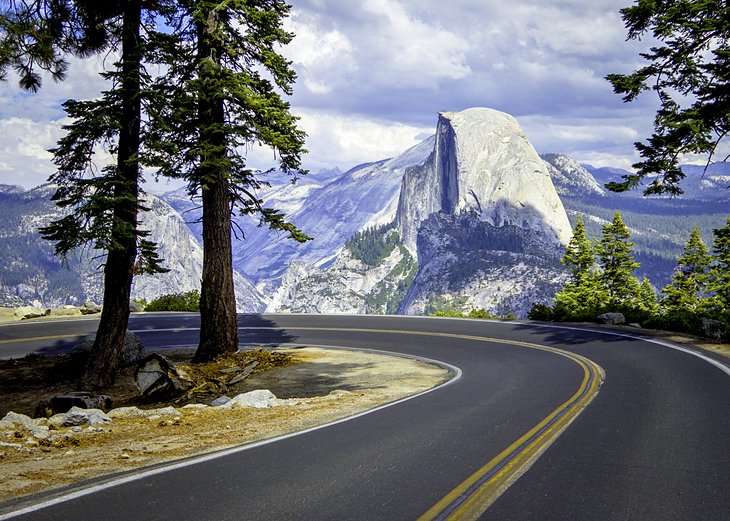
The Journey from San Francisco to Yosemite
The transition from the coastal fog of San Francisco to the alpine grandeur of Yosemite is a journey that offers diverse scenery and travel options. Understanding the logistics of this trip is crucial for a stress-free experience, whether you prefer the open road or a guided tour.
Understanding the Distance and Drive Time
While the direct distance is manageable, the actual drive time can vary significantly. Factors such as traffic, especially when departing San Francisco during peak hours or nearing the park on busy weekends, can extend your trip. The specific entrance you aim for also plays a role. The Big Oak Flat Entrance (via CA-120 West) is often the most direct for those coming from the San Francisco Bay Area, typically placing the total drive at around 3.5 to 4 hours. The Arch Rock Entrance (via CA-140) and the South Entrance (via CA-41) might add a little more time, but each offers unique advantages, particularly during different seasons.
It’s wise to factor in extra time for comfort breaks, meals, and potential unexpected delays. While many navigation apps provide accurate estimates, remember that these usually account for ideal driving conditions. During holidays or peak summer, add at least an hour to your estimated travel time.
Popular Driving Routes and Scenic Byways
Driving is by far the most popular way to reach Yosemite from San Francisco, offering flexibility and the chance to explore charming towns along the way. Three main routes lead into the park:
- CA-120 West (Big Oak Flat Road): This is often considered the most straightforward and fastest route from San Francisco. It takes you through the central San Joaquin Valley and then climbs into the foothills. Along the way, you’ll pass through charming towns like Groveland, a historic gold rush town that serves as a popular stop for gas and supplies. This route is typically open year-round, though sections at higher elevations can experience winter closures. When Tioga Pass is open (typically late May/early June through October/November), CA-120 continues through the high country, offering access to Tuolumne Meadows and connecting to the Eastern Sierra.
- CA-140 (El Portal Road): Known as the “all-weather route,” CA-140 generally remains open even when other roads are closed due to snow, following the Merced River canyon. This picturesque drive offers stunning riverside views and leads to the Arch Rock Entrance near El Portal. It’s a slightly longer drive but often preferred for its reliability and scenic beauty, particularly in spring when the river is full. The town of Mariposa, another historic gold rush community, is a great place to stop for a bite or to explore local history.
- CA-41 (Wawona Road): This route is ideal if your primary destination within Yosemite is the Mariposa Grove of Giant Sequoias or the historic Wawona Hotel. It passes through Oakhurst, a larger gateway town with extensive services, before entering the park at the South Entrance near Wawona. While usually open year-round, segments can be subject to chain controls in winter.
Whichever route you choose, ensure your vehicle is in good condition, especially if you’re traveling during winter when tire chains might be required or advisable. Always check road conditions before you depart, as closures can occur due to weather, wildfires, or other events.
Public Transportation and Tour Options
For those who prefer not to drive, or want a more structured experience, public transportation and organized tours offer viable alternatives:
- Amtrak + YARTS: You can take an Amtrak train from San Francisco (via a connecting bus from the Ferry Building or other downtown locations) to cities like Merced, Fresno, or Stockton. From there, you connect to the Yosemite Area Regional Transportation System (YARTS), which provides bus service directly into Yosemite National Park. YARTS buses operate year-round, with increased frequency during peak season, serving various park locations including Yosemite Valley. This option allows you to relax and enjoy the scenery without the stress of driving and parking, aligning perfectly with sustainable tourism practices.
- Organized Bus Tours: Numerous tour companies in San Francisco offer single-day or multi-day guided tours to Yosemite. These tours typically include round-trip transportation, park entrance fees, and sometimes guided excursions within the park. While they offer convenience and expert commentary, they often come with a fixed itinerary, limiting your flexibility to explore at your own pace. For first-time visitors or those on a tight schedule, a guided tour can be an excellent way to see the park’s highlights without the hassle of planning every detail.
Planning Your Yosemite Adventure
A trip to Yosemite is an unforgettable experience, but careful planning ensures you make the most of your time in this natural wonder. From choosing the right season to packing essentials, preparation is key.
Best Time to Visit Yosemite
Yosemite is magnificent in all seasons, each offering a unique perspective of its grandeur. Your ideal visit time depends on what you want to experience:
- Spring (April-May): This is arguably the best time to witness Yosemite’s legendary waterfalls, as snowmelt creates roaring cascades like Yosemite Falls, Bridalveil Fall, Vernal Fall, and Nevada Fall. The valley is lush and green, wildflowers bloom, and temperatures are pleasantly mild for hiking. Crowds start to build, but it’s generally less hectic than summer.
- Summer (June-August): Summer offers full access to all park areas, including Tioga Pass and Glacier Point. It’s perfect for extended hikes, rock climbing, and stargazing. However, it’s also the busiest and most crowded season, requiring advance reservations for lodging and park entry. Waterfalls begin to subside by late summer.
- Fall (September-October): As crowds thin, fall brings crisp air, stunning autumnal foliage (especially in the higher elevations and around Yosemite Valley fringes), and comfortable hiking temperatures. Tioga Pass and Glacier Point typically remain open until the first significant snowfall.
- Winter (November-March): Yosemite transformed into a serene, snow-covered wonderland. While some roads and facilities close, Yosemite Valley remains accessible and offers opportunities for snowshoeing, cross-country skiing, and ice skating. The lack of crowds makes for a tranquil, almost spiritual experience, albeit with colder temperatures and potential road restrictions. Badger Pass Ski Area offers downhill skiing and snowboarding.
Regardless of the season, check the official National Park Service website for current conditions, road closures, and any required reservation systems (e.g., peak-hour entry permits).
Essential Packing and Preparation
A successful trip to Yosemite requires thoughtful preparation:
- Reservations: Lodge and campground reservations, especially inside the park, book up months in advance, sometimes even a year out for peak season. Book your accommodation as early as possible. During certain peak periods, the park also requires day-use entry reservations.
- Clothing: Pack layers! Temperatures can fluctuate dramatically between day and night, and between the valley floor and higher elevations. Even in summer, evenings can be cool. Waterproof outer layers are essential, particularly in spring and fall.
- Footwear: Sturdy hiking boots or shoes are a must, even for casual walks.
- Gear: Bring a reusable water bottle (refill stations are available), sunscreen, insect repellent (especially near water in warmer months), a hat, sunglasses, a headlamp/flashlight, and binoculars for wildlife viewing. A good camera is also highly recommended.
- Food and Water: While there are dining options and general stores within the park, bringing your own snacks, drinks, and picnic supplies can save money and provide flexibility, especially for hikes. Bear-resistant food storage is mandatory in some areas and highly recommended throughout the park.
- Navigation: Download offline maps (both for driving and hiking) as cell service is extremely limited or non-existent in much of the park.
- Vehicle: Ensure your car is in good working order. Fill up your gas tank before entering the park, as gas stations inside are few and can be more expensive. In winter, carry tire chains and know how to install them.
Navigating Yosemite National Park
Once inside, getting around Yosemite can be an adventure in itself.
- Park Shuttle System: In Yosemite Valley, the free shuttle bus system is your best friend. It provides access to most major viewpoints, trailheads, and lodging facilities, reducing traffic congestion and parking headaches. During peak season, using the shuttle is often more efficient than driving.
- Driving within the Park: You can drive to most areas, but parking is extremely limited, especially in Yosemite Valley. Arrive early to secure a spot, or plan to use the shuttle. Roads like the scenic drive to Glacier Point (closed in winter) and the Tioga Road (closed seasonally) offer breathtaking views but require careful driving.
- Hiking: Yosemite is a hiker’s paradise. Trails range from easy, paved loops suitable for families to strenuous, multi-day backcountry treks. Always stay on marked trails, carry enough water, and be aware of wildlife.
Where to Stay: Accommodation Options Near Yosemite
Securing the right accommodation is paramount to a successful Yosemite trip. Options range from rustic camping to luxurious hotels, both inside and outside the park. Your choice will significantly impact your experience, convenience, and budget.
Inside the Park: Immersive Experiences
Staying within Yosemite National Park offers an unparalleled immersive experience, allowing you to wake up to iconic views and easily access trailheads. However, these options book up very quickly and can be pricier.
- The Ahwahnee: (formerly Yosemite Valley Hotel) A historic, luxury hotel offering grand architecture, fine dining, and stunning views of Half Dome and El Capitan. It’s perfect for those seeking an upscale experience amidst nature.
- Yosemite Valley Lodge: (formerly Yosemite Lodge at the Falls) Located at the base of Yosemite Falls, this lodge offers comfortable rooms, a range of dining options, and easy access to the shuttle system. It’s a popular choice for families and those looking for convenience.
- Curry Village: A more rustic option offering cabins with private baths, standard motel rooms, and canvas tent cabins. Curry Village provides a true outdoor adventure feel with basic amenities, ideal for budget-conscious travelers or those seeking a camping-like experience without bringing their own gear.
- Wawona Hotel: A historic Victorian-era hotel located near the Mariposa Grove of Giant Sequoias in the southern part of the park. It offers a charming, old-world atmosphere, often with live music in the evenings.
- Campgrounds: Yosemite boasts several campgrounds, from reservable sites that fill up almost instantly (e.g., Upper Pines, Lower Pines, North Pines) to first-come, first-served options. Camping is an incredibly popular and authentic way to experience the park.
Gateway Towns: Convenience and Variety
Staying in one of the gateway towns outside the park offers a wider range of lodging choices, often at more competitive prices, and typically provides more dining and shopping opportunities. Just remember to factor in daily driving time to and from the park entrances.
- Mariposa: Located on CA-140, Mariposa is about an hour’s drive to Yosemite Valley. It’s a charming historic town with various hotels, motels, bed & breakfasts, and restaurants.
- Oakhurst: Situated on CA-41, Oakhurst is a larger town with a full complement of services, including supermarkets, fast food, upscale restaurants, and many hotel chains. It’s about a 1.5-hour drive to Yosemite Valley, but closer to Mariposa Grove.
- Groveland: On CA-120, Groveland is approximately 1.5 hours from Yosemite Valley. It’s a historic gold rush town with a quaint main street, offering a mix of lodging from historic inns to modern motels.
- Fish Camp: Very close to the park’s South Entrance on CA-41, Fish Camp hosts the luxury Tenaya at Yosemite resort, along with other motels and cabins, making it a convenient base for exploring the southern part of the park.
- El Portal: This small community just outside the Arch Rock Entrance on CA-140 offers basic lodging and is the closest gateway community to Yosemite Valley.
- Yosemite West: Located within the park’s boundaries but offering privately owned condos and vacation rentals, Yosemite West provides self-catering options relatively close to major attractions.
Luxury to Budget: Finding Your Perfect Stay
Whether you’re looking for a pampered retreat or a budget-friendly base, Yosemite and its surroundings have options:
- Luxury: Resorts like The Ahwahnee inside the park or Tenaya at Yosemite and Rush Creek Lodge just outside offer upscale amenities, spas, fine dining, and guided activities. These are perfect for those who want to blend adventure with comfort and indulgence, catering to a luxury travel lifestyle.
- Mid-Range: Yosemite Valley Lodge and various hotels in gateway towns like Mariposa and Oakhurst provide comfortable rooms, convenient services, and a good balance of quality and cost.
- Budget: Curry Village (tent cabins), independent motels in gateway towns, and numerous campgrounds offer more affordable options. For truly budget-conscious travelers or those seeking a deeper connection with nature, camping is the ultimate choice. Remember to book campgrounds far in advance, as they are incredibly popular.
Must-See Landmarks and Activities in Yosemite
Yosemite is teeming with natural wonders, each promising a breathtaking experience. While it’s impossible to see everything in one trip, certain landmarks are simply unmissable.
Iconic Vistas and Hiking Trails
The park’s geology creates a dramatic canvas, perfect for sightseeing and hiking.
- Yosemite Valley: This seven-mile-long, one-mile-wide glacial valley is the heart of the park, home to many of its most famous features.
- El Capitan: A massive granite monolith, a world-renowned challenge for rock climbers. You can marvel at its scale from the valley floor.
- Half Dome: Perhaps Yosemite’s most iconic landmark, Half Dome is visible from many points in the valley. A strenuous, permit-required hike leads to its summit for panoramic views.
- Yosemite Falls: The tallest waterfall in North America, composed of three sections. Easily viewed from the valley, with an accessible loop trail to its base and a challenging hike to its top.
- Bridalveil Fall: One of the first waterfalls you’ll see upon entering Yosemite Valley, easily accessible via a short, paved walk.
- Tunnel View: Offering a classic postcard vista of El Capitan, Half Dome, and Bridalveil Fall, this viewpoint is a mandatory stop for any visitor.
- Mirror Lake: A tranquil lake reflecting Half Dome and Yosemite’s peaks (best in spring/early summer). It’s an easy, flat walk.
- Glacier Point: Accessible by car (seasonal closure in winter), Glacier Point offers arguably the most sweeping views of Yosemite Valley, Half Dome, and the High Sierra. It’s an essential photography spot.
- Mariposa Grove of Giant Sequoias: Located in the southern part of the park, this grove is home to hundreds of giant sequoias, including the magnificent Grizzly Giant and California Tunnel Tree. Accessible via a shuttle or a longer hike.
- Tuolumne Meadows: A vast subalpine meadow surrounded by domes and peaks, accessible via Tioga Road when open. It’s a fantastic area for hiking, backpacking (including access to sections of the John Muir Trail and Pacific Crest Trail), and enjoying the high country’s serene beauty.
- Hetch Hetchy Valley: A less-visited but equally stunning valley, serving as a water reservoir for San Francisco. It offers fantastic hiking opportunities and waterfalls, often with fewer crowds.
Seasonal Activities and Hidden Gems
Beyond the main attractions, Yosemite offers a wealth of seasonal and specialized activities.
- Winter Sports: From December to March, Badger Pass Ski Area offers downhill skiing, snowboarding, and tubing, making it California’s oldest downhill ski area. Cross-country skiing and snowshoeing are popular on miles of groomed and ungroomed trails.
- Stargazing: Away from city lights, Yosemite’s dark skies provide incredible opportunities for stargazing, especially in Tuolumne Meadows or Glacier Point. Ranger-led astronomy programs are often available.
- Photography: Every corner of Yosemite is a photographer’s dream. Early mornings and late afternoons offer the best light.
- Rafting: In late spring and early summer, when the Merced River is high, rafting in Yosemite Valley offers a unique perspective of the park (conditions permitting).
- Birdwatching and Wildlife Viewing: Keep an eye out for diverse wildlife, including black bears, deer, coyotes, and a variety of bird species. Remember to maintain a safe distance and never feed wild animals.
Family-Friendly Fun in the Park
Yosemite is an excellent destination for family trips, with activities catering to all ages.
- Junior Ranger Program: Kids can earn a Junior Ranger badge by completing activity booklets, a fantastic way to engage them with nature and conservation.
- Easy Hikes: Trails like the Lower Yosemite Fall Trail, the Cook’s Meadow Loop, and sections of the Mariposa Grove trails are paved and relatively flat, suitable for strollers and young children.
- Visitor Centers: Engaging exhibits and ranger talks at the Yosemite Valley Visitor Center and Tuolumne Meadows Visitor Center offer educational opportunities.
- Bike Rentals: Rent bikes in Yosemite Valley and explore the miles of paved bike paths.
- Picnics: Pack a picnic and enjoy it at one of the many scenic picnic areas.
Making the Most of Your Trip
To truly enhance your Yosemite experience, consider these practical tips, from dining to extending your adventure.
Dining and Supplies
While Yosemite is primarily a wilderness destination, you’ll find various options for food and supplies:
- Inside the Park: Yosemite Valley offers several dining choices, from the casual Yosemite Valley Lodge Food Court and Curry Village eateries to the more upscale dining room at The Ahwahnee. General stores are available for basic groceries, snacks, and souvenirs.
- Gateway Towns: The towns of Oakhurst, Mariposa, and Groveland have supermarkets, gas stations, and a wider array of restaurants, from casual diners to local eateries. Stocking up here before entering the park is often recommended.
Responsible Tourism and Park Etiquette
Preserving Yosemite’s pristine beauty for future generations is everyone’s responsibility. Embrace the principles of responsible tourism:
- Leave No Trace: Pack out everything you pack in. Dispose of waste properly.
- Stay on Trails: Protect fragile ecosystems and your safety by sticking to marked paths.
- Respect Wildlife: Never feed animals. Store food properly in bear lockers or bear-resistant containers. Maintain a safe distance from all wildlife.
- Quiet Hours: Observe quiet hours in campgrounds and lodging areas.
- Fire Safety: Be extremely careful with campfires; only build them in designated fire rings and ensure they are completely extinguished. Check fire restrictions, especially during dry seasons.
Extended Itineraries and Beyond
While a 2-3 day trip from San Francisco allows you to see many Yosemite highlights, a longer stay (4-5 days or more) truly lets you immerse yourself in the park’s diverse landscapes.
- Multi-Day Exploration: With more time, you can explore less-visited areas like Hetch Hetchy Valley, hike longer trails in Tuolumne Meadows, or spend a day relaxing by the Merced River.
- Combine with the Eastern Sierra: If Tioga Pass is open, consider extending your trip to the Eastern Sierra, with attractions like Mono Lake and the charming town of Lee Vining, or further south to Mammoth Lakes.
- Don Pedro Reservoir: Near Groveland, this reservoir offers water activities like boating and fishing, a refreshing stop before or after your mountain adventure.
- Gold Rush Towns: Explore the rich history of towns like Mariposa and Coulterville, which offer a glimpse into California’s past.
Ultimately, the journey from San Francisco to Yosemite National Park is more than just covering a distance; it’s an adventure into one of the world’s most cherished natural wonders. With thoughtful planning and an open spirit, your trip will undoubtedly create memories to last a lifetime.
LifeOutOfTheBox is a participant in the Amazon Services LLC Associates Program, an affiliate advertising program designed to provide a means for sites to earn advertising fees by advertising and linking to Amazon.com. Amazon, the Amazon logo, AmazonSupply, and the AmazonSupply logo are trademarks of Amazon.com, Inc. or its affiliates. As an Amazon Associate we earn affiliate commissions from qualifying purchases.