
San Francisco, a city renowned for its iconic landmarks, vibrant culture, and innovative spirit, is also one of the most densely populated urban centers in the United States. Understanding its population goes far beyond a mere number; it delves into the very fabric of its dynamic lifestyle, the challenges and opportunities it presents for residents, and the unique experiences it offers to millions of visitors each year. The city’s population figures are a testament to its enduring appeal, drawing individuals from all walks of life, eager to immerse themselves in its distinctive charm, diverse communities, and unparalleled opportunities. For anyone planning a visit, considering accommodation, or simply curious about what makes this California gem tick, grasping its demographic landscape is fundamental.
Understanding San Francisco’s Population Dynamics
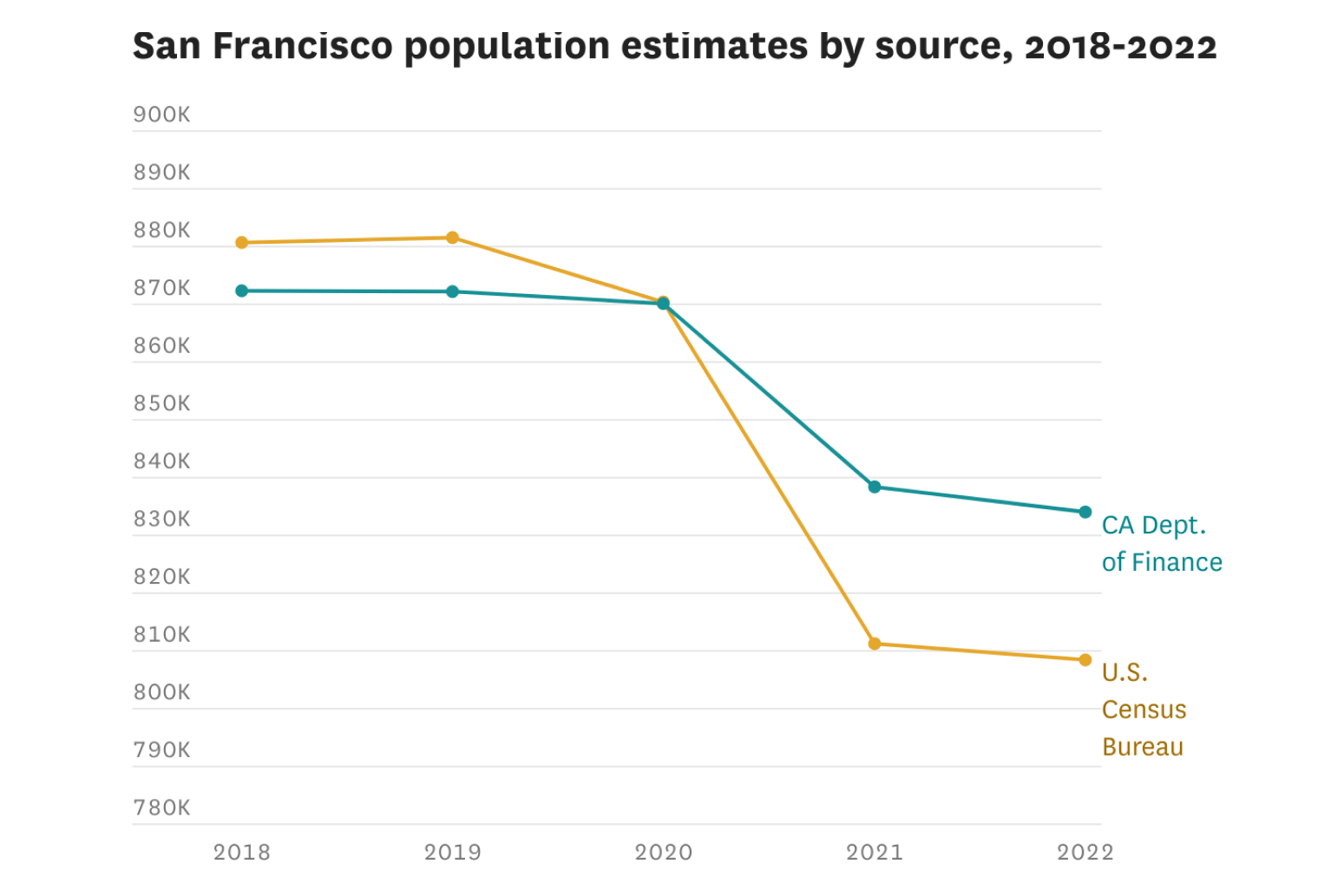
At its core, understanding San Francisco’s population involves examining its current resident count, historical trends, and the implications of its compact geographical footprint. While precise figures fluctuate with ongoing census updates and demographic shifts, estimates generally place the city’s resident population at just under 850,000 to over 870,000 people. This figure applies specifically to the city and county of San Francisco proper, which encompasses a relatively small land area of approximately 46.87 square miles (121.39 square kilometers). This compact size, combined with a significant population, results in an extremely high population density, consistently ranking among the highest in the United States after New York City and parts of New Jersey.
This density isn’t just a statistical anomaly; it profoundly shapes the urban experience. Every aspect of daily life, from transportation and housing to public spaces and local businesses, is influenced by the concentration of people within a limited area. For residents, this means a lively, walkable city brimming with energy, but also challenges related to housing affordability and space. For travelers exploring San Francisco’s many attractions, the density translates into easily accessible landmarks, a bustling street scene, and a tangible sense of being at the heart of an active metropolis. The constant ebb and flow of people—residents going about their day, professionals commuting, and tourists exploring—create a vibrant, almost kinetic atmosphere unique to the city.

Historically, San Francisco’s population has seen significant surges and plateaus. From the Gold Rush era in the mid-19th century, which rapidly transformed it from a small settlement into a major urban center, to the post-World War II boom and more recent tech industry influxes, the city has always been a magnet for those seeking opportunity and a distinct way of life. While growth has slowed compared to earlier periods, the city continues to attract new residents, particularly professionals in technology, finance, and creative industries, as well as students and entrepreneurs drawn by its innovative ecosystem and progressive culture. This continuous influx maintains the city’s dynamic demographic profile, ensuring a steady demand for everything from housing and public services to diverse culinary experiences and cutting-edge entertainment venues. The metropolitan statistical area of the San Francisco Bay Area, which includes neighboring cities like Oakland and San Jose, boasts a population of over 7.7 million, further emphasizing the region’s overall density and economic might. This broader context is crucial, as many who work in San Francisco commute from these surrounding areas, contributing to the city’s daytime population and its economic vitality.
Population Density and Its Urban Implications
The high population density of San Francisco has far-reaching implications, particularly when discussing urban planning, infrastructure, and the daily lives of its inhabitants. With nearly 18,000 people per square mile, the city’s infrastructure is designed to handle a concentrated populace. This is evident in its robust public transportation system, featuring the iconic Cable Cars, extensive MUNI bus and light rail networks, and BART subway system, all crucial for navigating the city without personal vehicles. The walkability of many neighborhoods is another direct consequence of this density, making it easy for residents and tourists alike to explore diverse districts on foot, from the bustling streets of Chinatown to the vibrant alleys of the Mission District.
However, density also brings challenges. Housing affordability is a pervasive issue, with San Francisco consistently ranking among the most expensive housing markets globally. This high cost of living impacts residents and influences the city’s demographic makeup, often leading to discussions about gentrification and economic disparities. For visitors, understanding this context can provide a deeper appreciation for the city’s unique socio-economic landscape and the daily realities faced by those who call it home. The struggle for space also means creative solutions for parks and green areas, such as the sprawling Golden Gate Park and the transformation of former industrial sites into recreational spaces, offering vital escapes within the urban sprawl. The interplay between limited space and a thriving population fosters a culture of innovation, not just in technology, but in urban design, community building, and sustainable living practices, all of which contribute to the city’s distinct global identity.
A Rich Tapestry: San Francisco’s Diverse Demographics
Beyond the sheer numbers, the true essence of San Francisco’s population lies in its incredible diversity. The city has long been a melting pot, a beacon for immigrants, artists, innovators, and those seeking an open-minded community. This rich demographic tapestry profoundly shapes San Francisco’s culture, economy, and unique identity, offering a vibrant array of local cultures, cuisines, and experiences that are a major draw for tourism.
Ethnically, San Francisco is remarkably diverse. While traditionally a hub for European immigrants, successive waves have brought significant populations from Asia, particularly China, the Philippines, and Vietnam, establishing thriving communities like the historic Chinatown, one of the oldest and largest outside of Asia. Hispanic and Latino communities, primarily concentrated in the Mission District, contribute immensely to the city’s artistic, culinary, and musical scenes. African American communities, while smaller than in past decades, have historically played a crucial role in shaping the city’s jazz and civil rights movements. This mosaic of cultures is not just reflected in demographics but in the very streets of San Francisco, with distinct neighborhoods offering glimpses into different traditions, languages, and histories.
Age-wise, San Francisco maintains a relatively young and educated population, largely driven by the influx of tech professionals and university students. The presence of major universities and a robust job market in technology, finance, and healthcare attracts a disproportionate number of young adults and mid-career professionals. This demographic contributes to the city’s dynamic, forward-thinking atmosphere, driving demand for innovative services, diverse entertainment options, and a thriving nightlife. It also impacts the local economy, creating a strong consumer base for everything from high-end dining experiences to co-working spaces. However, the city also has a significant population of long-term residents, including a substantial senior population, who contribute to its deep-rooted community traditions and institutional memory.
Socioeconomic diversity is also a defining characteristic, albeit one with stark contrasts. While San Francisco is home to some of the wealthiest individuals and highest average incomes in the world, particularly within the tech sector, it also grapples with significant income inequality and homelessness. This juxtaposition is a constant topic of discussion and a visible reality in certain areas, prompting various social programs and community initiatives. For visitors, observing this complex social landscape can offer a more nuanced understanding of the city beyond its postcard-perfect images. Engaging with different communities, perhaps through local food tours or neighborhood festivals, provides a deeper appreciation for the resilience and spirit of San Francisco’s diverse residents.
The Impact of Tech and Innovation on Demographics
The tech boom of the last few decades has undeniably reshaped San Francisco’s demographic profile. The proximity to Silicon Valley and the concentration of tech giants and startups within the city itself have attracted a highly educated and often affluent workforce from around the globe. This influx has spurred economic growth, created numerous job opportunities, and fostered an environment of innovation that is globally recognized. Professionals from various countries, drawn by the promise of groundbreaking work and high salaries, have made San Francisco their home, further enhancing its multicultural fabric.
However, this rapid demographic shift has not been without its challenges. The increased demand for housing, services, and amenities has contributed significantly to the city’s high cost of living, making it increasingly difficult for long-term residents, artists, and those in lower-wage professions to remain. This has led to concerns about the erosion of the city’s traditional bohemian and counter-culture identity, and efforts to preserve its diverse character. Nevertheless, the tech sector’s presence has also infused the city with a forward-looking energy, fueling a vibrant startup culture, and influencing everything from public transportation initiatives to the proliferation of innovative dining concepts. For travelers interested in the intersection of technology and urban life, exploring areas like SOMA (South of Market) offers a glimpse into this modern facet of San Francisco’s identity. This continuous evolution means that San Francisco is always reinventing itself, a living laboratory where different generations and cultures converge to define the future of urban living and innovation.
Living the San Francisco Life: Urban Experience and Tourism
The sheer number and diversity of people living in San Francisco are inextricably linked to the city’s unique urban experience and its magnetic appeal as a global tourism destination. The blending of various cultures, professions, and lifestyles creates an atmosphere that is both intensely local and welcomingly international. This dynamic environment is precisely what makes planning a trip to San Francisco an adventure in itself, promising a rich tapestry of sights, sounds, and tastes that cater to every type of traveler, whether seeking luxury travel, budget-friendly options, family trips, or focused business stays.
The high population density translates into a city teeming with life at almost every hour. From early morning joggers along the Embarcadero to late-night revelers in the Castro District or North Beach, there’s a constant hum of activity. This vibrant energy is what gives San Francisco its character and makes exploring its myriad destinations and attractions so engaging. Tourists can easily move between iconic landmarks like the Golden Gate Bridge and the bustling piers of Fisherman’s Wharf, soaking in the local culture that thrives amidst these global icons. The density also means that many attractions are within walking distance or a short public transport ride, enhancing the overall experience for visitors who want to maximize their time.
The diversity of the population directly influences the culinary scene, which is nothing short of world-class. From Michelin-starred restaurants offering innovative Californian cuisine to authentic eateries specializing in Ethiopian, Vietnamese, Mexican, or Chinese dishes, the food reflects the city’s global palate. Exploring San Francisco through its food is an experience in itself, providing a delicious journey through its cultural landscape. Beyond food, the arts and culture scene is equally robust, fueled by a population that values creativity and intellectual curiosity. Museums such as the SFMOMA, California Academy of Sciences, and the De Young Museum offer a wealth of experiences, while countless theaters, music venues, and art galleries showcase local and international talent. This abundance of attractions and activities ensures that there is always something new to discover, encouraging visitors to delve deeper into the city’s offerings beyond the well-trodden tourist paths.
Exploring Iconic Landmarks Amidst Urban Life
San Francisco’s landmarks are not just static monuments; they are integral parts of the city’s living, breathing urban environment. The Golden Gate Bridge, for instance, is not only a stunning architectural marvel but also a vital commuter route and a popular spot for locals to exercise or enjoy panoramic views. Similarly, the historic Alcatraz Island stands as a stark reminder of the past, drawing millions who seek to understand its history, while its proximity to the city offers a unique perspective on the urban skyline. Fisherman’s Wharf, while a major tourist hub, is still home to active fishing fleets and a vibrant local community that contributes to its authentic charm.
Other landmarks like Lombard Street, “the crookedest street in the world,” and the panoramic views from Coit Tower are nestled within residential neighborhoods, showcasing how the city’s architecture and famous places are seamlessly integrated into daily life. Even the bustling Union Square, a central shopping and hotel district, is a convergence point for locals meeting friends, attending protests, or simply enjoying the urban spectacle. Guides often highlight how these sites are not just photo opportunities but windows into the city’s past and present. The Ferry Building Marketplace is a prime example, a historic transportation hub now transformed into a gourmet food paradise, frequented by both tourists and locals for its artisanal products and diverse eateries. Understanding that these landmarks are part of a bustling, active city, rather than isolated attractions, enhances the visitor experience, allowing for a deeper appreciation of San Francisco’s enduring appeal and the stories etched into its streets and structures.
Navigating Accommodation and Travel in a Bustling City
With a high population density and status as a top global destination, San Francisco offers a vast array of accommodation options designed to cater to every preference and budget. From luxurious suites and resorts to charming boutique hotels, serviced apartments, and cozy villas, the city’s lodging landscape is as diverse as its population. Planning your stay effectively, especially concerning booking, reviews, and comparison, is crucial for securing the ideal base from which to explore this bustling metropolis.
For those seeking an opulent experience, San Francisco boasts a selection of world-class luxury hotels, often located in prime areas like Union Square or along the Embarcadero. Establishments like the Fairmont San Francisco atop Nob Hill or the historic Palace Hotel offer not only exquisite amenities and impeccable service but also a glimpse into the city’s grand architectural history. These hotels often feature award-winning restaurants, luxurious spas, and stunning views of the Bay or city skyline, providing an unforgettable backdrop for a luxury travel experience. For business stays, these full-service hotels offer conference facilities, executive lounges, and convenient access to the financial district.
On the other end of the spectrum, San Francisco also caters admirably to budget travel. Numerous boutique hotels, hostels, and more affordable inns are scattered throughout various neighborhoods, particularly in areas like Tenderloin, Civic Center, and parts of the Mission District. These options often provide clean, comfortable, and quirky stays, allowing travelers to experience the city without breaking the bank. For families, serviced apartments or extended-stay hotels offer more space and kitchenettes, providing the comforts of home and the flexibility to manage meals, making family trips more manageable and cost-effective. Websites specializing in accommodation booking and comparison are invaluable tools for finding the best deals and reading detailed reviews from previous guests, ensuring that the chosen lodging meets specific expectations regarding amenities, location, and price.
Long-term stay options are also increasingly popular, especially for professionals on extended assignments or individuals seeking to immerse themselves more deeply in the local culture. Fully furnished apartments and corporate housing are available, offering a residential experience distinct from a typical hotel stay. These accommodations often provide a sense of community and allow guests to live more like a local, exploring neighborhood markets and cafes beyond the main tourist routes. Regardless of the type of accommodation, booking in advance is highly recommended, especially during peak tourist seasons or major conventions, due to the city’s consistent popularity and the high demand for lodging. This proactive approach ensures a smoother and more enjoyable travel experience, allowing visitors to fully focus on the wealth of activities and experiences that San Francisco has to offer.
Selecting Your Ideal Stay: Considerations for Every Traveler
Choosing the right hotel or accommodation in San Francisco depends heavily on individual travel preferences, the purpose of the visit, and budget considerations. For those prioritizing proximity to major attractions and upscale shopping, staying near Union Square is often ideal. Hotels in this area, such as the Hilton San Francisco Union Square or the Grand Hyatt San Francisco, offer convenient access to department stores, theaters, and Cable Car lines. If a vibrant culinary scene and bohemian charm are more appealing, then exploring options in the Mission District or Haight-Ashbury might be more suitable, offering unique boutique hotels and guesthouses.
Families might prefer quieter neighborhoods with easy access to parks and family-friendly attractions like Pier 39 or the Exploratorium along the Embarcadero. In such cases, hotels near Fisherman’s Wharf or the Marina District could be excellent choices, often offering rooms with two beds or suites with additional living space. For business travelers, districts like SOMA or the Financial District provide proximity to corporate offices and convention centers, with hotels such as the Marriott Marquis or The St. Regis San Francisco offering state-of-the-art facilities and business amenities. Regardless of the chosen district, it is always wise to consult recent reviews to get a clear picture of the hotel’s current condition, service quality, and neighborhood ambiance. Websites dedicated to hotel comparisons allow travelers to filter by price, amenities (like pools, fitness centers, or pet-friendly policies), and guest ratings, ensuring a tailored search for the perfect accommodation. Furthermore, considering the unique public transport options available can greatly influence the ideal location, as many of San Francisco’s charm lies in exploring its hills and valleys on foot or via its historic transit systems.
In conclusion, the number of people living in San Francisco is more than a mere statistic; it is a fundamental element that shapes the city’s vibrant character, its challenges, and its immense appeal. This dense, diverse population creates a dynamic urban environment rich in culture, innovation, and unforgettable experiences, making it a truly unique destination for residents and visitors alike.
LifeOutOfTheBox is a participant in the Amazon Services LLC Associates Program, an affiliate advertising program designed to provide a means for sites to earn advertising fees by advertising and linking to Amazon.com. Amazon, the Amazon logo, AmazonSupply, and the AmazonSupply logo are trademarks of Amazon.com, Inc. or its affiliates. As an Amazon Associate we earn affiliate commissions from qualifying purchases.