
The question “Does it snow in Seattle?” is one often asked by travelers planning a trip to the Pacific Northwest, and the answer is a nuanced one. While Seattle is renowned for its seemingly endless grey skies and persistent drizzle during the winter months, it is not a city that typically experiences heavy or frequent snowfall. Unlike many other major North American cities further inland or at higher elevations, Seattle’s unique geographical position and maritime climate mean that significant snow events are relatively rare, and when they do occur, they often become memorable, albeit sometimes chaotic, local events.
For those dreaming of a white winter wonderland in the Emerald City, setting expectations is key. While the city itself might not transform into a snowy landscape for extended periods, the surrounding regions, particularly the majestic Cascade Mountains just a short drive away, offer abundant opportunities for true winter adventures. This guide delves into Seattle’s relationship with snow, providing insights for travelers, outlining what to expect, and suggesting how to best experience winter in and around this dynamic city, whether it’s a flurry in the city or a powdery escape in the mountains. We’ll explore everything from local tourism tips and accommodation advice to the best landmarks to visit during the colder months, ensuring your winter journey to Seattle is as fulfilling as possible.
Understanding Seattle’s Winter Climate
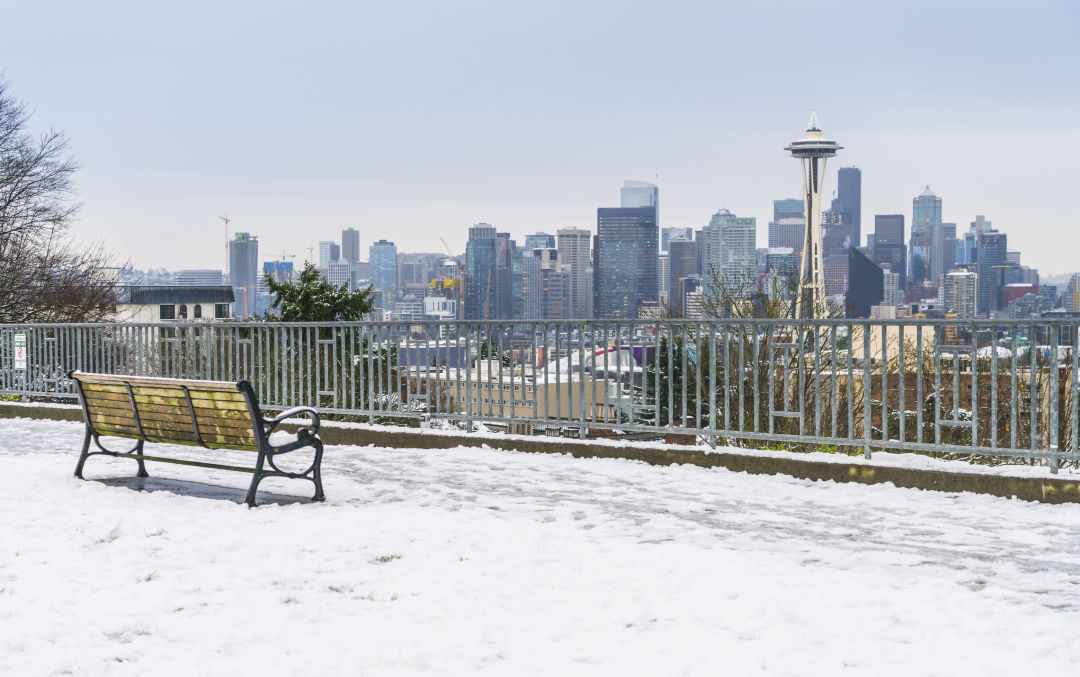
Seattle’s climate is distinctively moderated by the Puget Sound and the close proximity to the Pacific Ocean. This maritime influence leads to mild, wet winters and relatively dry, warm summers. While the city gets a lot of precipitation, it primarily falls as rain. The average winter temperature in Seattle hovers between 35-45°F (1.6-7.2°C), which is often just above the freezing point, making rain the predominant form of precipitation. This consistent dampness and mildness are hallmarks of the Pacific Northwest winter, creating the lush, green landscapes that give the city its “Emerald” moniker even in the colder months.
The Rarity and Reality of Snowfall
Despite the dampness, significant snowfall in Seattle is indeed a rare phenomenon. On average, Seattle receives about 5-6 inches (13-15 cm) of snow per year, but this typically occurs over just one or two days, and often melts quickly. Some winters might see no snow accumulation at all in the city proper, while others, less frequently, can experience more substantial snow events, often dubbed “Snowmageddon” or “Snowpocalypse” by locals due to the city’s unpreparedness for such conditions. These larger events, characterized by several inches or even a foot of snow, tend to happen once every few years.
The mechanics behind Seattle’s lack of snow are fascinating. When cold air descends from the interior of British Columbia or the Fraser Valley in Canada, it occasionally battles with the warmer, moist air from the Pacific Ocean. For snow to fall and stick in Seattle, a precise combination of cold air, sufficient moisture, and temperatures remaining at or below freezing throughout the atmospheric column is required – a meteorological trifecta that doesn’t align often. When it does, usually in late January or February, the city temporarily transforms, creating unique travel experiences for those lucky enough to witness it. This makes a snowy visit a truly unique occasion, one that a traveler might experience only once in many visits.
When the Snow Falls: What to Expect in the Emerald City
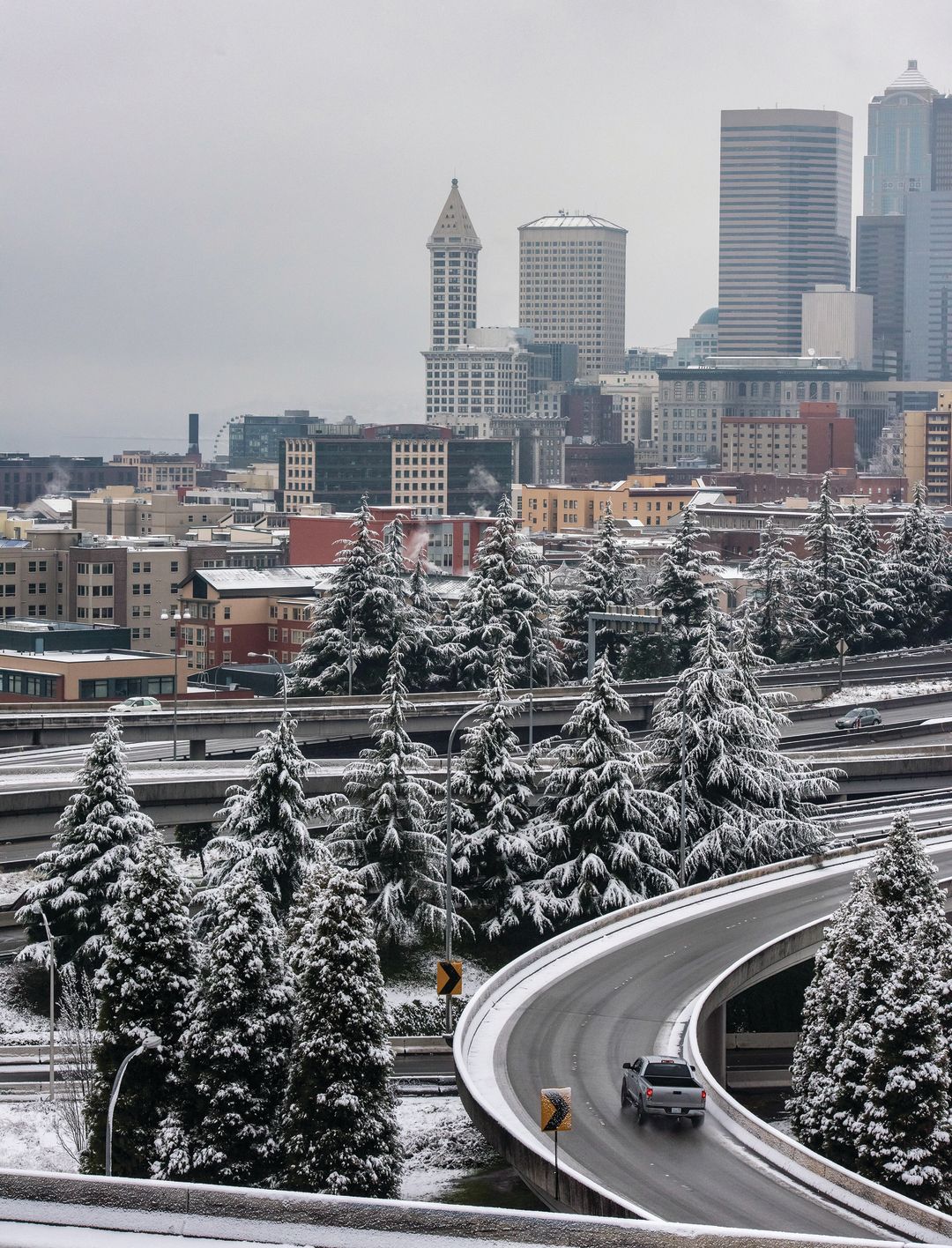
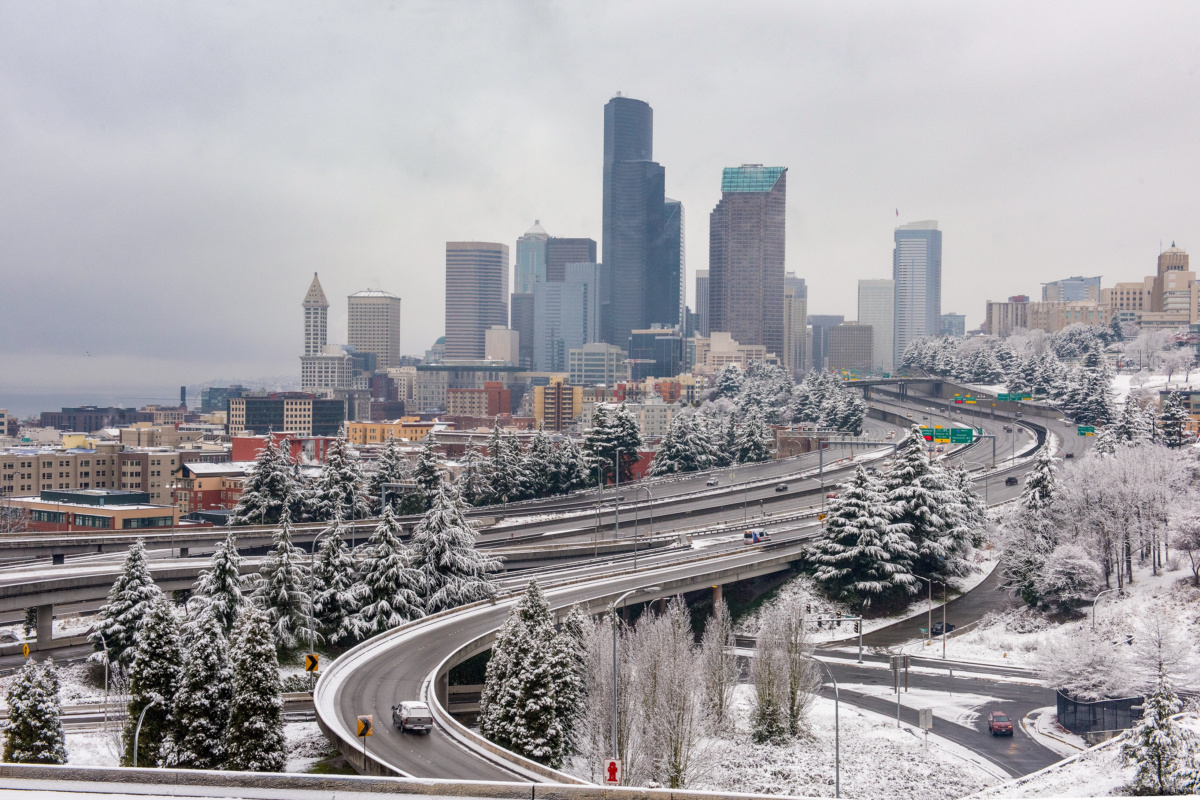
When snow does grace Seattle with its presence, it’s usually during the months of January and February. These rare occurrences bring a certain magic to the city, temporarily quieting the urban hustle and highlighting its natural beauty. For visitors planning a trip during these months, it’s wise to monitor weather forecasts closely. A sudden snow shower can turn a regular day into an unforgettable winter memory, but it also comes with its own set of challenges, particularly concerning transportation and accessibility.
Navigating Seattle During a Snow Event
Despite its moderate climate, Seattle is not particularly well-equipped for significant snowfall. The city’s hilly topography, combined with a general lack of widespread snow removal infrastructure compared to cities in colder climates, means that even a few inches of snow can bring the metropolitan area to a standstill. King County Metro bus services often run on limited “snow routes” or are canceled entirely, and Sound Transit light rail might also experience delays. Roads become slick and dangerous, especially on the city’s many inclines, leading to traffic chaos and sometimes even widespread closures.
For tourists, this means that if snow is in the forecast, flexibility is paramount. Public transportation might become unreliable, and ride-sharing services could face surge pricing or limited availability. Walking can be treacherous on unplowed sidewalks. If you’re staying at a hotel like the Grand Hyatt Seattle or the Hotel Max, you might find yourself delightfully snowed-in, enjoying the cozy amenities and watching the unusual spectacle from your window. Consider this an opportunity to slow down, enjoy a warm beverage at a local cafe, or explore attractions within walking distance of your accommodation. Embrace the rarity of the moment, as it’s truly a unique way to experience Seattle.
Where to Find Winter Wonderland Experiences Near Seattle
While Seattle itself might only occasionally offer a dusting of snow, a genuine winter wonderland is just a short drive away. The majestic Cascade Mountains form a dramatic backdrop to the city, and their higher elevations receive abundant snowfall throughout the winter, making them a prime destination for snow sports and snowy landscapes. For travelers seeking guaranteed snow activities, these nearby mountains are the place to go, transforming your trip into a diverse travel experience that combines urban exploration with alpine adventure.
Popular Ski Resorts and Winter Playgrounds
Within an hour or two of Seattle, you can find several excellent ski resorts that cater to all skill levels.
-
The Summit at Snoqualmie: This is Seattle’s closest major ski area, often reachable within an hour’s drive (depending on traffic and weather conditions on Interstate 90). The Summit encompasses four distinct base areas: Alpental, Summit West, Summit Central, and Summit East, offering a wide range of terrain from beginner slopes to challenging expert runs. It’s a fantastic spot for skiing, snowboarding, tubing, and even night skiing. Many locals opt for season passes here, making it a vibrant community hub during winter.
-
Crystal Mountain Resort: Located about two hours southeast of Seattle, near the entrance to Mount Rainier National Park, Crystal Mountain boasts the largest ski area in Washington State and offers breathtaking views of Mount Rainier itself. It’s renowned for its diverse terrain, deep powder, and scenic gondola rides, even for non-skiers. Accommodation options near Crystal Mountain range from cozy cabins to resort hotels, providing an immersive mountain experience.
-
Stevens Pass Ski Area: Roughly two hours northeast of Seattle along U.S. Highway 2, Stevens Pass is another popular choice, known for its consistent snowfall and challenging runs. It’s a favorite among local snowboarders and skiers, offering a classic alpine resort feel with plenty of amenities. The drive itself is scenic, winding through the Wenatchee National Forest.
Beyond skiing and snowboarding, these mountain areas also offer opportunities for snowshoeing, cross-country skiing, and snow tubing, making them perfect for family trips or those simply wishing to experience the serenity of a snowy landscape. Many guides and rental services are available to help beginners get started.
Exploring Seattle’s Winter Charm
Even without snow, Seattle in winter has a unique charm that aligns perfectly with a relaxed lifestyle and enriching tourism experiences. The city’s iconic landmarks take on a different, often more intimate, character under grey skies.
-
Pike Place Market: Always bustling, the market becomes a haven of warmth and activity. You can wander through its covered stalls, enjoy fresh seafood, local produce, and artisan crafts, and warm up with a coffee while watching the ferries ply the Puget Sound. The lack of summer crowds can make for a more authentic and leisurely exploration.
-
Space Needle & Seattle Center: The iconic Space Needle offers panoramic views that, on a clear winter day, stretch to the snow-capped Olympic Mountains and Mount Rainier. The Seattle Center campus also hosts several indoor attractions, including the stunning Chihuly Garden and Glass and the Museum of Pop Culture (MoPOP), perfect for escaping any inclement weather.
-
Ferry Rides: A quintessential Seattle experience, taking a Washington State Ferry across the Puget Sound offers dramatic views of the city skyline, the Olympic Mountains, and sometimes even playful seals or orcas. Dress warmly, grab a hot drink, and enjoy the brisk, salty air. Destinations like Bainbridge Island or Bremerton offer charming small-town experiences.
-
Museums and Indoor Attractions: Seattle boasts a wealth of world-class museums and indoor activities. From the impressive collections at the Seattle Art Museum to the aviation wonders at The Museum of Flight and the architectural marvel of the Seattle Public Library, there’s plenty to keep you engaged and warm.
Planning Your Winter Getaway to Seattle
A winter trip to Seattle can be incredibly rewarding for travelers seeking a blend of urban exploration and easy access to nature. The city’s mild climate during winter means fewer crowds at popular attractions and often more competitive rates for hotels and accommodation, making it an excellent time for budget-conscious or luxury travelers seeking value.
Accommodation and Travel Tips
When planning your winter visit, consider the type of accommodation that best suits your travel style. Seattle offers a diverse range of options, from boutique hotels in vibrant neighborhoods like Belltown or Pioneer Square, to luxurious resorts with stunning water views, and even apartments or villas for longer stays. Many hotels, such as the Hyatt Regency Seattle or the Fairmont Olympic Hotel, offer cozy lobbies with fireplaces and excellent dining options, perfect for chilly evenings. Booking in advance, especially if you plan to visit over a holiday period, is always recommended to ensure you secure the best deals and amenities. Websites dedicated to accommodation reviews and comparison can be invaluable tools for finding the perfect place to stay.
Packing Essentials: Layers are your best friend when visiting Seattle in winter. While snow is unlikely, rain is almost guaranteed. Pack a waterproof and windproof jacket, sturdy waterproof shoes or boots, and warm layers like sweaters, fleece, and thermal wear. An umbrella is also a good idea. If you plan to venture into the mountains, ensure you have appropriate gear for snow, including warm outerwear, gloves, hats, and waterproof boots.
Transportation: Seattle-Tacoma International Airport (Sea-Tac Airport) serves as the main gateway. From there, the Sound Transit Light Rail offers a convenient connection to downtown Seattle. While renting a car offers flexibility for mountain excursions, navigating the city without one is feasible with its public transport network and ride-sharing services. However, as mentioned, be mindful of snow forecasts if you intend to drive, as road conditions can deteriorate rapidly.
Local Culture and Food: Winter in Seattle is an excellent time to indulge in the local food scene. Cozy up in a craft brewery, explore the vibrant coffee culture, or enjoy fresh, seasonal cuisine at one of the city’s many acclaimed restaurants. Local festivals and events, though less frequent than in summer, often have a festive, community-focused feel. Check local tourism guides for events happening during your visit.
In conclusion, while “Does it snow in Seattle?” might typically yield a “not much” answer for the city itself, the greater Seattle area, with its incredible access to the Cascade Mountains, promises a diverse and captivating winter travel experience. Whether you’re hoping for a rare urban dusting or a full-blown alpine adventure, Seattle and its surroundings offer a unique blend of urban sophistication and natural beauty, making it a compelling destination for any winter traveler.
LifeOutOfTheBox is a participant in the Amazon Services LLC Associates Program, an affiliate advertising program designed to provide a means for sites to earn advertising fees by advertising and linking to Amazon.com. Amazon, the Amazon logo, AmazonSupply, and the AmazonSupply logo are trademarks of Amazon.com, Inc. or its affiliates. As an Amazon Associate we earn affiliate commissions from qualifying purchases.