
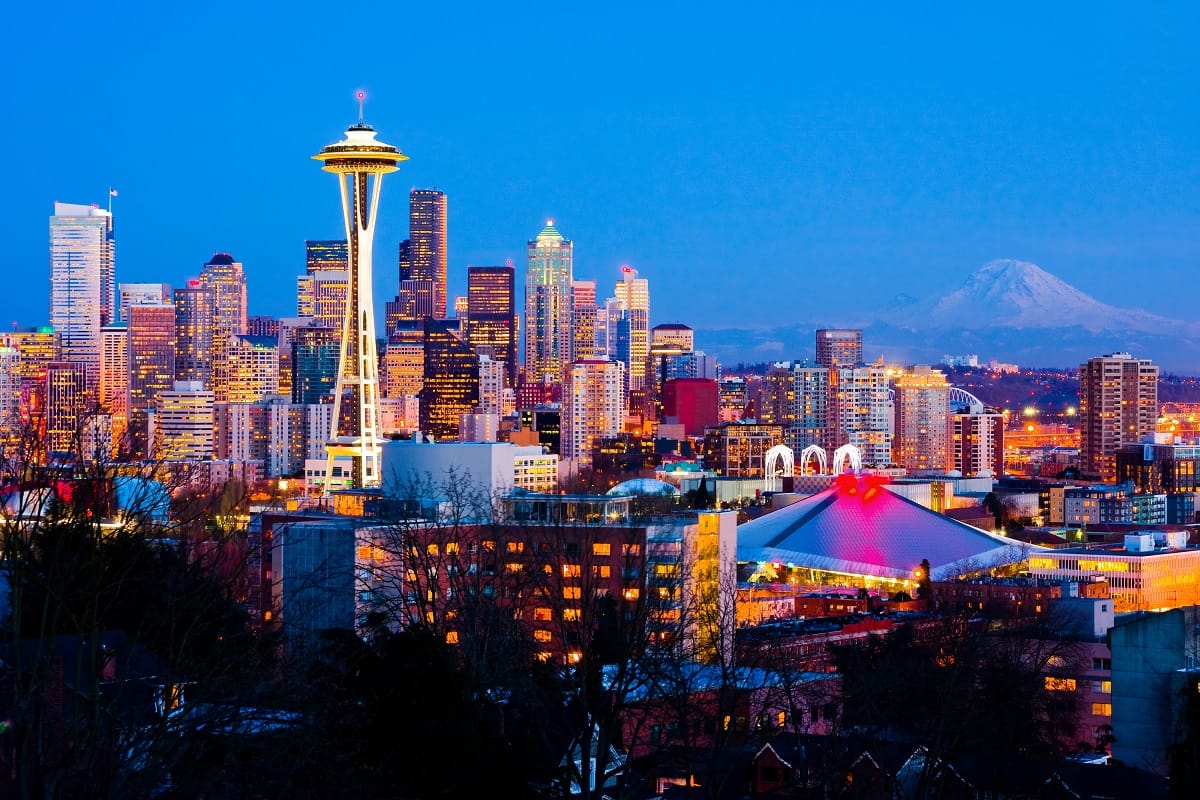
Seattle, Washington, often evokes images of misty mornings, vibrant coffee culture, innovation hubs like Amazon and Microsoft, and iconic landmarks like the Space Needle. It’s a city that beckons travelers with its unique blend of urban sophistication and natural beauty, offering everything from bustling markets to serene parks and breathtaking views of the Puget Sound and surrounding mountains. For anyone planning a trip or considering a move to this Pacific Northwest gem, a fundamental question often arises: “Is Seattle safe?”
The answer, like many complex urban inquiries, isn’t a simple yes or no. Seattle is a dynamic metropolis, and like any major city globally, it has its challenges and areas where caution is advised. However, with awareness, preparation, and an understanding of its unique urban landscape, visitors and residents alike can enjoy all that Seattle has to offer safely and confidently. This comprehensive guide aims to peel back the layers of perception versus reality, delve into crime statistics, highlight safe neighborhoods for both tourism and long-term stays, and provide actionable tips to ensure a secure and enjoyable experience in the Emerald City.
Navigating the Perception vs. Reality of Safety in Seattle
Public perception of safety in a city can often be influenced by media reports, social media narratives, and individual experiences, which may not always reflect the full picture or statistical reality. Seattle has certainly faced its share of headlines regarding rising crime rates and visible social issues. However, it’s crucial to contextualize these reports within the broader urban experience and understand the nuances of the data.
Understanding Seattle’s Crime Statistics
When evaluating the safety of Seattle, it’s important to differentiate between various types of crime and understand trends. Like many major U.S. cities, Seattle experienced a notable increase in certain crime categories during and after the pandemic, particularly property crimes and, to a lesser extent, violent crimes.
Property crime, which includes theft, car prowls, and burglaries, tends to be more prevalent than violent crime. For tourists, this often translates to a higher risk of petty theft or car break-ins, especially if valuables are left visible in vehicles or if personal belongings are left unattended in crowded areas. Violent crime, while present, is generally concentrated in specific areas and often involves individuals known to each other, rather than random acts against tourists or residents. The city’s overall violent crime rate, while fluctuating, often remains below or comparable to the national average for major urban centers, though it has seen spikes.
It’s also worth noting that statistics can sometimes be misleading without context. A rise in reported crimes might, in part, reflect increased reporting by citizens or changes in law enforcement recording practices. However, there’s no denying that certain challenges exist, and awareness is key. The Seattle Police Department regularly publishes crime data, which can be a valuable resource for those seeking detailed, official statistics.
Addressing Concerns Around Homelessness
One of the most visible aspects contributing to public perception of safety in Seattle is the widespread issue of homelessness. Like many West Coast cities, Seattle grapples with a significant unhoused population, often visible in public spaces, parks, and around major tourist attractions. This visibility can sometimes lead to discomfort or a feeling of unease among visitors and residents, even though most individuals experiencing homelessness are not inherently dangerous.
While direct confrontations are rare, there can be instances of panhandling or erratic behavior due to mental health issues or substance abuse. This can impact the overall “feel” of certain areas, particularly in parts of Downtown Seattle, Pioneer Square, and the International District. However, it’s crucial to approach this issue with empathy and understanding. Most interactions are non-confrontational, and the city is actively working on various initiatives to address the crisis through housing, social services, and outreach programs. For tourists, the best approach is to be aware of your surroundings, politely decline if approached, and avoid engaging in prolonged interactions if you feel uncomfortable.
Exploring Seattle’s Diverse Neighborhoods: Where to Stay and What to Know
Seattle’s charm lies in its diverse neighborhoods, each with its own distinct character, attractions, and safety profile. When planning your accommodation, whether it’s a luxury suite, a boutique hotel, or a cozy apartment rental, understanding the local environment is paramount for a safe and enjoyable stay.
Safest Neighborhoods for Tourists and Residents
Many of Seattle’s most popular and picturesque neighborhoods boast excellent safety records, making them ideal for visitors and families.
- Queen Anne: Known for its stately homes, breathtaking views (especially from Kerry Park), and proximity to the Seattle Center (home to the Space Needle, Museum of Pop Culture, and Chihuly Garden and Glass), Queen Anne is considered one of the city’s safest and most desirable areas. It offers a quieter, residential vibe with charming local shops and restaurants, perfect for those seeking a more relaxed lifestyle or family-friendly accommodation.
- Ballard: This historic maritime neighborhood has transformed into a vibrant hub with a bustling nightlife, trendy boutiques, and the famous Ballard Locks. It generally maintains a very safe atmosphere, attracting a mix of young professionals and families. Accommodation options here range from modern hotels to charming guesthouses, providing a lively yet secure base for exploration.
- Fremont: Self-proclaimed as the “Center of the Universe,” Fremont is known for its quirky art, independent shops, and laid-back vibe. It’s a popular spot for tourists and residents alike, offering a safe environment to explore unique attractions like the Fremont Troll and Gas Works Park. Its safety profile is generally very good.
- West Seattle: A bit further afield, West Seattle offers stunning views, beautiful beaches (like Alki Beach), and a more suburban feel while still being accessible to Downtown Seattle. It boasts lower crime rates compared to central areas and is ideal for those seeking a tranquil escape with a strong community feel.
- University District: While a university area can sometimes have its own set of minor issues (like petty theft common in student areas), the University District around the University of Washington is generally safe, especially during the day. It offers a youthful energy, diverse food options, and easy access to public transport, making it an appealing choice for budget travelers or those visiting the university.
These neighborhoods provide excellent choices for various travel styles, from luxury resorts to budget-friendly hotels, all within a secure setting that allows visitors to fully immerse themselves in local culture and experiences.
Areas Requiring Extra Vigilance
While no area is entirely “unsafe,” certain neighborhoods in Seattle require a heightened sense of awareness, particularly after dark or in less crowded sections.
- Downtown Seattle and Tourist Core: Areas like Pike Place Market, the area around the Washington State Convention Center, and parts of Downtown Seattle can be very busy during the day and are generally safe for tourists enjoying landmarks and shopping (e.g., Nordstrom’s flagship store). However, the presence of large crowds can attract pickpockets and petty thieves. After business hours, when foot traffic dwindles, some streets can feel deserted and less secure, particularly around bus terminals and less-lit alleys.
- Belltown: Adjacent to Downtown Seattle, Belltown is known for its vibrant nightlife, bars, and restaurants. While lively, late-night revelry can sometimes lead to increased instances of minor altercations or petty crime. It’s wise to stay with a group, avoid walking alone late at night, and be mindful of your belongings.
- Pioneer Square and International District/Chinatown: These historic districts are rich in culture, history, and unique dining experiences. During the day, they are fascinating to explore. However, due to proximity to transportation hubs and areas with higher concentrations of homelessness, these neighborhoods can experience more visible social challenges and higher rates of property crime. Exercise caution, especially at night, and stick to well-lit, populated streets.
When booking accommodation, it’s always advisable to research the specific block or street and check recent hotel reviews regarding neighborhood safety. Many hotels in Downtown Seattle and Belltown offer excellent amenities and security, but guests should still be mindful of their immediate surroundings upon exiting the building.
Essential Safety Tips for Visitors and Residents
Regardless of where you stay or what activities you plan, adopting a few practical safety habits can significantly enhance your experience in Seattle. These tips are universal to urban travel but are particularly relevant for navigating Seattle’s unique environment.
Public Transportation and Nighttime Safety
Seattle offers a comprehensive public transportation system, including the Link Light Rail, King County Metro buses, and streetcars. These are generally safe and efficient ways to get around.
- Link Light Rail: The Link Light Rail connects Downtown Seattle to the airport and various neighborhoods. It’s usually safe, but like any public transit, it’s wise to be aware of your surroundings, especially during off-peak hours or late at night. Keep your phone and valuables discreetly stored.
- Buses: King County Metro buses serve most of the city. While generally safe, some routes passing through less affluent areas might feel less comfortable at night. Plan your route in advance and try to sit near the driver.
- Nighttime Travel: When out after dark, especially in areas like Belltown or Pioneer Square, consider using ride-sharing services or taxis, particularly if you’ve been drinking or are unfamiliar with the route. Always travel in groups if possible, and stick to well-lit, populated streets. Avoid walking through parks or dimly lit shortcuts at night.
Safeguarding Your Belongings and Personal Safety
Preventative measures are your best defense against petty crime.
- Situational Awareness: Be mindful of your surroundings. Avoid being overly distracted by your phone or maps, especially in crowded tourist areas like Pike Place Market or while waiting for public transport. Make eye contact with people around you and project confidence.
- Protect Valuables: Keep wallets in front pockets, use cross-body bags with secure zippers, and avoid flashing large amounts of cash or expensive electronics. When dining, don’t hang bags on the back of chairs where they can be easily snatched. If driving, never leave valuables visible in your car, even for a short stop; car prowls are a common issue.
- Solo Travel: Seattle is generally safe for solo travelers, offering numerous experiences from outdoor adventures to cultural tours. Inform someone of your itinerary, especially if venturing into more secluded natural areas like hiking trails near Discovery Park or in the surrounding Cascades.
- Emergency Preparedness: Keep important contact numbers easily accessible. In an emergency, dial 911. The Seattle Police Department is responsive to urgent situations.
Seattle’s Commitment to a Safer City
Seattle is not oblivious to its safety challenges. The city government, local businesses, and community organizations are actively engaged in numerous initiatives aimed at improving safety and addressing underlying social issues. These efforts include:
- Increased Law Enforcement Presence: Focused patrols in high-traffic tourist areas and neighborhoods experiencing higher crime rates.
- Community-Based Programs: Investment in programs that address homelessness, mental health, and substance abuse, aiming to provide support rather than simply policing the symptoms.
- Business Improvement Districts (BIDs): Areas like Downtown Seattle and Pioneer Square have BIDs that fund additional safety ambassadors, cleaning services, and beautification projects to create more welcoming environments.
- Technological Solutions: Implementation of public safety cameras and advanced data analytics to identify crime patterns and deploy resources more effectively.
These ongoing efforts demonstrate a collective commitment to ensuring Seattle remains a desirable and safe place for both its residents and the millions of tourists who visit each year.
Making the Most of Your Seattle Experience
Ultimately, Seattle is a vibrant, innovative, and beautiful city that offers an unparalleled experience for travelers seeking everything from urban exploration to nature retreats. From exploring the historic stalls of Pike Place Market and ascending the Space Needle, to kayaking on Lake Union or taking a ferry across the Puget Sound for a day trip, the city’s unique attractions and experiences are truly memorable.
Like any major urban destination, a visit to Seattle comes with the responsibility of being an informed and cautious traveler. By understanding the local landscape, choosing appropriate accommodation, and practicing common-sense safety measures, you can confidently navigate the city and fully immerse yourself in its rich culture, stunning scenery, and diverse lifestyle. Whether you’re indulging in luxury travel, exploring on a budget, embarking on a family trip, or visiting for business, Seattle’s wonders await. With a little preparation, your journey to the Emerald City will undoubtedly be safe, enriching, and unforgettable. Enjoy the coffee, embrace the rain, and discover why Seattle continues to captivate hearts around the world.
LifeOutOfTheBox is a participant in the Amazon Services LLC Associates Program, an affiliate advertising program designed to provide a means for sites to earn advertising fees by advertising and linking to Amazon.com. Amazon, the Amazon logo, AmazonSupply, and the AmazonSupply logo are trademarks of Amazon.com, Inc. or its affiliates. As an Amazon Associate we earn affiliate commissions from qualifying purchases.