
The mesmerizing archipelago of Hawaii evokes images of sun-kissed beaches, volcanic landscapes, and a vibrant culture. But for many aspiring travelers, a fundamental question often arises: exactly how many islands make up this Pacific paradise? While the simple answer often points to eight main islands, the reality is far more intricate and expansive, encompassing a vast chain of more than 130 islands, islets, and atolls. This diverse collection, stretching over 1,500 miles, offers an unparalleled array of experiences, catering to every travel lifestyle, from luxury escapes and family adventures to eco-tourism and cultural immersion. Understanding the true scope of Hawaii’s islands is the first step in planning an unforgettable journey through its unique destinations and attractions.
The Hawaiian Archipelago: More Than Meets the Eye
Geologically, the Hawaiian Islands are a testament to millennia of volcanic activity. Formed by a hotspot beneath the Earth’s crust, these islands emerge sequentially as the Pacific Plate drifts northwestward. This geological conveyor belt explains why the southeastern islands, like Hawaii Island, are still actively growing, while the northwestern ones are older, smaller, and often submerged, having eroded over millions of years. This incredible natural phenomenon results in a truly dynamic landscape that continually reshapes itself.
While the exact count can vary depending on what constitutes an “island” or “islet,” the consensus acknowledges eight primary, inhabited islands that most tourists are familiar with. Beyond these, a significant portion of the chain consists of the Northwestern Hawaiian Islands, also known as the Leeward Islands. This vast stretch of small islands, atolls, and submerged banks is largely uninhabited by humans and plays a crucial role as a protected marine ecosystem. Designated as the Papahānaumokuākea Marine National Monument, this area is a sanctuary for endangered species, offering a glimpse into untouched natural beauty and a vital habitat for vast coral reefs, fish, seals, and seabirds. Access to these remote islands is strictly controlled, primarily for scientific and cultural preservation purposes, highlighting the Hawaiian Islands’ commitment to safeguarding its precious natural heritage.
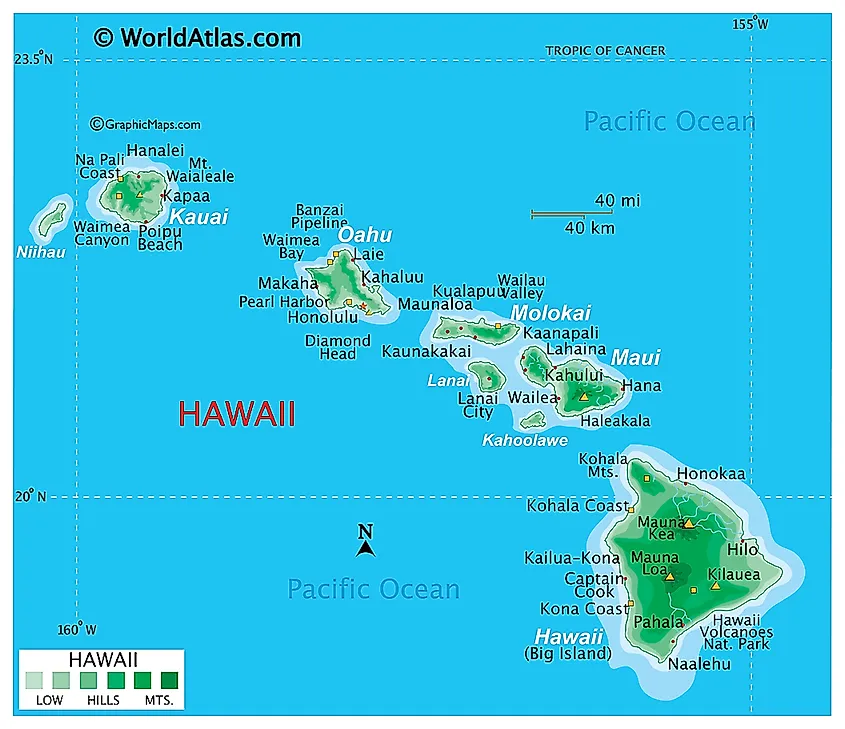
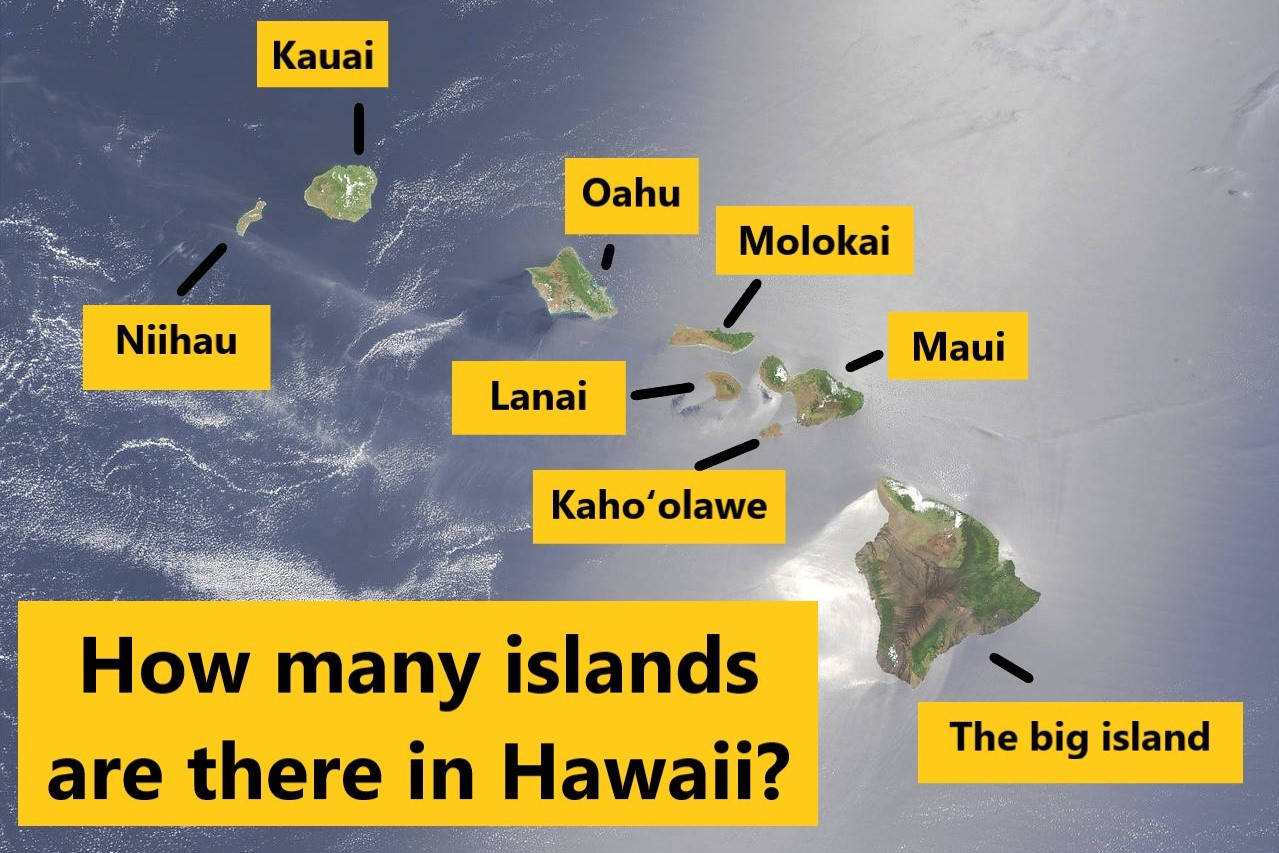
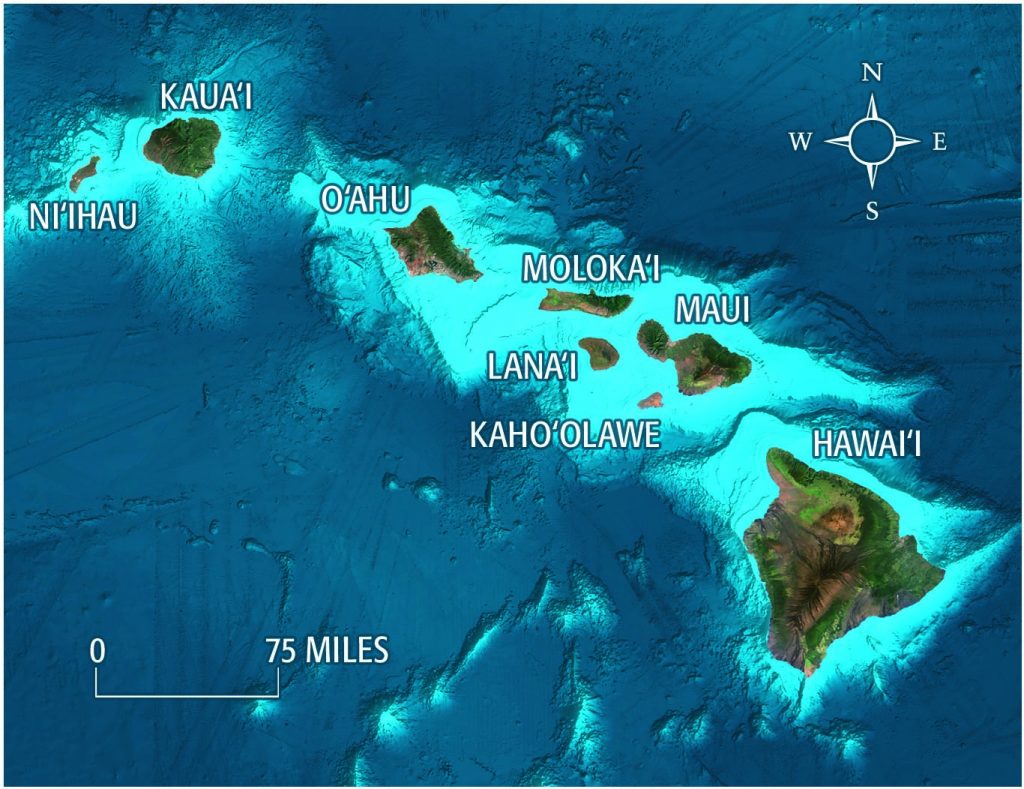
For travelers, however, the focus predominantly remains on the eight main islands, each presenting its distinct character, attractions, and opportunities for unforgettable experiences. From bustling city life to serene natural retreats, these islands offer a mosaic of options for hotels, resorts, and various accommodation types that cater to every preference.
The Eight Main Hawaiian Islands: A Traveler’s Guide
Each of the principal Hawaiian Islands possesses a unique charm and identity, making island hopping an increasingly popular way to experience the diversity of this Pacific gem. Whether you’re seeking adventure, relaxation, cultural immersion, or simply breathtaking scenery, there’s an island perfectly suited to your travel style.
Oahu: The Gathering Place
Oahu, often dubbed “The Gathering Place,” is the most populous and developed of the Hawaiian Islands, serving as the vibrant heart of the state. It’s where the past and present converge, offering a dynamic blend of historical landmarks, world-class surfing, and cosmopolitan amenities. The capital city of Honolulu pulses with energy, showcasing urban sophistication amidst tropical splendor.
Travelers to Oahu are spoiled for choice when it comes to attractions. The iconic Waikiki Beach with its glistening sands and surf-friendly waves is a perpetual draw, flanked by an impressive array of hotels and resorts ranging from luxurious five-star properties to budget-friendly apartments. Nearby, the majestic Diamond Head Crater offers panoramic views of the coastline after a rewarding hike. For a profound historical experience, Pearl Harbor stands as a poignant reminder of World War II, housing memorials like the USS Arizona Memorial. Beyond the city, Oahu’s North Shore beckons surfers and spectators with legendary waves at spots like Banzai Pipeline and Waimea Bay. Tourism on Oahu also thrives on its diverse food scene, from high-end dining to local food trucks serving plate lunches and fresh poke. Whether it’s a family trip seeking convenience, a business stay with excellent connectivity, or a luxury travel experience with private suites, Oahu delivers.
Maui: The Valley Isle
Known as “The Valley Isle,” Maui strikes a perfect balance between sophisticated resort luxury and stunning natural beauty. It’s a favorite for honeymooners, families, and those seeking adventure paired with upscale relaxation. Maui’s diverse landscapes range from sun-drenched beaches and lush rainforests to the dormant volcanic crater of Haleakala.
The famous Road to Hana is an unforgettable journey through dense tropical forests, past cascading waterfalls, and along dramatic coastal cliffs. Early morning trips to Haleakala National Park for a sunrise viewing above the clouds are legendary, providing an ethereal experience. For beach lovers, Ka’anapali Beach and Wailea offer pristine sands and a plethora of resorts like the Grand Wailea or Hyatt Regency Maui Resort and Spa, complete with sprawling pools, spas, and gourmet dining. Lahaina, a historic whaling village, provides a charming backdrop for exploring local shops, art galleries, and waterfront restaurants. Maui is also renowned for whale watching during winter months and provides excellent opportunities for snorkeling, surfing, and golfing, making it an ideal destination for diverse experiences and family trips.
Hawaii Island (The Big Island): The Orchid Isle
The youngest and largest of the islands, Hawaii Island, often referred to simply as “The Big Island,” is truly a land of extremes and “The Orchid Isle” is just one of its many monikers. It encompasses almost every climate zone imaginable, from snow-capped mountains to black sand beaches, and its active volcanoes continually reshape its terrain. This island is a must-visit for nature enthusiasts and adventure seekers.
The star attraction is undoubtedly Hawaii Volcanoes National Park, where visitors can witness the raw power of creation as lava flows (when active) from Kilauea volcano. Beyond volcanic landscapes, the island boasts unique natural landmarks such as the green sands of Papakolea Beach, the dramatic cliffs of Waipio Valley, and the stargazing opportunities atop Mauna Kea, one of the world’s premier astronomical sites. Kona, on the western side, is famous for its coffee plantations and calm waters ideal for snorkeling and diving. The Hilo side offers lush rainforests and botanical gardens. Accommodation ranges from luxury resorts along the Kohala Coast to quaint bed and breakfasts in upcountry Waimea, catering to varied lifestyles, including those seeking long-term stays amidst nature.
Kauai: The Garden Isle
Kauai, known as “The Garden Isle,” is an emerald gem characterized by its dramatic cliffs, pristine beaches, and verdant rainforests. It’s a haven for outdoor enthusiasts, hikers, and those seeking a more tranquil and untouched Hawaiian experience.
The undisputed highlight of Kauai is the awe-inspiring Na Pali Coast, a series of towering emerald peaks and deep valleys that plunge into the Pacific. It can be explored via challenging hikes along the Kalalau Trail, scenic helicopter tours, or catamaran cruises that offer unparalleled views. Inland, the “Grand Canyon of the Pacific,” Waimea Canyon, provides breathtaking vistas of its colorful rock formations and deep gorges. Kauai also offers beautiful beaches like Poipu Beach and Hanalei Bay, perfect for swimming, surfing, and snorkeling. Accommodation options are diverse, from luxury resorts and villas on the south and north shores to more secluded vacation rentals, appealing to those planning romantic getaways or adventurous family trips seeking natural immersion.
Molokai: The Friendly Isle
For a genuine glimpse into authentic Hawaiian culture and a slower pace of life, Molokai, “The Friendly Isle,” is an unparalleled choice. Largely untouched by mass tourism, Molokai preserves its heritage and natural beauty, offering an experience deeply rooted in tradition.
Visitors to Molokai can explore the island’s pristine, uncrowded beaches, visit local farms, and engage with the community to learn about traditional practices. The majestic sea cliffs on the island’s northern coast are among the tallest in the world, offering dramatic vistas. The isolated Kalaupapa National Historical Park, once a remote settlement for Hansen’s disease patients, is a place of profound historical significance, accessible by a challenging mule ride or small plane. Accommodation on Molokai is typically modest, consisting of local hotels, condominiums, and vacation rentals, reflecting a lifestyle focused on cultural authenticity and quiet contemplation rather than bustling resort amenities. It’s an ideal destination for those seeking an off-the-beaten-path experience and a deeper connection to local culture.
Lanai: The Pineapple Isle
Once almost entirely a pineapple plantation, Lanai has transformed into “The Pineapple Isle” of luxury and exclusivity. It’s a retreat for discerning travelers seeking privacy, world-class amenities, and breathtaking natural landscapes, albeit on a smaller, more intimate scale. Owned primarily by Larry Ellison, the island features two ultra-luxurious Four Seasons resorts, making it a prime destination for upscale travel.
Attractions on Lanai include the stunning Hulopoe Bay, a marine reserve perfect for snorkeling and spotting spinner dolphins, and the unique lunar-like landscape of the Garden of the Gods, accessible via four-wheel drive. The challenging Munro Trail offers panoramic views and a taste of the island’s interior. With renowned golf courses and bespoke experiences, Lanai caters to a lifestyle of refined leisure and adventure, emphasizing exclusive accommodation and personalized service.
Niihau: The Forbidden Isle
Niihau holds a unique place in the Hawaiian chain, famously known as “The Forbidden Isle.” This privately owned island has been preserved by the Robinson family since 1864, with access strictly limited to family members, invited guests, government officials, and those with special permission. Its purpose is to maintain traditional Hawaiian culture and lifestyle, protecting its indigenous inhabitants from outside influences.
While not a typical tourist destination, Niihau offers a rare glimpse into a vanishing way of life. Limited, exclusive helicopter tours are occasionally offered, allowing visitors to glimpse the island’s pristine beaches and rugged terrain from afar, without direct interaction with the residents. The island’s distinct culture and language, virtually untouched by modernization, represent an invaluable living heritage. Its primary contribution to tourism is in reinforcing the diversity and depth of Hawaiian cultural preservation efforts.
Kahoolawe: The Target Isle
The smallest of the eight main islands, Kahoolawe, known as “The Target Isle,” has a tumultuous history. It was used as a bombing range by the United States military for over 50 years, leaving it heavily impacted by unexploded ordnance and environmental degradation. Today, the island is owned by the State of Hawaii and is dedicated to cultural, historical, and environmental restoration.
Access to Kahoolawe is severely restricted, primarily to native Hawaiian cultural groups involved in its rehabilitation and environmental volunteers. It is not open for general tourism. The island serves as a powerful symbol of ecological recovery and cultural resilience, with ongoing efforts to restore its native plant and animal life and cleanse it of military debris. While not a travel destination in the conventional sense, its story is an integral part of Hawaii’s broader narrative, highlighting the profound connection between land, history, and the future of the islands.
Planning Your Hawaiian Island Hopping Adventure
Understanding the unique character of each of Hawaii’s main islands is key to crafting the perfect travel itinerary. For those interested in combining several experiences, island hopping is an accessible and rewarding option, made easy by inter-island flights primarily operated by Hawaiian Airlines and Mokulele Airlines.
When planning your trip, consider your priorities:
- For bustling city life, history, and iconic beaches: Oahu is your hub.
- For luxury resorts, romantic getaways, and stunning natural drives: Maui is an excellent choice.
- For raw volcanic landscapes, unique geological features, and stargazing: Hawaii Island offers unparalleled adventure.
- For lush rainforests, dramatic cliffs, and outdoor activities: Kauai is the ideal “Garden Isle.”
- For authentic cultural immersion and a truly laid-back lifestyle: Molokai provides a unique retreat.
- For ultra-luxury, privacy, and exclusive experiences: Lanai stands out.
Accommodation choices across the islands are vast, ranging from world-renowned hotels and suites to charming boutique properties, private villas, and budget-friendly apartments. Booking in advance, especially for popular destinations and during peak seasons, is always recommended. Exploring local culture through food tours, traditional hula performances, and visits to historical sites will enrich any travel experience. Remember that each island has its own rhythm and vibe, contributing to the broader tapestry of Hawaii’s allure. Embracing the concept of ‘Aloha’ – love, peace, and compassion – will undoubtedly deepen your appreciation for this extraordinary destination.
Conclusion
So, how many islands does Hawaii have? The simple answer is eight main islands, but the full story reveals a chain of over 130 geological formations, most of which comprise the ecologically vital Northwestern Hawaiian Islands. Each of the eight inhabited islands – Oahu, Maui, Hawaii Island, Kauai, Molokai, Lanai, Niihau, and Kahoolawe – presents a distinct world of travel opportunities. From the vibrant urban landscape of Honolulu to the serene, untouched beauty of Molokai, the Hawaiian Islands collectively offer an unmatched diversity of destinations, attractions, and experiences. Whether you’re planning a luxurious resort stay, an adventurous family trip, or a journey into local culture and history, Hawaii’s multitude of islands ensures that every traveler can find their perfect paradise. Its natural landmarks, rich history, and welcoming local culture combine to create an unforgettable lifestyle destination, proving that the true number of islands pales in comparison to the boundless wonders they hold.
LifeOutOfTheBox is a participant in the Amazon Services LLC Associates Program, an affiliate advertising program designed to provide a means for sites to earn advertising fees by advertising and linking to Amazon.com. Amazon, the Amazon logo, AmazonSupply, and the AmazonSupply logo are trademarks of Amazon.com, Inc. or its affiliates. As an Amazon Associate we earn affiliate commissions from qualifying purchases.