
The question of whether a felon can vote in Texas is one that touches upon fundamental aspects of civic duty, reintegration into society, and the very fabric of democratic participation. For many, the ability to cast a ballot is a cornerstone of citizenship, a right that carries significant weight and responsibility. While the legal landscape surrounding voting rights for individuals with felony convictions varies dramatically from state to state across the United States, Texas maintains a clear, albeit often misunderstood, set of rules. Understanding these regulations is crucial not only for former felons themselves but also for anyone interested in the dynamic interplay between law, community, and the broader lifestyle of the Lone Star State.
Far from being a purely legalistic query, this topic intertwines with the sense of belonging, the vibrancy of local culture, and the very perception of a destination as a place that values active participation. Just as travelers seek to understand the local customs and attractions when visiting a new city like Austin or exploring the historical landmarks of San Antonio, residents, including those rebuilding their lives, are equally invested in comprehending their place within the civic landscape.
Navigating the Legal Landscape: Reclaiming Your Civic Voice in the Lone Star State
The path to restoring voting rights after a felony conviction can seem daunting, but in Texas, the rules are relatively straightforward compared to some other states that impose complex waiting periods, require special applications, or even permanent disenfranchisement for certain offenses. For former felons in Texas, the right to vote is not permanently revoked. Instead, it is suspended during a specific period, a testament to the state’s approach to civic reintegration.
Understanding Texas Election Law
The core principle of Texas election law regarding felons is enshrined in Article 6, Section 2 of the Texas Constitution, which states that a person convicted of a felony is disqualified from voting “until the person’s sentence has been fully discharged, including any parole or supervision period, or until the person has been pardoned or otherwise released from the resulting disability to vote.”
What this means in practical terms is that a former felon can vote in Texas once they have completed the entirety of their sentence. This isn’t just about serving time in prison or jail; it explicitly includes the completion of any associated probation, parole, or supervised release period. Once a person has been officially discharged from supervision, and all terms of their sentence have been met, their right to vote is automatically restored. There is no special application process or additional waiting period required.
This contrasts significantly with states like Florida (which historically had very restrictive laws, though recently amended) or Kentucky, where certain offenses might lead to permanent disenfranchisement unless a gubernatorial pardon or specific legal action is taken. In Texas, the emphasis is on the successful completion of the punitive and rehabilitative phases of the sentence. This policy reflects a belief in second chances and the importance of allowing individuals to fully re-engage with their communities, a principle that resonates deeply with the independent spirit often associated with the state.

The Journey to Reintegration: Beyond the Ballot Box
Regaining the right to vote is often seen as a significant milestone in the journey of reintegration for former felons. It symbolizes a return to full citizenship, offering a powerful sense of agency and belonging. This reintegration extends far beyond merely casting a ballot; it encompasses a broader lifestyle of civic engagement that enriches both the individual and the community.
Imagine the experience of someone who has served their time and completed their supervision. Their immediate focus might be on securing stable accommodation, perhaps in a quiet suburb of Dallas or a bustling neighborhood in Houston, and finding meaningful employment. Yet, woven into this quest for stability is the desire to feel truly part of their surroundings. Voting provides a concrete avenue for this. It allows individuals to have a say in the local issues that affect their daily lives, from school board elections to city council decisions that impact public safety, infrastructure, and even local tourism initiatives.
This civic participation fosters a deeper connection to the place one calls home. It encourages an understanding of local politics, engagement with community groups, and an appreciation for the diverse perspectives that shape the Texas landscape. For someone rebuilding their life, the act of voting can be a powerful affirmation of their renewed commitment to society, a declaration that they are not just residents but active contributors to the destiny of their chosen locale.
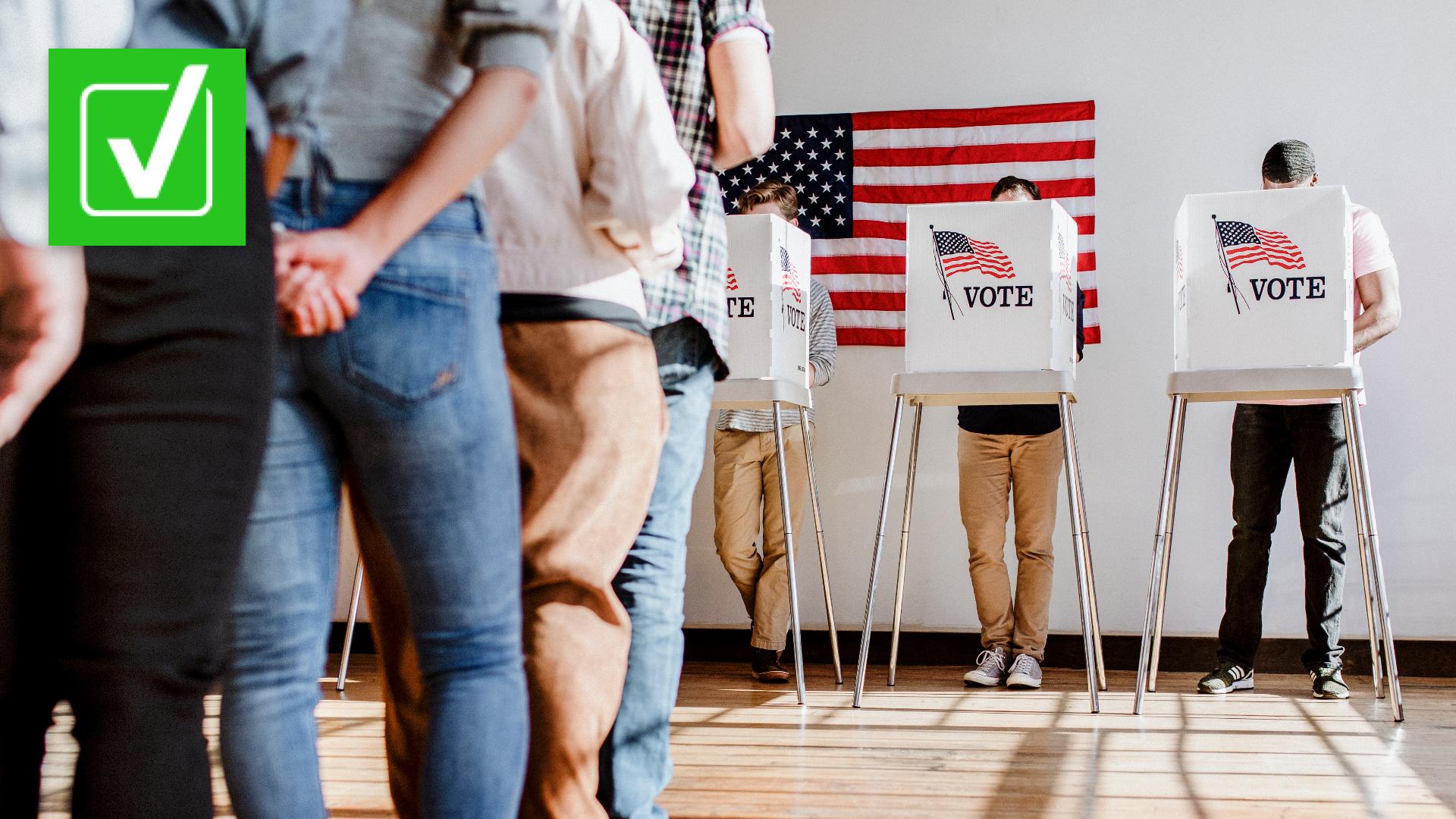
Civic Engagement as a Cornerstone of Texan Lifestyle and Community
The ability of former felons to regain their voting rights in Texas is more than a legal technicality; it’s a testament to a broader philosophy that views civic engagement as essential for a thriving community. This perspective directly influences the overall “lifestyle” of Texas and contributes to its appeal as a destination, not just for tourists but for anyone seeking to build a life there.
Exploring Texas Through Its Democratic Heritage
Texas is rich with history, much of which is deeply tied to concepts of freedom, self-governance, and democratic struggle. Visiting landmarks like the majestic Texas State Capitol in Austin offers a tangible connection to the state’s legislative process and the foundations of its democracy. The building itself, an architectural marvel, stands as a symbol of the people’s voice. Understanding who can vote, and under what circumstances, adds another layer of meaning to these historical sites.
Similarly, iconic locations such as The Alamo in San Antonio are celebrated not just for their historical significance but as symbols of courage and the fight for liberty – principles that underpin the right to vote. When a former felon regains their suffrage, they are, in a sense, re-joining this long lineage of Texans who have fought for and exercised their democratic rights. It becomes part of their personal narrative within the larger story of Texas.

Beyond historical sites, the very act of voting is an immersion into local Texas culture. Participating in elections means engaging with current events, understanding local issues, and feeling the pulse of communities from the metropolitan sprawl of Houston to the ranching heartland of Fort Worth. This active participation deepens one’s “experience” of Texas far beyond simply visiting its attractions. It’s about being an active participant in its ongoing story.
The Role of Community and Local Tourism in Reintegration
A strong, engaged community is the bedrock of a desirable destination, whether for short-term tourism or long-term living. When individuals are civically engaged, they contribute to the stability, safety, and cultural richness of their towns and cities. This, in turn, makes these places more attractive for everyone. Consider how a vibrant local food scene, thriving arts and music venues, or well-maintained public spaces – all often influenced by local governance and community participation – contribute to a positive tourist experience.
For former felons, active participation in the democratic process can be a powerful catalyst for reintegration into these very communities. Instead of feeling marginalized, they become stakeholders, invested in the well-being and future of their neighborhoods. This can lead to increased involvement in local activities, volunteer opportunities, and even employment in sectors like hospitality and tourism, which benefit immensely from a strong local workforce and a positive community image.
Moreover, the sense of belonging fostered by civic participation encourages individuals to explore and appreciate their local surroundings more deeply. They might attend community festivals, visit local museums, patronize small businesses, and ultimately become ambassadors for their hometowns. This engagement fuels local tourism from within, creating a more authentic and welcoming atmosphere that benefits visitors and residents alike. A community that supports reintegration and empowers its citizens through voting rights is, inherently, a more attractive and sustainable destination.
Planning Your Path: Resources and Considerations for Civic Participation
For individuals with past felony convictions, the journey to becoming an active voter in Texas requires clarity and accurate information. While the path is laid out, knowing how to navigate it confidently is key to successfully reclaiming one’s right to vote.
Verifying Your Eligibility: Steps for Former Felons
The most critical step for any former felon wishing to vote is to confidently verify their eligibility. Given the precise legal language regarding sentence completion, any ambiguity can lead to confusion or even inadvertently casting an illegal ballot, which can have serious consequences.
Here are practical steps to ensure eligibility:
- Obtain Official Discharge Papers: The clearest proof of eligibility is the official documentation stating the completion of your full sentence, including any parole, probation, or supervised release. This document confirms that you have been legally discharged from the criminal justice system’s oversight. Keep this documentation safe.
- Contact Your County Election Administrator: Each county in Texas has an election administrator (often part of the County Clerk’s office) who can provide guidance on voter registration and eligibility. While they cannot give legal advice, they can clarify general requirements and the registration process. You can find contact information for your county’s election officials on the Texas Secretary of State’s website.
- Check Your Criminal Record (if unsure): If there is any doubt about the completion of your sentence or the status of your parole/probation, you can consult with a legal professional or, in some cases, contact the court that handled your case or the parole board for clarification. Accuracy is paramount.
- Register to Vote: Once certain of eligibility, the next step is to register to vote. Registration forms are widely available at post offices, libraries, county election offices, and online via the Texas Secretary of State’s website. Fill out the form completely and accurately, attesting to your eligibility. Lying on a voter registration form is a felony offense itself, so honesty regarding your status is critical.
It is crucial to avoid misinformation, which can often circulate, leading to unnecessary fear or incorrect actions. Rely on official sources and, when in doubt, seek professional legal advice. The goal is to ensure a smooth and legal re-entry into the electorate.
Beyond Voting: Engaging with Texas’s Diverse Attractions
For those who have completed their sentence and regained their right to vote, the entire landscape of Texas opens up in a new light. This civic re-entry is often accompanied by a broader sense of empowerment, encouraging individuals to fully embrace and explore the diverse “lifestyle” options available throughout the state.
Imagine the renewed sense of freedom to explore the vast expanses of Big Bend National Park, a stark contrast to any previous confinement. Or perhaps engaging with the vibrant arts scenes in Houston and Dallas, enjoying the local cuisine that defines the unique character of each city. The restored ability to vote is not just about a political act; it’s about a complete restoration of one’s place within society, empowering them to fully participate in all aspects of Texan life, from its natural wonders to its bustling urban centers.
This holistic reintegration fosters a lifestyle of active citizenship that extends beyond the ballot box. It encourages individuals to seek out local attractions, support local businesses, and contribute to the rich tapestry of Texas culture. Whether it’s enjoying live music in Austin, exploring the historic missions of San Antonio, or experiencing the unique blend of cowboy and culture in Fort Worth, a fully enfranchised citizen is more likely to engage with and celebrate the unique charm of their state. This contributes positively to the tourism industry, the local economy, and the overall social fabric.
The Broader Impact: How Civic Reintegration Shapes Texas’s Future
The question of whether a felon can vote in Texas ultimately extends beyond the individual, touching upon the very health and future of the state. Policies that facilitate civic reintegration have profound implications for community development, social cohesion, and the image of Texas as a place that offers opportunities for renewal.
Fostering Inclusive Communities: A Benefit for All
When former felons regain their right to vote, it strengthens the democratic process by expanding the electorate and ensuring that a broader range of voices and experiences are represented. Inclusive communities are not just morally desirable; they are demonstrably more stable, innovative, and resilient. When all eligible citizens have a stake in their government and community, they are more likely to contribute positively, reduce recidivism, and engage in constructive dialogue.
This inclusivity positively impacts every facet of a destination. A community where citizens feel valued and empowered to participate is often safer, cleaner, and more vibrant. Such an environment is inherently more attractive for families looking to settle, businesses seeking to invest, and tourists desiring an authentic and welcoming experience. It contributes to a positive “local culture” that enriches visitors’ experiences, from the quality of service in hotels and resorts to the cultural depth of local attractions and food scenes. By embracing policies that restore voting rights, Texas fosters a more engaged citizenry that ultimately contributes to a more appealing and prosperous state for everyone.
Texas as a Destination for Second Chances and Active Citizenship
Texas’s policy on felon voting rights, which provides a clear path to regaining suffrage upon sentence completion, positions the state as one that believes in second chances and the power of active citizenship. This narrative contributes to the state’s identity as a place of opportunity, where individuals can rebuild their lives and fully participate in civic society.
This perspective enhances the overall appeal of [Texas](https://lifeoutofthebox.com/texas] as a destination. It suggests a state that is not only rich in history, natural beauty, and economic opportunity but also one that values rehabilitation and the democratic participation of its residents. For those considering long-term accommodation or even just an extended stay, this aspect of the Texan lifestyle can be a significant draw. It signifies a society that, while upholding law and order, also extends a pathway for redemption and re-engagement.
Ultimately, the ability of a former felon to vote in Texas is a crucial aspect of civic life in the state. It is a right restored, not through complex bureaucratic hurdles, but through the completion of one’s full sentence. This policy not only empowers individuals to reclaim their voice and pursue a fulfilling lifestyle of active citizenship but also contributes to the creation of more inclusive, vibrant, and ultimately, more appealing communities across the diverse and expansive landscape of the Lone Star State. It’s a testament to the belief that every Texan, once they have fulfilled their obligations, deserves a seat at the table of democracy.
LifeOutOfTheBox is a participant in the Amazon Services LLC Associates Program, an affiliate advertising program designed to provide a means for sites to earn advertising fees by advertising and linking to Amazon.com. Amazon, the Amazon logo, AmazonSupply, and the AmazonSupply logo are trademarks of Amazon.com, Inc. or its affiliates. As an Amazon Associate we earn affiliate commissions from qualifying purchases.