
When picturing Texas, images of scorching deserts, expansive ranches, and vibrant rodeos often come to mind. It’s the quintessential Lone Star State experience, steeped in a reputation for heat and sunshine. So, the question “Does Texas get snow?” often elicits a chuckle or a surprised blink from those unfamiliar with its immense geographical diversity. The short answer is a resounding yes, but the reality is far more nuanced, varying dramatically depending on where you are in this vast state and which winter season you’re experiencing.
Texas is the second-largest state in the United States by both area and population, encompassing a range of climates from arid deserts to humid coastlines. This geographical breadth means that while some regions brace for regular snowfalls, others might go decades between flakes. For travelers and residents alike, understanding this climatic tapestry is key to planning visits or simply navigating the surprising beauty of a Texas winter.
The infrequent yet memorable snow events can transform familiar landscapes into unexpected winter wonderlands, offering unique travel experiences for those who know where to look and when to visit. From the rugged peaks of West Texas to the bustling metropolitan areas of Dallas and Fort Worth, snow, though often fleeting, is a magical occurrence that captivates locals and offers a rare spectacle for tourists accustomed to the state’s warmer clichés.

The Geographic Tapestry of Texas Snowfall
To truly grasp the dynamics of snow in Texas, one must first appreciate its incredible size and varied topography. The state shares borders with Oklahoma, Louisiana, Arkansas, New Mexico, and Mexico, and each region interacts with distinct weather patterns that dictate its likelihood of snowfall.
The Panhandle and North Texas: Winter’s Regular Guests
The northernmost reaches of Texas, particularly the Panhandle, experience the most consistent and often heaviest snowfalls. Cities like Amarillo and Lubbock see several snow events each winter, with accumulations ranging from a light dusting to several inches, sometimes even over a foot during significant winter storms. Here, snow is a familiar part of life, often impacting travel and daily routines, much like in more northern states. The cold fronts originating from the Rockies and Canada have a more direct influence on this region.
For travelers, witnessing Palo Duro Canyon State Park, the “Grand Canyon of Texas,” dusted in white is a breathtaking sight, offering a serene and solitary experience distinct from its vibrant summer hues. Similarly, North Texas cities like Dallas and Fort Worth receive snow more frequently than their southern counterparts, typically once or twice a year. While accumulations are usually light and melt quickly, they can occasionally bring traffic to a standstill and blanket the urban landscape in a picturesque, albeit temporary, white layer. The local tourism scene often celebrates these rare occurrences, with families venturing out to build snowmen or enjoy impromptu sledding.
West Texas: High Deserts and Mountain Dustings
West Texas, encompassing the Chihuahuan Desert and various mountain ranges, also experiences snow, though its character differs significantly. Cities like El Paso, Midland, and Odessa see snow, but it’s often lighter and less frequent than in the Panhandle. However, the higher elevations, particularly around Big Bend National Park and the Davis Mountains, can receive more substantial snow.
A winter visit to Big Bend National Park can be particularly enchanting. Imagine the dramatic desert landscapes, towering peaks, and deep canyons softened by a fresh blanket of snow – a stark contrast to the typical dusty images. Hiking trails become quieter, and the air is crisp, offering unique photographic opportunities and a profound sense of solitude. Guadalupe Mountains National Park, with Texas’s highest peak, Guadalupe Peak, also experiences snow regularly, making it a rugged, yet beautiful, winter destination for experienced hikers. The artsy desert town of Marfa might also see a rare dusting, adding another layer of mystique to its already unique aesthetic.
Central and South Texas: Rare but Memorable Occurrences
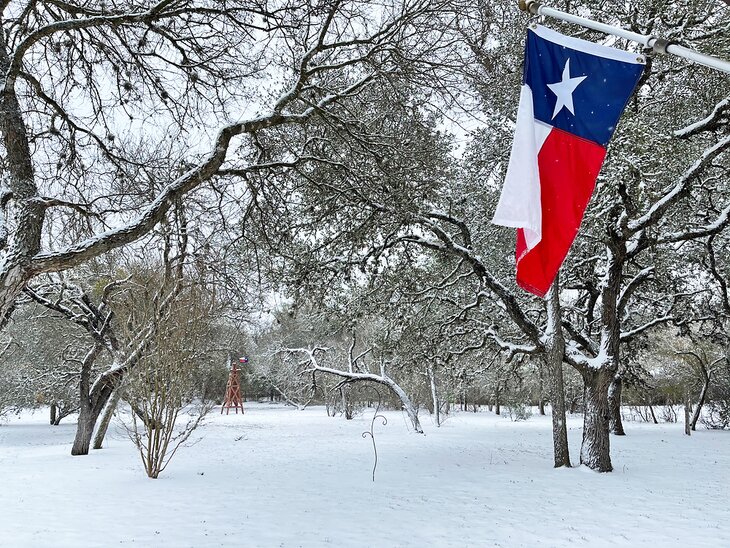
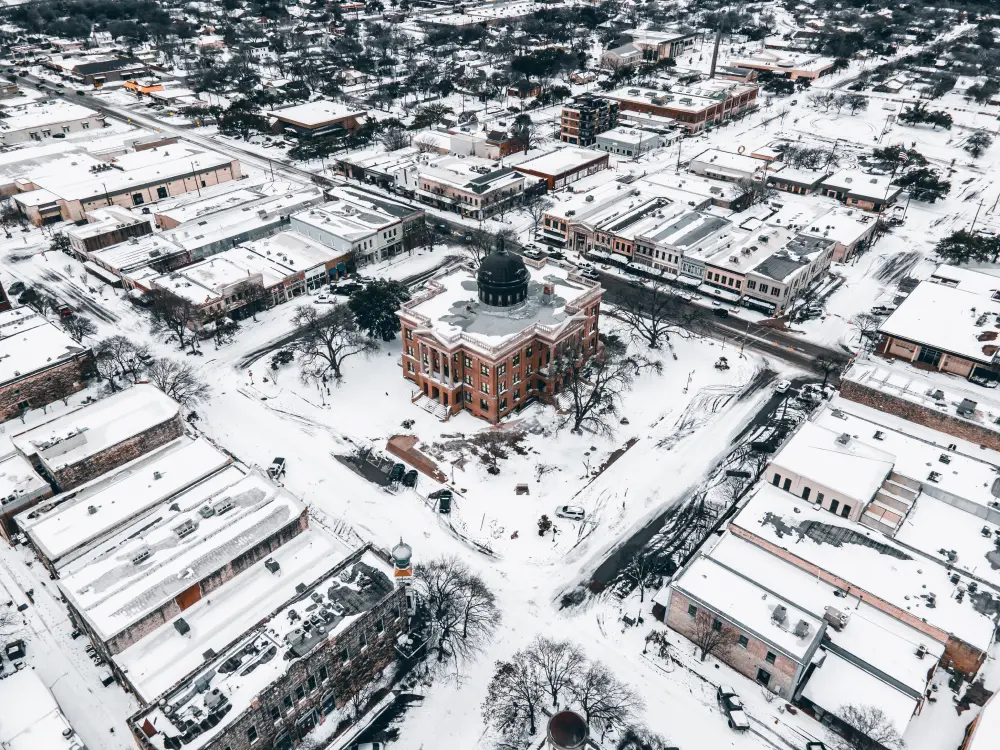
Moving south and east, the likelihood and intensity of snow diminish considerably. Central Texas, home to Austin and San Antonio, experiences snow far less frequently, perhaps once every few years, and usually in very light dustings that melt quickly. When snow does fall in these areas, it’s a major event, often bringing cities to a standstill as locals excitedly step out to marvel at the phenomenon.
The iconic San Antonio Riverwalk under a rare dusting of snow is a magical sight, transforming its festive atmosphere into a serene, almost ethereal experience. In Austin, the Texas State Capitol building might be framed by white, creating postcardsque scenes that are cherished by residents.
Further south, along the Gulf Coast in cities like Houston (often referred to as Space City), Corpus Christi, and South Padre Island, snow is an extremely rare event, often occurring only once a decade or even less. When it does happen, it makes headlines and becomes a vivid memory for those who witness it. These areas are typically characterized by mild winters, making snow an extraordinary deviation from the norm.
When to Expect Snow: A Seasonal Overview
Texas’s winter season generally spans from December to February, and this is when any snowfall is most likely to occur.
- December: While the start of winter, December typically brings colder temperatures, but significant snow events are more common towards the latter half of the month, sometimes coinciding with the festive holiday season, offering a rare “white Christmas” in northern parts of the state.
- January: Historically, January is the coldest month in Texas and therefore often sees the highest probability of snow, particularly in the Panhandle and North Texas.
- February: Snow can extend into February, sometimes even bringing significant storms as seen during the widespread February Freeze of 2021, which affected almost the entire state.
It’s crucial to remember that Texas weather is notoriously unpredictable. One winter might be exceptionally mild with no snow, while the next could bring multiple significant events, even to areas where it’s rare. Climate patterns like La Niña and El Niño can also influence the severity and frequency of cold fronts and precipitation during the winter months. For travelers specifically hoping to catch a glimpse of snow, monitoring long-range forecasts for the northern and western regions of the state between January and February offers the best chance.
Experiencing Texas Winter: Travel and Tourism Insights
For those intrigued by the idea of a Texas winter, whether hoping for snow or simply enjoying milder temperatures, the state offers a unique blend of experiences. The cooler months often bring fewer crowds to popular attractions, creating a more relaxed atmosphere for exploration.
Travel Logistics and Preparation
Traveling during a potential snow event in Texas requires some preparation, especially if you’re venturing into the more prone regions. While Texas infrastructure is well-equipped for heat, heavy snow and ice can disrupt transportation.
- Road Conditions: Even a light dusting can make roads slick, as many drivers and city services are not accustomed to winter driving. If driving, keep an eye on weather alerts and road closure information, particularly for highways in North Texas and the Panhandle.
- Flights: Major airports in Dallas, Houston, and Austin can experience delays or cancellations during severe winter weather, so checking flight statuses is essential.
- Packing Essentials: Even if you’re not specifically chasing snow, layers are key. Bring warm clothing, including sweaters, a waterproof jacket, hats, gloves, and sturdy, waterproof shoes, especially if you plan to visit parks or spend time outdoors. For those visiting the Panhandle, true winter gear is often necessary.
Accommodation and Winter Charm
The cooler months provide a wonderful opportunity to experience Texas’s diverse range of accommodations, often with added coziness. Many hotels and resorts offer enticing off-season rates or winter packages.
- Luxury and Comfort: In urban centers like Dallas or Austin, upscale hotels provide a warm refuge. Imagine staying at a place like The Texan Grand Resort in Dallas, with its luxurious amenities and perhaps a roaring fireplace in the lobby, providing a chic haven from any chill. Boutique hotels in charming towns like Fredericksburg offer intimate settings, often with local wines and farm-to-table dining.
- Historic Stays: In San Antonio, a stay at a historic property such as the Riverwalk Boutique Hotel offers direct access to the festive ambiance of the Riverwalk without the summer crowds, especially magical if a rare snowfall occurs.
- Nature Lodges: For those exploring the national and state parks, lodges and cabins provide rustic charm and a chance to disconnect. Some even feature fireplaces or hot tubs, perfect for unwinding after a day of crisp winter hiking.
Activities and Attractions in a Winter Wonderland (or Mild Winter)
Winter in Texas opens up a different set of attractions and activities, whether you encounter snow or not.
- Outdoor Exploration: The cooler temperatures are ideal for exploring Texas’s extensive park system without the intense heat. Hiking, birdwatching, and camping are more comfortable. Big Bend National Park is stunning in winter, offering unparalleled stargazing opportunities. Palo Duro Canyon State Park is spectacular, whether dusted with snow or simply vibrant with winter colors.
- Urban Adventures: Cities like Houston, Dallas, and Fort Worth boast world-class museums, art galleries, and performance venues that provide excellent indoor entertainment on chilly days. The Museum of Fine Arts, Houston or the Kimbell Art Museum in Fort Worth offer enriching cultural experiences.
- Culinary Delights: Winter is the perfect time to indulge in Texas’s comfort food scene, from hearty BBQ and chili to warm, spiced drinks. Explore the Texas Hill Country Wineries, where tours and tastings can be enjoyed in cozy settings, often with fewer visitors than in peak seasons.
- Festivals and Events: While not “snow festivals,” the winter months still host various holiday light displays through New Year’s Day, rodeos, and cultural events across the state that are enjoyable in the cooler weather.
Lifestyle and Local Culture During Texas Winters
For many Texans, the winter months, especially those rare snow days, are a cherished time. The joy of an unexpected snow day is palpable, transforming ordinary routines into impromptu family fun. Children revel in building small snowmen or attempting sledding on gentle slopes, while adults often find a renewed appreciation for the warmth of their homes and community.
The lifestyle shifts subtly; outdoor patios might be equipped with heaters, and menus feature warmer, heartier options. Despite the state’s reputation for rugged individualism, there’s a collective sense of community that emerges during cold snaps or snow events, with neighbors helping neighbors and local businesses offering hot coffee or comfort food.
For “snowbirds” from colder northern states, Texas winters, even in the northern regions, are often a welcome escape, offering milder temperatures and more sunshine than they would find back home. They contribute to the vibrant winter tourism, enjoying the cultural attractions, golf courses, and outdoor activities that remain accessible. Even with the occasional snow, the general climate remains inviting, making Texas a desirable winter destination for a diverse range of travelers seeking everything from a true winter experience to a pleasant respite from extreme cold.
In conclusion, the idea that Texas never gets snow is a pervasive myth. While not a consistent winter wonderland like some northern states, Texas offers a surprising and regionally diverse range of snow experiences. From the regular blankets in the Panhandle and North Texas to the rare, magical dustings in Central Texas and the stunning, snow-capped peaks of West Texas, the state delivers unique winter charm. Understanding these patterns allows travelers to plan unforgettable trips, whether their goal is to experience a rare Texas snowfall or simply to enjoy the state’s attractions in a refreshingly cool and uncrowded season. So, next time you consider a winter getaway, remember that the Lone Star State might just surprise you with a touch of white.
LifeOutOfTheBox is a participant in the Amazon Services LLC Associates Program, an affiliate advertising program designed to provide a means for sites to earn advertising fees by advertising and linking to Amazon.com. Amazon, the Amazon logo, AmazonSupply, and the AmazonSupply logo are trademarks of Amazon.com, Inc. or its affiliates. As an Amazon Associate we earn affiliate commissions from qualifying purchases.