
The vibrant heart of Texas pulses between two of its most iconic cities: San Antonio and Austin. While each boasts a distinct personality – San Antonio steeped in rich history and culture, Austin renowned for its eclectic music scene and “Keep Austin Weird” ethos – they share a common thread of Texan charm and hospitality. For travelers looking to immerse themselves in the Lone Star State’s diverse offerings, exploring both destinations often tops the itinerary. The convenience of their proximity makes a dual-city adventure not just possible, but highly recommended.
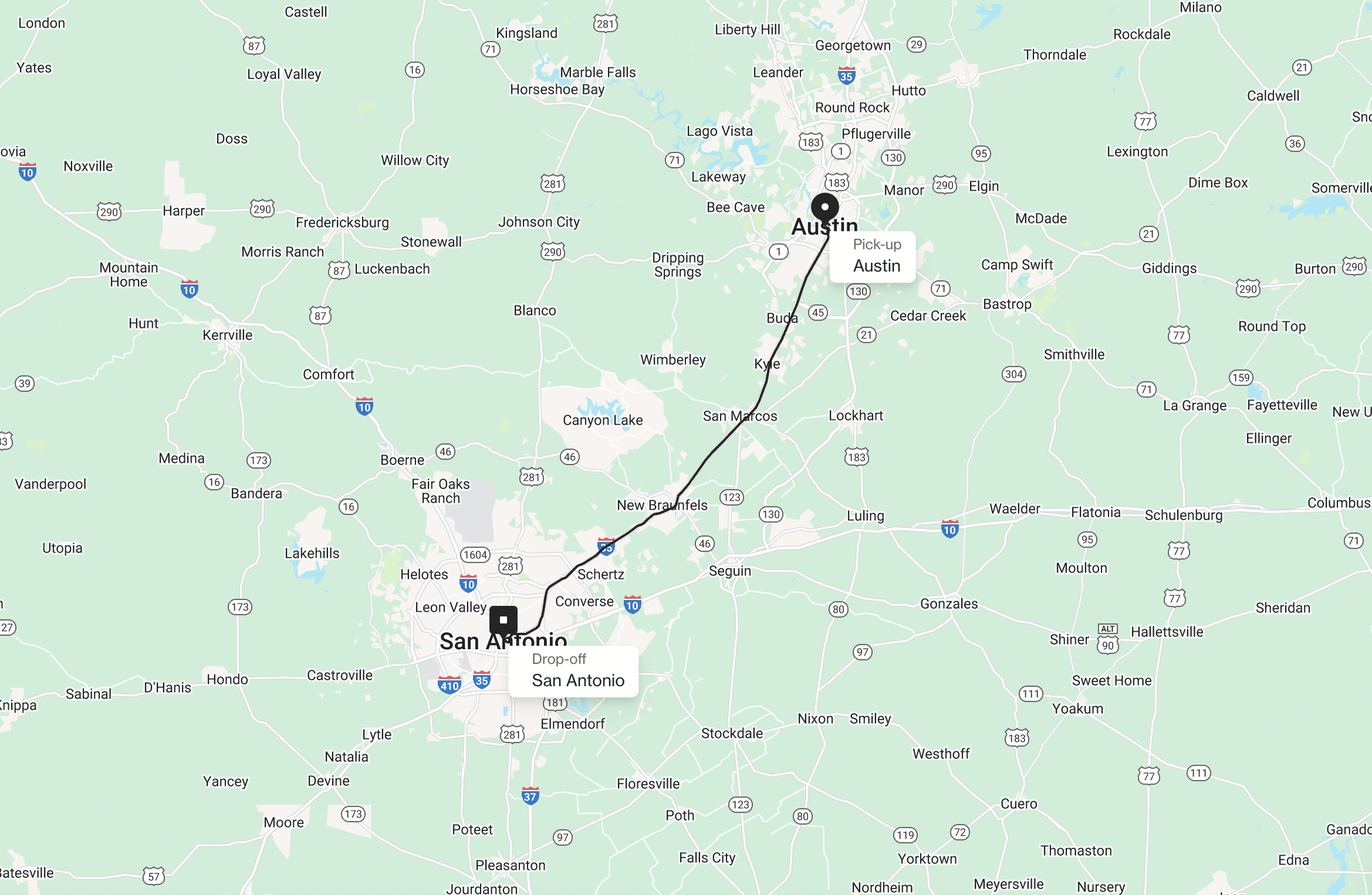
So, how far exactly separates these two Texas jewels? The distance between San Antonio and Austin, Texas, is approximately 80 miles (about 129 kilometers) when traveling directly between their city centers. This relatively short distance makes for an easy and enjoyable journey, typically taking around 1 hour and 30 minutes to 2 hours by car, depending on traffic conditions, which can vary significantly, especially during peak hours. This article will delve into the various ways to traverse this popular route, explore the unique attractions and experiences awaiting you in each city, offer advice on the best accommodation options, and provide essential tips for planning your unforgettable Texas getaway.
Navigating the Journey: Distance and Travel Options Between San Antonio and Austin
The road connecting San Antonio and Austin is a well-trodden path, offering travelers several convenient ways to make the journey. Understanding the distance and available transportation methods is key to planning a seamless transition between these two captivating cities.
The Straight Shot: Driving from San Antonio to Austin
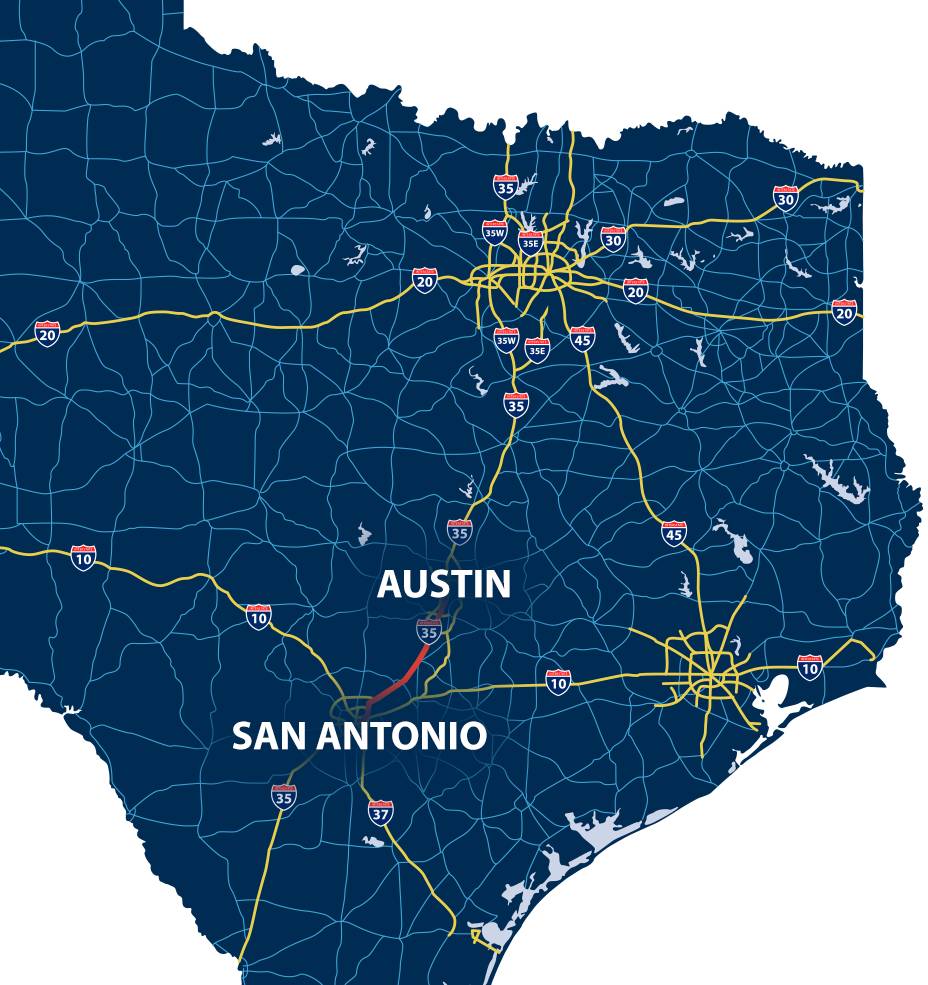
For many, driving is the preferred method of travel between San Antonio and Austin due to its flexibility and the scenic route it offers through the heart of Texas. The most direct and common route is via Interstate 35 (I-35). As mentioned, the drive covers roughly 80 miles, and under ideal conditions, can be completed in about 1 hour and 30 minutes.
However, it’s crucial to account for traffic, particularly when passing through growing urban centers like New Braunfels and San Marcos, both popular destinations in their own right, known for their rivers and outlet shopping. Weekday rush hours (typically 7-9 AM and 4-6 PM) and Friday afternoons can significantly extend travel times, sometimes pushing the journey to 2.5 hours or even more. Weekend traffic, especially during major events in either city, can also cause delays. To ensure a smoother drive, consider departing early in the morning, mid-day, or later in the evening. Along the way, you’ll find numerous opportunities for quick stops, whether for gas, a stretch of the legs, or a bite to eat, particularly in the aforementioned towns. This route is generally straightforward, well-maintained, and offers a comfortable drive for most travelers.
Alternative Transportation: Buses, Ride-Shares, and More
While driving offers unparalleled freedom, several other options cater to different preferences and budgets, making the journey accessible for all types of travelers.
Bus Services: Intercity bus travel is a cost-effective and convenient way to get between San Antonio and Austin. Companies like Greyhound and Megabus operate multiple daily routes, with travel times usually ranging from 1 hour 45 minutes to 2 hours 30 minutes, depending on the number of stops. Bus fares are generally quite affordable, especially if booked in advance, making it an excellent option for budget-conscious travelers. The main bus terminals in both cities are centrally located or easily accessible via local public transport or ride-shares, ensuring a smooth transition to your final destination.
Ride-Sharing and Private Car Services: For those prioritizing convenience and flexibility without wanting to drive themselves, ride-sharing services like Uber and Lyft are readily available. While more expensive than bus travel, they offer door-to-door service and the ability to depart whenever you wish. The cost can vary significantly based on demand, time of day, and the specific service chosen (e.g., standard, XL). Private car services are another premium option, offering a comfortable and often luxurious experience for those willing to invest more.
Train Travel: While Amtrak does offer a route connecting San Antonio and Austin as part of its Texas Eagle line, it’s generally not the most practical or time-efficient option for this particular inter-city journey. Train schedules are less frequent, and the overall travel time, including potential delays and station transfers, can often exceed that of driving or taking a bus. However, for train enthusiasts or those looking for a different kind of travel experience, it remains an option to consider.

Discovering Texas Gems: What to See and Do in San Antonio
Once you arrive in San Antonio, you’re immediately enveloped in a city that beautifully intertwines its deep historical roots with a vibrant contemporary spirit. As one of the oldest cities in Texas, it offers an abundance of attractions that appeal to history buffs, culture seekers, and families alike.
Historic Landmarks and Cultural Immersion
No visit to San Antonio is complete without a pilgrimage to The Alamo. This iconic mission and fortress compound, famous for the 1836 Battle of The Alamo, stands as a powerful symbol of Texan independence. Visitors can explore the grounds, museum, and chapel, gaining insight into a pivotal moment in American history. Just steps away, the legendary San Antonio River Walk (Paseo del Río) beckons. This 15-mile network of pedestrian pathways winds along the San Antonio River, lined with charming restaurants, bustling shops, and lively bars. Taking a leisurely boat tour is an excellent way to soak in the atmosphere and learn about the city’s architecture and history.
Beyond The Alamo, San Antonio is home to the San Antonio Missions National Historical Park, a UNESCO World Heritage Site encompassing four Spanish colonial missions: Mission Concepción, Mission San José, Mission San Juan, and Mission Espada. These beautifully preserved missions offer a fascinating glimpse into the area’s early indigenous and Spanish heritage, and exploring them can be done by car, bike, or even a walk along the extended River Walk pathways. For a taste of authentic Mexican culture, a stroll through Market Square (El Mercado), the largest Mexican market in the United States, is a must. Here, you’ll find vibrant shops selling artisan crafts, delicious Tex-Mex cuisine, and often live mariachi music, creating an immersive cultural experience.
Family Fun and Unique Experiences
San Antonio also shines as a family-friendly destination, offering a range of entertainment options beyond its historical sites. SeaWorld San Antonio combines thrilling rides, animal encounters, and live shows, providing a full day of excitement for visitors of all ages. For adrenaline junkies, Six Flags Fiesta Texas boasts an impressive array of roller coasters and entertainment, set against the backdrop of an abandoned quarry.
The city’s culinary scene is another major draw, with its renowned Tex-Mex cuisine taking center stage. From casual eateries to upscale dining, you’ll find an abundance of flavorful dishes, often accompanied by margaritas and live music. Beyond the bustling city center, the Pearl District offers a trendy, revitalized area with upscale restaurants, boutiques, and a vibrant farmers market, perfect for a leisurely afternoon. Whether you’re seeking historical enlightenment, cultural immersion, or family-friendly thrills, San Antonio delivers an unforgettable experience.
The Live Music Capital: Exploring Austin’s Vibrant Scene
After soaking in the history of San Antonio, a journey north to Austin reveals a city with a distinctly different, yet equally captivating, personality. Known globally as the “Live Music Capital of the World,” Austin is a dynamic hub of creativity, innovation, and outdoor activity, all wrapped in its famous “Keep Austin Weird” motto.
Iconic Attractions and Outdoor Adventures
A visit to Austin often begins with a trip to the magnificent Texas State Capitol. Taller than the U.S. Capitol Building, this National Historic Landmark offers free tours that provide insights into Texas history and government. Outdoors enthusiasts will find plenty to love in Austin. Zilker Park is a sprawling urban oasis, home to the iconic Barton Springs Pool, a three-acre natural spring-fed swimming pool with a constant cool temperature – perfect for escaping the Texas heat. The park also hosts major events like Austin City Limits Music Festival.
Just adjacent to Zilker Park is Lady Bird Lake (formerly Town Lake), a popular spot for kayaking, paddleboarding, and canoeing. The Ann and Roy Butler Hike-and-Bike Trail encircles the lake, offering stunning skyline views. In the evenings, thousands gather on the Congress Avenue Bridge overlooking Lady Bird Lake to witness the spectacular flight of North America’s largest urban bat colony. For a unique shopping and dining experience, South Congress Avenue (SoCo) is the place to be, with its quirky boutiques, vintage shops, lively restaurants, and often live street performances.
Austin’s Unique Vibe: Music, Food, and Quirks
Austin’s reputation as the “Live Music Capital” is well-earned. From dive bars to intimate venues and grand concert halls, music permeates the city. Sixth Street is famous for its concentration of live music venues and bustling nightlife, while Rainey Street offers a more relaxed, but equally lively, atmosphere with its historic bungalows converted into popular bars. The annual SXSW (South by Southwest) festival in March brings together music, film, and technology, attracting global attention and transforming the city into a hub of innovation and entertainment.
The culinary scene in Austin is as diverse as its music. The city is renowned for its incredible food truck culture, offering everything from gourmet tacos to international fusion. And of course, no visit to Texas is complete without indulging in some authentic Texas barbecue, and Austin boasts some of the best. The city’s commitment to independent businesses and its unconventional charm contribute to its distinct “Keep Austin Weird” vibe, making it a truly unforgettable destination for travelers seeking something out of the ordinary.
Where to Stay: Accommodation Options in Both Cities
To truly savor the distinct flavors of San Antonio and Austin, selecting the right accommodation is crucial. Both cities offer a wide range of lodging options, from luxurious resorts to budget-friendly hotels and charming boutique stays, ensuring every traveler finds their perfect home away from home.
San Antonio’s Best Hotels and Resorts
In San Antonio, many of the most desirable hotels are located along or near the iconic River Walk, offering picturesque views and easy access to attractions. For a luxurious experience, the Omni La Mansion del Rio stands as a beacon of elegance, offering Spanish colonial architecture and a serene courtyard setting directly on the River Walk. Another top-tier option is Hotel Emma, a sophisticated boutique hotel housed in a former brewery in the trendy Pearl District, known for its unique design and exceptional service.
Mid-range options are plentiful along the River Walk, providing excellent value without sacrificing location or amenities. The Hyatt Regency San Antonio Riverwalk and the Drury Plaza Hotel San Antonio Riverwalk are popular choices, offering comfortable rooms, friendly service, and direct access to the city’s main attractions. For budget-conscious travelers, numerous chain hotels are available just outside the immediate downtown area, providing comfortable stays with easy access to the city via short drives or public transport. Vacation rentals, including charming apartments and historic homes, also offer an excellent alternative for families or longer stays, allowing for a more authentic local experience.
Austin’s Diverse Lodging for Every Traveler
Austin’s accommodation scene mirrors its eclectic personality, offering a mix of sophisticated luxury, trendy boutiques, and convenient downtown hotels. For unparalleled luxury and prime lakeside views, the Four Seasons Hotel Austin offers an opulent experience with exceptional service and amenities. The W Austin is another high-end choice, known for its chic design, vibrant atmosphere, and proximity to the live music scene and the ACL Live venue.
Boutique hotels are a highlight in Austin, especially on South Congress. The Hotel San Jose, with its minimalist design and lush courtyards, offers a serene escape in the heart of the action. Downtown Austin also features a variety of reputable mid-range hotels like the JW Marriott Austin, providing modern comforts and easy access to the Capitol, Sixth Street, and the business district. Budget-friendly options can be found slightly further out from the city center, including a range of chain hotels and motels. Additionally, Austin has a strong presence of unique vacation rentals and hostels, perfect for travelers seeking a more communal or localized experience. Whatever your preference or budget, both San Antonio and Austin offer a comfortable and welcoming place to rest after a day of exploration.
Planning Your Trip: Tips for a Seamless Texas Adventure
Embarking on a dual-city adventure through San Antonio and Austin promises an enriching experience, but a little strategic planning can elevate your trip from good to unforgettable. Considering factors like the best time to visit and how to maximize your time will ensure a smooth and enjoyable journey.
Best Time to Visit and Travel Strategies
The ideal time to visit both San Antonio and Austin is during the spring (March to May) and fall (September to November). During these seasons, the Texas weather is generally pleasant, with comfortable temperatures perfect for exploring outdoor attractions and enjoying al fresco dining. Spring brings beautiful wildflowers, including the iconic bluebonnets, to the Texas Hill Country between the two cities. Fall offers mild temperatures and a lively atmosphere as festivals kick into full swing.
Summers (June to August) can be intensely hot and humid, with temperatures often soaring above 90°F (32°C), which can make extensive outdoor sightseeing challenging. Winters (December to February) are typically mild but can be unpredictable, with occasional cold fronts.
When planning your trip, be mindful of major events that draw huge crowds and significantly impact hotel prices and traffic. In Austin, this includes SXSW in March and the Austin City Limits Music Festival in October. In San Antonio, Fiesta San Antonio in April is a massive, city-wide celebration. If you wish to experience these events, book accommodation and transportation far in advance. Otherwise, avoiding these peak times will allow for a more relaxed and often more affordable trip. Booking flights and hotels well in advance, regardless of the season, is always recommended to secure the best rates and availability.
Making the Most of Your Dual-City Exploration
To truly appreciate both San Antonio and Austin, consider allocating at least two to three days for each city. This will allow ample time to delve into their main attractions, explore their distinct neighborhoods, and enjoy their culinary and entertainment scenes without feeling rushed.
Packing essentials should include comfortable walking shoes, layers of clothing to adapt to varying indoor/outdoor temperatures, and sun protection (hat, sunglasses, sunscreen) regardless of the season. If visiting in summer, light, breathable fabrics are a must. Don’t forget portable chargers for your devices, as you’ll likely be taking many photos and navigating using maps.
Consider renting a car for at least part of your trip, especially for the journey between cities and if you plan on exploring beyond the downtown areas, such as the picturesque Texas Hill Country or the outlets in San Marcos. While both cities have some public transport and ride-sharing options, a car offers the most flexibility. However, parking can be a challenge and expensive in downtown areas, so factor that into your budget and planning. Look into hotel options that offer parking, or utilize park-and-ride facilities where available. Combining city exploration with scenic drives and quaint towns in between offers a comprehensive look at the heart of Texas.
In conclusion, the journey from San Antonio to Austin is more than just an 80-mile drive; it’s a passage through the diverse soul of Texas. From the historic grandeur of San Antonio’s missions and vibrant River Walk to Austin’s electric live music scene, outdoor adventures, and quirky charm, these two cities offer a dynamic duo for any traveler. With easy transportation links, abundant accommodation choices, and endless attractions, planning a trip that encompasses both destinations is not just feasible, but an absolute must for anyone seeking a true Texan experience. So pack your bags, choose your adventure, and get ready to explore the unique magic that lies between San Antonio and Austin.
LifeOutOfTheBox is a participant in the Amazon Services LLC Associates Program, an affiliate advertising program designed to provide a means for sites to earn advertising fees by advertising and linking to Amazon.com. Amazon, the Amazon logo, AmazonSupply, and the AmazonSupply logo are trademarks of Amazon.com, Inc. or its affiliates. As an Amazon Associate we earn affiliate commissions from qualifying purchases.