
The journey between Houston, Texas and Dallas, Texas is a quintessential Texas experience, connecting two of the state’s largest and most vibrant metropolitan areas. For travelers, adventurers, and business professionals alike, understanding the distance and the various ways to traverse it is key to planning an efficient and enjoyable trip. These two behemoths of the Lone Star State are not just geographical points; they are cultural hubs, economic powerhouses, and popular destinations offering a wealth of attractions, experiences, and lifestyle choices. Whether you’re seeking a quick transit for a business meeting, a leisurely road trip to explore the heart of Texas hospitality, or an economical way to bridge the gap, the journey between Houston and Dallas offers a spectrum of possibilities. This guide delves into the distances, travel options, and insights to help you navigate this popular route.
The Texas Connection: Understanding the Distance
At first glance, the map might suggest a straightforward path, but the reality of travel in Texas involves more than just a straight line. The vastness of the state means that even seemingly close cities can be separated by significant distances, offering opportunities for exploration or demanding careful planning for efficiency.
Straight Line vs. Road Distance
When calculating the “how far,” it’s crucial to distinguish between the straight-line (as the crow flies) distance and the actual road distance.
- Straight Line Distance: Approximately 225 miles (362 kilometers). This aerial measurement gives a theoretical minimum, primarily relevant for air travel.
- Road Distance: The most common route, primarily via Interstate 45 (I-45), measures approximately 240 miles (386 kilometers). This is the distance most travelers will cover when driving, taking a bus, or even some train routes that meander slightly. The slight increase in road distance accounts for the natural curvature of roads and minor deviations from a perfectly straight path to connect towns and infrastructure.
Understanding this distinction helps set realistic expectations for travel times and modes. While air travel aims to minimize the impact of the straight-line distance, ground transportation embraces the road distance, often turning it into an integral part of the travel experience, filled with scenic views, convenient stops, and opportunities to immerse oneself in local culture.
Why the Journey Matters
For many, the trip between Houston and Dallas isn’t just about reaching a destination; it’s about the journey itself. The choice of transportation mode can significantly impact the overall experience, catering to different lifestyles and travel preferences:
- Travel Experience: Are you looking for speed, comfort, affordability, or adventure? Each mode of transport offers a unique blend. Road trippers might prioritize stops at quirky attractions or small towns, while business travelers might value direct flights and efficient ground transfers.
- Time and Cost Efficiency: The trade-offs between cost and time are central to travel planning. A budget traveler might favor a longer bus ride for significant savings, while a luxury traveler might opt for a quick flight, valuing time above all.
- Flexibility and Convenience: Driving offers unparalleled flexibility for spontaneous detours and personalized schedules, whereas public transport provides the convenience of not worrying about parking or navigation.
- Environmental Impact: Some travelers might consider the environmental footprint of their journey, opting for more eco-friendly options like trains or buses when possible.
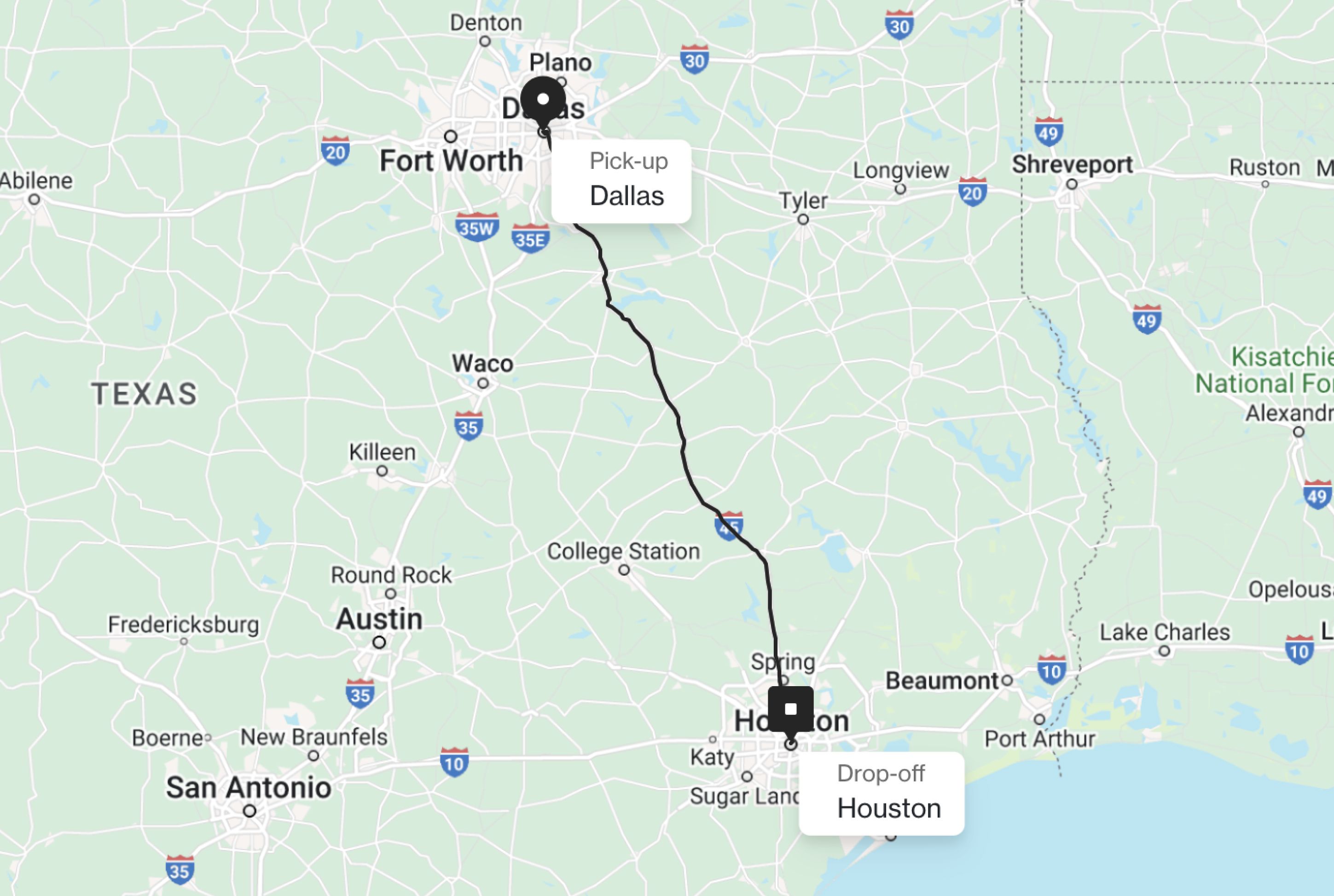
Ultimately, the best way to travel between Houston and Dallas depends on individual priorities, budget, and desired experiences. Each option presents a distinct flavor of Texas travel.
Navigating the Lone Star State: Transportation Options
Connecting Houston and Dallas is facilitated by a robust transportation network, offering travelers diverse choices. Each mode of transport comes with its own set of advantages, catering to different needs from business travel to leisurely family trips.
By Car: The Quintessential Texas Road Trip
Driving is by far the most popular way to travel between Houston and Dallas, offering unparalleled freedom and flexibility. The journey typically takes between 3.5 to 4.5 hours, depending on traffic, particularly around the metropolitan areas and through cities like Huntsville and Madisonville.
- The Route: The primary artery is Interstate 45, a well-maintained highway that slices directly through the heart of East Texas. While generally smooth, traffic can be heavy during peak hours, weekends, and holidays. Planning your departure to avoid these times can significantly cut down travel duration.
- Fuel and Costs: Expect to budget for fuel, which can vary. If you don’t own a car, rental cars are readily available at both city’s airports and downtown locations. Comparison shopping for rentals can yield significant savings, especially for long-term stays.
- Rest Stops and Refreshments: The I-45 corridor is dotted with numerous service stations and fast-food restaurants. A quintessential Texas road trip stop must include a visit to a Buc-ee’s convenience store, famous for its immaculate restrooms, vast selection of snacks, and quirky souvenirs. These massive travel centers offer more than just gas; they’re an attraction in themselves, providing a glimpse into the unique local culture and roadside hospitality.
- Lifestyle: Driving caters to all lifestyles. For luxury travelers, a high-end rental or chauffeured service offers comfort and privacy. For budget travelers, carpooling or selecting an economical vehicle keeps costs down. Families appreciate the ability to pack essentials, make unscheduled stops, and manage travel at their own pace.
By Bus: Economical and Convenient
For those seeking an affordable and hassle-free option, intercity bus services are an excellent choice. Greyhound and Megabus are the primary carriers, offering multiple daily departures between the two cities.
- Travel Time: Bus journeys typically range from 4 to 5 hours, slightly longer than driving due to scheduled stops and traffic considerations.
- Cost-Effectiveness: Bus tickets are often the most budget-friendly option, especially when booked in advance. This makes them popular among students, budget travelers, and those who prefer to save on gas and parking fees.
- Comfort and Amenities: Modern buses often come equipped with amenities like Wi-Fi, power outlets, and reclining seats, enhancing the travel experience. While not as luxurious as private transport, they offer a comfortable and practical way to travel.
- Pick-up and Drop-off Points: Buses generally depart from and arrive at central bus terminals in both Houston and Dallas, which are often accessible via public transport or ride-sharing services. This convenience is a significant draw, eliminating the need to navigate city traffic or find parking.
By Train: A Scenic Alternative
While not the fastest option, train travel offers a unique and relaxed way to experience the Texas landscape. Amtrak operates the Texas Eagle route, which connects Houston and Dallas.
- Travel Time: Train journeys are the longest, typically taking around 5.5 to 6.5 hours, as the route is less direct and includes several stops.
- The Experience: Passengers can enjoy spacious seating, dining cars, and observation areas, providing a comfortable and scenic alternative to driving. It’s an ideal choice for travelers who prioritize leisure and enjoy the journey as much as the destination. It’s perfect for those who want to relax, read, or work without the distractions of driving.
- Cost: Train tickets can be comparable to or slightly higher than bus fares, depending on the class of service and how far in advance you book. Amtrak offers various fare options, including coach and sleeper cars for longer routes.
- Stations: Amtrak stations are typically centrally located, often within historic buildings, adding a touch of charm to the start and end of your journey.
By Air: For Speed and Efficiency
For those prioritizing speed above all else, flying is the quickest way to travel between Houston and Dallas. Despite the relatively short distance, direct flights are available and can be surprisingly competitive in price, especially when booked strategically.
- Airports:
- Houston: Served by George Bush Intercontinental Airport (IAH) and William P. Hobby Airport (HOU).
- Dallas: Served by Dallas/Fort Worth International Airport (DFW) and Dallas Love Field (DAL).
- Flight Time: The actual flight time is incredibly brief, often less than 1 hour. However, the overall travel time, including check-in, security, and commutes to and from airports, can easily extend to 3-4 hours.
- Cost: Airfares fluctuate based on demand, airline, and booking time. While they can be pricier than bus or car travel, competitive pricing often exists, particularly for budget airlines operating out of Dallas Love Field (Southwest Airlines) or William P. Hobby Airport. For business stays, the saved time often justifies the higher cost, making it the preferred mode for those on tight schedules.
- Convenience: Flying offers maximum speed for covering the distance, but requires navigating large airports, which might involve significant walking or using airport transportation. Travelers must also account for baggage restrictions and fees.
Making the Most of Your Journey: Stops and Experiences
The trip between Houston and Dallas isn’t just a point-to-point transfer; it’s an opportunity to discover more of Texas. Especially for those opting for a road trip, incorporating stops can enrich the travel experience, turning a simple drive into a memorable adventure.
Mid-Point Marvels and Texas Charm
The I-45 corridor and its surrounding areas offer several interesting detours and attractions that embody Texas culture and history.
- Waco: Roughly halfway between Houston and Dallas, Waco has become a popular stop, especially for fans of home improvement and design. The city is home to Magnolia Market at the Silos, a sprawling complex of shops, eateries, and gardens created by Chip and Joanna Gaines. Beyond Magnolia, Waco also offers the Dr Pepper Museum, the Texas Ranger Hall of Fame and Museum, and the scenic Brazos River with its historic suspension bridge. For those interested in academia, Baylor University is also located here.
- College Station / Bryan: A slight detour east from I-45 will lead you to College Station and its twin city, Bryan. This region is dominated by Texas A&M University, offering a vibrant college town atmosphere. Visitors can explore the George H.W. Bush Presidential Library and Museum, dive into the history of the 41st U.S. President, or enjoy the local dining scene.
- Sam Houston National Forest: For nature lovers, segments of the Sam Houston National Forest are accessible off I-45 near Huntsville. It offers opportunities for hiking, picnicking, and a moment of tranquility amidst the East Texas pines. It’s a perfect brief escape for those needing to stretch their legs and connect with nature.
These stops are not just places to rest; they are destinations in themselves, adding layers of local culture, history, and unique experiences to your journey.
Gateway Cities: Dallas and Houston Exploration
Upon arrival, both Dallas and Houston unveil a treasure trove of landmarks, attractions, and activities, catering to every interest. Whether your trip is for business or leisure, planning some time to explore these dynamic cities is highly recommended.
-
Houston Highlights:
- Space Center Houston: The official visitor center for NASA’s Johnson Space Center, offering an immersive look into space exploration. A must-visit for families and science enthusiasts.
- Museum District: Home to 19 museums, including the Houston Museum of Natural Science, the Museum of Fine Arts, Houston, and the Children’s Museum Houston, many of which offer free admission on select days.
- The Galleria: A premier shopping destination, offering high-end boutiques, department stores, and an indoor ice-skating rink.
- Parks and Greenspaces: Discovery Green in downtown and Buffalo Bayou Park offer urban oases for relaxation, recreation, and events.
- Food Scene: Houston is renowned for its diverse culinary landscape, from authentic Tex-Mex and BBQ to international gourmet experiences.
-
Dallas Highlights:
- Reunion Tower: An iconic landmark offering panoramic views of the Dallas skyline from its observation deck.
- Sixth Floor Museum at Dealey Plaza: Located in the former Texas School Book Depository, this museum chronicles the life, death, and legacy of President John F. Kennedy.
- Dallas Arts District: The largest contiguous urban arts district in the nation, featuring world-class museums like the Dallas Museum of Art and the Nasher Sculpture Center.
- Klyde Warren Park: A vibrant deck park built over a freeway, offering green space, food trucks, and free daily programming in the heart of downtown.
- White Rock Lake: A vast urban lake offering trails for running and biking, kayaking, and a beautiful natural escape.
- Food Scene: Dallas also boasts an impressive food scene, known for its steakhouses, diverse international cuisine, and burgeoning craft cocktail culture.
Exploring these landmarks provides a deeper understanding of the local culture and history, enriching any travel guide.
Planning Your Perfect Texas Trip: Accommodation and Lifestyle Choices
Whether you’re visiting Houston or Dallas for a weekend getaway, a business conference, or a long-term stay, finding the right accommodation is paramount. Both cities offer a vast array of options, catering to every budget and lifestyle.
Where to Stay: Hotels, Resorts, and Unique Stays
The accommodation landscape in Houston and Dallas is incredibly diverse, ranging from luxurious resorts to budget-friendly apartments.
- Luxury Hotels and Resorts: For those seeking an opulent experience, both cities host world-renowned luxury brands. In Houston, options like The Post Oak Hotel at Uptown Houston offer five-star amenities, gourmet dining, and lavish suites. In Dallas, properties such as the Four Seasons Hotel Dallas and The Joule are synonymous with elegance, featuring spas, fine dining, and prime locations near business and cultural hubs.
- Boutique and Lifestyle Hotels: For a more personalized experience, boutique hotels often reflect the local culture and offer unique amenities. Hotel ZaZa Museum District in Houston and ZaZa Dallas Arts District in Dallas are known for their distinctive decor and vibrant atmospheres. C. Baldwin, Curio Collection by Hilton in downtown Houston offers a blend of historical charm and modern luxury, perfect for those appreciative of stylish surroundings.
- Business and Convention Hotels: Catering to the frequent business stays and large events hosted in these cities, hotels like the Marriott Marquis Houston (with its famous lazy river overlooking Discovery Green) and the Hyatt Regency Dallas or Omni Dallas Hotel are strategically located near major convention centers such as the George R. Brown Convention Center and the Kay Bailey Hutchison Convention Center. These establishments provide extensive meeting facilities, robust connectivity, and services tailored for the corporate traveler.
- Apartments and Villas: For longer stays, family trips, or those desiring a home-away-from-home experience, serviced apartments and private villas offer kitchenettes, more space, and a sense of local living. Booking platforms provide numerous options for short-term and long-term stays, complete with reviews and comparison tools to find the perfect fit.
Tailoring Your Trip: Luxury, Budget, and Family Travel
Your chosen lifestyle and budget will heavily influence your accommodation and activity choices, ensuring a personalized travel experience.
- Luxury Travel: Indulge in five-star suites, private transfers, exclusive tours, and gourmet dining. Think about booking a spa day, private shopping experiences at The Galleria or Highland Park Village, or attending a performance in the Dallas Arts District or Houston’s Theater District.
- Budget Travel: Opt for economical hotel chains, hostels, or vacation rentals outside the immediate downtown areas. Utilize public transportation (METRORail in Houston, DART in Dallas), seek out free attractions like Klyde Warren Park or the Gerald D. Hines Waterwall Park, and explore local eateries for authentic and affordable food. Comparison websites for booking accommodation and flights are invaluable for finding the best deals.
- Family Trips: Look for hotels offering family suites, pools, and kid-friendly amenities. Plan activities that cater to all ages, such as visits to Space Center Houston, Dallas World Aquarium, Hermann Park, or Dallas Zoo. Consider vacation rentals for more space and the convenience of cooking meals. Reviews from other families can be crucial in planning.
- Business Stays: Prioritize hotels with strong Wi-Fi, business centers, and proximity to your meeting locations. Many hotels offer executive lounges and express check-in/check-out services for efficiency. Direct flight options and reliable ground transportation are key for optimizing time.
By considering these factors, you can craft a travel itinerary that perfectly aligns with your expectations, whether you’re seeking adventure, relaxation, or productivity between these two great Texas cities.
Conclusion: Your Dallas to Houston Adventure Awaits
The journey between Houston, Texas and Dallas, Texas is more than just covering 240 miles on a map; it’s an opportunity to experience the diverse landscapes and vibrant culture of the Lone Star State. Whether you choose the independence of a road trip along Interstate 45, the cost-effectiveness of a bus, the leisurely pace of a train, or the efficiency of a quick flight, each mode of transportation offers a unique perspective and set of benefits.
From the bustling city centers to the charming towns along the way, both Houston and Dallas stand as magnificent destinations, rich in attractions, history, and culinary delights. Planning your trip with attention to accommodation, activities, and travel style—whether it’s for luxury travel, budget adventures, family trips, or business stays—will ensure a truly unforgettable Texas experience. So pack your bags, choose your adventure, and prepare to discover the vibrant connection between these two iconic Texas cities.
LifeOutOfTheBox is a participant in the Amazon Services LLC Associates Program, an affiliate advertising program designed to provide a means for sites to earn advertising fees by advertising and linking to Amazon.com. Amazon, the Amazon logo, AmazonSupply, and the AmazonSupply logo are trademarks of Amazon.com, Inc. or its affiliates. As an Amazon Associate we earn affiliate commissions from qualifying purchases.