
When you envision Texas, what comes to mind? Perhaps sprawling ranches, towering city skylines, or the vast, open plains stretching to the horizon. All of these images capture a piece of the truth, but they fundamentally point to one defining characteristic of the Lone Star State: its colossal size. Texas isn’t just big; it’s an empire unto itself, a geographic marvel that impacts everything from its climate and culture to its travel opportunities and diverse lifestyles. So, exactly how much land does this magnificent state encompass? The answer is a staggering figure that truly puts its scale into perspective.
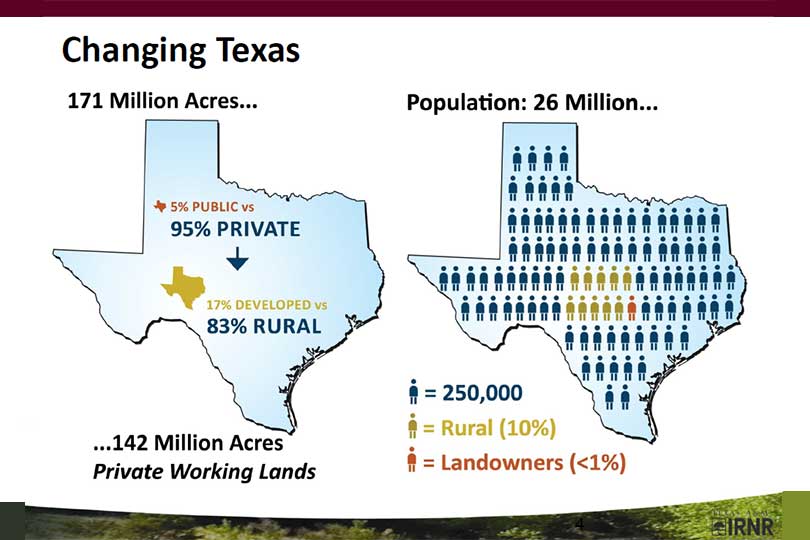
Texas spans an immense 171.9 million acres. To break that down further, it covers approximately 268,596 square miles. This makes it the second-largest state in the United States by area, surpassed only by Alaska. But mere numbers, while impressive, don’t fully convey the magnitude of what 171.9 million acres truly means for visitors and residents alike. This article will delve into the vastness of Texas, exploring how its immense acreage shapes its identity, dictates its travel and tourism landscape, and offers an unparalleled array of experiences for anyone eager to explore its diverse regions. From its iconic landmarks and natural wonders to its vibrant cities and unique accommodations, the sheer size of Texas is the foundation of its appeal, promising an adventure as expansive as the state itself.
The Lone Star State’s Immense Scale
The sheer scale of Texas is a fundamental aspect of its identity, influencing everything from its environmental diversity to its economic power. Understanding its acreage isn’t just a matter of trivia; it’s key to appreciating the depth and breadth of experiences available within its borders. This section explores the geographic reality of Texas’s size and how that vastness translates into a unique landscape for travel and exploration.
A Geographic Colossus
With 171.9 million acres, Texas is not merely a large state; it is a geographic colossus that dwarfs many countries. To put its size into context, Texas is larger than many sovereign nations in Europe, including France, Spain, and the United Kingdom, and significantly larger than Japan or Germany. It’s so expansive that driving from its easternmost point near Orange to its westernmost tip near El Paso can take upwards of 12-14 hours, a journey equivalent to crossing several smaller states.
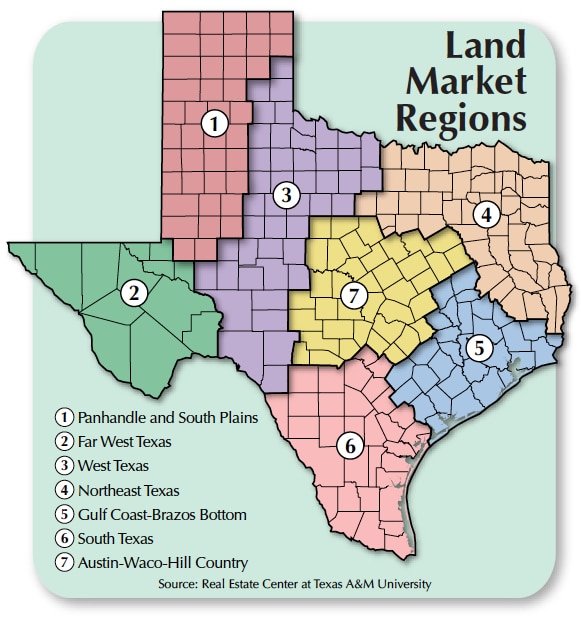
This enormous landmass is not uniform; it encompasses an astonishing array of topographies and ecosystems. From the piney woods and swamps of East Texas that resemble the Deep South, to the rolling plains and prairies of Central Texas and the Texas Hill Country, the high deserts and rugged mountains of West Texas, and the subtropical beaches and barrier islands of the Gulf Coast. Each of these distinct regions boasts its own climate, flora, fauna, and cultural nuances, creating a microcosm of different landscapes within a single state. The diversity is so pronounced that travelers can experience everything from arid desert hiking in Big Bend National Park to coastal birdwatching in Galveston or skiing on sand dunes in Monahans Sandhills State Park, all within the same vast state. This geographical richness is a direct consequence of its immense acreage, allowing for distinct ecological zones to flourish and thrive.
Implications for Travel and Exploration
The profound size of Texas has significant implications for travel planning and the very nature of exploration within its borders. Unlike smaller states where a single trip might cover all major attractions, discovering Texas requires a more strategic approach, often necessitating multiple visits or extensive road trips focused on specific regions. This scale dictates that travelers must think big, embracing the journey as much as the destination.
For tourists, the vast acreage means an unparalleled breadth of travel experiences. You can embark on an epic cross-state road trip that takes weeks to complete, or choose to deep-dive into a particular region, whether it’s the cosmopolitan buzz of Dallas and Houston, the historic charm of San Antonio, or the rugged wilderness of West Texas. This expansive canvas supports every type of traveler, from adventurers seeking solitude in national parks like Guadalupe Mountains National Park, to families looking for theme parks and beaches, and culture enthusiasts exploring world-class museums and live music venues.
Furthermore, the sheer distance between major cities and attractions means that infrastructure for travel—highways, airports, and roadside services—is incredibly developed. Texas’s size encourages exploration by car, making it a premier destination for road-trippers. These journeys are not just about getting from point A to point B; they offer continuous opportunities to witness the changing landscapes, discover hidden gems in small towns, and truly appreciate the diverse character of the state. The immensity also means that while popular destinations draw crowds, there are always vast stretches of untouched nature and quiet communities waiting to be discovered, ensuring that even the most seasoned traveler can find new ground to explore.
Navigating Texas: Regions, Landmarks, and Attractions
Exploring Texas is akin to navigating a small continent, with each region offering its own distinct flavor, history, and array of attractions. Its 171.9 million acres are not merely empty space but are filled with iconic landmarks, natural wonders, and vibrant cities that beckon travelers to discover their unique stories. This section highlights the diverse offerings across the state, showcasing how its vastness contributes to an incredibly rich tapestry of travel experiences.
Iconic Landmarks and Natural Wonders
The immense acreage of Texas has allowed for the preservation and development of countless landmarks, both natural and man-made, that define its character and draw millions of visitors annually. Each corner of the state holds its own treasures.
In West Texas, the landscape is dominated by stark beauty and rugged grandeur. Big Bend National Park, a sprawling wilderness larger than Rhode Island, offers dramatic desert scenery, mountainous terrain, and the opportunity for remote backpacking, stargazing, and river trips along the Rio Grande. Nearby, Guadalupe Mountains National Park boasts the four highest peaks in Texas, including Guadalupe Peak, and spectacular canyons. El Paso, at the westernmost tip, provides a vibrant blend of American and Mexican cultures, set against a backdrop of desert mountains.
Central Texas is home to the beloved Texas Hill Country, a picturesque region of rolling hills, spring-fed rivers, and charming small towns like Fredericksburg, Wimberley, and New Braunfels. Here, visitors can enjoy wineries, lavender fields, swimming holes like Jacob’s Well and Blue Hole, and scenic drives. Austin, the state capital and “Live Music Capital of the World,” pulses with creative energy, offering an eclectic arts scene, outdoor activities on Lady Bird Lake, and world-class dining. Just an hour south, San Antonio holds deep historical significance, featuring the iconic Alamo, the historic River Walk, and the Spanish colonial missions, which are a UNESCO World Heritage Site.
In North Texas, the sprawling urban centers of Dallas and Fort Worth present a dynamic blend of modern sophistication and cowboy heritage. Dallas boasts impressive museums, upscale shopping, and a thriving arts district, while Fort Worth embraces its Western roots with the Fort Worth Stockyards National Historic District, daily cattle drives, and authentic rodeos. Between these two cities and extending outwards, areas like Grapevine offer family-friendly attractions and vineyards.
The Gulf Coast region, stretching from Beaumont to Brownsville, provides a different kind of natural beauty with its beaches, bayous, and barrier islands. Houston, the state’s largest city, is a global hub for energy, space exploration (home to Space Center Houston), and a remarkably diverse culinary scene. Galveston offers historic architecture, sandy beaches, and family entertainment on its Pleasure Pier. Further south, South Padre Island is famous for its pristine white-sand beaches, calm waters, and vibrant spring break atmosphere, alongside excellent opportunities for birdwatching and water sports.
Diverse Travel Experiences
The vastness of Texas ensures that travel experiences here are incredibly diverse, catering to every interest and budget. From adrenaline-pumping adventures to serene cultural immersions, the state’s 171.9 million acres offer a palette of possibilities that few other destinations can match.
For those seeking outdoor adventures, Texas provides endless opportunities. You can hike rugged trails in Dinosaur Valley State Park where real dinosaur footprints are preserved, go rock climbing in Franklin Mountains State Park near El Paso, or explore underwater caves and spring-fed rivers in the Hill Country. Lake activities are popular across the state, with massive reservoirs like Lake Travis and Canyon Lake offering boating, fishing, and watersports. Birdwatchers flock to the Gulf Coast to observe migratory species along the Great Texas Coastal Birding Trail, while stargazers find pristine dark skies in Big Bend, far from urban light pollution.
Cultural and historical tourism thrives in Texas. Visitors can step back in time at the Alamo and other San Antonio missions, explore the cowboy legacy at the Fort Worth Stockyards, or delve into the art and history museums of Houston and Dallas. Small towns across the state, many founded by European immigrants, offer glimpses into rich heritage, from German traditions in New Braunfels to Czech communities near Houston.
Culinary journeys are another highlight. Texas is famous for its barbecue, Tex-Mex cuisine, and hearty steaks, but its major cities also boast world-class fine dining, innovative farm-to-table restaurants, and diverse international eateries reflecting its multicultural population. The Hill Country has also emerged as a significant wine region, offering vineyard tours and tastings.
For family trips, Texas delivers with a plethora of theme parks (including Six Flags Over Texas and SeaWorld San Antonio), water parks, zoos, and interactive museums. The beaches of Galveston and South Padre Island provide classic seaside fun, while dude ranches offer a taste of cowboy life. The sheer acreage ensures that whether you’re looking for urban excitement, historical immersion, natural escape, or family fun, Texas has ample space and attractions to accommodate every desire, often within a reasonable drive of each other, making multi-faceted itineraries possible.
Accommodation and Lifestyle Across the Vastness
The colossal size of Texas naturally translates into a vast array of accommodation options and fosters diverse lifestyles that are as varied as its landscapes. From luxurious urban retreats to rustic ranch stays, the state’s 171.9 million acres ensure that every traveler can find their ideal lodging, and every resident can carve out a way of life that resonates with them. This section delves into the breadth of accommodations available and how the sheer scale of Texas influences the unique lifestyles found throughout the state.
Hotels, Resorts, and Unique Stays
Given the extensive distances between its major cities and attractions, Texas boasts an incredibly robust and varied hospitality industry. The range of accommodations is designed to suit every taste, budget, and travel style, from quick overnight stays during a cross-state journey to extended luxury vacations.
In the bustling metropolitan areas like Houston, Dallas, and Austin, visitors can find world-class luxury hotels and resorts. These often feature opulent amenities, gourmet dining, spa services, and stunning city views. Examples include The Post Oak Hotel in Houston, known for its sophisticated design and extensive art collection; The Driskill, a historic landmark hotel in Austin that exudes old-world charm; and the Omni Dallas Hotel, offering a prime downtown location and exceptional service. San Antonio also boasts exquisite boutique hotels like Hotel Emma, a former 19th-century brewhouse transformed into a stylish, riverside retreat, or the expansive JW Marriott San Antonio Hill Country Resort & Spa, which offers a complete vacation experience with golf courses and a water park.
Beyond the urban centers, the vast acreage of Texas allows for a flourishing market of unique and experiential stays. The Texas Hill Country is dotted with charming bed and breakfasts, rustic cabins, and glamping sites that immerse guests in nature. For those seeking an authentic Texas experience, numerous dude ranches offer stays where guests can partake in horseback riding, cattle drives, and enjoy hearty cowboy cuisine, providing a direct link to the state’s frontier heritage. Along the Gulf Coast, vacation rentals range from beachfront condos on South Padre Island to historic homes in Galveston, perfect for longer family vacations.
For budget-conscious travelers or those on extended road trips covering significant ground, a plethora of mid-range hotels, motels, and budget-friendly accommodations are available in every major city and along major highways. These options, often part of national chains, provide comfortable and reliable lodging, essential for navigating the immense distances of Texas. Furthermore, the rise of short-term rental platforms has opened up countless options, from quaint apartments in Austin to expansive homes in suburban areas like Katy or Grapevine, catering to long-term stays or those seeking a more personalized experience.
Embracing the Texas Lifestyle
The 171.9 million acres of Texas don’t just provide space for diverse landscapes and accommodations; they actively shape a variety of distinct lifestyles that reflect the state’s expansive and varied geography. This immense size allows for diverse communities to flourish, each with its own rhythm and character, contributing to the rich tapestry of Texas culture.
One prominent lifestyle is the urban cosmopolitan experience. In cities like Houston, Dallas, and Austin, residents lead fast-paced lives, immersed in arts, culture, international cuisine, and dynamic business environments. These cities are centers of innovation, attracting professionals from around the globe, and their skylines are testaments to modern ambition. The size of these cities, in terms of both area and population, supports vibrant nightlife, extensive retail options, and diverse entertainment.
Contrastingly, the rural and ranching lifestyle remains deeply ingrained in much of Texas. Vast expanses of land, particularly in West Texas and the Panhandle, are dedicated to ranching and agriculture. Here, life is often slower, deeply connected to the land, and steeped in traditions of hard work, community, and self-reliance. This lifestyle embodies the iconic image of the Texas cowboy, and it’s a living heritage that continues to shape the state’s identity.
The relaxed, community-oriented lifestyle is prevalent in the many small towns and mid-sized cities scattered across the state, especially in the Hill Country and East Texas. These communities often prioritize outdoor activities, local festivals, and strong neighborly bonds. Towns like Fredericksburg or Wimberley offer a charming escape from urban hustle, appealing to those seeking a quieter pace without sacrificing cultural richness.
Then there’s the coastal lifestyle along the Gulf of Mexico. In places like Galveston, Corpus Christi, and South Padre Island, life revolves around the water—fishing, boating, beachcombing, and enjoying fresh seafood. This lifestyle offers a blend of leisure and maritime industry, attracting those who appreciate the unique rhythms of life by the sea.
In essence, the sheer 171.9 million acres of Texas provide the canvas for an incredibly diverse demographic tapestry. It allows individuals to choose not just a place to live, but a way of life that perfectly suits their aspirations, whether it’s the fast-paced life of a major metropolis, the tranquil existence of a rancher, the charm of a small town, or the relaxed vibe of the coast. This immense space means there’s truly a place and a lifestyle for everyone in the Lone Star State.
In conclusion, the answer to “How Many Acres Is In Texas?”—a monumental 171.9 million acres—is far more than a simple numerical fact. It is the fundamental characteristic that defines the Lone Star State, shaping its geography, influencing its culture, and dictating the unparalleled diversity of experiences it offers. From the vast, rugged expanses of Big Bend National Park to the bustling urban jungles of Houston and Dallas, and the historic charm of San Antonio’s River Walk, Texas is a land of extremes and endless possibilities.
This immense acreage ensures that every journey through Texas is an adventure in itself, whether you’re embarking on an epic road trip, seeking solace in its natural wonders, or immersing yourself in its vibrant cities. The sheer scale dictates a travel philosophy of exploration and discovery, where each region unfolds new landscapes, new stories, and new cultural nuances. Moreover, the vastness of Texas provides ample room for a comprehensive range of accommodations, from luxurious urban hotels to charming rural bed and breakfasts and authentic ranch stays, ensuring that every visitor finds a place to call home, even if just for a short while.
Ultimately, the 171.9 million acres of Texas are not just a measure of its landmass; they are a testament to its enduring spirit, its boundless opportunities, and its unique ability to offer a world of experiences within a single, extraordinary state. For those planning a visit or simply dreaming of wide-open spaces, remember that in Texas, the possibilities are as vast as its legendary acres.
LifeOutOfTheBox is a participant in the Amazon Services LLC Associates Program, an affiliate advertising program designed to provide a means for sites to earn advertising fees by advertising and linking to Amazon.com. Amazon, the Amazon logo, AmazonSupply, and the AmazonSupply logo are trademarks of Amazon.com, Inc. or its affiliates. As an Amazon Associate we earn affiliate commissions from qualifying purchases.