
Embarking on a journey, whether a cross-country relocation, an epic road trip through the Lone Star State, or simply settling into a new rhythm of life in a vibrant Texas city, often involves careful planning and attention to detail. While your mind might be filled with visions of exploring the bustling streets of Austin, soaking up the history in San Antonio, or enjoying the coastal breezes of Galveston and South Padre Island, there’s a crucial aspect of vehicle ownership that can sometimes fly under the radar: the annual car inspection. For anyone traveling with their own vehicle, contemplating a long-term stay, or even considering purchasing a car within Texas, understanding the state’s inspection requirements and associated costs is not just a regulatory necessity but a key element of responsible travel and lifestyle management.
This guide delves into the specifics of vehicle inspections in Texas, breaking down the “how much” and “what for” of getting your car road-ready. We’ll explore the costs, the types of inspections, and how these regulations contribute to safer roads for everyone – from the intrepid traveler navigating the dramatic landscapes of Big Bend National Park to the daily commuter in Dallas or Houston. Integrating this knowledge into your travel preparations or relocation checklist ensures a smoother, more enjoyable, and compliant experience in this vast and captivating state.

The [Texas] Vehicle Inspection System: An Overview
The Texas vehicle inspection program is designed to ensure that all vehicles operating on public roads meet minimum safety and, in certain areas, emissions standards. This dual focus not only protects drivers and passengers but also helps maintain air quality, particularly in densely populated urban corridors. Unlike some states that have moved to a biennial inspection cycle or eliminated inspections altogether, Texas maintains an annual inspection requirement for most vehicles.
For travelers and new residents, it’s vital to understand that this isn’t just a formality. A valid inspection sticker (or proof of inspection, as the physical sticker has been phased out) is required to register your vehicle and renew your registration. If you’re planning an extended stay or a move, factoring this into your budget and timeline is essential. The system is managed by the Texas Department of Motor Vehicles (TxDMV) and the Department of Public Safety (DPS), with inspections performed by licensed inspection stations across the state. These stations are typically garages or service centers displaying a prominent “Official Vehicle Inspection Station” sign.
The inspection process itself combines a safety check with an emissions test, depending on your vehicle’s age and the county where it’s registered. This ensures that whether you’re cruising down Highway 290 towards the Texas Hill Country or navigating the intricate freeways of Fort Worth, your vehicle is operating safely and responsibly.
Decoding the Costs: What You’ll Pay for a [Texas] Car Inspection
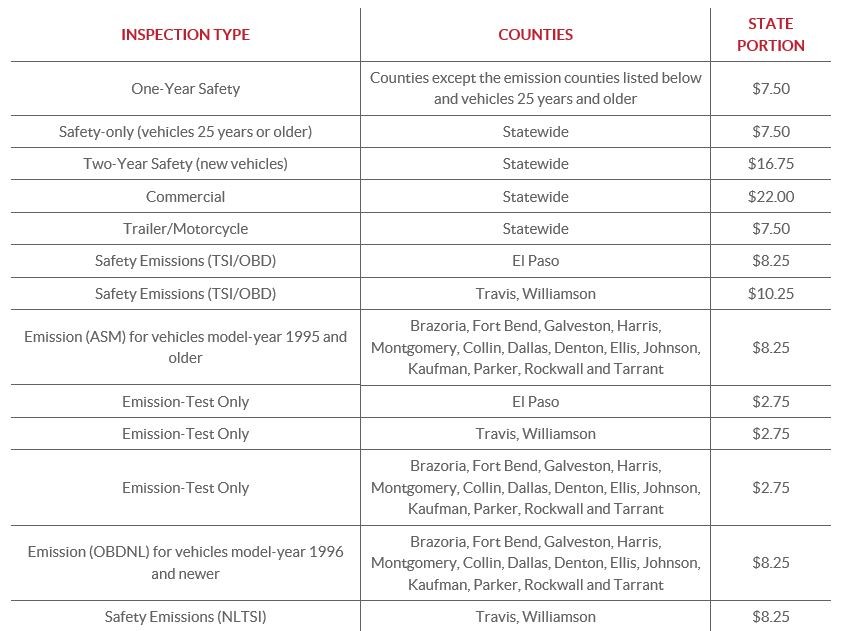
One of the most frequently asked questions for anyone new to Texas or planning a road trip through its diverse regions is, “How much does a car inspection cost?” The answer is relatively straightforward, though it varies slightly based on the type of vehicle and whether an emissions test is required. Unlike some services where prices fluctuate wildly, Texas sets maximum fees for inspections, ensuring consistency across licensed stations.
Standard Safety Inspection Fees
For most passenger vehicles, light trucks, and SUVs that are not subject to emissions testing (typically older vehicles or those registered in counties outside the designated emissions testing areas), the fee for a safety inspection is quite modest. This inspection covers essential components to ensure your vehicle is safe to operate.
- Standard Passenger Vehicles, Light Trucks, and SUVs (Safety Only): The state-mandated fee for a safety-only inspection is generally $7.00. This covers checks on brakes, lights, tires, steering, horn, mirrors, windshield wipers, and exhaust systems, among other safety features. For a budget-conscious traveler or a long-term resident, this is a minimal annual expense for peace of mind.
Emissions Testing: Where and Why It Adds to the Cost
Emissions testing is a crucial component of air quality control in Texas’s most populated areas. Vehicles registered in specific counties, primarily those surrounding major metropolitan hubs, are required to undergo an emissions inspection in addition to the standard safety inspection. This typically applies to gasoline-powered vehicles that are less than 25 years old. Diesel-powered vehicles and motorcycles are generally exempt from emissions testing.
- Vehicles Requiring Emissions and Safety Inspection: If your vehicle falls into this category, the combined fee will be higher. The state-mandated fee for both safety and emissions inspection is typically $18.50 to $25.50, depending on the specific county and inspection type. This fee encompasses both the comprehensive safety check and the emissions diagnostic, ensuring your vehicle meets environmental standards.
Key Counties Requiring Emissions Testing: The most prominent areas requiring emissions inspections include, but are not limited to, the counties surrounding Dallas-Fort Worth, Houston-Galveston-Brazoria, and Austin. Specifically, these counties include:
* Collin
* Dallas
* Denton
* Ellis
* Johnson
* Kaufman
* Parker
* Rockwall
* Tarrant
* Brazoria
* Fort Bend
* Galveston
* Harris
* Montgomery
* Waller
* Bastrop
* Caldwell
* Hays
* Travis
* Williamson
If you’re moving to Texas or planning an extended stay in any of these vibrant areas, like Plano, Irving, Frisco, or Round Rock, your vehicle will almost certainly require an emissions test. It’s always best to verify the specific requirements for your county of registration to avoid any surprises.
Other Vehicle Types and Exemptions
While the focus is usually on passenger cars, it’s worth noting other vehicle categories:
- Motorcycles: Require a safety-only inspection, typically costing $7.00.
- Commercial Vehicles: Have different inspection requirements and potentially higher fees, reflecting the more stringent safety standards for commercial operations.
- Trailers: Also have specific inspection requirements.
- Exemptions: Vehicles older than 25 years are typically exempt from emissions testing, though they still require a safety inspection. Similarly, brand-new vehicles often have an initial inspection exemption period. Always check the latest regulations through the Texas Department of Public Safety or TxDMV websites.
What the Inspection Covers: A Deeper Dive into Safety and Emissions
Understanding what aspects of your vehicle are scrutinized during the inspection can help you prepare and ensure a smooth process, especially if you’re on a tight travel schedule or navigating the complexities of a new locale. The goal is not to inconvenience but to enhance safety for everyone sharing Texas’s extensive road network, from scenic drives to the historic Alamo in San Antonio to the bustling streets of El Paso.
The Comprehensive Safety Inspection
Every vehicle subject to inspection in Texas must pass a safety inspection. This involves a thorough check of various components critical for safe operation. Inspectors are looking for anything that could compromise your ability to drive safely or pose a risk to others.
- Brakes: Both service (foot) brakes and parking brakes are tested for proper function and wear. Worn brake pads or fluid leaks can be a common reason for failure.
- Lights: All exterior lights – headlights (high and low beam), tail lights, brake lights, turn signals, and license plate lights – must be operational and correctly colored.
- Tires: Tread depth, condition (no exposed cords, bulges, or cuts), and proper inflation are checked. Healthy tires are paramount for safe travel, especially on long stretches of highway.
- Steering and Suspension: Inspectors check for excessive play in the steering wheel, worn-out ball joints, or damaged suspension components that could affect vehicle control.
- Windshield Wipers: Must be functional and effectively clear the windshield. A sudden downpour in Houston or a dust storm near Amarillo makes clear visibility non-negotiable.
- Horn: Must be audible from at least 200 feet.
- Mirrors: Both the rearview mirror and side mirrors must be present and provide a clear view.
- Exhaust System: Must be free of leaks and adequately secured, preventing dangerous fumes from entering the cabin.
- Window Tint: Must meet legal requirements for light transmittance.
- Seatbelts: All original seatbelts must be present and fully functional.
- Wheel Assembly: Checked for cracks, loose nuts, or other damage.
- Vehicle Glazing: Windshield and windows must be free of cracks or damage that obstruct the driver’s vision.
Passing the safety inspection is a testament to your vehicle’s roadworthiness, offering peace of mind whether you’re embarking on a multi-day trip to Guadalupe Mountains National Park or simply commuting to work in McKinney.
The Emissions Test: Protecting [Texas]’ Air Quality
In the specified counties, the emissions test is performed in conjunction with the safety inspection. The method of testing depends on your vehicle’s model year:
- OBDII (On-Board Diagnostics II) Test: For most vehicles model year 1996 and newer, the inspection station will connect to your vehicle’s onboard computer system. This system monitors various engine functions and emission control components. The inspector will check for active “check engine” lights and ensure that all readiness monitors are set. If the check engine light is illuminated due to an emissions-related fault, or if readiness monitors are not set (often after a battery disconnect or repair), your vehicle will fail.
- Two-Speed Idle Test (Older Vehicles): Very few vehicles still undergo this older test, which involves placing the vehicle on a dynamometer and measuring tailpipe emissions at different engine speeds. Most gasoline vehicles that require emissions testing are now OBDII-compatible.
The emissions test is a critical measure to reduce smog and harmful pollutants, particularly in urban areas like Austin, Dallas, and Houston, which experience significant traffic congestion. By ensuring vehicles operate cleanly, Texas aims to preserve its air quality for residents and visitors alike, making outdoor activities and scenic drives more enjoyable.
Tips for Travelers and New Residents: Navigating [Texas] Inspections Seamlessly
For those venturing into Texas for an extended stay, a new chapter of life, or a grand adventure, understanding and planning for vehicle inspections can prevent unexpected delays or fines. Incorporating this step into your travel or relocation checklist ensures a smooth transition.
Before You Go: Proactive Vehicle Maintenance
The best way to ensure a successful inspection is proactive maintenance. Before heading to an inspection station, especially if you’re undertaking a long drive to cities like Laredo or Corpus Christi:
- Check Your Lights: Walk around your vehicle and ensure all headlights, taillights, brake lights, and turn signals are working. It’s a simple check that can prevent a re-inspection.
- Tire Health: Inspect your tires for adequate tread depth and no visible damage. Check the pressure.
- Wiper Blades: If your wiper blades are streaky or worn, replace them.
- “Check Engine” Light: If your “Check Engine” light is on, get it diagnosed and repaired before your inspection. This is an automatic failure for emissions-tested vehicles.
- Fluid Levels: Ensure all fluid levels are adequate, as some stations might do a cursory check.
Finding a Licensed Inspection Station
Locating a licensed inspection station is typically easy. Most automotive repair shops, dealerships, and even some quick-lube places are authorized to perform inspections. You can often spot them by the “Official Vehicle Inspection Station” sign displayed prominently. Many online resources and mapping apps can help you find the nearest station. Look for reputable establishments, especially in unfamiliar cities like Lubbock or Waco, to ensure a fair and thorough inspection.
The “No Sticker” Policy: What to Expect
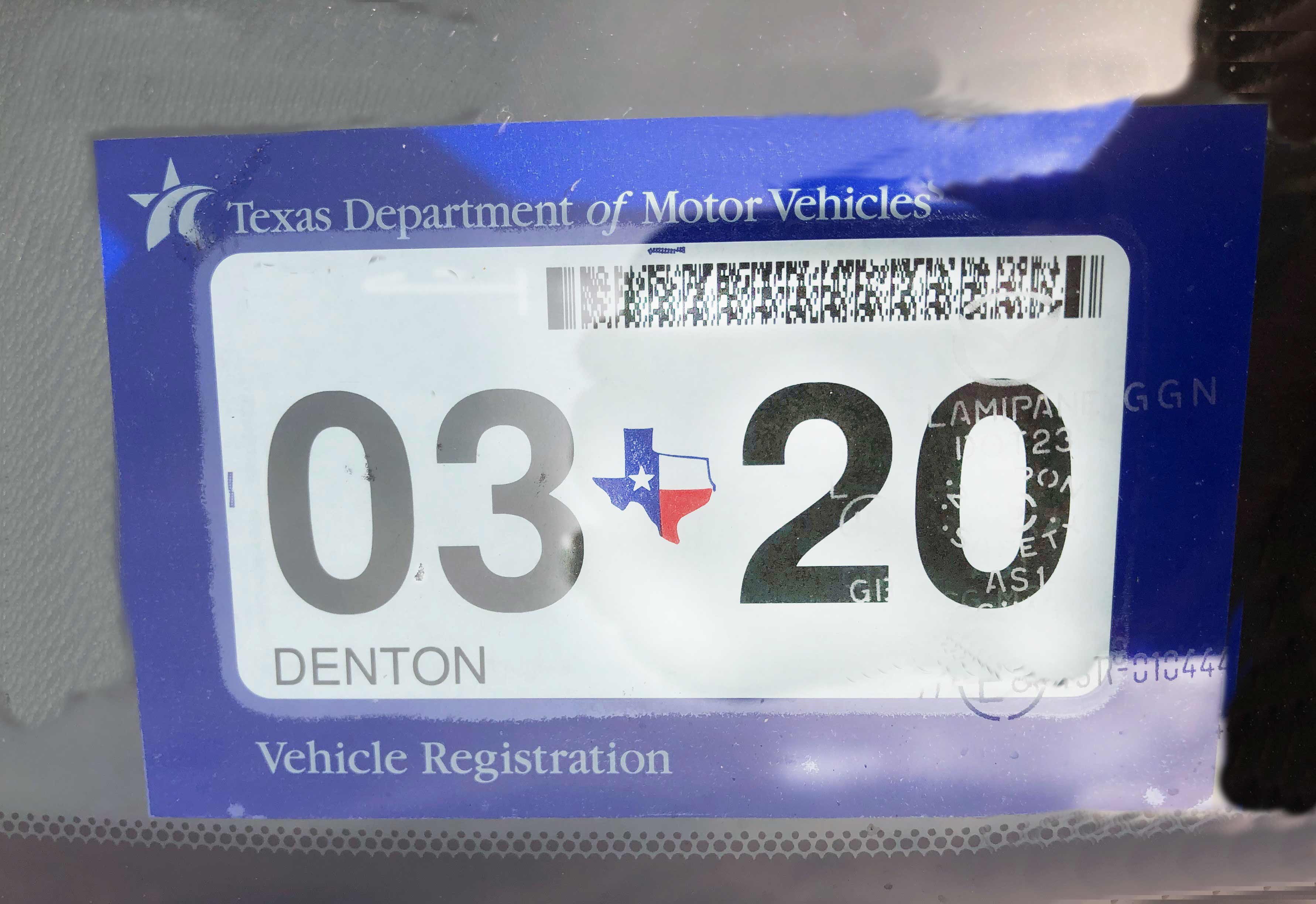
Since March 1, 2015, Texas has implemented a “Two Steps, One Sticker” program. This means the physical inspection sticker on your windshield has been replaced. Now, your vehicle’s inspection status is electronically linked to your registration. When you renew your registration, the system verifies if your vehicle has a current inspection. You’ll receive one sticker for your windshield that covers both your registration and inspection.
This streamlines the process but also means you cannot renew your registration until your vehicle has passed its annual inspection. If you’re a new resident, you’ll need to get your vehicle inspected before registering it in Texas.
Dealing with a Failed Inspection
If your vehicle fails the inspection, don’t despair. The inspection station will provide you with a Vehicle Inspection Report (VIR) detailing the reasons for failure. You’ll have a grace period (usually around 15 days) to get the necessary repairs done. After repairs, you can return to the same inspection station for a re-inspection, often at a reduced or no additional charge, as long as it’s within the grace period and only the failed items are re-checked. If you go to a different station, you’ll likely pay the full fee again. Plan for potential repair time, especially if you’re on a tight schedule exploring attractions like Padre Island National Seashore or Palo Duro Canyon State Park.
Conclusion: Driving Safely and Smartly Across [Texas]
Understanding the costs and requirements for a car inspection in Texas is a fundamental aspect of responsible vehicle ownership, whether you’re a long-time resident, a new transplant settling into a community like Killeen or Midland, or a transient traveler exploring the diverse landscapes from Bryan to Odessa. The state’s commitment to vehicle safety and environmental protection, reflected in its annual inspection program, benefits everyone on the road.
While the fees are modest – typically $7.00 for a safety inspection and up to $25.50 for a combined safety and emissions test – the implications of a failed inspection or driving without a valid one can be significant, ranging from fines to delays in registration renewal. By proactively addressing vehicle maintenance, familiarizing yourself with the specific requirements for your county, and knowing what to expect during the inspection process, you can navigate this regulatory step with ease. This foresight ensures not only compliance but also the peace of mind that your vehicle is safe and reliable for all your adventures across the vast and beautiful expanse of Texas. Safe travels!
LifeOutOfTheBox is a participant in the Amazon Services LLC Associates Program, an affiliate advertising program designed to provide a means for sites to earn advertising fees by advertising and linking to Amazon.com. Amazon, the Amazon logo, AmazonSupply, and the AmazonSupply logo are trademarks of Amazon.com, Inc. or its affiliates. As an Amazon Associate we earn affiliate commissions from qualifying purchases.