
Embarking on a journey across the vast expanse of Texas is an adventure unlike any other. Known as the Lone Star State, Texas beckons travelers with its diverse landscapes, from the sun-drenched beaches of the Gulf Coast to the majestic peaks of Big Bend National Park, and its vibrant cities like Dallas, Houston, and San Antonio. Whether you’re planning a thrilling road trip to explore historic landmarks, a relaxing escape to a luxury resort, or an immersive dive into local culture and cuisine, one crucial factor will inevitably shape your travel budget: the price of gas.
For anyone considering a trip through Texas, understanding the dynamics of fuel costs isn’t just a minor detail; it’s a foundational element of trip planning. Texas is immense, boasting an intricate network of highways and scenic routes that practically demand exploration by car. From choosing your ideal destinations and accommodations to scheduling activities and managing your overall lifestyle budget while away from home, gas prices play a pivotal role. This comprehensive guide will delve into how much you can expect to pay for gas in Texas, the factors influencing these prices, and practical strategies to help you navigate the costs, ensuring your Texas adventure is as smooth and enjoyable as possible.

Navigating the Lone Star State: Why Gas Prices Matter for Texas Travelers
The sheer size of Texas makes driving an integral part of any travel experience here. Covering over 268,000 square miles, it’s the second-largest state in the U.S., meaning journeys between major cities or iconic attractions can span hundreds of miles. This inherent reliance on personal transportation underscores why monitoring gas prices is not just about a minor expenditure, but a significant component of your overall travel budget and lifestyle choices.
The Vastness of Texas: A Road Trip Paradise
Imagine driving from the vibrant cultural hub of Austin to the historical richness of San Antonio, a relatively short hop. Now consider a more ambitious route, perhaps from the metropolitan glitter of Dallas to the rugged, remote beauty of Big Bend National Park in West Texas. This journey alone can easily be an 8-10 hour drive, demanding multiple fill-ups. Other popular routes include heading to the beaches of Galveston from Houston, or venturing into the scenic Hill Country from Austin. Each of these itineraries highlights the necessity of a reliable vehicle and, consequently, a budget for fuel.
For tourists, the freedom of a road trip allows for spontaneous detours to charming small towns, hidden culinary gems, or unique local landmarks that might be inaccessible by public transport. This flexibility, while invaluable for an authentic Texas experience, comes with the caveat of needing a clear understanding of fuel expenses. A significant fluctuation in gas prices can easily impact the feasibility of your planned itinerary, influencing everything from the number of days you can afford to spend on the road to the type of accommodation you can book (e.g., a downtown Hyatt Regency versus a budget-friendly motel further afield).
Understanding Current Averages: What to Expect at the Pump
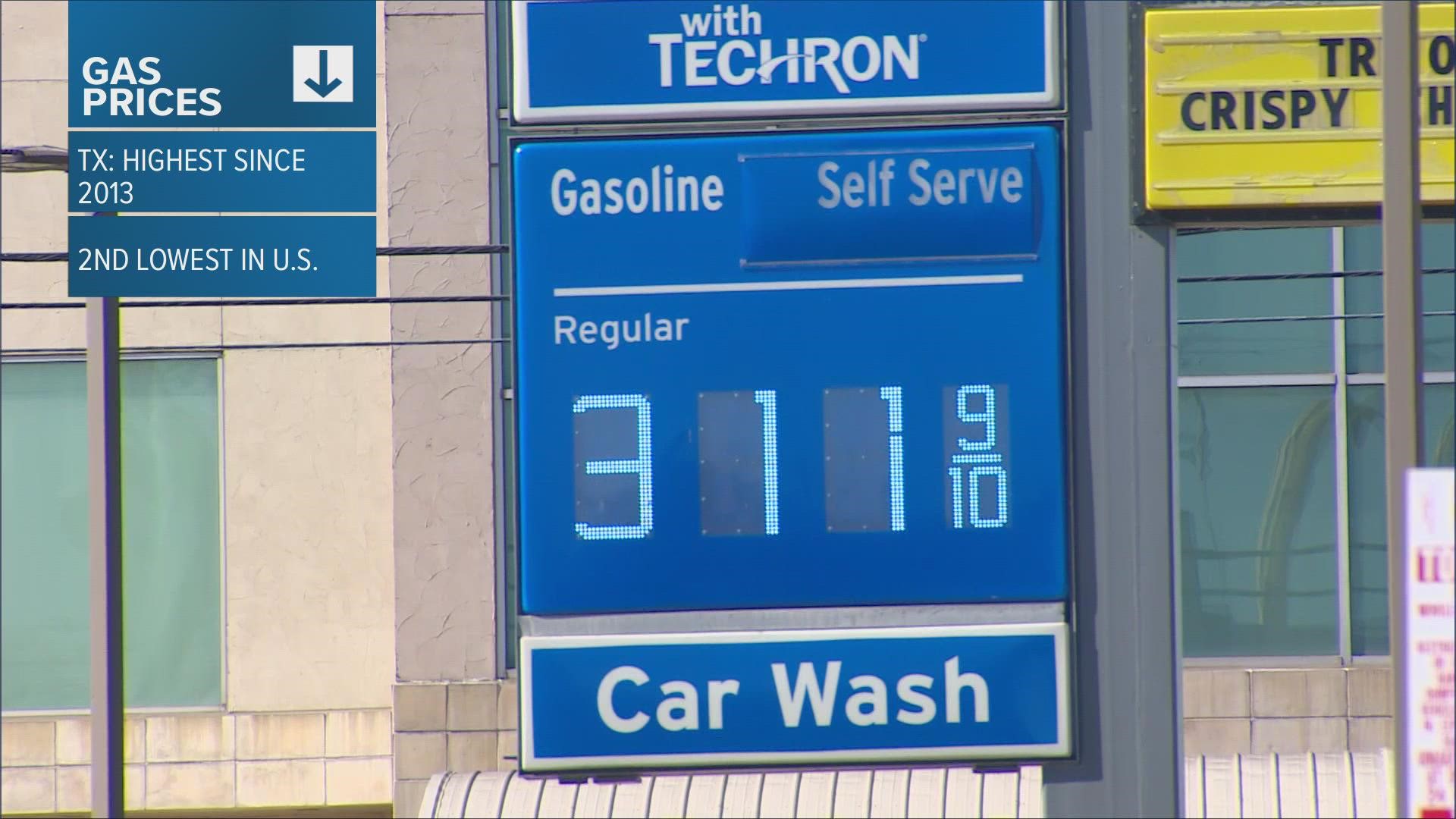
While gas prices are constantly fluctuating, generally, Texas often enjoys some of the lowest fuel prices in the nation, thanks in large part to its position as a major oil producer and refining hub. However, this doesn’t mean prices are static. They can vary significantly by region within the state, influenced by local supply and demand, competition among gas stations, and proximity to major distribution pipelines. For instance, gas in metropolitan areas like Dallas or Houston might be slightly higher due to population density and higher operating costs for stations, compared to more rural areas, though sometimes competition can drive prices down in urban centers. Conversely, remote areas, particularly those serving popular tourist destinations like Big Bend National Park or South Padre Island, might see elevated prices due to increased transportation costs for fuel.

As an example, during various periods, the average price for a gallon of regular unleaded gasoline in Texas might hover anywhere from $2.80 to $3.50, depending on global oil market conditions, seasonal demand, and geopolitical events. This is typically several cents to a dollar less than the national average. Premium fuels and diesel will naturally be more expensive. It’s crucial for travelers to check real-time averages before and during their trip using reputable gas price tracking apps, which we will discuss later, to get the most accurate picture.
The Fuel Behind Your Texas Adventure: Factors Influencing Gas Prices
Gas prices are a complex interplay of global and local forces. For travelers planning their dream Texas experience, understanding these factors can help anticipate costs and make informed decisions, especially concerning budgeting for long-term stays or extensive road trips that traverse the entire state.
Global Oil Markets and Local Impact
The most significant factor influencing gas prices is the global price of crude oil. Texas is a major producer of crude oil, but prices are dictated by international markets, including supply and demand from OPEC+ nations, geopolitical stability in oil-producing regions, and the overall health of the global economy. When crude oil prices rise, so too does the cost of gasoline at the pump, almost universally. Conversely, an oversupply or decreased global demand can lead to lower prices.
While Texas has numerous refineries, the cost to convert crude into gasoline, coupled with the profit margins for refiners, distributors, and retailers, also contributes to the final price. Even a minor disruption to a refinery or a pipeline, whether due to maintenance or severe weather common in Texas (like hurricanes affecting the Gulf Coast), can create localized or regional spikes in gas prices due to supply concerns.
Seasonal Shifts and Regional Variations
Travelers often notice gas prices fluctuate with the seasons, and Texas is no exception. Demand typically peaks during the summer months when more people are traveling for vacations, school holidays, and road trips. This increased demand, coupled with the switch to more expensive summer-blend gasoline (which is less volatile in warmer temperatures and reduces smog), leads to higher prices. Conversely, prices often dip in the fall and winter, although holiday travel periods can cause temporary bumps.
Regional variations are also important. As mentioned, major cities like Houston, Dallas, and Austin might have different averages than smaller towns or areas like El Paso in West Texas, or Corpus Christi on the coast. Areas with fewer gas stations or those catering heavily to tourism, such as towns near Guadalupe Mountains National Park or Padre Island National Seashore, may have higher prices simply due to limited competition and higher operational costs to transport fuel.
Texas Taxes and Refining Capacity
While Texas is known for its oil production, state and federal taxes still add a significant portion to the price per gallon. Federal excise tax is 18.4 cents per gallon for gasoline, and Texas adds an additional state tax of 20 cents per gallon. While these taxes are fixed, they contribute to the baseline cost. Compared to some other states with higher fuel taxes, Texas remains competitive, which helps keep its overall gas prices relatively lower.
The vast refining capacity along the Texas Gulf Coast is another key advantage. With numerous refineries converting crude oil into gasoline and other products, Texas is less reliant on external sources for refined fuel, which can help stabilize prices locally. However, any operational issues at these facilities can ripple through the supply chain and affect prices.
Budgeting for Your Journey: Gas Prices and Your Texas Travel Experience
Integrating fuel costs into your overall travel budget is essential for a stress-free Texas vacation or extended stay. From selecting your destinations to choosing your accommodations and even planning your daily activities, gas prices can subtly yet significantly influence your decisions.
From Big Cities to Big Bend: Fueling Your Exploration
Consider the diverse range of attractions Texas offers. In San Antonio, you’ll want to explore The Alamo and stroll along the historic Riverwalk. In Houston, a visit to the NASA Johnson Space Center is a must. Dallas offers cultural sites like the Sixth Floor Museum and vibrant entertainment districts. If you’re venturing to remote natural wonders like Big Bend Ranch State Park or the stargazing paradise of McDonald Observatory near Fort Davis, distances are even greater, and gas stations can be sparse.
For these longer excursions, fuel consumption becomes a major budget line item. A trip spanning 1,000 miles in a vehicle averaging 25 miles per gallon, with gas at $3.20 per gallon, would cost around $128 in fuel. If gas prices jump to $4.00, that same trip now costs $160—a difference that could impact your ability to enjoy a fine dining experience in Austin or purchase souvenirs from Amarillo. Factor in round trips and multiple destinations, and these figures quickly escalate. When planning your itinerary, estimate total mileage and allocate a buffer for fuel costs, especially if you plan to explore off-the-beaten-path attractions or stay in areas where gas might be pricier.
Accommodation Choices and Their Proximity to Refueling Options
Your choice of accommodation can also be indirectly affected by gas prices. If you opt for a luxury suite in a downtown Marriott Marquis or a boutique hotel like a Four Seasons in a major city, you might be within walking distance or a short ride from many attractions, minimizing daily driving. However, if you choose a more budget-friendly hotel or a charming villa slightly outside the city center, you’ll likely rely more heavily on your car, increasing your daily fuel consumption.
For those planning an extended stay or considering more affordable long-term accommodation options, understanding the daily commute costs, including gas, is critical. This applies whether you’re staying in an apartment in Houston and driving to work or exploring attractions, or if you’re settling into a cozy cabin in the Hill Country and making frequent trips to nearby towns for supplies and activities. Gas prices directly impact the actual cost of living and exploring from your chosen base.
Planning Your Texas Lifestyle: Luxury vs. Budget Travel Considerations
The “lifestyle” aspect of travel is deeply intertwined with gas prices. For luxury travelers, a slight increase in fuel costs might be negligible compared to their overall budget, which might include high-end resorts, gourmet dining, and private tours. However, even they might appreciate optimizing routes to save time rather than money. For budget travelers or families on a tighter schedule, every dollar saved on gas can be reallocated to experiences, local food tours, or extra nights at a comfortable hotel.
For family trips, especially those with children who require frequent stops, efficient travel planning becomes even more crucial. Fuel economy of your chosen vehicle, whether it’s a spacious SUV or an economical sedan, should be factored in. For business stays, particularly if you’re driving extensively for meetings across cities like Fort Worth and Dallas, gas expenses can quickly add up and impact your company’s travel budget or your personal reimbursement.
Smart Strategies for Fueling Your Texas Road Trip
While gas prices are largely outside of an individual traveler’s control, there are numerous smart strategies you can employ to minimize their impact on your Texas adventure. From leveraging technology to adopting efficient driving habits, these tips can help you save money and make your trip more enjoyable.
Leveraging Technology: Apps and Real-time Data
One of the most effective ways to find the best gas prices is by using real-time fuel price tracking apps. Services like GasBuddy, Waze, and AAA’s app provide up-to-the-minute information on gas prices at stations near your current location or along your planned route. These apps often rely on user-generated data, making them highly accurate and invaluable for identifying the cheapest gas in a particular area. Before embarking on a long stretch, especially when crossing into less populated regions like those around El Paso or heading towards Amarillo, check these apps to plan your fill-ups strategically. Sometimes, driving just a few extra miles to a cheaper station can yield significant savings over the course of a multi-day road trip.
Driving Habits and Vehicle Maintenance for Efficiency
Your driving style has a direct impact on your vehicle’s fuel efficiency. Aggressive driving—rapid acceleration, sudden braking, and speeding—can significantly increase fuel consumption. Adopting smoother driving habits, maintaining a consistent speed (especially on highways, where cruise control can be very effective), and anticipating traffic flow can lead to noticeable savings. For example, maintaining a steady 60 mph rather than 75 mph on a long stretch of highway can improve fuel economy by 10-15%.
Regular vehicle maintenance is also paramount. Ensure your tires are properly inflated, as underinflated tires reduce fuel efficiency. Get regular oil changes, check your air filter, and keep your engine tuned up. A well-maintained vehicle not only runs more efficiently but also reduces the risk of breakdowns, which could derail your travel plans and add unexpected expenses. Before a major Texas road trip, a quick check of your vehicle’s fluids, tires, and general condition is always a good idea.
Route Optimization and Off-Peak Travel
Careful route planning can also save you money on gas. Mapping out your journey with a tool like Google Maps or Waze allows you to choose the most efficient routes, avoiding unnecessary detours, heavy traffic, and areas with higher gas prices. Consider grouping attractions in a particular region to minimize back-and-forth driving. For instance, if visiting San Antonio, plan your visits to The Alamo, Riverwalk, and historic missions to optimize driving time and fuel.
If your schedule allows, traveling during off-peak times—both in terms of time of day and time of year—can offer benefits beyond just gas prices. Less traffic means less stop-and-go driving (which consumes more fuel), and potentially cheaper accommodation rates at hotels and resorts. Avoiding major holiday weekends in Texas, which see a surge in demand for both gas and lodging, can lead to a more relaxed and cost-effective trip. Consider shoulder seasons, like late spring or early fall, when the weather is still pleasant, and crowds are thinner.
The Road Ahead: Anticipating Future Gas Price Trends in Texas
Predicting gas prices with certainty is challenging, given the multitude of global and local variables at play. However, understanding potential future trends can help you better prepare for your upcoming Texas adventures, whether they involve exploring new destinations or settling into long-term accommodations.
Economic Outlook and Geopolitical Influences
The global economy and geopolitical landscape are perhaps the most influential factors shaping future gas prices. Economic growth typically leads to increased demand for oil, driving prices up, while recessions tend to have the opposite effect. Events in major oil-producing regions, international political tensions, and conflicts can disrupt supply chains and cause immediate spikes in crude oil prices, which quickly translate to higher costs at the pump. Texas’s position as an energy powerhouse gives it some resilience, but it is by no means isolated from these global dynamics. Changes in environmental regulations or shifts towards renewable energy sources could also have long-term impacts on oil demand and, consequently, gas prices.
Long-Term Travel Planning Considerations
For those planning extensive road trips, multi-week vacations, or even considering long-term stays in Texas, staying informed about broader economic forecasts and energy news is beneficial. While you can’t control the market, knowing the general outlook can help you set realistic budget expectations. If forecasts predict rising prices, it might be wise to allocate a larger portion of your travel budget to fuel, or to consider alternative transportation for shorter distances in major cities where public transit or ride-sharing might be viable options.
Furthermore, if you are looking into accommodation for an extended period, the consistency of fuel prices will be a daily consideration for your overall lifestyle budget. This includes everything from commuting to work, driving kids to school, or simply exploring local attractions and amenities. Staying flexible with your travel dates and route can also be a valuable strategy. If gas prices are unusually high, you might consider delaying your trip, adjusting your itinerary to focus on a smaller region, or exploring destinations accessible by train or bus if available.
In conclusion, while the question “How Much Is Gas In Texas?” doesn’t have a single, static answer, arming yourself with knowledge about the influencing factors, current trends, and practical saving strategies will empower you to navigate the roads of the Lone Star State with confidence. From the bustling streets of Dallas to the serene deserts of Big Bend, your Texas adventure awaits, and with careful planning, it can be both memorable and budget-friendly.
LifeOutOfTheBox is a participant in the Amazon Services LLC Associates Program, an affiliate advertising program designed to provide a means for sites to earn advertising fees by advertising and linking to Amazon.com. Amazon, the Amazon logo, AmazonSupply, and the AmazonSupply logo are trademarks of Amazon.com, Inc. or its affiliates. As an Amazon Associate we earn affiliate commissions from qualifying purchases.