
Embarking on a new adventure in Texas – whether you’re relocating for a job, planning an extended stay, or simply purchasing a vehicle within the Lone Star State – often brings a host of administrative tasks. Among these, understanding how to change a car title is paramount. While seemingly a bureaucratic hurdle, a correctly transferred title is your ticket to seamless vehicle ownership, enabling you to freely explore Texas’s diverse landscapes, from the bustling streets of Dallas and Houston to the serene beauty of Big Bend National Park or the vibrant culture of San Antonio. This guide will not only demystify the process but also connect it to the broader context of your travel and lifestyle choices in this expansive state.
Navigating Car Title Changes in Texas: Essential for New Residents and Travelers
For those new to Texas, or even long-term visitors considering a more permanent stay, the state’s unique regulations regarding vehicle titles can seem daunting. Unlike some other states, Texas places a strong emphasis on ensuring all vehicles are properly titled and registered within its borders. This isn’t just about collecting taxes; it’s about maintaining a clear record of ownership, which is crucial for public safety, law enforcement, and for protecting consumers from fraud. If you’re envisioning a lifestyle that includes regular road trips across the Gulf Coast or exploring the historic Texas Hill Country, a correctly titled vehicle is the first step towards hassle-free exploration.
Why Understanding Title Changes is Crucial for Your Texas Lifestyle
Imagine you’ve just found your dream apartment in Austin and purchased a classic pickup truck to embrace the local vibe. Without a proper title transfer, you could face difficulties obtaining registration, insurance, or even selling the vehicle down the line. Moreover, many accommodation providers, especially those catering to long-term stays, might require proof of local vehicle registration. For the digital nomad or the individual seeking a new chapter, correctly handling your car title is as fundamental as finding the right hotel or mapping out your first local attractions. It streamlines your integration into Texas life, allowing you to focus on discovering charming destinations like Fredericksburg or the vibrant arts scene in Fort Worth, rather than wrestling with paperwork.
The Texas Department of Motor Vehicles (TxDMV) oversees these processes, ensuring a standardized approach across all counties. While the general guidelines are consistent, some local Tax Assessor-Collector’s Offices might have specific procedures or preferred payment methods. Therefore, a proactive approach and a clear understanding of the requirements will save you time and potential frustration, freeing you up to enjoy the unique tourism experiences Texas has to offer.
Key Scenarios for Changing Your Car Title in the Lone Star State
Several common situations necessitate a car title change in Texas. Each scenario has specific requirements, but the underlying goal is always to officially document the vehicle’s legal owner. Understanding which scenario applies to you will help you gather the correct documentation and follow the right procedures.
Buying or Selling a Vehicle in Texas
This is perhaps the most frequent reason for a title change. Whether you’re purchasing a used car from a private seller in El Paso or selling your current vehicle before an international trip, the title must be transferred to reflect the new ownership. As the buyer, you are responsible for applying for a new title in your name within 30 days of the purchase date. Failing to do so can result in penalties.
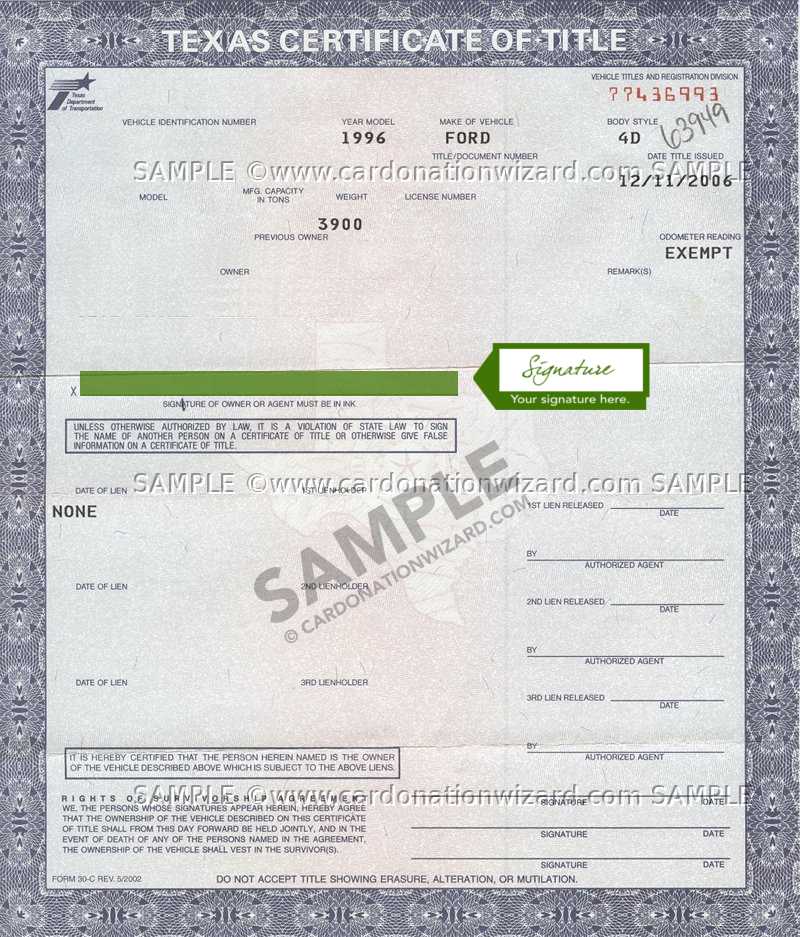
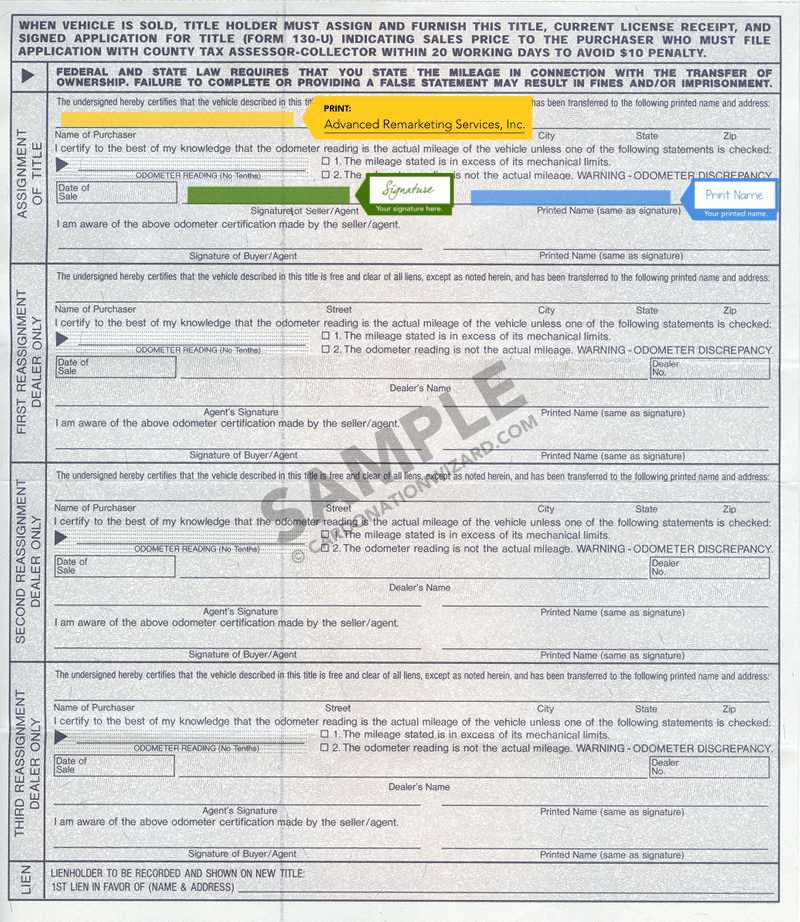
When buying a vehicle, ensure you receive the original title from the seller. This document must be properly signed and dated by both parties. If there’s an existing lien on the vehicle (e.g., it was financed), the lienholder must release the lien before the title can be transferred to you free and clear. As a seller, ensure you complete the “Seller” section of the title and provide the buyer with a signed Form 130-U, Application for Texas Title and/or Registration. This protects you from future liabilities associated with the vehicle. For those exploring Texas with a sense of adventure, buying a reliable used car can open up incredible travel opportunities, from the beaches of Corpus Christi to the natural beauty of Guadalupe Mountains National Park.
Moving to Texas: Out-of-State Title Transfers
Welcome to Texas! If you’ve recently moved here and brought your vehicle from another state, you’ll need to transfer your out-of-state title to a Texas title. This process generally involves more steps than a simple in-state transfer, but it’s essential for establishing your residency and getting your vehicle properly registered. You typically have 30 days from the date you establish residency to complete this process.
Key requirements for an out-of-state transfer include your out-of-state title, proof of Texas liability insurance, and a vehicle inspection report (passing a safety inspection and emissions test, if applicable to your county). This transition is a common part of a broader lifestyle change, perhaps moving for a new job in Dallas or retiring to the peaceful countryside. Properly titling your vehicle is a crucial step in making Texas feel like home and allowing you to confidently drive your vehicle to local landmarks like the Riverwalk in San Antonio or the Space Center Houston.
Gifting or Inheriting a Vehicle
Life often presents us with unexpected turns, including the joy of gifting a vehicle or the somber task of inheriting one. In both scenarios, a title transfer is necessary. When a vehicle is gifted, the process is similar to a sale, but you may be exempt from paying sales tax if you complete a Gift Affidavit (Form 14-317). This is a generous gesture that can make a difference, perhaps for a college student moving to Austin or a family member starting a new life chapter.
For inherited vehicles, the process can be more complex, depending on whether the deceased owner had a will and how the estate is being handled. Typically, you’ll need the original title, a death certificate, and possibly a will, letters testamentary, or an affidavit of heirship. The county Tax Assessor-Collector’s Office can provide guidance specific to your situation. Handling these matters correctly ensures a smooth transition of ownership, allowing the recipient to embark on new journeys with the vehicle.
The Step-by-Step Process for a Smooth Title Transfer
Regardless of your specific scenario, the general process for changing a car title in Texas follows a similar framework. Being prepared with the right documents and understanding the steps involved will make the experience as efficient as possible.
Gathering Your Documentation
Preparation is key. Before heading to your local Tax Assessor-Collector’s Office, ensure you have all the necessary paperwork. This typically includes:
- Original Title: The existing title, properly signed and dated by the seller(s) and any lienholders (if applicable).
- Form 130-U, Application for Texas Title and/or Registration: This form must be completed by both the buyer and seller. Ensure all sections are filled out accurately, including odometer readings and sales price.
- Proof of Texas Insurance: You must have current Texas liability insurance.
- Photo ID: A valid government-issued photo identification (e.g., driver’s license).
- Vehicle Inspection Report (VIR): For out-of-state vehicles or vehicles whose inspection has expired, a passing safety inspection and, if applicable, an emissions test.
- Proof of Sales Price: Often indicated on Form 130-U, but a bill of sale can also serve this purpose, especially if the sale price differs from what’s on the form.
- Odometer Disclosure Statement: Required for vehicles less than 10 years old.
- Power of Attorney (if applicable): If someone is acting on behalf of the owner.
- Gift Affidavit (Form 14-317) (if applicable): For gifted vehicles to claim tax exemption.
Having these documents neatly organized will make your visit swift and painless, allowing you to get back to planning your next adventure to South Padre Island or a Waco getaway.
Visiting Your Local Tax Assessor-Collector’s Office
Once your documents are in order, your next stop is the county Tax Assessor-Collector’s Office. These offices handle vehicle titling and registration. While the TxDMV sets the statewide policies, the actual processing occurs at the county level. It’s advisable to check your specific county’s website for office hours, locations, and any particular requirements or appointment systems they might have.
During your visit, a clerk will review your documents, verify the information, and calculate any applicable fees and taxes. They will then process your application, issuing you a new registration sticker and, in most cases, mailing your new title to you within a few weeks. This interaction marks the formal completion of your title transfer, solidifying your vehicle ownership in Texas and enabling you to explore the local culture and attractions with peace of mind.
Understanding Fees and Taxes
Changing a car title in Texas involves several fees and potential taxes. These typically include:
- Title Application Fee: A standard fee for processing the new title.
- Registration Fee: Annual fee for vehicle registration, which often occurs concurrently with title transfer.
- Sales Tax: Texas levies a 6.25% motor vehicle sales tax on the purchase price or standard presumptive value (SPV) of the vehicle, whichever is greater. The SPV is a value determined by the state based on market data from sources like National Auto Dealers Association (NADA) and Kelley Blue Book (KBB). If you purchase a car for significantly less than its market value, you may still pay sales tax based on the SPV, unless you can prove the vehicle’s actual condition justifies the lower price. Exemptions apply for gifts between immediate family members and certain other situations with the Gift Affidavit (Form 14-317).
- Local Fees: Some counties may have additional local fees.
It’s wise to budget for these costs. While they are a necessary part of the process, once paid, you’re free to enjoy the extensive network of Texas roads, perhaps heading to Galveston for a beach vacation or visiting the historic Alamo.
Beyond the Paperwork: Texas Travel and Vehicle Ownership
With your car title successfully changed and your vehicle legally recognized in Texas, a world of travel and tourism opportunities opens up. Your vehicle is now a fully compliant tool for exploring the vast and varied landscapes that make Texas a truly unique destination.
Planning Road Trips with Your Newly Titled Vehicle
A properly titled and registered vehicle in Texas is your gateway to unparalleled road trips. Imagine setting off from Houston to explore the natural wonders of Big Bend Ranch State Park, or driving through the scenic Texas Hill Country to reach Enchanted Rock State Natural Area. Your car isn’t just a mode of transport; it’s an integral part of your travel experience. With your new title, you can confidently drive across state lines, knowing your documentation is in order. This allows for spontaneous detours, discovering hidden gems, and immersing yourself fully in the local culture and food scenes Texas has to offer. Whether it’s a family trip to Six Flags Over Texas or a solo adventure to Padre Island National Seashore, your titled vehicle is ready for the journey.
The Importance of a Correct Title for Texas Accommodation and Tourism
Beyond the open road, a correct car title impacts your daily life and even certain aspects of tourism and accommodation. If you’re staying at long-term hotels, suites, or apartments, especially those offering parking, having a vehicle registered in your name with a valid Texas title can prevent complications. Similarly, if you plan to visit major landmarks or attractions with controlled parking, such as the Texas State Capitol in Austin, the Lyndon B. Johnson Presidential Library, or the Museum of Fine Arts, Houston, local law enforcement or parking authorities might require proof of valid registration.
Even for specific tourism activities, such as applying for special permits for off-roading in certain state parks or participating in local car shows like those often found near the Fort Worth Stockyards National Historic District, proper vehicle documentation is usually a prerequisite. It confirms your vehicle’s legality and adherence to state regulations, ensuring your travels and activities in Texas remain smooth and enjoyable.
Final Considerations for Your Texas Vehicle Journey
Changing a car title in Texas is a fundamental step for anyone looking to fully integrate their vehicle into their life within the state. Whether you’re moving, buying, selling, or receiving a gift, understanding and following the correct procedures will save you time and hassle. Always double-check the latest requirements on the TxDMV website or your county Tax Assessor-Collector’s Office page, as regulations can occasionally be updated.
Embrace the administrative process as a small but necessary step towards unlocking the full potential of your Texas experience. With a valid title and registration, your vehicle becomes more than just transportation; it’s a companion for exploring everything from the vast Dallas Arts District to the vibrant spectacle of the State Fair of Texas. So, get your paperwork in order, hit the road, and truly discover what makes the Lone Star State an unforgettable destination.
LifeOutOfTheBox is a participant in the Amazon Services LLC Associates Program, an affiliate advertising program designed to provide a means for sites to earn advertising fees by advertising and linking to Amazon.com. Amazon, the Amazon logo, AmazonSupply, and the AmazonSupply logo are trademarks of Amazon.com, Inc. or its affiliates. As an Amazon Associate we earn affiliate commissions from qualifying purchases.