
In the dynamic world of travel, tourism, and lifestyle entrepreneurship, few decisions are as foundational and impactful as choosing the right legal structure for your business. For those with a vision rooted in the vibrant landscapes and diverse opportunities of the Lone Star State, establishing a Limited Liability Company (LLC) in Texas stands out as an exceptionally smart move. Whether you dream of launching a boutique hotel in Austin, curating unique travel experiences through the Hill Country, managing a portfolio of short-term rental properties in San Antonio, or even simply protecting your assets as a digital nomad with a base in Houston, an LLC offers a robust framework for success and peace of mind.
Texas, a state renowned for its hospitality, booming economy, and unparalleled variety of travel destinations, presents a fertile ground for entrepreneurs in the accommodation, travel guide, and local tourism sectors. From the historic charm of San Antonio’s Riverwalk to the cosmopolitan buzz of Dallas and the vibrant music scene of Austin, the opportunities for unique lifestyle and travel ventures are boundless. This guide will walk you through the essential steps to form your LLC in Texas, intricately weaving in the unique advantages and considerations for those operating within the expansive world of travel, hotels, tourism, and lifestyle businesses. By the end, you’ll not only understand the process but also appreciate how an LLC can safeguard your adventures and investments, allowing you to fully embrace the spirit of Texas entrepreneurship.
Why Texas for Your Travel-Focused LLC? Exploring a State of Opportunity
Texas isn’t just a destination; it’s an economic powerhouse with a business-friendly environment that makes it incredibly appealing for new ventures. For those immersed in the travel and lifestyle sectors, the state offers a unique blend of diverse markets, stunning attractions, and a steady influx of tourists and business travelers. Forming an LLC here means tapping into this robust ecosystem while enjoying significant legal and operational benefits.
The Allure of Texas’s Diverse Destinations for Business Ventures
Imagine operating a luxury glamping experience near Big Bend National Park, a guided culinary tour company exploring the Tex-Mex flavors of El Paso, or a charming bed-and-breakfast catering to families visiting Magnolia Market at the Silos in Waco. Texas’s sheer scale and variety mean endless niche markets.
- Coastal Escapes: From the pristine beaches of South Padre Island to the historic charm of Galveston Island, the Gulf Coast offers prime locations for rental properties, seafood restaurants, and water-based tour operators. An LLC provides the liability protection crucial when dealing with guest safety and property management in these popular tourist hubs.
- Urban Adventures: Cities like Houston, Dallas, Austin, and San Antonio are magnets for both domestic and international travelers. Whether you’re launching a concierge service for business travelers in Dallas, managing a portfolio of urban apartments for short-term stays, or running a music venue on Austin’s Sixth Street, these bustling centers offer high demand for accommodation and experiential tourism. The protection an LLC provides can be invaluable in a high-traffic urban environment where claims or disputes might arise.
- Nature and Adventure: Beyond the cities, Texas boasts incredible natural landmarks like Guadalupe Mountains National Park, the serene beauty of Lake Travis, and unique spots like Balmorhea State Park. Tour companies, outdoor gear rentals, and eco-tourism operators thrive here. An LLC shields your personal assets from the inherent risks associated with adventure tourism, allowing you to focus on providing unforgettable experiences.
The low tax burden for businesses in Texas (no state income tax for individuals or corporations, though there is a franchise tax for LLCs) further sweetens the deal, making more capital available for growth, marketing, and enhancing guest experiences.
Protecting Your Travel Lifestyle and Investment with an LLC
The primary benefit of an LLC is its ability to separate your personal assets from your business liabilities. In the travel and hospitality industry, where interactions with the public are constant and unforeseen circumstances can arise, this protection is paramount.
- Asset Protection: Imagine a guest slips and falls at your rental property in Fort Worth, or a tour participant is injured during an excursion. Without an LLC, your personal savings, home, and other assets could be at risk. With an LLC, liability is generally limited to the assets of the company itself. This means you can pursue your passion for hospitality or travel entrepreneurship without putting your entire lifestyle on the line.
- Credibility and Professionalism: An LLC signals to potential partners, investors, and customers that you are running a legitimate, professional operation. This can be crucial when negotiating with hotels like the JW Marriott San Antonio Hill Country Resort & Spa for group bookings, seeking financing for a new travel app, or attracting guests to your luxury villa. It conveys a level of seriousness and commitment that sole proprietorships often lack.
- Flexibility and Simplicity: Compared to corporations, LLCs offer remarkable flexibility in management structure and taxation. You can tailor your operating agreement to suit your unique business model, whether it’s a single-owner travel blog, a partnership managing multiple vacation rentals, or a larger company offering comprehensive tourism packages. This adaptability is perfect for the dynamic nature of the travel industry.
By establishing an LLC, you’re not just creating a legal entity; you’re building a secure foundation that allows you to explore the vast opportunities in Texas’s travel and lifestyle sectors with confidence.
Navigating the Core Steps to Form Your Texas LLC
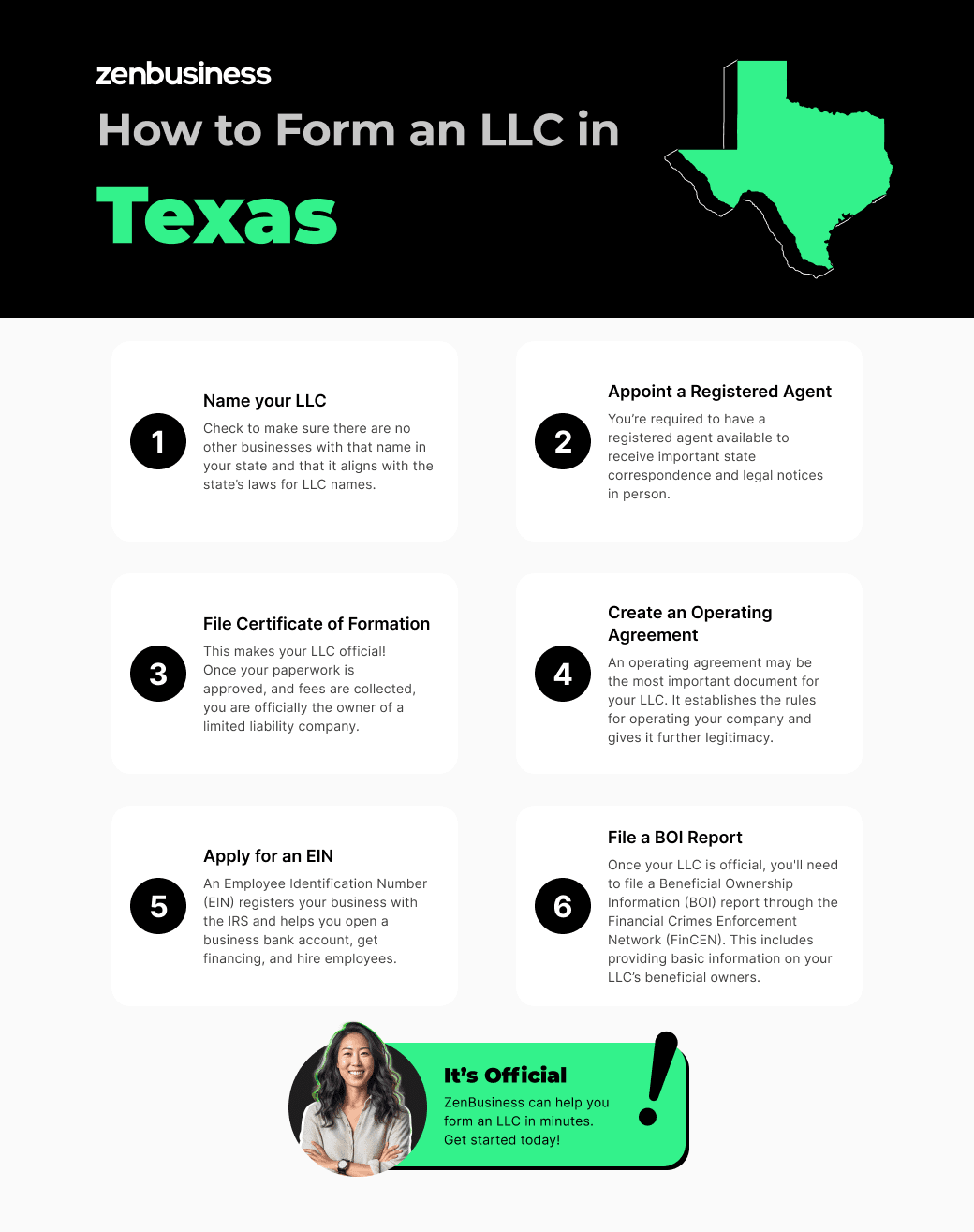
Forming an LLC in Texas is a straightforward process, but it requires careful attention to detail to ensure everything is done correctly. For the travel and hospitality entrepreneur, each step is an opportunity to align your legal structure with your brand and operational goals.
Step 1: Choosing a Unique Name for Your Texas Venture
Your business name is your identity, especially in the image-driven travel and lifestyle industries. It should be memorable, indicative of your offerings, and, most importantly, available.
- Branding for Travelers: Think about names that evoke the spirit of Texas or the specific experiences you offer. If you’re running a luxury boutique hotel, a name like “The Driskill Hotel Hospitality Group LLC” or “Lone Star Escapes LLC” for a tour company instantly sets a tone. Ensure your name reflects the lifestyle, adventure, or comfort you promise.
- Availability Check: Before you fall in love with a name, you must confirm its availability with the Texas Secretary of State. The name must be distinguishable from other registered entities. You’ll typically use the Secretary of State’s online search tool for this. Additionally, in Texas, your LLC name must include “Limited Liability Company,” “Limited Company,” or an abbreviation like “LLC” or “LC.”
- Online Presence: Consider if the corresponding domain name and social media handles are available. In the digital age of travel bookings and influencer marketing, your online identity is almost as crucial as your legal name. A catchy, available name ensures your travel agency, booking platform, or destination guide can establish a cohesive online brand.
Step 2: Designating Your Texas Registered Agent
Every LLC in Texas must have a registered agent. This is an individual or entity designated to receive official legal and tax documents on behalf of your LLC.
- A Consistent Point of Contact: For a travel entrepreneur who might frequently be on the road, exploring new destinations, or overseeing properties, a reliable registered agent is essential. This ensures you never miss important legal notices, even if you’re managing a resort in Marfa or leading a tour through Space Center Houston.
- Requirements: A registered agent must have a physical street address in Texas (not a P.O. Box) and be available during normal business hours. You can serve as your own registered agent if you meet these criteria, but many travel business owners opt for a professional registered agent service for privacy, reliability, and convenience. This keeps your personal address off public records and provides a consistent presence, even if your business operations are largely virtual.
- Professional Services: These services are especially beneficial for nomadic entrepreneurs or those with multiple properties, such as a chain of boutique hotels like Hotel ZaZa Dallas might operate, allowing you to focus on growth and guest satisfaction without administrative worries.
Step 3: Filing Your Certificate of Formation with the State
This is the most critical step in legally establishing your LLC. The Certificate of Formation is a document filed with the Texas Secretary of State that officially creates your LLC.
- What to Include: The certificate requires basic information: your LLC’s name, the name and address of your registered agent, and the name of the organizer (the person filing the document). You’ll also specify whether the LLC is managed by its members or by managers. For a family-run guest house or a small tour operation, member-managed might suffice. For a larger venture, such as developing a new accommodation concept or a multi-location travel booking service, a manager-managed structure could be more appropriate.
- Online Filing: The Texas Secretary of State offers an online filing system, SOSDirect, which makes the process efficient. While specific fees apply, the ease of online submission means your travel business can be legally recognized much faster, allowing you to move swiftly towards opening your doors or launching your first booking platform.
- Effective Date: You can choose an effective date for your LLC’s formation, which can be useful for tax planning or aligning with a specific launch date for your travel package or rental property.
Completing these initial steps lays the groundwork for your Texas LLC, transforming your travel and lifestyle business dreams into a legally recognized entity ready to explore the exciting opportunities the state has to offer.
Essential Post-Formation Actions for Your Texas LLC
Once your Certificate of Formation is filed and approved, your LLC is officially recognized by the state of Texas. However, the journey doesn’t end there. Several crucial post-formation steps ensure your LLC operates smoothly, maintains its liability protection, and complies with all legal requirements, especially vital for businesses in the customer-centric travel and hospitality sectors.
Step 4: Crafting Your Operating Agreement: The Blueprint for Success
While not legally required to file with the state, an Operating Agreement is arguably the most important document for any LLC. It’s the internal contract among the LLC members that governs the business’s operations and outlines the rights and responsibilities of each owner.
- Defining Roles in Travel Ventures: For a travel agency partnership, a boutique hotel consortium, or a shared short-term rental property, the Operating Agreement clarifies who manages bookings, handles marketing, oversees property maintenance, or develops new tour packages to landmarks like The Alamo or Natural Bridge Caverns. It delineates ownership percentages, profit and loss distribution, decision-making processes, and procedures for admitting new members or selling ownership interests.
- Protecting Your Investment and Partnerships: This agreement helps prevent disputes by clearly defining expectations. Imagine a disagreement among partners operating a luxury travel brand focusing on Texas experiences. A well-drafted Operating Agreement can provide a clear roadmap for resolving conflicts, ensuring the business continues to thrive. It also reinforces the limited liability status of your company, as it demonstrates that your LLC is a separate entity distinct from its owners.
- Tailoring for Travel Lifestyle: Whether you’re a single-member LLC running a travel blog that generates income from affiliate links and sponsored content, or a multi-member LLC launching a new Schlitterbahn Waterpark style resort, your Operating Agreement should reflect your specific business model and long-term vision. This flexibility is a hallmark of the LLC structure and particularly beneficial for diverse travel and lifestyle ventures.
Step 5: Securing Your Employer Identification Number (EIN)
An Employer Identification Number (EIN), also known as a Federal Tax Identification Number, is like a social security number for your business. Most LLCs will need an EIN from the IRS.
- When an EIN is Necessary: You will need an EIN if your LLC has more than one member, if you plan to hire employees (which is common for hotels, tour operators, and large rental property management companies), or if you choose for your LLC to be taxed as a corporation. Even single-member LLCs, if they hire employees or are taxed as a corporation, will need an EIN.
- Banking and Beyond: An EIN is crucial for opening a business bank account, which is a vital step for any LLC, especially for managing revenues from accommodation bookings or travel package sales. Keeping business finances separate from personal finances is essential for maintaining limited liability protection. The EIN is also used for filing tax returns and for certain licenses and permits.
- Simple Application Process: Obtaining an EIN is a quick and free process that can be completed online through the IRS website. Having your EIN ready allows you to swiftly move on to financial setup, ensuring your travel business is ready to handle transactions.
Step 6: Fulfilling Other State and Local Compliance
Beyond the foundational steps, your Texas LLC must comply with various state and local regulations that are particularly relevant to the travel and hospitality industry.
- Licenses and Permits: Depending on your specific travel business, you may need various licenses and permits. A hotel in Austin will require lodging permits, health department inspections, and potentially liquor licenses. A tour operator might need specific transportation permits or certifications. Short-term rentals in cities like Dallas or San Antonio often have local registration requirements, occupancy taxes, and zoning regulations. It’s crucial to research both state-level requirements through the Texas Comptroller of Public Accounts and local city/county offices.
- Franchise Tax: While Texas has no state income tax, LLCs are subject to the Texas franchise tax, which is based on the business’s “taxable margin.” Understanding this and filing your annual Public Information Report (PIR) are critical for maintaining good standing with the state.
- Sales Tax: Businesses selling goods or certain services, such as hotel room rentals, may need to collect and remit Texas sales tax. This is especially relevant for all forms of accommodation and many tourism-related activities. Registering for a sales tax permit through the Texas Comptroller is a must.
- Ongoing Compliance: Beyond initial setup, remember to keep your LLC’s information updated with the Texas Secretary of State, particularly if your registered agent or business address changes. Consistent compliance safeguards your LLC’s legal standing and protects your personal assets, allowing you to focus on delivering exceptional travel and lifestyle experiences.
By diligently completing these post-formation actions, your Texas LLC will be fully equipped to navigate the exciting and rewarding world of travel, tourism, and lifestyle entrepreneurship. You’ll have the legal framework in place to grow your business, protect your assets, and contribute to the vibrant economy of the Lone Star State. Whether your dream is a chain of luxury resorts or a bespoke travel planning service, an LLC provides the structure for your vision to flourish securely and successfully.
LifeOutOfTheBox is a participant in the Amazon Services LLC Associates Program, an affiliate advertising program designed to provide a means for sites to earn advertising fees by advertising and linking to Amazon.com. Amazon, the Amazon logo, AmazonSupply, and the AmazonSupply logo are trademarks of Amazon.com, Inc. or its affiliates. As an Amazon Associate we earn affiliate commissions from qualifying purchases.