
Embarking on a cross-country journey from Pennsylvania to Texas is an ambitious undertaking, promising diverse landscapes, cultural encounters, and countless miles of open road. For many, the initial thought of such a vast expedition brings forth questions of safety, particularly when considering specific routes like Interstate 81 South. While I-81 itself doesn’t stretch all the way to Texas, it serves as a crucial starting point for a complex network of interstates that connect the Northeast to the Southwest. The answer to whether this route is “safe” isn’t a simple yes or no; rather, it hinges on a multitude of factors including meticulous planning, driver preparedness, vehicle maintenance, and an awareness of the changing conditions across several states.
This extensive road trip demands a holistic approach to safety, encompassing everything from road quality and weather patterns to strategic rest stops and personal security. Beyond the logistical challenges, such a journey also presents incredible opportunities for travel, tourism, and experiencing different aspects of lifestyle. Understanding the route, preparing adequately, and embracing the journey’s broader potential are key to transforming a long drive into a safe and memorable adventure.

Understanding the Route: I-81 South and Beyond
The journey from Pennsylvania to Texas is not a single interstate run; it’s a mosaic of major highways. Interstate 81 initiates the southward trajectory, offering a scenic and generally well-maintained path through the Appalachian Mountains. However, to reach the Lone Star State, travelers will need to transition onto other significant interstates.
Navigating Key Segments and Transitions
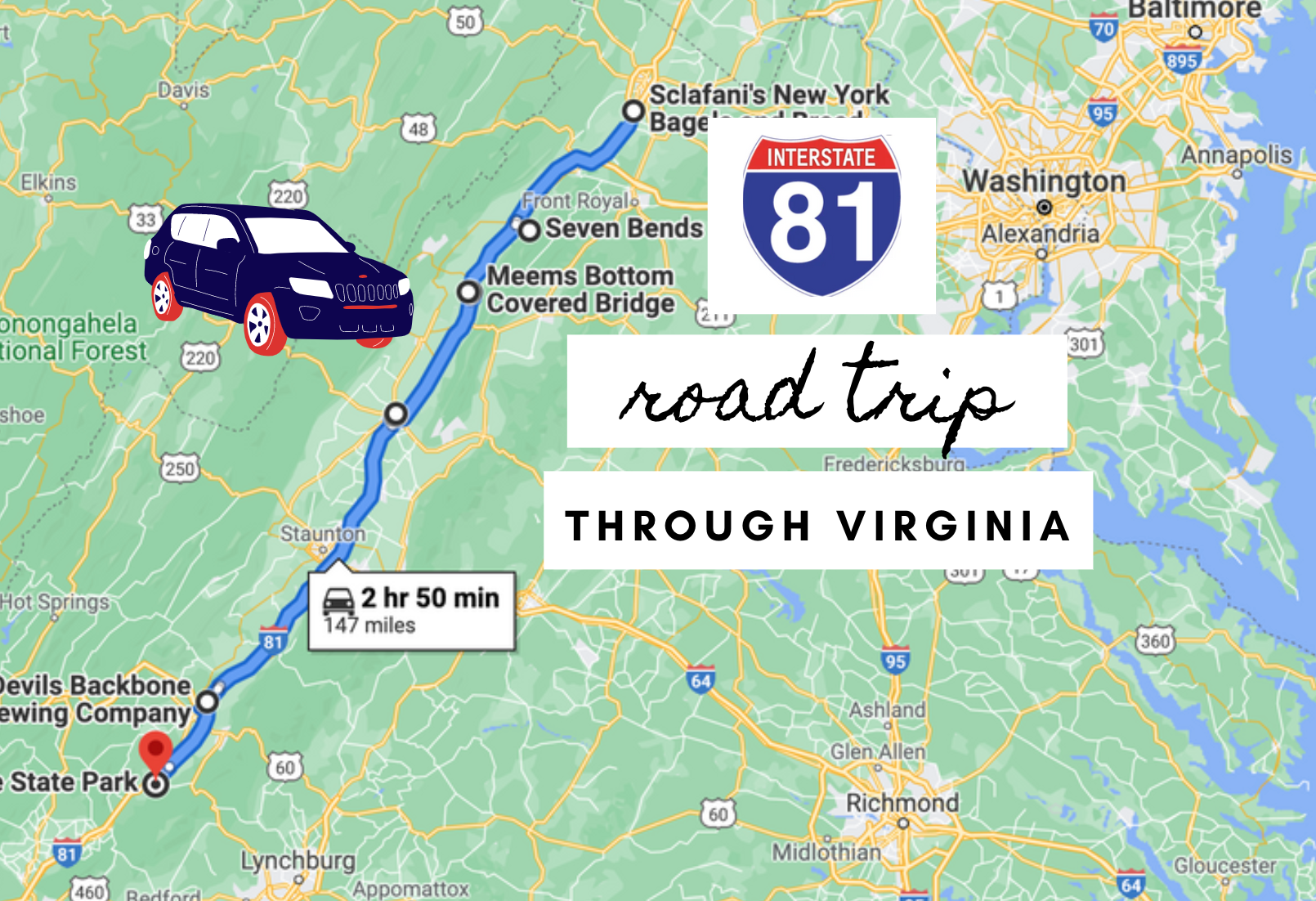
Starting in Pennsylvania, I-81 South guides drivers through the heart of the state, passing near cities like Harrisburg. This initial leg is characterized by rolling hills, farmlands, and sometimes dense forestry, with adequate rest stops and service stations. As I-81 continues its southward course, it swiftly enters Maryland for a brief stretch, then traverses West Virginia and a significant portion of Virginia. The Virginia segment of I-81 is particularly notable for its mountainous terrain and picturesque views, especially near the Shenandoah National Park area and cities like Roanoke.
The crucial transition point typically occurs around Knoxville, Tennessee, where I-81 merges into I-40 West. I-40 is a major transcontinental highway that will then carry travelers through the remainder of Tennessee, often passing through Nashville (or bypassing it depending on the exact route through Knoxville) and then through Memphis before crossing into Arkansas.
From Arkansas, I-40 continues west through Little Rock, ultimately leading to Oklahoma. To reach Texas, travelers typically follow I-40 West to an interchange with I-35 South (usually near Oklahoma City), which then directly enters Texas through cities like Dallas and Fort Worth. Alternatively, from Little Rock, drivers might opt for I-30 West, which directly traverses Arkansas into Texas, connecting to cities like Dallas and Fort Worth. The choice between I-35 South from Oklahoma or I-30 West from Arkansas largely depends on the specific Texas destination, such as Houston or San Antonio.

The states involved in this expansive journey include Pennsylvania, Maryland, West Virginia, Virginia, Tennessee, Arkansas, Oklahoma, and finally, Texas. Each state presents its own set of driving characteristics, from speed limits and road conditions to local law enforcement presence. Awareness of these shifts is crucial for a smooth and safe journey.
Key Factors Influencing Road Safety on a Long-Haul Journey
The concept of safety on a multi-state road trip is multifaceted. It’s not just about avoiding accidents but also about personal security, vehicle reliability, and environmental awareness.
Road Conditions and Infrastructure
Generally, major interstates like I-81, I-40, I-35, and I-30 are well-maintained routes, designed for high-speed, long-distance travel. However, conditions can vary. Pavement quality might fluctuate between states or even within different segments of the same state. Construction zones are an almost constant feature on interstates, particularly during warmer months. These zones require reduced speeds, increased vigilance, and can lead to unexpected delays or lane closures. Planning tools and navigation apps that offer real-time traffic updates are invaluable for identifying and potentially rerouting around significant construction or accident areas.
Rest areas are typically abundant along these interstates, offering opportunities for drivers to stretch their legs, use facilities, and take a break from driving. Many of these also include fuel stations and fast-food options, ensuring convenience.
Weather Considerations
The sheer geographical span from Pennsylvania to Texas means encountering diverse weather patterns. In the northern sections ( Pennsylvania, Maryland, West Virginia, Virginia), winter months can bring snow and ice, making driving conditions treacherous. Fog is also a common occurrence in mountainous regions. As one moves further south into Tennessee, Arkansas, Oklahoma, and Texas, the risk shifts towards heavy rainfall, thunderstorms, and even tornadoes, especially during spring and early summer. Summer months in the Southern states can also see extreme heat, which can impact vehicle performance and driver fatigue. Checking weather forecasts daily, and even hourly, for the specific segments of the route you plan to drive is paramount.
Traffic Patterns and Congestion Hotspots
Navigating through or around major metropolitan areas will inevitably lead to increased traffic congestion, particularly during peak commuting hours. Cities like Harrisburg, Roanoke, Knoxville, Nashville, Memphis, Little Rock, Oklahoma City, Dallas, and Fort Worth can experience significant slowdowns. Planning to pass through these areas during off-peak hours (mid-morning, early afternoon, or late evening) can significantly reduce travel time and stress. Using navigation systems with live traffic updates will help you anticipate and, if necessary, navigate around the worst of the congestion.
Driver Preparedness and Vehicle Maintenance
Perhaps the most critical safety factor is the driver and their vehicle. A long-distance trip demands a well-rested and alert driver. Fatigue is a major contributor to accidents, so planning for regular breaks, ideally every 2-3 hours, is essential. If traveling solo, consider limiting daily driving time to 8-10 hours. If sharing driving duties, ensure both drivers are well-rested.
Before embarking on the journey, a thorough vehicle inspection is non-negotiable. Check tires (including the spare), brakes, fluids (oil, coolant, brake fluid, windshield washer fluid), lights, and wipers. Ensure your registration and insurance are up-to-date. An emergency kit with jumper cables, a flashlight, basic tools, a first-aid kit, and non-perishable food and water is also highly recommended. Reliable cell phone service is generally available along interstates, but having a paper map or offline GPS can be a lifesaver in areas with spotty reception.
Enhancing Your Travel Experience: Beyond Just Safety
While safety is paramount, a road trip from Pennsylvania to Texas can be much more than just a drive. It’s an opportunity for exploration, culture, and creating lasting experiences. This journey aligns perfectly with the core themes of a travel and lifestyle website, offering a chance to delve into diverse destinations and attractions.
Strategic Stops and Accommodation
Breaking up the immense distance into manageable segments is not just safer but also more enjoyable. Planning overnight stays in interesting cities or scenic towns along the route allows for relaxation and local immersion. For instance, consider stopping in:
- Roanoke, Virginia: Nestled in the Blue Ridge Mountains, Roanoke offers a vibrant downtown, the Taubman Museum of Art, and the iconic Roanoke Star with panoramic views.
- Knoxville, Tennessee: A gateway to the Great Smoky Mountains National Park, Knoxville boasts a lively market square, historical sites, and a burgeoning food scene.
- Nashville, Tennessee: The “Music City” offers world-class music attractions like the Grand Ole Opry and numerous live music venues.
- Memphis, Tennessee: Rich in musical history and Civil Rights significance, Memphis is home to Graceland and the National Civil Rights Museum.
- Little Rock, Arkansas: With its historic River Market District and presidential library, Little Rock provides a pleasant break.
For accommodation options, the website covers everything from hotels and suites to resorts and apartments. Whether you prefer luxury travel or budget travel, robust booking platforms and user reviews make finding the perfect overnight stay simple. Many larger chain hotels offer secure parking and desirable amenities crucial for road trippers.
Exploring Attractions and Local Culture En Route
This journey slices through various regions, each with its unique local culture, food, and activities.
- Nature and History: In Virginia, detouring slightly to Shenandoah National Park or the Blue Ridge Parkway offers breathtaking natural beauty. Further south, the Great Smoky Mountains National Park is another natural landmark worth exploring.
- Culinary Experiences: From Pennsylvania Dutch country food to world-famous Southern BBQ in Memphis and Texas, the journey is a culinary adventure. Don’t miss the chance to sample regional specialties.
- Music and Arts: The musical heritage of Nashville and Memphis is undeniable. Catching a live show or visiting a music landmark adds a rich cultural dimension.
- Texas Landmarks: Upon reaching Texas, iconic sites like The Alamo in San Antonio or the vibrant arts scene in Austin await.
Whether you’re planning a family trip with specific attractions in mind or a business stay with efficient travel as the priority, incorporating moments of exploration enhances the overall quality of the journey.
Practical Tips for a Secure and Enjoyable Road Trip
Beyond general planning, specific actions can further bolster the safety and enjoyment of your long drive.
Pre-Trip Planning Essentials
- Detailed Route Mapping: While GPS is helpful, have a general understanding of your route and potential alternative paths. Plot out your daily driving segments, planned overnight stops, and any scenic detours.
- Vehicle Inspection: Reiterate the importance of a professional mechanic’s check-up. Pay extra attention to tire pressure (and spare), oil levels, brake pads, and windshield wipers.
- Emergency Kit: Pack essentials like a first-aid kit, jumper cables, flashlight, blankets, non-perishable snacks, water, and car repair tools.
- Documentation: Ensure your driver’s license, vehicle registration, and insurance cards are easily accessible and up-to-date. Keep digital copies on your phone as a backup.
- Financial Preparedness: Carry a mix of payment methods (credit cards, debit cards, some cash) and inform your bank of your travel plans to avoid card holds.
During the Drive: Staying Vigilant and Safe
- Avoid Distractions: Put away your phone, eat before driving, and keep music at a reasonable volume. Focus solely on the road.
- Regular Breaks: Stop every 2-3 hours for a 15-20 minute break. Stretch, walk around, or grab a coffee. If you feel drowsy, pull over to a safe area and rest.
- Awareness of Surroundings: Be mindful of other drivers, especially large trucks, which are prevalent on interstates. Maintain safe following distances.
- Weather Monitoring: Continuously check local weather forecasts. If severe weather is expected, consider delaying your drive or finding a safe place to stop until conditions improve.
- Fuel Management: Don’t let your fuel tank get too low, especially when traversing rural areas where service stations might be sparse.
Security and Personal Safety
- Secure Valuables: Keep valuables out of sight, locked in the trunk, or take them with you when leaving your vehicle unattended.
- Choose Well-Lit Stops: When stopping at rest areas or for overnight stays, opt for well-lit, populated locations.
- Accommodation Safety: When booking hotels or other accommodation, check reviews for mentions of security and parking. Always lock your hotel room door and use secondary locks.
- Trust Your Instincts: If a situation or an area feels unsafe, avoid it. Your intuition is a powerful safety tool.
In conclusion, the route from Pennsylvania to Texas via I-81 South and its connecting interstates is, by and large, a safe and manageable journey for the prepared traveler. The key lies in understanding the complexities of such a long-distance drive, actively mitigating risks, and leveraging the wealth of information available for planning. By focusing on vehicle readiness, driver vigilance, smart route navigation, and incorporating strategic breaks for rest and exploration, this epic road trip can be not only safe but also an incredibly rewarding and enriching experience. So, pack your bags, prepare your vehicle, and embark on a memorable journey across the diverse landscapes of America.
LifeOutOfTheBox is a participant in the Amazon Services LLC Associates Program, an affiliate advertising program designed to provide a means for sites to earn advertising fees by advertising and linking to Amazon.com. Amazon, the Amazon logo, AmazonSupply, and the AmazonSupply logo are trademarks of Amazon.com, Inc. or its affiliates. As an Amazon Associate we earn affiliate commissions from qualifying purchases.