
The allure of uncovering hidden treasures, reducing waste, and perhaps even saving a significant amount of money has led many individuals to explore the practice of dumpster diving. From college students seeking free furniture to environmental activists hoping to reduce food waste, the activity raises numerous questions, particularly regarding its legal standing. For those planning a trip to the Lone Star State, or even residents exploring unique aspects of local culture and resourcefulness, understanding the legality of dumpster diving in Texas is crucial. While the concept might seem niche, it touches upon broader themes relevant to travel and lifestyle, such as navigating local laws, finding budget-friendly alternatives, and understanding the urban landscape of different destinations.
At its core, dumpster diving in the United States of America generally operates under a fundamental legal principle: once an item has been discarded and placed in a public or semi-public trash receptacle, it is often considered abandoned property. This principle stems from a landmark 1988 Supreme Court case, California v. Greenwood, which ruled that individuals do not have a reasonable expectation of privacy for trash placed out for collection. This decision effectively paved the way for dumpster diving to be largely considered legal, provided certain conditions are met. However, this broad interpretation is not without its intricate nuances and potential pitfalls, especially when considering state-specific laws and local ordinances, which can vary significantly even within Texas itself.

For travelers exploring cities like Austin, known for its vibrant and often unconventional culture, or bustling urban centers such as Houston and Dallas, the idea of finding free resources might align with a budget-conscious approach to experiencing a new place. However, the legal reality is far more complex than simply “finders keepers.” The primary legal hurdles often revolve around trespassing, local city ordinances concerning waste disposal, and potential health and safety regulations. Navigating these complexities is essential for anyone considering dipping their toes into this unique form of urban foraging, whether out of necessity, environmental conviction, or simply curiosity as part of a broader lifestyle exploration.
Understanding the Legal Landscape of Foraging in Texas
Delving into the legalities of dumpster diving in Texas requires a close look at the interplay between federal rulings, state statutes, and municipal regulations. While the general precedent set by the Supreme Court suggests legality, the specifics of how trash is stored and where it’s located are paramount in determining whether an act of dumpster diving crosses into illegal territory.
The Fourth Amendment and Abandoned Property
The bedrock of the legality of dumpster diving in the United States of America is often attributed to the Fourth Amendment of the Constitution, which protects individuals from unreasonable searches and seizures. In the context of trash, the Supreme Court’s decision in California v. Greenwood established that once trash is placed on a public curb for collection, there is no longer a reasonable expectation of privacy. This means law enforcement does not need a warrant to search it, and by extension, if the police can search it without a warrant, it is generally considered abandoned property that anyone can take.
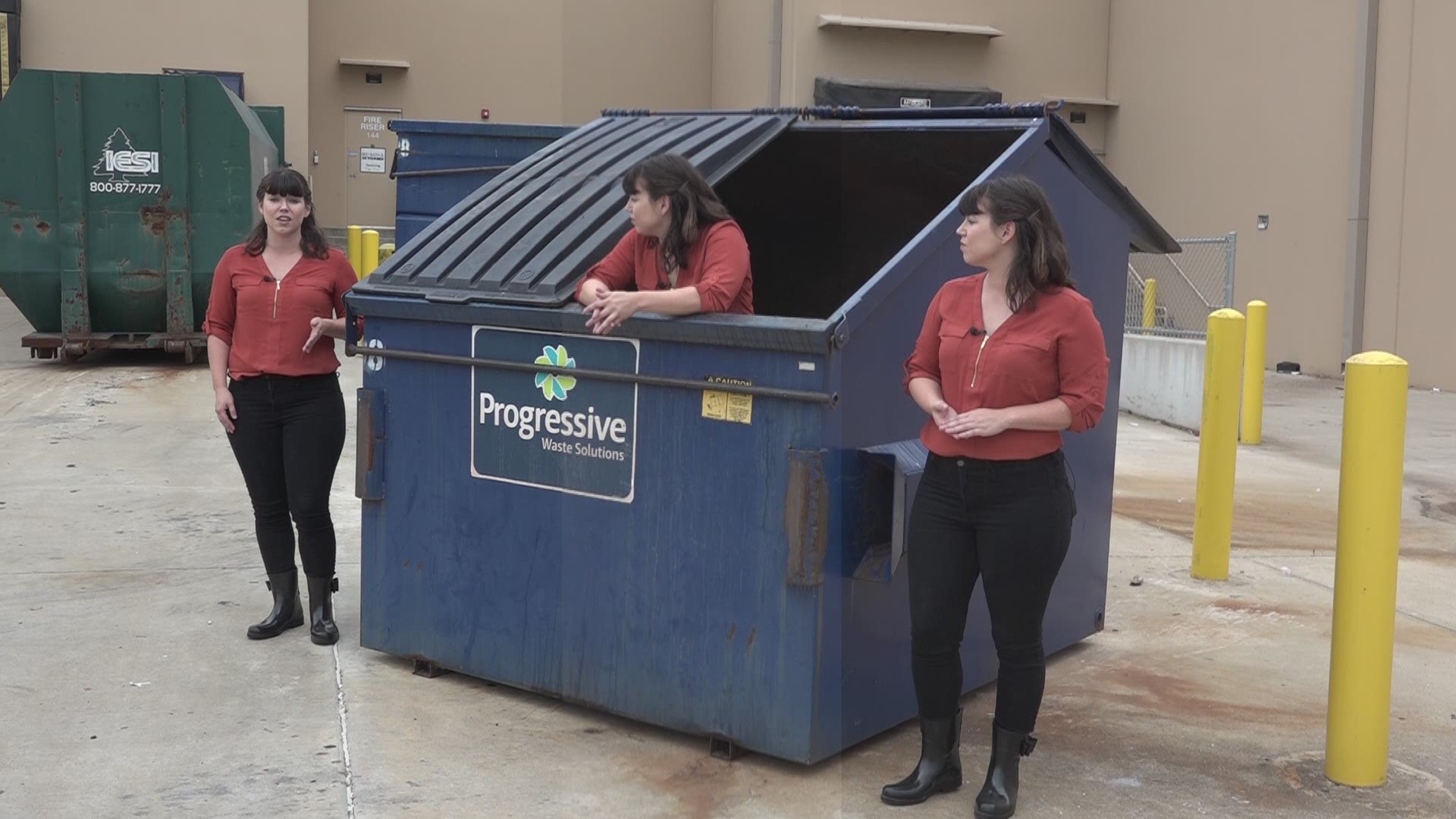
This principle extends to private citizens as well. If something is truly abandoned, it is no longer the property of the original owner, and thus taking it does not constitute theft. For example, if a hotel in San Antonio places old but functional furniture by the dumpster outside its property line for bulk trash pickup, it is generally considered abandoned. However, the crucial caveat lies in the definition of “abandoned” and “public.” If trash is still contained within a private bin on private property, or if it’s explicitly secured in a way that indicates the owner still has a claim to it (e.g., a locked dumpster), the situation changes dramatically. This distinction is critical for understanding the legal limits of what can be freely taken.
Texas-Specific Laws and Private Property
While Texas does not have a specific law explicitly prohibiting dumpster diving, the act can quickly become illegal under other existing statutes. The most common and significant legal hurdle is trespassing. Texas Penal Code §30.05 defines criminal trespass, making it illegal to enter or remain on another’s property without effective consent, if the person had notice that entry was forbidden or received notice to depart but failed to do so. This “notice” can be explicit, like a “No Trespassing” sign, or implicit, such as a fence or other enclosure that would reasonably deter entry.
Most dumpsters are located on private property belonging to businesses, apartment complexes, or private residences. If a dumpster is located within an enclosure, behind a fence, or on a loading dock that is not accessible to the general public, entering that area to access the dumpster can be construed as trespassing. Even if the dumpster itself is technically accessible, simply stepping onto a business’s private parking lot after hours to reach it could be considered trespass. For instance, attempting to retrieve discarded goods from a retail store’s dumpster in Fort Worth that is situated in a fenced-off service area would almost certainly constitute trespassing, even if the goods inside are legally abandoned.

Furthermore, some businesses have explicit policies against dumpster diving, which they might enforce with signage or security personnel. Ignoring these warnings can lead to charges, even if no property damage occurs. The intent of the property owner often plays a significant role in how these situations are handled by law enforcement.
The Nuances of Trespassing and Local Ordinances
Beyond state-level trespassing laws, local city ordinances can add another layer of complexity. Municipalities across Texas have the authority to enact their own regulations regarding waste disposal, public nuisance, and property maintenance. Some cities might have ordinances that specifically prohibit disturbing trash receptacles, scavenging, or removing items from commercial dumpsters, regardless of whether the property is considered public or private. These ordinances are typically designed to maintain cleanliness, public health, and order.
For example, a city like El Paso or Corpus Christi might have local codes that classify unauthorized scavenging as a public nuisance, leading to fines or other penalties. These codes might not directly target “dumpster diving” by name but can be applied to it. It’s also possible for cities to have regulations on what constitutes “public” versus “private” waste disposal areas, further blurring the lines for aspiring urban foragers.
Another consideration is the method of entry. If a dumpster diver has to break a lock, climb over a fence, or force open a gate to access a dumpster, this moves beyond simple trespassing and can escalate to charges of property damage or even burglary, depending on the specifics and the intent. These are serious criminal offenses with much graver consequences than a simple trespass violation. The key takeaway for anyone considering this activity is that while the items themselves might be legally abandoned, the act of acquiring them must not violate other laws or regulations.
The Risks and Realities Beyond Legality
Even if one manages to navigate the labyrinthine legal framework and successfully identify a scenario where dumpster diving is technically legal, the practice comes with a host of other practical and ethical considerations. These risks range from personal safety and health hazards to potential misunderstandings with property owners and law enforcement, which can quickly turn a seemingly harmless activity into a troublesome encounter.
Safety Concerns and Health Hazards
Dumpster diving is inherently a risky endeavor. Commercial dumpsters, in particular, often contain sharp objects like broken glass, jagged metal, or discarded construction materials that can cause severe cuts or puncture wounds. Compacting mechanisms in some dumpsters pose an extremely dangerous threat, as accidental activation can lead to crushing injuries. Furthermore, the contents can be heavy and unstable, risking falls or being trapped. It’s not uncommon for dumpsters to contain hazardous waste, such as chemicals, medical waste, or biohazards, which can lead to exposure to toxic substances or infectious diseases.
Beyond physical injury, health hazards are a significant concern. Food items found in dumpsters, even if seemingly unspoiled, may have been exposed to unsafe temperatures, contaminants, or pests, leading to food poisoning or other illnesses. The environment inside and around dumpsters is often unsanitary, attracting rodents, insects, and other vectors of disease. For anyone considering consuming or using found items, especially food, a thorough understanding of proper sanitation and food safety is paramount, though often impossible to guarantee in such circumstances.
For those engaging in the activity, especially at night, visibility is poor, increasing the risk of accidents. Encountering stray animals, aggressive individuals, or even being mistaken for a burglar by concerned citizens or property owners are additional safety risks. The dark, often isolated locations of dumpsters make divers vulnerable. Proper protective gear, such as sturdy gloves, closed-toe shoes, and reflective clothing, can mitigate some risks, but they cannot eliminate the inherent dangers of rummaging through discarded refuse.
Potential Legal Ramifications: Misconceptions and Consequences
Despite the general legality established by federal precedent, the practical enforcement of laws related to dumpster diving can be unpredictable. Law enforcement officers, often operating under pressure to maintain order and respond to complaints, may not always be fully versed in the nuances of abandoned property law. They might default to enforcing trespassing laws or local ordinances, especially if there’s a complaint from a business owner.
A business owner, feeling their privacy or security is compromised, might call the police, leading to an immediate response. Even if no criminal charges are ultimately filed, the encounter can result in a stern warning, a ban from the property, or even an arrest for trespassing that, while potentially dismissed later, can still be a time-consuming and stressful ordeal. For travelers, such an incident in a city like Galveston could ruin a vacation and potentially lead to future travel complications.
Moreover, the perception of dumpster diving can be negative, leading to social stigma or judgment. Property owners might become more vigilant, installing security cameras, increasing lighting, or explicitly locking dumpsters or fencing off areas, making the activity more difficult and riskier for everyone. The potential for escalation from a civil matter (trespassing) to a criminal one (property damage, burglary, or even assault if an altercation occurs) is always present. Therefore, even when confident in the legal standing of the act itself, one must always consider the broader context and potential for unintended consequences.
A Traveler’s Perspective: Dumpster Diving in the Context of Budget Exploration
While the legal and safety aspects are paramount, it’s also worth examining dumpster diving through the lens of a traveler or someone embracing a particular lifestyle. For a segment of the population, particularly those on extremely tight budgets or those committed to specific ideologies, dumpster diving aligns with broader principles of frugality, sustainability, and unique cultural experiences.
Frugality and the Freegan Movement
For budget travelers, students, or individuals committed to a minimalist lifestyle, finding free resources is often a priority. Dumpster diving, in its most extreme form, can be seen as an ultimate expression of frugality. It’s a way to acquire goods — from perfectly edible food to functional household items, clothing, or even electronics — without spending money, thereby extending a travel budget or simply reducing living expenses. This aligns with the “budget travel” aspect often explored on lifestyle websites, albeit on the very edge of conventional advice.
This practice is also closely associated with the “freegan” movement, a lifestyle choice characterized by the minimal consumption of resources, often involving salvaging discarded goods. Freegans actively challenge consumerism and aim to reduce waste by reclaiming and reusing items that society has thrown away. For someone exploring the alternative communities in Austin, for example, encountering or learning about the freegan lifestyle could be considered an aspect of understanding local culture and unique ways of living. It’s a way to observe and potentially participate in an unconventional social movement that emphasizes self-sufficiency and environmental consciousness.
However, it’s crucial to differentiate between genuine need or ideological commitment and opportunistic scavenging. For many, the idea of dumpster diving is simply a means to an end: acquiring goods for free. For a freegan, it’s a statement, a lifestyle, and a protest against the wastefulness of modern society. Understanding this distinction helps frame the activity not just as an act of obtaining free items, but as part of a larger socio-economic and environmental narrative.
Ethical Considerations and Environmental Impact
Beyond legality and personal gain, dumpster diving raises significant ethical questions and highlights environmental issues. The sheer volume of waste found in dumpsters, particularly edible food from grocery stores and restaurants, is staggering. This waste contributes significantly to landfills, where decomposing organic matter produces methane, a potent greenhouse gas. From an environmental perspective, retrieving discarded food and usable items prevents them from going to waste, thereby reducing landfill volume and methane emissions. This aligns with broader themes of sustainable living and responsible tourism, even if the method is unconventional.
Ethically, the practice challenges our perceptions of value and ownership. Why should perfectly good food or functional items be thrown away when people are in need? This question drives many who engage in dumpster diving. It also forces a confrontation with the uncomfortable realities of overproduction and hyper-consumerism in developed societies. For a traveler exploring different cultures, observing such disparities can offer profound insights into local economies and social issues.
However, there are also ethical considerations from the perspective of businesses and property owners. They might view the practice as a security risk, a liability issue, or simply an intrusion on their property rights. The tension between the desire to reduce waste and protect private property is a central ethical dilemma. Some businesses have started initiatives to donate excess food or items to charities, which provides a more organized and safer way to address waste, but these initiatives are not universal. The ethical debate surrounding dumpster diving is multifaceted, reflecting complex societal issues surrounding waste, poverty, and individual rights.
Practical Guidance for Aspiring Urban Foragers
For those who, after weighing the legal, safety, and ethical considerations, still choose to explore dumpster diving, a practical and cautious approach is essential. This guidance focuses on minimizing risks and respecting boundaries, acknowledging that even in generally permissive environments, care and discretion are paramount.
Best Practices for Safe and Responsible Diving
Safety should always be the top priority. Never dive alone; having a partner ensures help is available in case of an accident or unexpected encounter. Always inform someone of your whereabouts and expected return time. Invest in appropriate gear: sturdy gloves (puncture-resistant if possible), thick, closed-toe shoes or boots, and protective clothing are non-negotiable. A flashlight or headlamp is crucial for visibility, especially during nighttime expeditions, which are often preferred for discretion.
Approach dumpsters with extreme caution. Never enter a dumpster that is clearly marked “No Trespassing” or “Private Property,” or one that is locked or enclosed in a manner suggesting restricted access. Avoid dumpsters with compactors, as they pose an immediate and severe danger. If you encounter any hazardous materials like chemicals, medical waste, or broken glass, do not attempt to retrieve anything from that dumpster. Food items should be thoroughly inspected for spoilage, odors, or signs of pest contamination before being considered safe for consumption. When in doubt, throw it out.
Timing is also key. Many successful dumpster divers operate late at night or early in the morning when businesses are closed and there are fewer people around, reducing the chance of confrontation or being perceived as a threat. However, this also increases personal safety risks due to darkness and isolation. Always prioritize personal safety over potential finds.
Knowing Your Rights and Local Regulations
Before engaging in any dumpster diving activities in a new city or area, whether it’s Austin, Dallas, or any other locality in Texas, it is imperative to research local ordinances. A quick search of the city’s municipal code online can reveal specific prohibitions or regulations regarding scavenging or disturbing waste receptacles. Ignorance of the law is not an excuse, and local laws can override general state or federal precedents in specific contexts.
If approached by law enforcement or property owners, remain calm, polite, and cooperative. Do not argue. If asked to leave, do so immediately and without resistance. If you believe you are being unlawfully detained or your rights are being violated, state clearly that you do not consent to a search and wish to speak with an attorney, but never physically resist. Understanding your basic rights, such as the right to remain silent and the right to refuse a search without a warrant, is important, but these rights must be asserted respectfully and without aggression.
It’s also advisable to respect the wishes of businesses. If a store has explicitly posted “No Trespassing” signs or if an employee asks you to leave, comply immediately. Building a reputation as a nuisance or a troublemaker can lead to increased security measures that make the activity riskier for everyone and can lead to more stringent local regulations being enforced. A responsible approach includes not making a mess, not damaging property, and leaving the area as you found it, minimizing any negative impact on the business or surrounding environment.
Conclusion: Navigating the Grey Areas of Urban Resourcefulness
The question “Is dumpster diving illegal in Texas?” doesn’t have a simple yes or no answer. While the precedent set by California v. Greenwood suggests that abandoned property in public places is generally fair game, the practical application is heavily influenced by state trespassing laws and diverse local ordinances. The act itself is a legal tightrope walk, fraught with potential for misunderstanding, legal repercussions, and significant safety hazards.
For the traveler or individual interested in unique lifestyle choices, understanding this practice offers a peculiar glimpse into urban resourcefulness, consumer waste, and the often-unseen underbelly of modern society. It’s a stark reminder of the abundance in our throwaway culture and the ingenuity (or desperation) of those seeking to reclaim it. Whether driven by economic necessity, environmental ethics, or simply a quest for unconventional experiences, approaching dumpster diving requires meticulous research, unwavering caution, and a deep respect for both the law and private property.
Ultimately, while the spirit of urban foraging aligns with certain aspects of budget travel and sustainable living, the risks involved are substantial. Anyone considering this path in Texas or any other destination should proceed with extreme prudence, prioritizing personal safety and legal compliance above all else. The most valuable finds might not be the discarded goods themselves, but the nuanced understanding gained from navigating this complex and often controversial practice.
LifeOutOfTheBox is a participant in the Amazon Services LLC Associates Program, an affiliate advertising program designed to provide a means for sites to earn advertising fees by advertising and linking to Amazon.com. Amazon, the Amazon logo, AmazonSupply, and the AmazonSupply logo are trademarks of Amazon.com, Inc. or its affiliates. As an Amazon Associate we earn affiliate commissions from qualifying purchases.