
The New York City Marathon is more than just a race; it’s a pulsating event that transforms the urban landscape into a vibrant spectacle of human endurance and community spirit. Each year, hundreds of thousands of runners and millions of spectators converge on the streets of New York to witness this iconic event. Understanding when this world-renowned marathon takes place is crucial for anyone planning to experience it, whether as a participant, spectator, or simply a traveler looking to navigate the city during this busy period.
The marathon is traditionally held on the first Sunday in November. This timing offers a unique autumnal charm to the experience. The crisp air, the changing foliage in Central Park, and the electrifying atmosphere create an unforgettable backdrop for the grueling 26.2-mile course. This consistent scheduling allows for meticulous planning by athletes, organizers, and the city itself, ensuring a well-executed event year after year.
Planning Your [New York City Marathon] Experience
Whether you’re aiming to run, cheer from the sidelines, or simply visit New York during this peak period, early planning is paramount. The popularity of the marathon means that accommodation, travel, and even basic city navigation require foresight.
For Aspiring Runners: Securing Your Spot
Participating in the New York City Marathon is a dream for many runners. However, securing an entry requires understanding the application process, which typically opens months in advance.
General Entry and Lottery Systems
The primary method of entry for many runners is through the general application, which usually opens in late winter or early spring of the race year. This is often a lottery system due to overwhelming demand. Successful applicants are notified in the spring. The odds of winning a place in the lottery can be slim, prompting many to explore alternative entry methods.
Guaranteed Entry and Fundraising
For those who are not successful in the lottery, there are pathways to guaranteed entry. The most common is through charity affiliation. Runners can commit to raising a minimum amount of funds for one of the official marathon charities. This not only secures a spot in the race but also contributes to a worthy cause. The fundraising targets vary significantly depending on the charity.
Qualifying Times
Elite runners and those who have achieved specific qualifying times in other certified marathons can also gain entry. These time standards are demanding and are set by New York Road Runners, the organizing body. Meeting these criteria often involves rigorous training and participation in other competitive races.
Travel Packages
Some travel agencies offer race entry as part of a travel package, often including accommodation and other amenities. While these can be convenient, they are typically more expensive than securing entry and accommodation separately.
For Spectators: The Best Ways to Experience the Race
The energy of the crowd is a vital component of the New York City Marathon experience. Spectators play a crucial role in motivating the runners, and being part of the audience is an exhilarating event in itself.
Prime Viewing Locations
The marathon course spans all five boroughs of New York City, offering a diverse range of viewing experiences.
Staten Island and Brooklyn
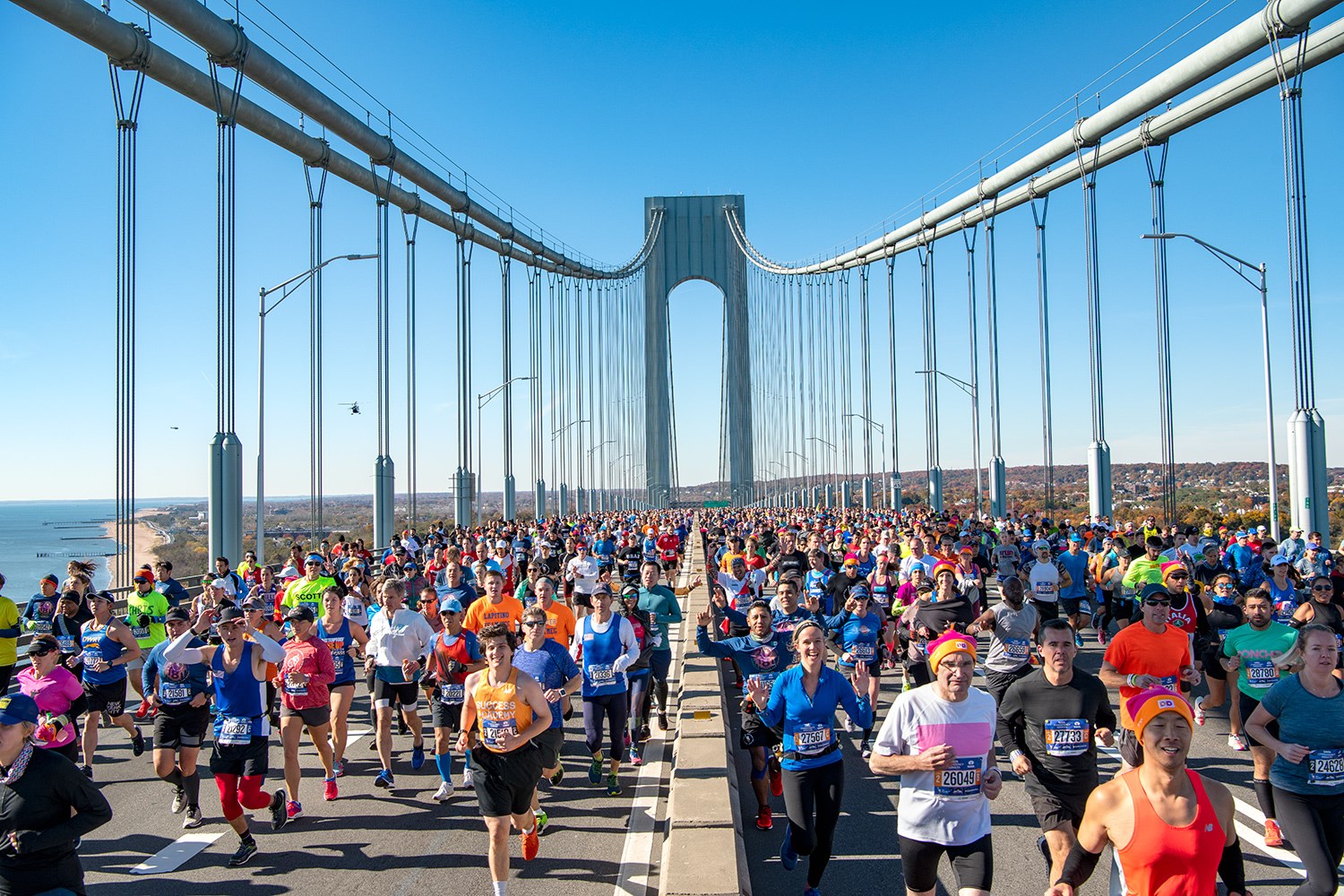
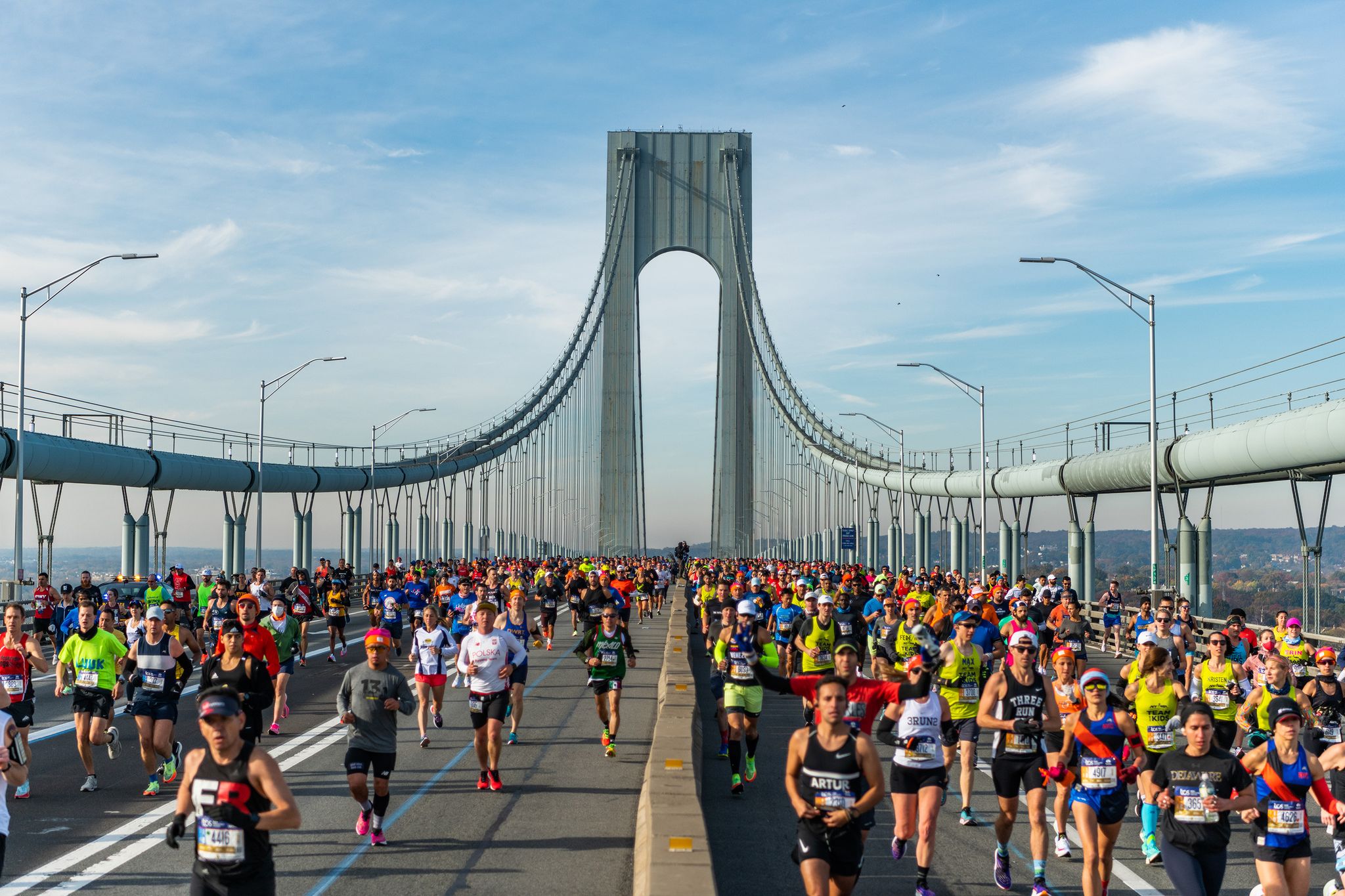
The race begins on Staten Island with runners crossing the Verrazzano-Narrows Bridge. While the start line itself is not accessible to the public, the early miles through Brooklyn offer enthusiastic crowds and a chance to see the runners in strong formation. Neighborhoods like Bay Ridge and Sunset Park are known for their vibrant spectator presence.
Queens and Manhattan
As the race progresses into Queens, runners cross the Queensboro Bridge and enter the iconic streets of Manhattan. First Avenue is legendary for its deafening cheers, a true testament to the city’s support. Further uptown, Fifth Avenue and Central Park provide more scenic backdrops, with the latter being the finish line area.
The Bronx and Central Park
The course briefly enters The Bronx before making its way back into Manhattan for the final stretch through Central Park. The finish line in Central Park is an emotional culmination, though access can be crowded.
Navigating the City on Race Day
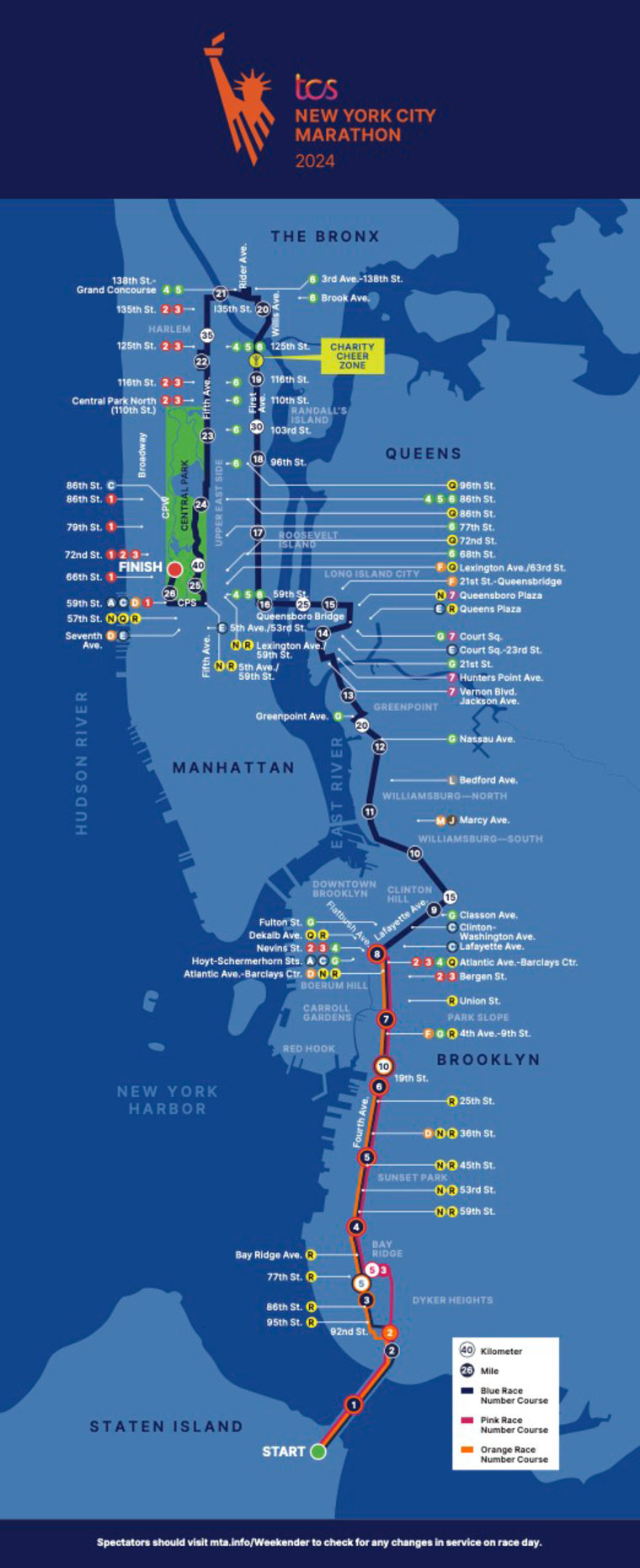
Street closures are extensive on marathon day. Understanding the MTA subway system is essential for spectators looking to move between viewing points. Many bridges and major avenues are closed to vehicular traffic, making the subway the most efficient mode of transportation. Planning your routes in advance and being prepared for crowds is key.
Accommodation and Travel Considerations
The New York City Marathon attracts visitors from across the globe, significantly impacting hotel availability and pricing.
Booking Your Stay
It is advisable to book accommodation as far in advance as possible, ideally six months to a year prior to the event. Hotels in close proximity to the race course and within easy access to public transportation tend to be the most sought after. Consider areas in Manhattan like the Upper East Side and Upper West Side for proximity to Central Park, or Brooklyn neighborhoods for a slightly different, yet still accessible, experience.
Hotel Options
New York boasts a vast array of hotels catering to all budgets. From luxury establishments like The Plaza Hotel or the St. Regis New York to more affordable options, booking early is the best strategy to secure your preferred choice and potentially better rates. Alternatives like vacation rentals or serviced apartments can also be viable options, especially for groups or longer stays.
Transportation to [New York]
International and domestic travelers will fly into one of the three major New York area airports: John F. Kennedy International Airport (JFK), LaGuardia Airport (LGA), or Newark Liberty International Airport (EWR). From these airports, various transportation methods, including taxis, ride-sharing services, and airport shuttles, can take you to your accommodation. The AirTrain system at JFK and Newark offers convenient connections to the city’s subway network.
The Cultural Impact of the Marathon
Beyond the athletic achievement, the New York City Marathon serves as a powerful cultural anchor for the city. It’s a day when New York truly comes alive, showcasing its resilience, diversity, and indomitable spirit.
A Melting Pot of Participants and Spectators
The marathon draws runners from over 100 countries, transforming the streets into a global village. This international representation fosters a unique sense of camaraderie and shared purpose. Spectators, too, come from all walks of life, united by the desire to support the athletes and experience the electric atmosphere. This convergence of cultures and backgrounds is a microcosm of New York City itself.
Community Engagement and Local Flavors
The race route passes through diverse neighborhoods, each offering its unique flavor and community engagement. Local residents often set up their own cheering stations, complete with music, food, and enthusiastic encouragement. This grassroots support is what truly distinguishes the New York City Marathon from other major races. It’s an opportunity for New Yorkers to showcase their hospitality and pride in their city.
The Economic Ripple Effect
The marathon has a significant economic impact on New York City. Hotels, restaurants, and local businesses experience a surge in patronage during the marathon weekend. The event generates substantial revenue through tourism, creating jobs and supporting the city’s economy. It’s a win-win for both the running community and the city that hosts it.
Beyond Race Day: Experiencing [New York] in November
While the marathon is the focal point, visiting New York in early November offers a wealth of other experiences. The city is transitioning into its festive autumn and early winter mood, with a host of attractions and activities to enjoy.
Autumnal [New York]
The crisp autumn air makes it an ideal time for exploring the city’s numerous parks, such as Central Park and Prospect Park, to admire the lingering fall foliage. Museums like the Metropolitan Museum of Art and the American Museum of Natural History offer world-class cultural experiences.
Pre-Holiday Buzz
By early November, New York is already beginning to embrace the upcoming holiday season. Department stores like Macy’s start displaying their holiday window decorations, and the city’s iconic ice-skating rinks, such as the one at Rockefeller Center, often open for the season.
Culinary Delights
New York is a global culinary capital, and November offers a chance to savor seasonal flavors. From cozy cafes to Michelin-starred restaurants, the city’s food scene is as diverse as its population. Exploring the various food markets and ethnic enclaves provides a delicious journey through the city’s cultural tapestry.
In conclusion, the New York City Marathon is a premier global event, consistently held on the first Sunday of November. Its timing, course, and the city’s enthusiastic embrace of the race make it an unparalleled experience for runners and spectators alike. Planning meticulously for accommodation, travel, and viewing is essential to fully appreciate the grandeur of this iconic New York tradition.
LifeOutOfTheBox is a participant in the Amazon Services LLC Associates Program, an affiliate advertising program designed to provide a means for sites to earn advertising fees by advertising and linking to Amazon.com. Amazon, the Amazon logo, AmazonSupply, and the AmazonSupply logo are trademarks of Amazon.com, Inc. or its affiliates. As an Amazon Associate we earn affiliate commissions from qualifying purchases.