
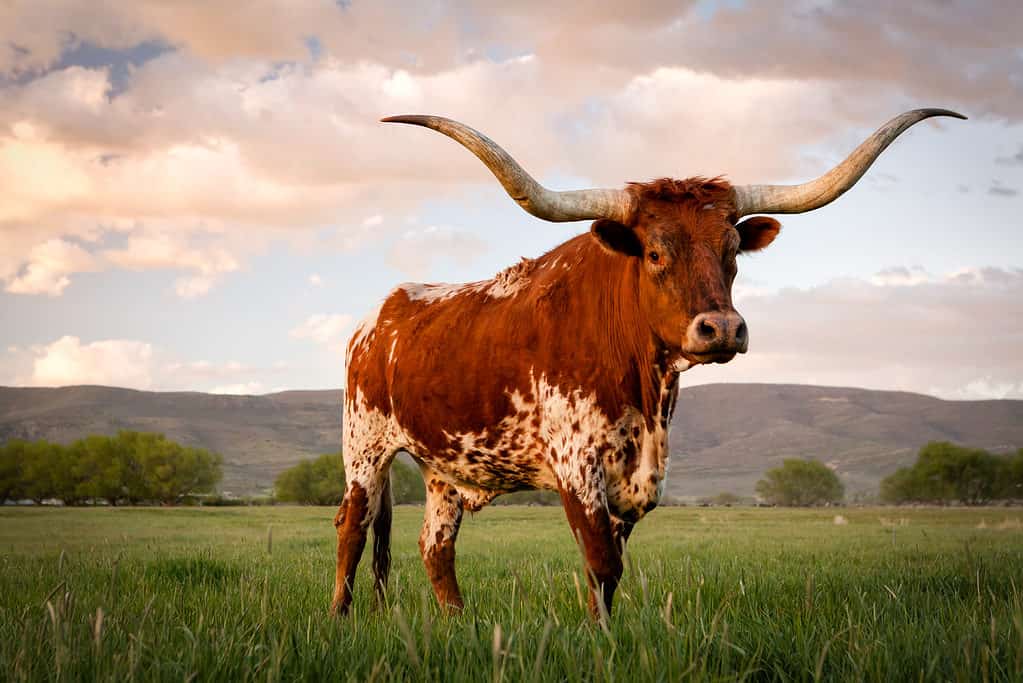
For many, the mention of Texas conjures images of vast ranches, rugged cowboys, and perhaps the iconic longhorn cattle. Yet, beneath the sprawling skies and among the prickly pear cacti, another creature holds a unique and somewhat quirky place in the heart of the Lone Star State, and indeed, in its official designations. Far from the imposing presence of a steer, Texas’s state small mammal is a humble, armored, and utterly fascinating animal: the Nine-banded Armadillo. This distinctive creature, with its prehistoric appearance and endearing burrowing habits, is more than just a roadside curiosity; it’s a symbol of resilience, adaptability, and the diverse natural heritage that makes Texas a truly remarkable travel destination.
The selection of the Nine-banded Armadillo as the official state small mammal in 1995 wasn’t merely a whimsical choice. It recognized an animal that has become synonymous with the Texas landscape, thriving across its varied ecosystems from the piney woods of East Texas to the desert scrub of the west. For travelers seeking an authentic Texas experience, understanding and, perhaps, even spotting this unique mammal offers a deeper connection to the state’s wild side. This article will guide you through the world of the Armadillo, helping you discover where to find them, how to responsibly observe them, and how to integrate this fascinating creature into your next Texas adventure, complete with recommendations for accommodations and experiences that cater to every type of traveler.

Unearthing Texas’s Quirky Emblem: The Nine-banded Armadillo
The Nine-banded Armadillo, Dasypus novemcinctus, is undeniably one of Texas’s most recognizable animals. Its name, “armadillo,” comes from Spanish, meaning “little armored one,” a fitting description for a creature encased in bony plates covered by leathery skin. These plates form a protective shell over its head, body, and tail, with nine movable bands across its midsection allowing for surprising flexibility. Unlike its South American cousin, the three-banded armadillo, the Nine-banded Armadillo cannot roll completely into a ball, but its armor offers substantial protection from predators.
This creature’s journey to becoming a state symbol is as fascinating as its biology. Originating in South America, the Nine-banded Armadillo gradually expanded its range northward, reaching Texas in the mid-19th century. Its incredible adaptability has allowed it to colonize much of the southern United States, but it remains most strongly associated with Texas due to its historical presence and sheer abundance here. Its unique biology includes a penchant for digging, creating elaborate burrows for shelter and foraging for insects, grubs, and small invertebrates. These nocturnal and crepuscular habits mean that spotting an Armadillo often requires patience and a keen eye, particularly during dawn or dusk.

Beyond its distinctive appearance, the Armadillo is an ecological marvel. It’s the only other mammal besides humans known to carry the bacteria that causes leprosy, making it a valuable subject for scientific research. Its unique reproductive strategy, where a single fertilized egg consistently produces identical quadruplets, adds another layer of intrigue. For travelers interested in nature and wildlife, understanding these aspects enhances the experience of encountering an Armadillo in its natural habitat, transforming a casual sighting into a moment of appreciation for Texas’s biodiversity. The Armadillo embodies the rugged individualism and tenacious spirit often associated with Texas itself—surviving, adapting, and thriving in diverse and often challenging environments.
Where to Encounter the Armadillo: Natural Habitats and Eco-Tourism
For visitors keen to spot Texas’s state small mammal in its natural setting, the good news is that armadillos are widespread across the state. However, maximizing your chances requires knowing where to look and, more importantly, when to look. Integrating armadillo spotting into your Texas travel itinerary opens up opportunities to explore some of the state’s most beautiful and biodiverse regions, connecting directly with the “Travel (Destinations, Attractions, Guides, Experiences)” and “Tourism (Activities, Tips)” aspects of your journey.
Armadillos prefer areas with soft soil for digging, ample ground cover, and a steady supply of insects. This means they are often found in woodlands, grasslands, and riparian areas (near rivers and streams). They are primarily nocturnal or crepuscular, meaning the best times for sightings are typically at dawn or dusk, when they emerge from their burrows to forage. While encountering them along rural roadsides is common, responsible eco-tourism encourages seeking them out in protected natural spaces where they can be observed without disturbance.
Iconic Texas Destinations for Wildlife Spotting
Texas boasts an impressive array of state and national parks that serve as prime habitats for armadillos and countless other species. Planning your trip around these natural landmarks not only increases your chances of an armadillo encounter but also allows you to immerse yourself in the diverse beauty of the state.
One of the most renowned wilderness areas is Big Bend National Park, located in West Texas. While often celebrated for its stunning desert landscapes, mountains, and the Rio Grande, its diverse ecosystems also support armadillo populations. Early morning hikes on less-trafficked trails or near campgrounds can sometimes yield a sighting. Further north, Dinosaur Valley State Park near Glen Rose offers not only ancient dinosaur footprints but also wooded areas along the Paluxy River where armadillos thrive. Visitors can camp here, increasing their chances of an evening or morning sighting.
For those exploring the Texas coast, Galveston Island State Park provides a unique opportunity. With its diverse habitats including beach, wetlands, and bayside prairies, armadillos can be found foraging in the grassy areas, especially during cooler parts of the day. Another coastal gem is Padre Island National Seashore, the longest undeveloped barrier island in the world. Its vast dunes and grasslands are ideal for armadillos, along with a host of other fascinating coastal wildlife.
In the central part of the state, the Texas Hill Country is another excellent region. Parks like Pedernales Falls State Park and Blanco State Park offer lush riverbanks and dense woodlands perfect for armadillos. Even within the city limits of larger metropolitan areas like Austin or San Antonio, greenbelts and suburban parks often host armadillo populations, a testament to their adaptability. Places like Barton Creek Greenbelt in Austin or parts of Government Canyon State Natural Area near San Antonio can surprise diligent observers.
Engaging with Texas’s Unique Ecosystems
Observing armadillos is part of a larger experience of engaging with Texas’s rich and varied ecosystems. Beyond the armadillo, these parks are home to white-tailed deer, foxes, coyotes, various bird species, and diverse plant life. Always remember to practice responsible wildlife viewing:
- Maintain Distance: Never approach or try to touch a wild armadillo. Observe from a safe and respectful distance.
- Do Not Feed: Feeding wild animals can alter their natural behaviors and harm their health.
- Stay on Trails: Protect habitats by remaining on designated paths.
- Leave No Trace: Pack out everything you pack in, and leave the natural environment as you found it.
By following these guidelines, you ensure a memorable and ethical wildlife encounter while contributing to the preservation of Texas’s natural beauty for future generations. Many parks offer ranger-led programs that can enhance your understanding of local wildlife and provide expert tips on spotting specific animals. Consulting the Texas Parks and Wildlife Department website before your visit can provide valuable information on park conditions and wildlife activity.
Planning Your Armadillo-Themed Texas Adventure: Accommodation & Lifestyle
Successfully integrating armadillo spotting into your Texas itinerary goes hand-in-hand with choosing the right accommodation and planning your trip to suit your lifestyle and preferences. Whether you’re a luxury traveler seeking resort amenities, a budget-conscious adventurer, or a family looking for educational experiences, Texas offers a spectrum of options that align with its diverse attractions.
Rustic Retreats Near Nature Preserves
For those who wish to be truly immersed in nature and maximize their chances of wildlife sightings, staying close to state parks and natural areas is ideal. This type of accommodation often falls under “Accommodation (Booking, Reviews, Comparison, Long-term Stay)” and appeals to a “Lifestyle (Budget Travel, Family Trips)” focus.
- State Park Cabins & Campgrounds: Many Texas State Parks offer cabins, screened shelters, or primitive campsites. This is often the most direct way to experience the state’s natural beauty and its nocturnal residents. Imagine waking up to bird calls and potentially spotting an armadillo foraging near your campsite at dusk or dawn. Bookings are essential, especially during peak seasons.
- Glamping & Eco-Lodges: For a more comfortable “rustic” experience, glamping sites and eco-lodges have sprung up around popular natural areas like the Texas Hill Country. These offer amenities like comfortable beds, private bathrooms, and sometimes even guided nature tours, blending outdoor adventure with boutique hotel comforts.
- Private Cabin Rentals: Websites like Airbnb and VRBO offer numerous private cabin rentals near national and state parks, such as those surrounding Guadalupe Mountains National Park or Franklin Mountains State Park. These often come with fully equipped kitchens, making them perfect for families or longer stays, and provide a secluded base for exploring.
Urban Comfort with Easy Access to Texas Wilds
If your travel style leans towards “Luxury Travel” or if you prefer the convenience of city life while still wanting to experience Texas’s wildlife, consider basing yourself in one of Texas’s vibrant cities and taking day trips to nearby natural attractions. Cities like Austin, San Antonio, Houston, and Dallas/Fort Worth offer a wealth of “Hotels (Suites, Resorts, Apartments, Villas, Amenities)” and “Landmarks (Famous Places, Architecture, History, Nature)” alongside their cultural attractions.
- Austin: Known for its vibrant music scene and outdoor activities, Austin is surrounded by numerous greenbelts and parks. High-end options like the Four Seasons Hotel Austin offer lakeside views and luxury, while the Hyatt Regency Austin provides excellent access to downtown and the Barton Creek Greenbelt. For budget travelers, the Embassy Suites by Hilton Austin Downtown South Congress offers comfortable stays with ample amenities. You might even find armadillos foraging in the more naturalized areas of Zilker Park after dark.
- San Antonio: Famous for The Alamo and the Riverwalk, San Antonio also has natural areas like Government Canyon State Natural Area or the San Antonio Zoo (which, while not wild, often features local wildlife). The luxurious Hotel Emma at the Pearl Brewery offers a unique stay, or consider the JW Marriott San Antonio Hill Country Resort & Spa for a resort experience with access to the surrounding Hill Country wilderness.
- Houston: As a sprawling metropolis, Houston has numerous parks and bayous that support armadillo populations. Memorial Park or areas near the Space Center Houston can be surprisingly good for urban wildlife spotting. Luxury options like The St. Regis Houston or the boutique Hotel ZaZa Houston Museum District provide exceptional comfort, while the Marriott Marquis Houston offers a resort-like experience downtown.
- Dallas/Fort Worth: These sister cities offer attractions like the Fort Worth Botanic Garden and Southfork Ranch. Nearby natural areas like Lake Ray Roberts State Park or Cedar Hill State Park provide excellent opportunities to see armadillos. The Omni Dallas Hotel is a prime luxury choice in Dallas, while The Driskill in Austin offers historic charm for those venturing to the state capital.
Regardless of your chosen base, remember to plan your wildlife viewing excursions during the armadillo’s active hours. A simple search for “wildlife trails near [city name]” or “state parks near [city name]” can yield fruitful results. The blend of urban sophistication and accessible nature makes Texas a uniquely appealing destination for travelers interested in both culture and ecology.
The Armadillo in Texas Culture and Beyond
The Nine-banded Armadillo’s ubiquitous presence and distinctive appearance have etched it into the cultural fabric of Texas, far beyond its official state mammal designation. It’s a testament to the state’s embrace of its unique identity, transforming a common critter into a beloved, albeit sometimes humorous, icon. This cultural integration speaks directly to the “Tourism (Local Culture, Food, Activities, Tips)” aspect of travel, offering visitors an opportunity to connect with the state’s spirit on a more profound level.
The Armadillo frequently appears in Texas folklore, music, art, and even sports mascots. Its image often symbolizes the rugged individualism, resilience, and slightly unconventional nature that many Texans pride themselves on. For a period, the armadillo was unofficially considered the state’s mascot, long before it received its formal designation. It was even a popular, albeit illegal, pet in the 1960s and 70s.
A Symbol of Texas Ingenuity and Spirit
Perhaps one of the most famous cultural references to the armadillo in Texas history is the Armadillo World Headquarters in Austin. This legendary music venue, active from 1970 to 1980, played a pivotal role in the “cosmic cowboy” movement, blending country music with rock and roll and attracting acts from Willie Nelson to Frank Zappa. The venue’s name, featuring the armadillo, perfectly captured the counter-cultural, laid-back, yet deeply Texan vibe of the era. Though the original venue is long gone, its legacy lives on as a symbol of Austin’s musical heritage, and the armadillo remains a potent emblem for the city’s independent spirit, even appearing in the Austin City Limits logo for a time.
Beyond music, the Armadillo makes appearances in local literature, children’s books, and regional art. Artists and sculptors frequently depict the animal, often with a whimsical twist, reflecting its endearing, if sometimes clumsy, demeanor. Its armored shell has even inspired various product designs, from barbecue pit lids to decorative garden features. This pervasive imagery encourages visitors to look beyond the superficial and appreciate the deeper connection Texans have with their natural surroundings.
Bringing Home a Piece of Texas: Armadillo Souvenirs and Local Crafts
For travelers seeking unique souvenirs, armadillo-themed items offer a charming and authentic piece of Texas to take home. Unlike generic mass-produced trinkets, an armadillo figurine, a t-shirt featuring its likeness, or even a piece of local art incorporating the animal speaks to a specific cultural identity.
- Artisan Crafts: Visit local art galleries and craft markets, especially in towns like Fredericksburg, Wimberley, or along the Riverwalk in San Antonio, where you might find handcrafted armadillo sculptures, pottery, or paintings. These support local artists and provide a truly unique memento.
- Apparel and Accessories: T-shirts, hats, and even jewelry featuring the armadillo are popular, often showcasing playful or stylized representations of the animal. These are easily found in gift shops across the state, particularly in tourist hotspots.
- Educational Items: For younger travelers or those with an interest in natural history, books, puzzles, or plush toys depicting the Nine-banded Armadillo can be found at visitor centers in state parks or natural history museums in cities like Houston or Dallas.
Embracing the armadillo as part of your Texas experience means more than just a fleeting wildlife sighting; it’s an invitation to delve into the cultural nuances and natural wonders that define this expansive state. It encourages a deeper appreciation for the wild, the quirky, and the resilient spirit that makes Texas an unforgettable destination.
Conclusion: Embracing the Armadillo’s Texas Legacy
The question, “What is Texas State Animal?” leads us directly to the extraordinary Nine-banded Armadillo, a creature that embodies the unique spirit and diverse ecosystems of the Lone Star State. Far from being merely an official designation, the armadillo represents Texas’s natural beauty, its capacity for resilience, and its rich, sometimes unconventional, cultural heritage. For any traveler seeking an authentic and memorable experience, understanding and engaging with this fascinating mammal adds a unique dimension to their Texas adventure.
Whether you’re exploring the vast wilderness of Big Bend National Park, hiking the trails of a Hill Country state park, or simply keeping an eye out in a suburban greenbelt, the chance of spotting an armadillo is a distinct Texas thrill. These encounters encourage a respectful interaction with nature, reminding us of the importance of conservation and responsible tourism. Beyond wildlife viewing, the armadillo’s presence in Texas art, music, and souvenirs ensures that its quirky charm is never far from reach, offering travelers tangible pieces of Texas culture to take home.
Planning your trip around these opportunities, from selecting rustic cabins in nature to luxurious urban hotels offering easy access to natural areas, allows for a customizable journey that fits every lifestyle and budget. From the stunning vistas of the Guadalupe Mountains National Park to the sandy shores of Padre Island National Seashore and the vibrant streets of Austin and San Antonio, Texas invites exploration. So, as you plan your next getaway, remember the little armored one, the Nine-banded Armadillo, and let it inspire you to discover the wild, wonderful, and utterly unique corners of Texas. Your Texas adventure awaits!
LifeOutOfTheBox is a participant in the Amazon Services LLC Associates Program, an affiliate advertising program designed to provide a means for sites to earn advertising fees by advertising and linking to Amazon.com. Amazon, the Amazon logo, AmazonSupply, and the AmazonSupply logo are trademarks of Amazon.com, Inc. or its affiliates. As an Amazon Associate we earn affiliate commissions from qualifying purchases.