
The colossal engine of New York City churns out an astounding volume of waste daily. Beneath the glittering facade of its iconic skyline lies a complex and often unseen system dedicated to managing this perpetual output. For visitors and residents alike, understanding the journey of our refuse offers a profound glimpse into the city’s intricate operations, its environmental impact, and the innovative strategies being deployed to handle one of its most significant logistical challenges. This isn’t just about trash; it’s a journey through urban infrastructure, waste management technologies, and the evolving landscape of sustainability in one of the world’s most vibrant metropolises.
The Daily Deluge: Understanding NYC’s Waste Stream
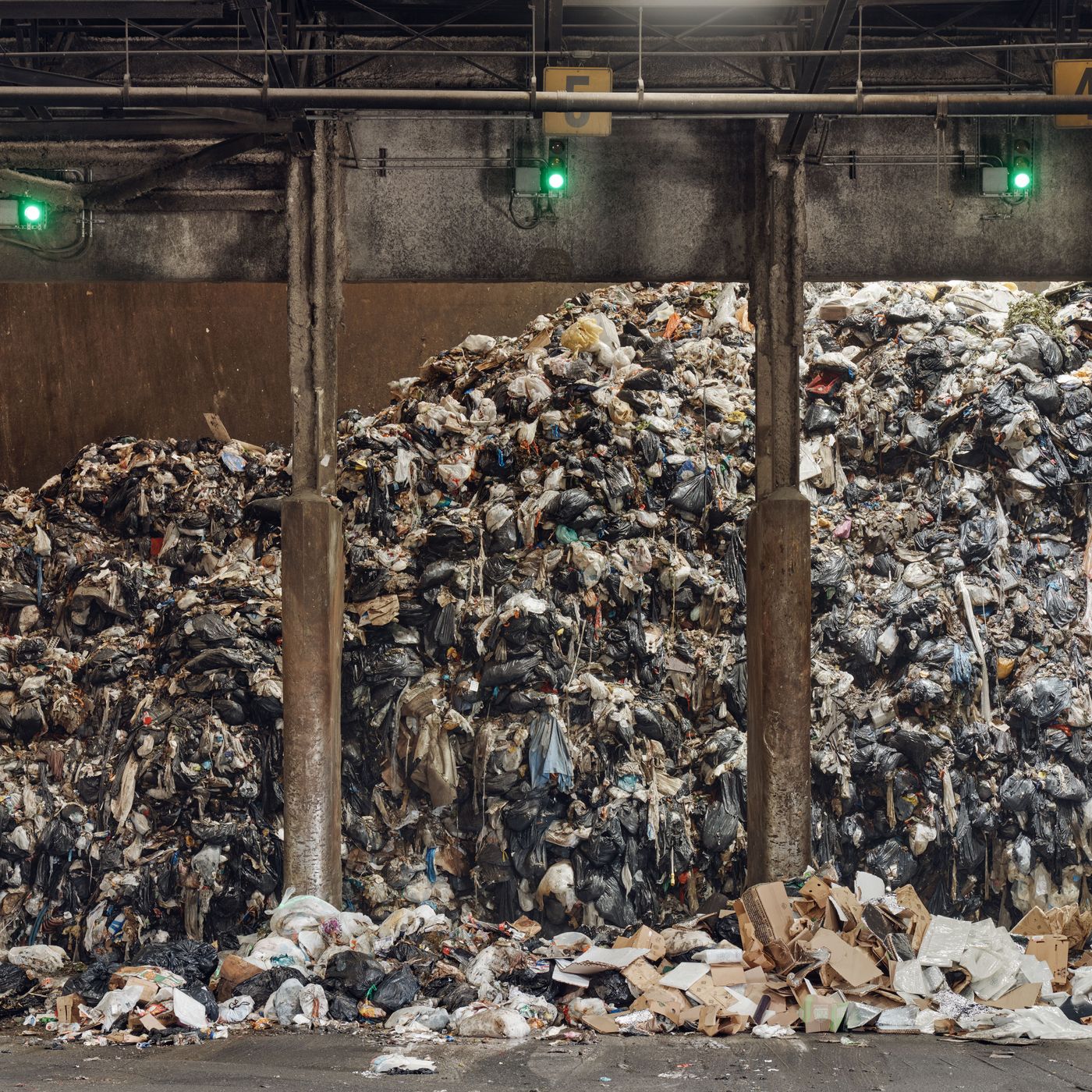
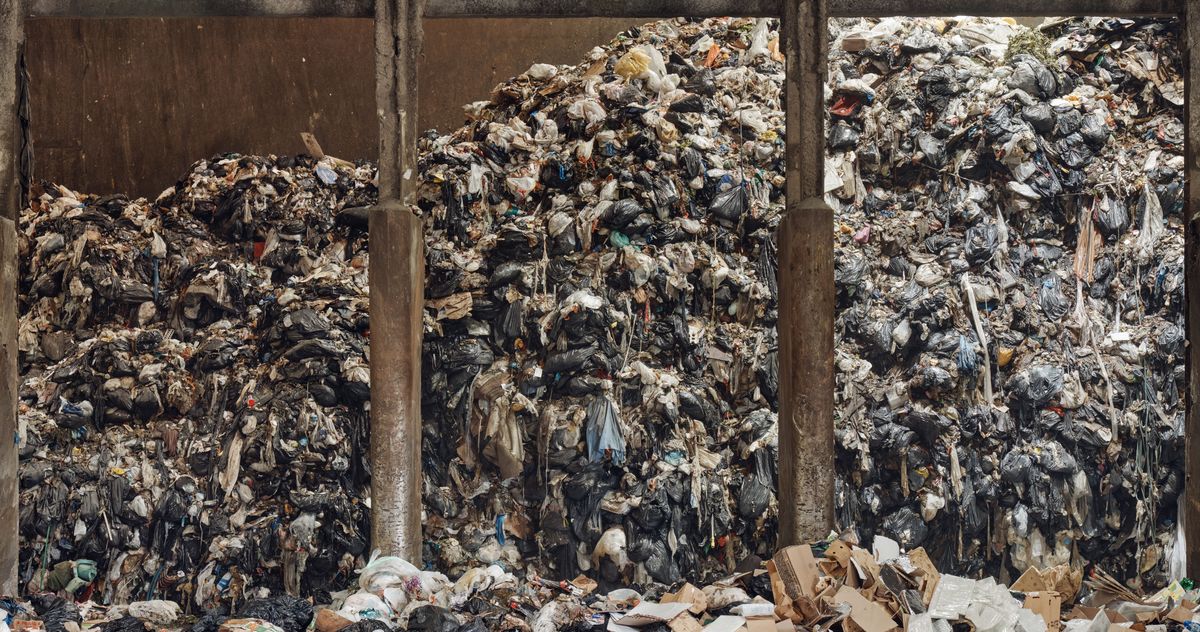
New York City generates an astonishing amount of waste, a testament to its dense population and ceaseless activity. Each day, millions of residents, countless businesses, and the constant flow of tourists contribute to a mountain of refuse that requires meticulous planning and execution to manage. The sheer scale of this operation is difficult to comprehend, involving hundreds of tons of solid waste, recyclables, and organic materials that must be collected, transported, and processed.
Quantifying the Waste
On an average weekday, New York City sanitation departments collect approximately 10,500 tons of residential solid waste. This figure excludes commercial waste, which is handled by private carters, adding another significant tonnage to the daily total. This massive volume is comprised of everything from food scraps and packaging to discarded electronics and construction debris. Understanding these numbers is crucial to appreciating the magnitude of the challenge and the sophistication of the systems designed to cope with it.
The Collection Network
The collection process itself is a marvel of urban logistics. A fleet of thousands of specialized vehicles, operated by the New York City Department of Sanitation (DSNY), navigates the city’s congested streets, often working in the early morning hours to minimize disruption. This network relies on a sophisticated system of routes, schedules, and transfer stations, ensuring that waste is efficiently gathered from every corner of the five boroughs. The coordination required to keep this system running smoothly is a testament to the dedication of the city’s sanitation workers.
From Curbside to Destination: The Journey of Recyclables and Trash
Once collected, the waste stream diverges, with recyclables and residual trash embarking on different, yet equally critical, paths. The city’s commitment to recycling is a cornerstone of its waste management strategy, aiming to divert as much material as possible from landfills and incinerators. However, the complexities of sorting and processing these materials present their own set of challenges, and a significant portion of waste still requires final disposal.
The Fate of Recyclables
New York City has a comprehensive recycling program that handles paper, cardboard, glass, metal, and certain plastics. These materials are collected separately and transported to Material Recovery Facilities (MRFs). At the MRFs, advanced sorting technology, including optical sorters, magnets, and eddy current separators, meticulously separates different types of recyclables. Once sorted, these materials are baled and sold to manufacturers who use them to create new products. This circular economy approach is vital for resource conservation and reducing the environmental footprint of the city.

The Road to Disposal: Landfills and Incinerators
Despite robust recycling efforts, a substantial amount of residual waste still needs to be disposed of. Historically, much of New York City‘s trash was transported to landfills in New Jersey and Pennsylvania. However, rising costs, environmental concerns, and the limited lifespan of landfills have prompted a shift in strategy.
The city has increasingly turned to waste-to-energy facilities, primarily through a complex system of waste transfer stations and barge operations. These transfer stations act as intermediaries, where collected waste is consolidated from smaller collection trucks onto larger barges. These barges then transport the waste, often across the Atlantic Ocean, to specialized facilities, including waste-to-energy plants.
Waste-to-Energy: A Controversial Solution
Waste-to-energy (WTE) facilities burn trash at high temperatures to generate electricity. This process significantly reduces the volume of waste, with the remaining ash often being disposed of in specialized landfills. New York City utilizes WTE facilities in locations such as Pennsylvania. While WTE offers a method for energy recovery and volume reduction, it has faced criticism regarding air emissions and the potential for valuable materials to be incinerated rather than recycled. The debate over the role of WTE in a sustainable waste management system continues.
Emerging Solutions and the Future of Waste Management
New York City is not standing still; it is actively exploring and implementing innovative solutions to address its waste management challenges. The long-term vision involves a more circular economy, emphasizing waste reduction at the source, enhanced recycling, and the development of more sustainable disposal methods.
Organic Waste Diversion
A significant portion of New York City’s waste stream consists of organic materials, such as food scraps and yard waste. The city has been piloting and expanding its organic waste collection program, aiming to divert these materials from landfills and incinerators. Collected organic waste can be processed through composting or anaerobic digestion. Composting transforms organic matter into nutrient-rich soil, while anaerobic digestion breaks down organic material in the absence of oxygen, producing biogas that can be used as a renewable energy source. These programs are crucial for reducing methane emissions from landfills and creating valuable byproducts.
The “Garbage Barge” Legacy and Future Investments
The city’s historical reliance on shipping its waste far afield, famously illustrated by the saga of the “garbage barge,” underscores the logistical and environmental complexities involved. However, this reliance is gradually diminishing as New York City invests in a more localized and sustainable waste management infrastructure. This includes exploring new technologies for material recovery, developing advanced composting facilities, and potentially investing in more environmentally sound energy recovery systems. The goal is to create a more resilient and responsible system that minimizes the environmental impact of its waste.
Public Engagement and Responsibility
Ultimately, the success of any waste management system hinges on the active participation of its citizens. New York City continues to invest in public education campaigns to encourage waste reduction, proper sorting of recyclables and organics, and a greater awareness of the waste journey. Understanding where our garbage goes is not just a matter of curiosity; it is a vital step toward fostering a more sustainable and environmentally conscious urban future. The continuous evolution of New York City’s waste management practices reflects a growing commitment to addressing the environmental challenges of a modern metropolis.
LifeOutOfTheBox is a participant in the Amazon Services LLC Associates Program, an affiliate advertising program designed to provide a means for sites to earn advertising fees by advertising and linking to Amazon.com. Amazon, the Amazon logo, AmazonSupply, and the AmazonSupply logo are trademarks of Amazon.com, Inc. or its affiliates. As an Amazon Associate we earn affiliate commissions from qualifying purchases.