
The bustling metropolis of New York City is a marvel of human endeavor, a vibrant tapestry of cultures, and an economic powerhouse. Yet, beneath its dazzling surface lies a constant, often unseen, challenge: managing the immense volume of waste generated by its millions of residents and visitors. The question of where New York City trash goes is not merely a logistical puzzle; it’s a story that intersects with environmental policy, urban planning, and the daily lives of citizens far beyond the city limits. Understanding this complex system offers a unique glimpse into the unseen infrastructure that keeps one of the world’s greatest cities functioning.
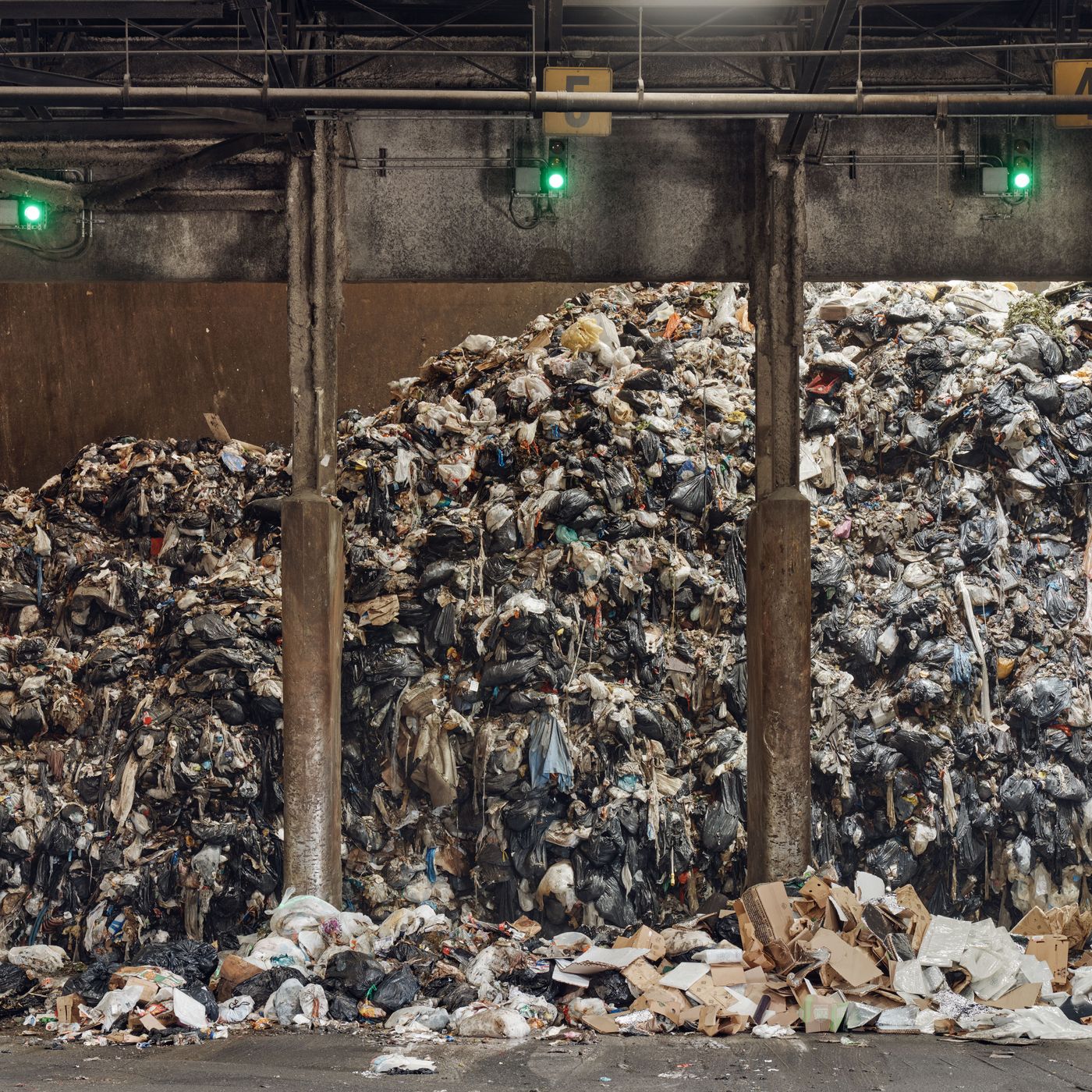
The Vanishing Act: Initial Collection and Processing
The journey of a New York City garbage bag begins with its departure from homes, businesses, and public spaces. This initial stage is managed by the New York City Department of Sanitation (DSNY), the largest municipal sanitation department in the world. DSNY employs thousands of sanitation workers and operates a vast fleet of collection trucks, ensuring that waste is removed from streets and designated drop-off points with remarkable efficiency.
Curb Appeal and Collection Routes
For most residents, the process culminates with placing bins at the curb on designated collection days. The DSNY meticulously plans collection routes to optimize efficiency, minimizing fuel consumption and labor. These routes are dynamic, adapting to neighborhood growth, traffic patterns, and seasonal changes. The sheer volume of residential waste is staggering; each day, millions of pounds of trash are collected, a testament to the city’s relentless pace of life.
Commercial Waste: A Separate Stream
Businesses, restaurants, and large institutions operate under a different set of rules. While DSNY handles residential waste, the collection of commercial waste is largely privatized. Private carting companies compete to service these clients, creating a more market-driven approach to waste removal. This segment of the waste stream is equally significant, with businesses generating a substantial portion of the city’s total refuse. Regulations are in place to ensure these private operators adhere to environmental standards, but the oversight can be a complex undertaking.
Sorting and Separation: The Precursor to Departure
Before the bulk of the waste embarks on its long-haul journey, a crucial step takes place: sorting and processing. While source separation for recyclables is mandated and encouraged, a significant portion of the collected trash is considered mixed solid waste. This material is often taken to transfer stations.
Transfer Stations: Hubs of Consolidation
New York City operates numerous transfer stations strategically located throughout its five boroughs. These facilities act as consolidation points, where smaller collection trucks offload their loads. The waste is then compacted and transferred onto larger, more efficient vehicles – typically marine barges or long-haul trucks – for transport to final disposal or processing sites outside the city. This consolidation is vital for reducing the number of individual trips required for long-distance hauling, thereby saving costs and minimizing environmental impact on local roads.
Beyond the Horizon: Disposal and Destination
Once consolidated, the vast majority of New York City trash leaves the city’s immediate confines. The destinations have evolved over time, driven by changing environmental regulations, technological advancements, and the economic realities of waste disposal.
The Era of Landfills: A Shifting Landscape
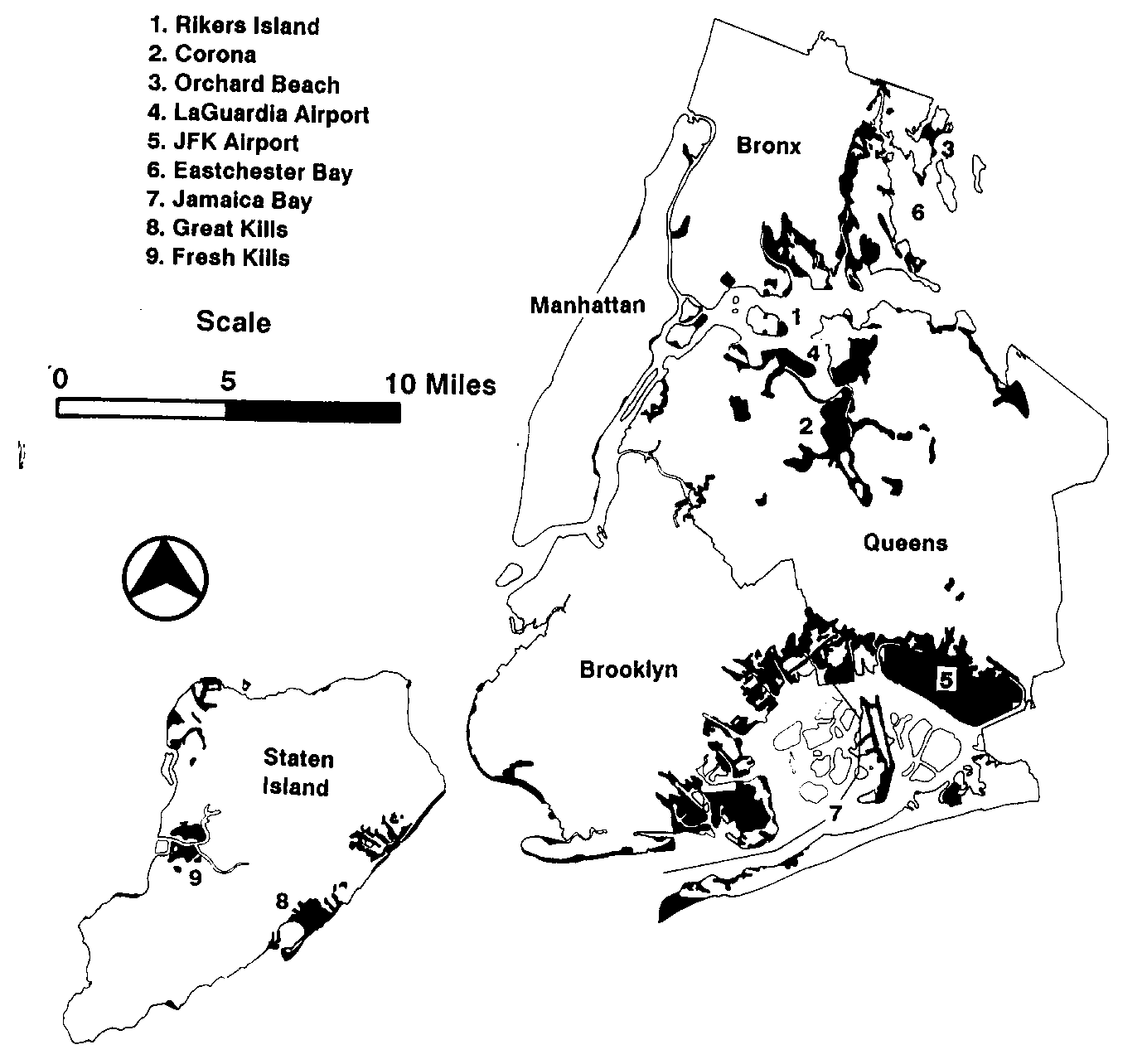
Historically, landfills were the primary destination for municipal solid waste. New York City once relied heavily on local landfills, such as the infamous Fresh Kills Landfill on Staten Island. However, as these landfills reached capacity and environmental concerns grew, the city was forced to look further afield. The closure of Fresh Kills Landfill in 2001 marked a significant turning point, necessitating a complete overhaul of the city’s waste disposal strategy.

Barges to the Hinterlands: Rail and Barge Transport
Today, a substantial portion of New York City trash is transported out of state via a sophisticated network of rail and barge systems. This method is significantly more cost-effective and environmentally friendly than trucking the waste long distances. Barges, loaded at city piers, carry massive quantities of compacted waste down rivers and out to sea, eventually reaching specialized waste processing facilities and landfills in states like Pennsylvania, Virginia, and even as far as Ohio and South Carolina. Rail transport operates similarly, with waste loaded onto trains at designated terminals for journeys to out-of-state disposal sites.
The Environmental Calculus of Long-Haul Disposal
The reliance on out-of-state disposal raises complex environmental and social questions. While it addresses New York City’s immediate waste management needs, it shifts the environmental burden to other communities. Concerns include the carbon footprint associated with long-distance transportation, the potential for leachate leakage from landfills in receiving states, and the equity of communities hosting waste from distant urban centers. The DSNY continuously seeks ways to mitigate these impacts through more efficient transport and advanced waste processing technologies.
The Promise of Waste-to-Energy: A Partial Solution
While landfilling remains a dominant method, New York City also utilizes waste-to-energy (WTE) facilities. These plants burn non-recyclable waste under controlled conditions, generating electricity and significantly reducing the volume of waste that needs to be landfilled. While WTE offers a potential solution for reducing landfill dependence and recovering energy, it also faces scrutiny regarding air emissions and the potential for discouraging recycling efforts. The city is exploring various avenues to integrate such technologies more effectively and responsibly into its waste management strategy.
Beyond the Bin: Recycling and Waste Reduction Initiatives
The narrative of New York City trash would be incomplete without addressing efforts to divert waste from landfills and incinerators through recycling and reduction. The city has ambitious goals for increasing its recycling rates and minimizing waste generation at its source.
The Blue Bin Revolution: Residential Recycling
New York City has a long-standing, albeit often challenging, residential recycling program. Residents are encouraged to separate recyclables – paper, cardboard, metal, glass, and certain plastics – into designated blue bins. The collected recyclables are then processed at material recovery facilities (MRFs), where they are sorted and prepared for sale to manufacturers who can repurpose them into new products. The success of this program hinges on public participation and market demand for recycled materials.
Challenges and Innovations in Recycling
Despite decades of effort, New York City’s recycling rates have faced challenges. Contamination, confusion about acceptable materials, and fluctuating commodity prices for recyclables can hinder progress. The DSNY is constantly exploring innovative approaches, including public education campaigns, improved sorting technologies at MRFs, and potential expansion of the types of materials accepted for recycling. The ultimate goal is to create a more robust and economically viable recycling infrastructure.
The Future of Waste: A Circular Economy Approach
The long-term vision for New York City’s waste management is shifting towards a circular economy model. This approach emphasizes reducing waste generation in the first place, reusing materials whenever possible, and recycling what cannot be reused or reduced. This involves not only individual behavior changes but also policy initiatives that encourage product design for durability and recyclability, and the development of markets for recovered materials.
Policy and Public Engagement: Shaping the Future
The DSNY and other city agencies are actively involved in developing and implementing policies aimed at achieving these goals. This includes exploring extended producer responsibility (EPR) programs, where manufacturers are held accountable for the end-of-life management of their products, and investing in technologies that can convert waste into valuable resources. Public engagement is also paramount, fostering a sense of shared responsibility for waste reduction and proper disposal practices across the city. Ultimately, understanding where New York City trash goes is to understand a critical, dynamic system that is constantly evolving to meet the challenges of sustainability in a dense urban environment.
LifeOutOfTheBox is a participant in the Amazon Services LLC Associates Program, an affiliate advertising program designed to provide a means for sites to earn advertising fees by advertising and linking to Amazon.com. Amazon, the Amazon logo, AmazonSupply, and the AmazonSupply logo are trademarks of Amazon.com, Inc. or its affiliates. As an Amazon Associate we earn affiliate commissions from qualifying purchases.