
The allure of a perfectly cooked steak is a culinary cornerstone, and among the most revered cuts is the New York strip. Its rich flavor, tender texture, and satisfying marbling have made it a favorite in steakhouses across the globe, from the bustling streets of New York City to more refined dining establishments in Paris. But beyond its prominent presence on menus, a fascinating question lingers: where does this iconic cut truly originate, both geographically and in terms of its place in the history of butchery and gastronomy? Understanding the provenance of the New York strip offers a deeper appreciation for its culinary journey, connecting us to the agricultural roots and the evolving art of meat preparation.
The Bovine Blueprint: From Pasture to Plate
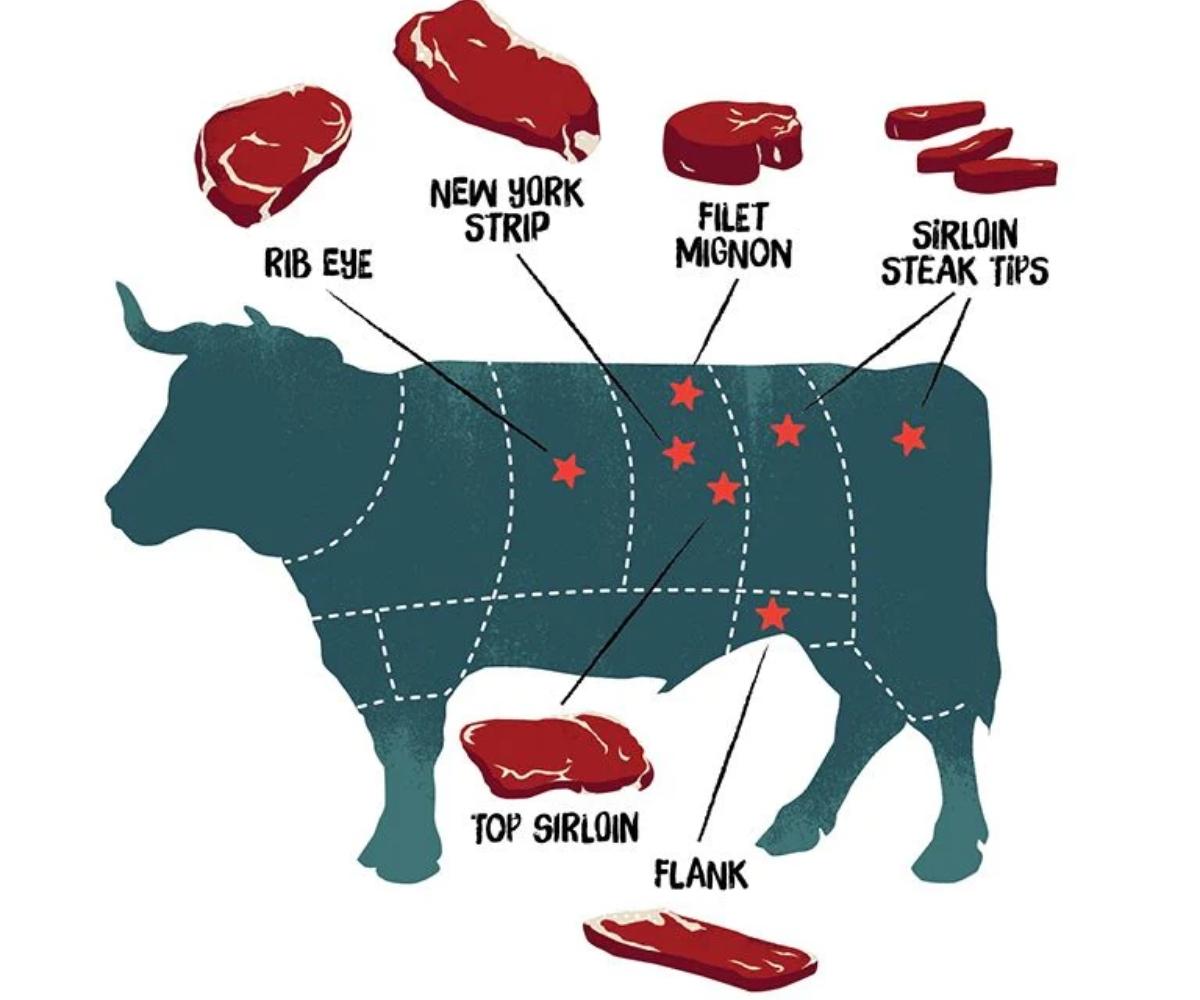
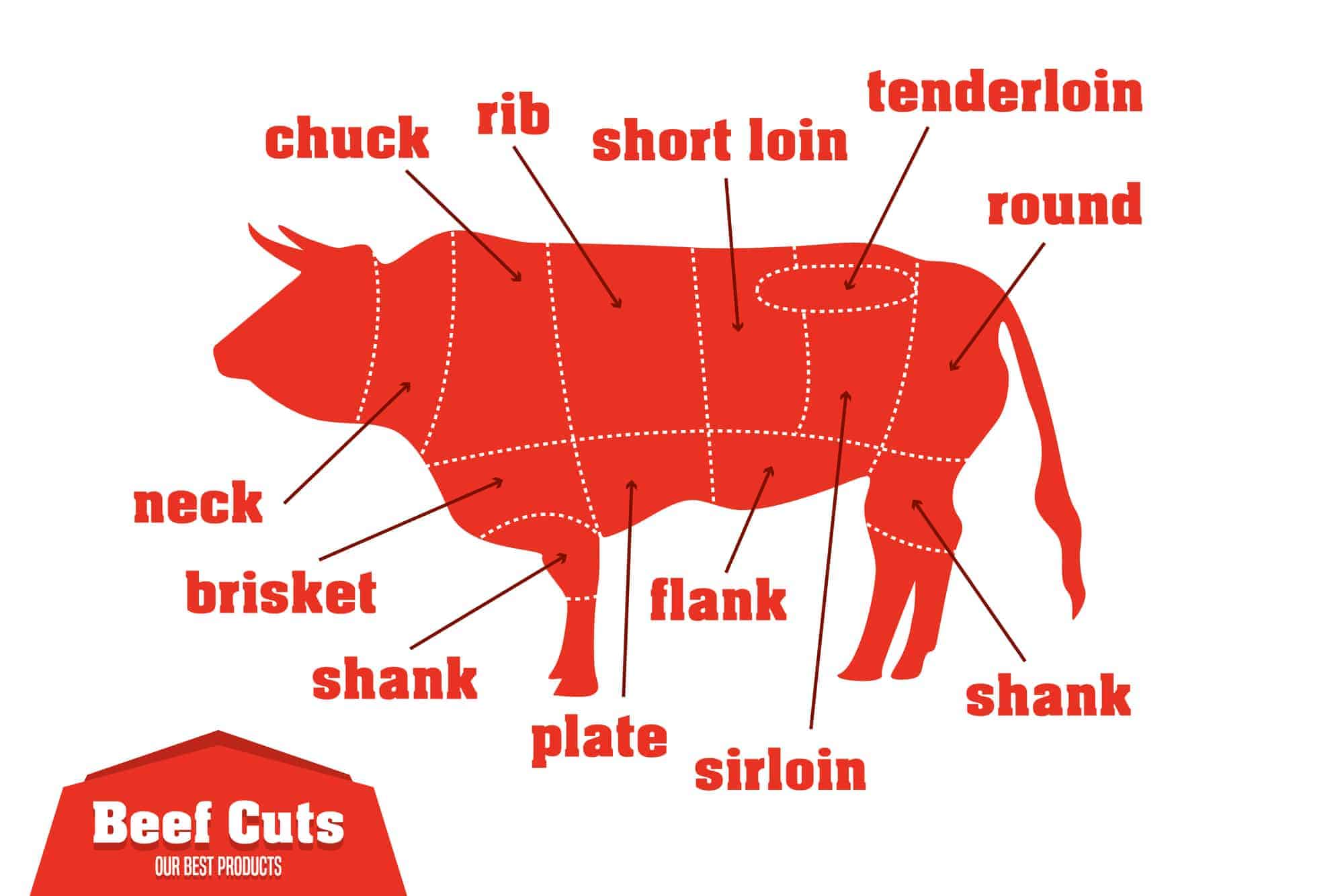
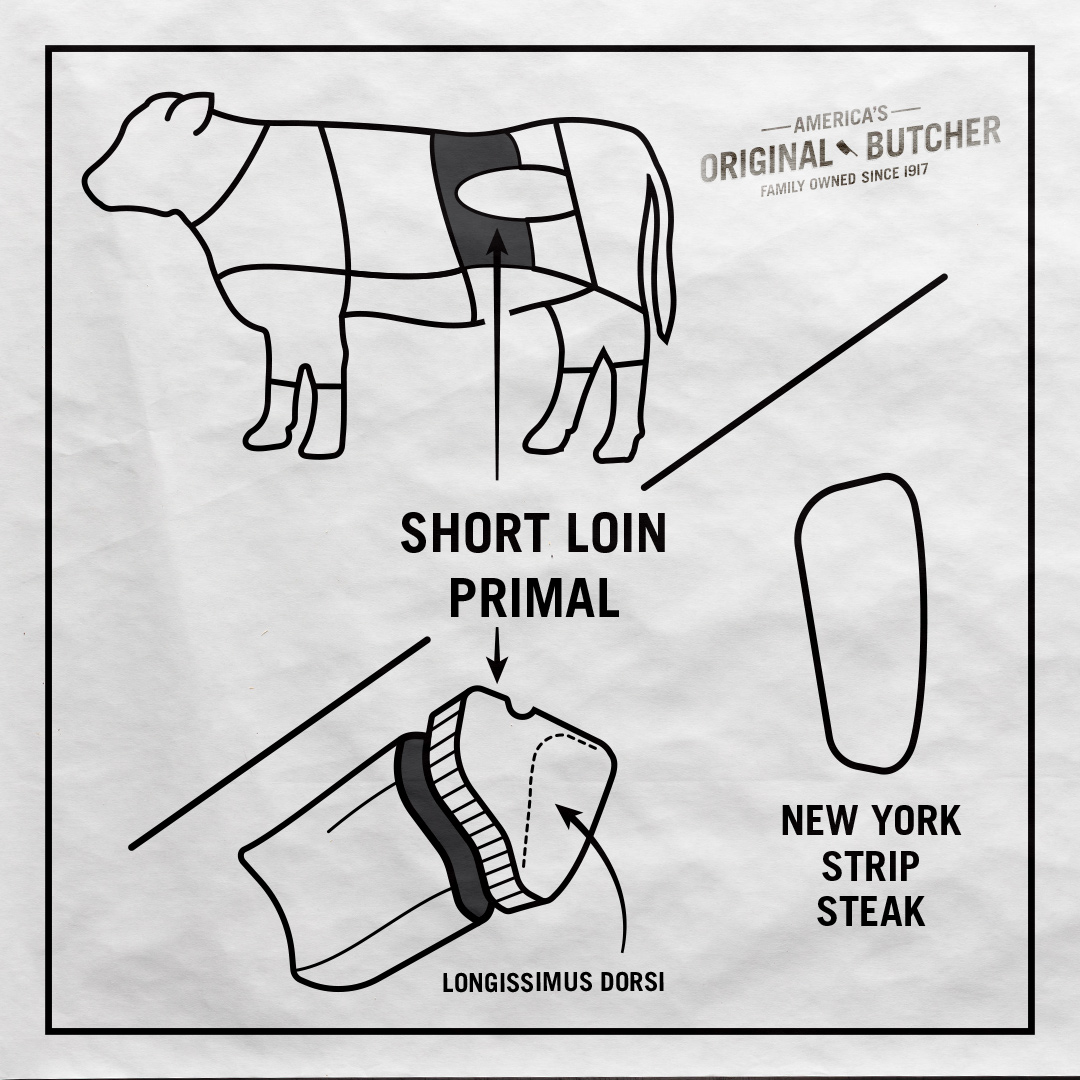
The story of the New York strip begins, as all beef does, with the cow. This particular cut is derived from the loin primal, a section of the animal prized for its tenderness due to minimal muscle use. Specifically, the New York strip steak is harvested from the short loin, a highly desirable area located along the back of the cow, just behind the ribs and before the sirloin.
Anatomy of a Primal Cut
The short loin is a rectangular section of beef that yields several premium steaks, including the renowned T-bone and Porterhouse (which contain a portion of the tenderloin alongside the strip), as well as the strip steak itself. When the short loin is sectioned, typically into steaks about 1 to 1.5 inches thick, the New York strip emerges as a distinct cut. It is characterized by its uniform thickness, firm texture, and a striking line of fat running along one edge. This fat cap is crucial, as it renders down during cooking, basting the meat and contributing significantly to its flavor and juiciness.
Breeds and Terroir: The Influence of Cattle Rearing
While the anatomical location of the cut is universal, the quality and flavor profile of the beef can be influenced by the breed of cattle and the environment in which they are raised. Traditional beef production in the United States, particularly in regions like the Midwest, has long focused on breeds such as Angus and Hereford, known for their excellent marbling and robust flavor.
- Marbling: The intricate web of intramuscular fat is a key determinant of a steak’s tenderness and flavor. Higher marbling leads to a more succulent and flavorful steak, as the fat melts during cooking, infusing the muscle fibers.
- Diet and Pasture: Cattle raised on a grass-fed diet tend to have leaner meat with a more distinct, sometimes herbaceous flavor. Those finished on grains, a practice known as grain-finishing, often develop more pronounced marbling and a richer, buttery taste. The specific grasses, grains, and minerals available in a region, a concept akin to “terroir” in winemaking, can subtly impact the beef’s final characteristics. For instance, cattle grazing in the Great Plains might develop different nuances compared to those raised in the more humid South.
The Steak’s Ascent: From Butcher Shop to Culinary Icon
The New York strip, while a fundamental cut of beef, has also been shaped by culinary trends and the evolution of butchery practices, particularly in its namesake city.
A Tale of Two Cities (and Cuts)
The nomenclature itself offers a hint to its origins. The “New York” designation is widely believed to have emerged from the steakhouses and butchers of New York City. The city, a melting pot of cultures and a hub for culinary innovation, embraced this particular cut for its ideal balance of flavor, texture, and size, making it a signature offering.
Historically, the short loin was a valuable section of the carcass, often reserved for more discerning customers. As butchery became more standardized and restaurants sought to offer distinct, high-quality beef options, the strip steak carved out its niche. It offered a more substantial and robust bite than the filet mignon (tenderloin) but was less bone-in than the ribeye, providing a consistently appealing experience.
Butcher’s Art and Modern Preparation
The skill of the butcher is paramount in transforming the primal short loin into perfectly portioned strip steaks. Precise cutting ensures consistent thickness and the retention of the desirable fat cap. In modern kitchens, chefs often champion the dry-aging process for New York strip steaks.
- Dry-Aging: This technique involves aging beef in a controlled, low-humidity environment for a period ranging from a few weeks to several months. During this time, enzymes naturally break down connective tissues within the muscle, tenderizing the meat. Furthermore, moisture evaporates from the muscle, concentrating the beef’s natural flavors and creating a more intense, nutty, and complex taste profile. This process significantly enhances the appeal of the New York strip, elevating it from a good cut to an exceptional one.
- Cooking Techniques: The versatility of the New York strip allows it to shine with various cooking methods, including grilling, pan-searing, and broiling. Achieving the perfect sear on the exterior while maintaining a tender, juicy interior is the hallmark of a well-executed New York strip steak.
Global Reach and Local Variations
While the “New York” moniker anchors its identity, the New York strip steak is celebrated worldwide, with regional preferences and interpretations shaping its presentation and appreciation.
The American Steakhouse Staple
In the United States, the New York strip is a ubiquitous presence in steakhouses, often served as a standalone entrée. Its popularity stems from its straightforward beefiness and the satisfying textural contrast between the tender meat and the slightly firmer edge. From iconic establishments in Manhattan to independent diners across the nation, the New York strip is a reliable choice for steak aficionados.
International Interpretations
Beyond America, the cut finds favor in various culinary traditions, though it might be known by different names.
- Canada: Similar to the US, the New York strip is a popular choice in Canadian steakhouses.
- United Kingdom: While not as formally designated as “New York strip,” similar cuts are derived from the sirloin or striploin, enjoying significant popularity.
- Australia and New Zealand: Here, the cut is often referred to as the striploin or sirloin steak, and it is a staple in both restaurants and home cooking. The emphasis on quality beef in these countries means that locally sourced striploins are highly prized.
- Europe: In countries like France and Italy, while other cuts might take precedence, the strip steak’s characteristics are recognized and appreciated, often prepared with classic European sauces and accompaniments. The bistro culture in France, for instance, often features simple yet elegant beef preparations.
Regardless of its regional name, the fundamental qualities of the cut – its impressive marbling, tender yet firm texture, and rich beefy flavor – ensure its enduring appeal across continents. It represents not just a meal, but an experience, a testament to careful breeding, skilled butchery, and the universal love for a perfectly prepared steak. The journey from the pasture to the plate of a diner enjoying a New York strip is a rich narrative of agriculture, culinary history, and gastronomic delight.
LifeOutOfTheBox is a participant in the Amazon Services LLC Associates Program, an affiliate advertising program designed to provide a means for sites to earn advertising fees by advertising and linking to Amazon.com. Amazon, the Amazon logo, AmazonSupply, and the AmazonSupply logo are trademarks of Amazon.com, Inc. or its affiliates. As an Amazon Associate we earn affiliate commissions from qualifying purchases.