
When planning a trip to the vast and vibrant state of Texas, understanding its telephone area codes might seem like a minor detail, but it’s a practical piece of knowledge that enhances any traveler’s experience. From reserving a table at a renowned Austin eatery to confirming a hotel booking in Houston, or even simply calling a local attraction in Dallas, knowing the correct area code ensures seamless communication. Texas is a truly enormous state, encompassing diverse landscapes, bustling metropolitan centers, charming small towns, and expansive natural wonders. This geographical diversity is reflected in its numerous area codes, each often corresponding to a specific region or major city, making them an unwitting guide to the state’s intricate geography.
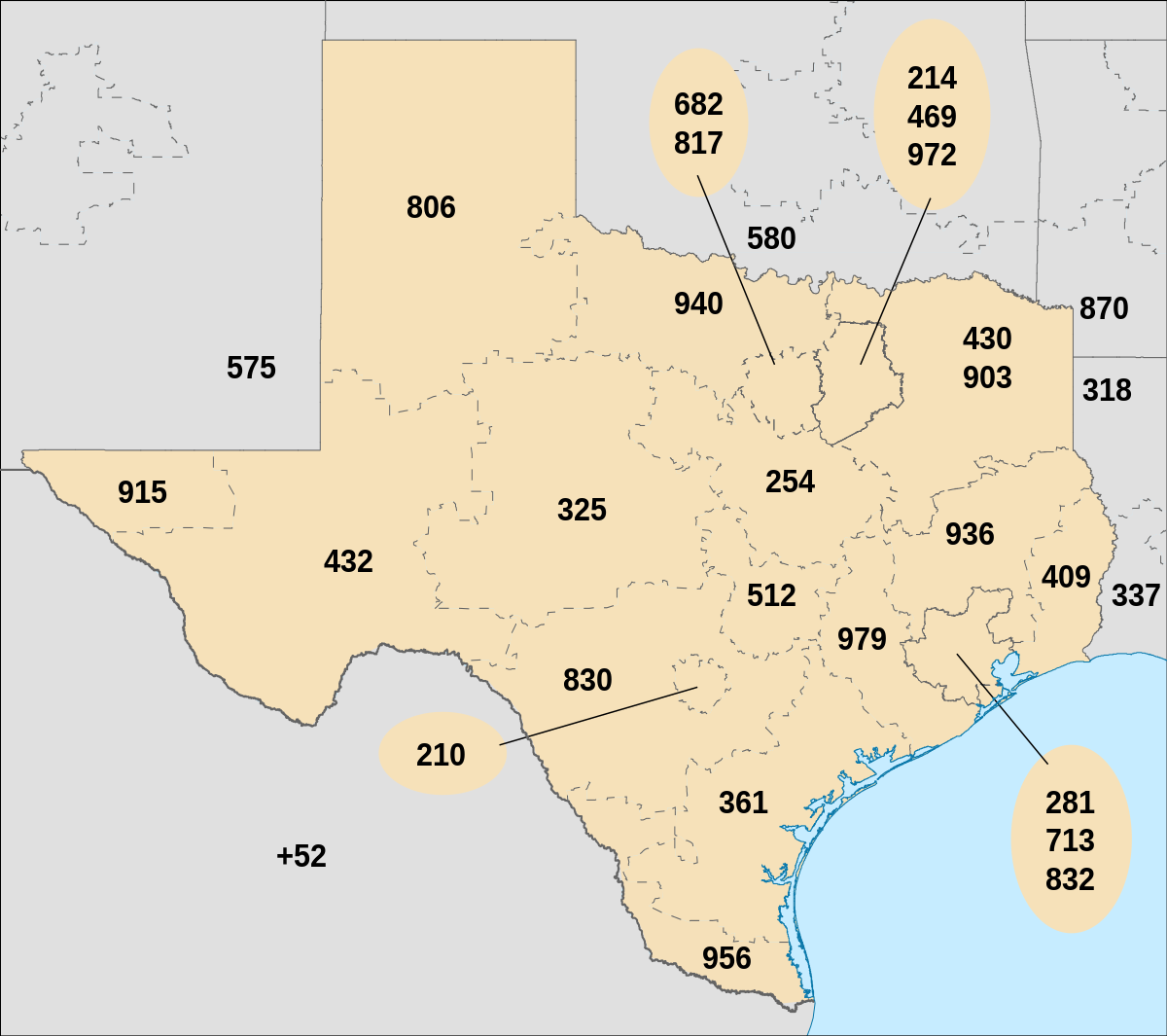
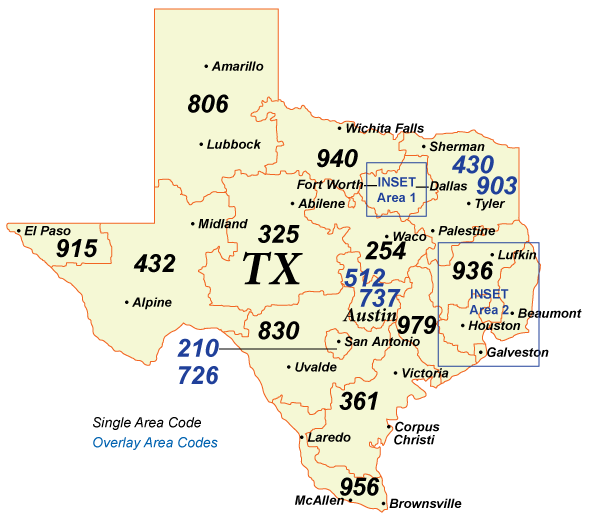
For those wondering, there isn’t just one area code for Texas, but rather a complex overlay of codes necessitated by the state’s massive population and sprawling landmass. The primary area codes you’ll encounter in major travel hubs include 214, 469, 972, 682, and 817 in the Dallas-Fort Worth Metroplex; 512 and 737 for Austin and surrounding Central Texas; 210 and 830 covering San Antonio and parts of the scenic Hill Country; 713, 281, 832, and 346 in the greater Houston area; and 915 for El Paso in West Texas. These are just a few examples of the many codes that map out the Lone Star State. For travelers, these codes offer a geographical shorthand, helping to identify where a particular contact is located and offering insight into the local dialing requirements.
Navigating the Lone Star State: An Introduction to Texas Area Codes for Travelers
Understanding the area codes in Texas is more than just a technicality; it’s a useful tool for planning and executing a smooth journey. As you explore the various destinations, attractions, and accommodations across the state, you’ll inevitably need to make phone calls – whether it’s confirming a reservation at a luxury suite, booking a guided tour of a historic landmark, or simply ordering takeout from a local eatery. Knowing the correct area code ensures that your call connects without a hitch, saving time and potential frustration.
For instance, if you’re planning a trip to the Dallas Arts District and want to book tickets for a performance, you’ll likely encounter a 214, 469, or 972 number. If your itinerary takes you to the historic Alamo or a vibrant resort along the San Antonio River Walk, you’ll be dealing with 210 or 830. And for those venturing to Space Center Houston or exploring the coastal charm of Galveston, 713, 281, 832, 346, or 409 will be your dialing companions.
The proliferation of area codes in Texas is a direct consequence of its rapid growth and vastness. As new residents and businesses have flocked to the state, the demand for telephone numbers has expanded, necessitating the introduction of new area codes, often as overlays within existing ones. This means that in many major metropolitan areas, you might find several area codes serving the same geographical region. For instance, in Houston, dialing a local number often requires including the full 10-digit number (area code + 7-digit number), even if you’re calling within the same city. This is a crucial detail for travelers to remember to avoid connection issues.
Beyond mere communication, these area codes also serve as subtle indicators of regional identity. While the cultural tapestry of Texas is rich and varied across the entire state, certain codes instantly bring to mind distinct images and experiences, from the cowboy culture of Fort Worth to the live music scene of Austin or the international commerce of Houston. As we delve deeper into specific regions, you’ll see how area codes align with the unique travel opportunities each part of Texas offers.
The Geographic Tapestry of Texas and Its Corresponding Area Codes
Texas’s enormous size means that its geography is incredibly diverse, ranging from eastern pine forests to western deserts, and from the northern plains to the southern Gulf Coast. Each region boasts its own character, attractions, and, naturally, its own set of area codes. Understanding these regional distinctions is key to planning a fulfilling travel experience, whether you’re seeking a bustling urban adventure, a serene natural retreat, or a deep dive into local culture.
North Texas: The Urban Sprawl and Beyond
North Texas is anchored by the sprawling Dallas-Fort Worth Metroplex, one of the largest metropolitan areas in the United States. This vibrant region is a hub for business, culture, and entertainment, attracting millions of visitors annually.
The primary area codes you’ll encounter here are:
- 214, 469, 972: Primarily serving Dallas and many of its northern suburbs like Plano and Frisco.
- 817, 682: Covering Fort Worth and its western suburbs.
Travelers to Dallas can explore the impressive Dallas Arts District, home to world-class museums and performance venues. The Dallas World Aquarium and Klyde Warren Park offer family-friendly attractions, while Uptown Dallas boasts luxury shopping and fine dining. Accommodation options range from high-rise business hotels in Downtown Dallas to boutique stays in trendy neighborhoods. For a different vibe, Fort Worth offers an authentic Western experience at the Fort Worth Stockyards National Historic District, complete with cattle drives and rodeo shows. The city also hosts the renowned Kimbell Art Museum and Bass Performance Hall. Whether you’re seeking a sophisticated urban lifestyle or a taste of the Old West, North Texas delivers. Many resorts and hotels in these areas offer excellent amenities, from sprawling suites to family-friendly facilities, catering to both business travelers and those on leisure trips.
Central Texas: Capital Charm and Hill Country Beauty
Central Texas is a captivating region known for its vibrant capital city, Austin, and the picturesque Hill Country. This area blends metropolitan flair with natural beauty, making it a favorite for many tourists.
Key area codes here include:
- 512, 737: Primarily serving Austin and many surrounding communities. The 737 code is an overlay for 512, reflecting Austin’s explosive growth.
- 210, 830: Covering San Antonio and extending into much of the Hill Country to the west and north.
- 254: Encompassing cities like Waco and Killeen.
Austin, the “Live Music Capital of the World,” is a magnet for travelers seeking a unique blend of culture, food, and outdoor activities. Visitors can explore the Texas State Capitol, enjoy kayaking on Lady Bird Lake, or catch a show on Sixth Street. The city is renowned for its food truck scene and boasts numerous boutique hotels and luxury accommodations. South of Austin lies San Antonio, a city rich in history and charm. The iconic Alamo and the enchanting San Antonio River Walk are must-visit landmarks. The city’s Spanish colonial missions, now a UNESCO World Heritage Site, offer a deep dive into Texas’s past. The Hill Country itself is dotted with wineries, charming small towns, and scenic drives, perfect for a relaxing getaway. Options for accommodation in Central Texas range from historic hotels and resorts along the River Walk to rustic cabins and luxury villas nestled in the hills. Further north, Waco draws visitors to Magnolia Market at the Silos, a popular destination for lifestyle and home decor enthusiasts.
Southeast Texas: Coastal Vibes and Bayou Rhythms
Southeast Texas is dominated by the sprawling metropolis of Houston, a global city known for its energy industry, diverse culture, and impressive museums. Eastward, the region extends to the Gulf Coast and its charming beach towns.
Area codes for this region include:
- 713, 281, 832, 346: These codes form a dense overlay covering the vast Houston metropolitan area.
- 409: Primarily serves Galveston and Beaumont, extending to the eastern border with Louisiana.
Houston offers an array of attractions, from the awe-inspiring Space Center Houston to the cultural riches of the Houston Museum District, which includes the Museum of Fine Arts and the Houston Museum of Natural Science. Foodies will delight in Houston’s incredibly diverse culinary scene, offering everything from authentic international cuisine to award-winning fine dining. The city caters to all accommodation needs, from luxury hotels in Downtown Houston and the Galleria area to serviced apartments for extended stays. For a coastal escape, Galveston Island provides historic charm with its Victorian architecture, beautiful beaches, and family-friendly attractions like the Galveston Island Historic Pleasure Pier and Moody Gardens. Resorts and beachfront rentals are popular choices here, offering a different kind of Texas lifestyle.

West Texas and The Panhandle: Deserts, Ranches, and Big Skies
Journeying west reveals a dramatic shift in landscape, characterized by vast deserts, rugged mountains, and expansive ranchlands. This region offers unparalleled opportunities for outdoor adventures and a glimpse into the authentic cowboy lifestyle.
Prominent area codes include:
- 915: Exclusively serving El Paso, a city nestled at the foot of the Franklin Mountains on the border with Mexico.
- 806: Covering the Texas Panhandle, including cities like Lubbock and Amarillo.
- 432: Serving West Texas proper, encompassing towns such as Midland and Odessa, and extending to the remote reaches of Big Bend National Park.
El Paso offers a rich blend of American and Mexican cultures, with historic missions, vibrant markets, and scenic hiking trails in the Franklin Mountains State Park. Accommodation options range from modern hotels to charming historic inns. The Texas Panhandle is home to the stunning Palo Duro Canyon State Park, often called the “Grand Canyon of Texas,” perfect for hiking and camping. In Amarillo, don’t miss the quirky Cadillac Ranch or a hearty steak challenge. Lubbock is known as the birthplace of Buddy Holly and offers a vibrant music scene and several wineries. For the ultimate outdoor adventure, Big Bend National Park and Guadalupe Mountains National Park in deep West Texas offer breathtaking landscapes, stargazing, and challenging trails for experienced hikers. Accommodation here often involves rustic lodges, campgrounds, or small-town motels, emphasizing a budget-friendly yet immersive nature experience. For those seeking unique experiences, many ranches offer guest stays, providing an authentic taste of the Texan cowboy lifestyle.
Practical Tips for Travelers: Understanding Texas Area Codes and Communication
For travelers visiting Texas, understanding the nuances of dialing can prevent minor inconveniences. With the widespread implementation of area code overlays, 10-digit dialing (area code + 7-digit number) is often mandatory for all calls, even local ones, within many regions of the state. It’s always a good practice to dial the full 10 digits to ensure your call connects. This applies whether you’re contacting a hotel concierge, reserving a table at a restaurant, or booking an experience at a local attraction.
If you are an international traveler, remember to dial the United States country code (+1) before the 10-digit Texas number. Most modern mobile phones automatically handle international dialing prefixes when you save numbers with the country code, but it’s wise to double-check. When booking accommodations or tours online, pay close attention to the contact numbers provided; they will almost always include the area code. Saving these numbers in your phone with the full country code and area code (e.g., +1-214-XXX-XXXX) will streamline communication.
For emergencies, regardless of where you are in Texas, simply dial 911 for immediate assistance from police, fire, or medical services. This number is universal and does not require an area code.
Staying connected while traveling is crucial for safety and convenience. Whether you rely on your mobile phone for GPS navigation, checking hotel reviews, or finding local tourist information, knowing the area code of your destination can also give you a quick geographic reference point. For example, if you receive a call from an 806 number, you’ll immediately know it’s likely from someone in the Panhandle, perhaps a local guide or your accommodation in Amarillo.
Moreover, for those engaging in business travel, having a clear grasp of regional area codes can be particularly valuable for networking and coordinating meetings across the vast distances of Texas. It’s a small detail that projects professionalism and familiarity with the local environment.
Beyond the Codes: Planning Your Perfect Texas Itinerary
While area codes might seem like a technical detail, they serve as a practical foundation for understanding the geographical layout of Texas and, by extension, planning your travels. By recognizing the major area codes associated with each region, travelers can better visualize their journey and compartmentalize their itineraries. Whether you’re considering a luxury travel experience in Dallas, a budget-friendly road trip through the Hill Country, a family trip to the coastal attractions of Galveston, or a solo adventure exploring the vast natural landscapes of Big Bend, understanding these regional identifiers can be surprisingly helpful.
Texas truly offers something for everyone. Its diverse tourism offerings range from the vibrant local culture and acclaimed food scenes of its major cities to the tranquil beauty of its state and national parks. You can immerse yourself in history at the Alamo, enjoy world-class shopping in Houston’s Galleria, dance to live music in Austin, or witness a genuine cattle drive in Fort Worth. The accommodation options are equally varied, from opulent five-star hotels and all-suite resorts to charming bed and breakfasts, vacation rentals, and even long-term stay apartments for those who wish to linger.
When planning your journey, consider grouping destinations by their area codes or regions to minimize travel time and maximize your experience. For example, a trip focused on Central Texas could seamlessly combine Austin (512/737) and San Antonio (210/830), with excursions into the picturesque Hill Country between them. A tour of North Texas could cover Dallas (214/469/972) and Fort Worth (817/682), delving into both urban sophistication and Western heritage.
Ultimately, while the question “What is the area code for Texas in USA?” leads to a mosaic of numbers, each one points to a unique corner of this remarkable state, brimming with unforgettable experiences. So, arm yourself with this practical knowledge, pick your desired destinations, and prepare for an incredible adventure in the Lone Star State. Remember to always verify any specific dialing instructions or local requirements before your trip, ensuring that your communication flows as smoothly as your travels.
LifeOutOfTheBox is a participant in the Amazon Services LLC Associates Program, an affiliate advertising program designed to provide a means for sites to earn advertising fees by advertising and linking to Amazon.com. Amazon, the Amazon logo, AmazonSupply, and the AmazonSupply logo are trademarks of Amazon.com, Inc. or its affiliates. As an Amazon Associate we earn affiliate commissions from qualifying purchases.