
Nestled on the southwestern tip of the Borough of Brooklyn, Coney Island stands as a vibrant and iconic destination, a testament to American amusement and seaside recreation. More than just a geographical location, it represents a cultural touchstone, a place where generations have sought thrills, laughter, and the salty air of the Atlantic Ocean. Its identity is deeply intertwined with the history of New York City, offering a unique blend of nostalgic charm and contemporary entertainment. To truly understand “Where is Coney Island New York?”, one must delve into its physical placement, its historical significance, and the enduring allure that draws millions of visitors each year.
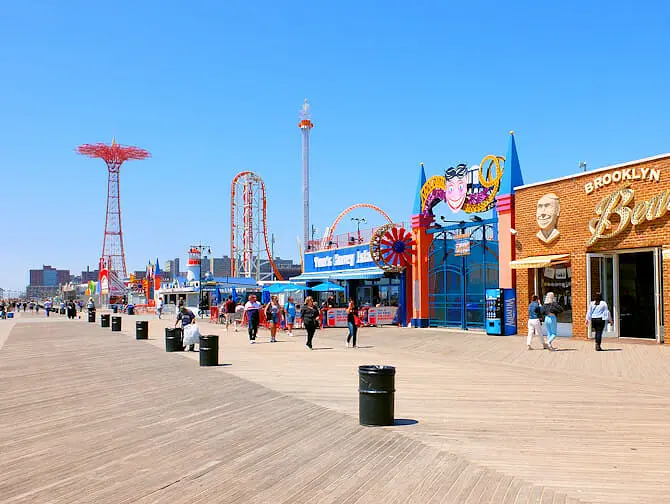
A Coastal Enclave Within a Metropolis
Geographically, Coney Island is a peninsula jutting into the Atlantic Ocean. It is part of the Gravesend neighborhood in southern Brooklyn, approximately 6 miles southwest of the geographic center of Brooklyn and about 10 miles from Lower Manhattan. Its boundaries are defined by the Coney Island Creek to the north, the Atlantic Ocean to the south, and Brighton Beach to the east, with Sea Gate to the west. This coastal positioning is fundamental to its character, providing the picturesque backdrop for its renowned amusement attractions and beaches.
Accessibility and Transportation
Reaching Coney Island is remarkably straightforward, even for those unfamiliar with New York City. The most iconic and popular method of arrival is via the New York City Subway. Several subway lines terminate directly at the Coney Island–Stillwell Avenue station, a major transportation hub. These lines include the D, F, N, and Q trains, offering direct access from various parts of Manhattan and Queens.
Subway Routes:
- D Train: Travels from the Bronx, through Manhattan, and terminates at Coney Island.
- F Train: Connects Queens and Manhattan to the peninsula.
- N Train: A popular route from Queens and Manhattan, also ending its journey here.
- Q Train: Offers service from Midtown Manhattan and other Brooklyn neighborhoods.
The Coney Island–Stillwell Avenue station itself is a landmark, a sprawling complex that has been serving visitors for decades. Its arrival signifies the beginning of the Coney Island experience, with the vibrant sounds and sights of the boardwalk just steps away.
Beyond the subway, Coney Island is also accessible by bus. Numerous MTA bus routes serve the area, providing convenient connections for local residents and those coming from neighborhoods not directly served by the subway lines that terminate at Stillwell Avenue.
For those who prefer to drive, parking is available, though it can be limited during peak season. Drivers should be aware of potential traffic congestion, especially on weekends and holidays. Navigating the streets of Brooklyn to reach the southern tip requires some attention, but the destination is well worth the journey.
A Historical Beacon of American Entertainment
The “where” of Coney Island is inextricably linked to its past. From its origins as a tranquil seaside retreat in the 19th century, it rapidly evolved into the world’s largest amusement resort at the turn of the 20th century. Its transformation from sleepy coastal village to a bustling entertainment mecca is a defining chapter in American popular culture.
From Secluded Resort to Thrill Capital
In the early 1800s, Coney Island was a sparsely populated area known for its natural beauty and secluded beaches. Wealthy New Yorkers would retreat here for its tranquility. However, the advent of railroads and streetcars in the mid-19th century began to democratize access. By the late 19th century, developers recognized the immense potential of its vast coastline and proximity to a burgeoning New York City.
The late 19th and early 20th centuries saw the rise of grand amusement parks like Sea Lion Park (1895) and Steeplechase Park (1897). These were followed by iconic establishments such as Luna Park (1903), with its dazzling electric lights and fantastical architecture, and Dreamland (1904), which offered a more exotic and sometimes risqué experience. The centerpiece of this golden era was the Wonder Wheel (1920), a towering Ferris wheel offering panoramic views, and the legendary Coney Island Cyclone (1927), a wooden roller coaster that continues to thrill riders to this day.
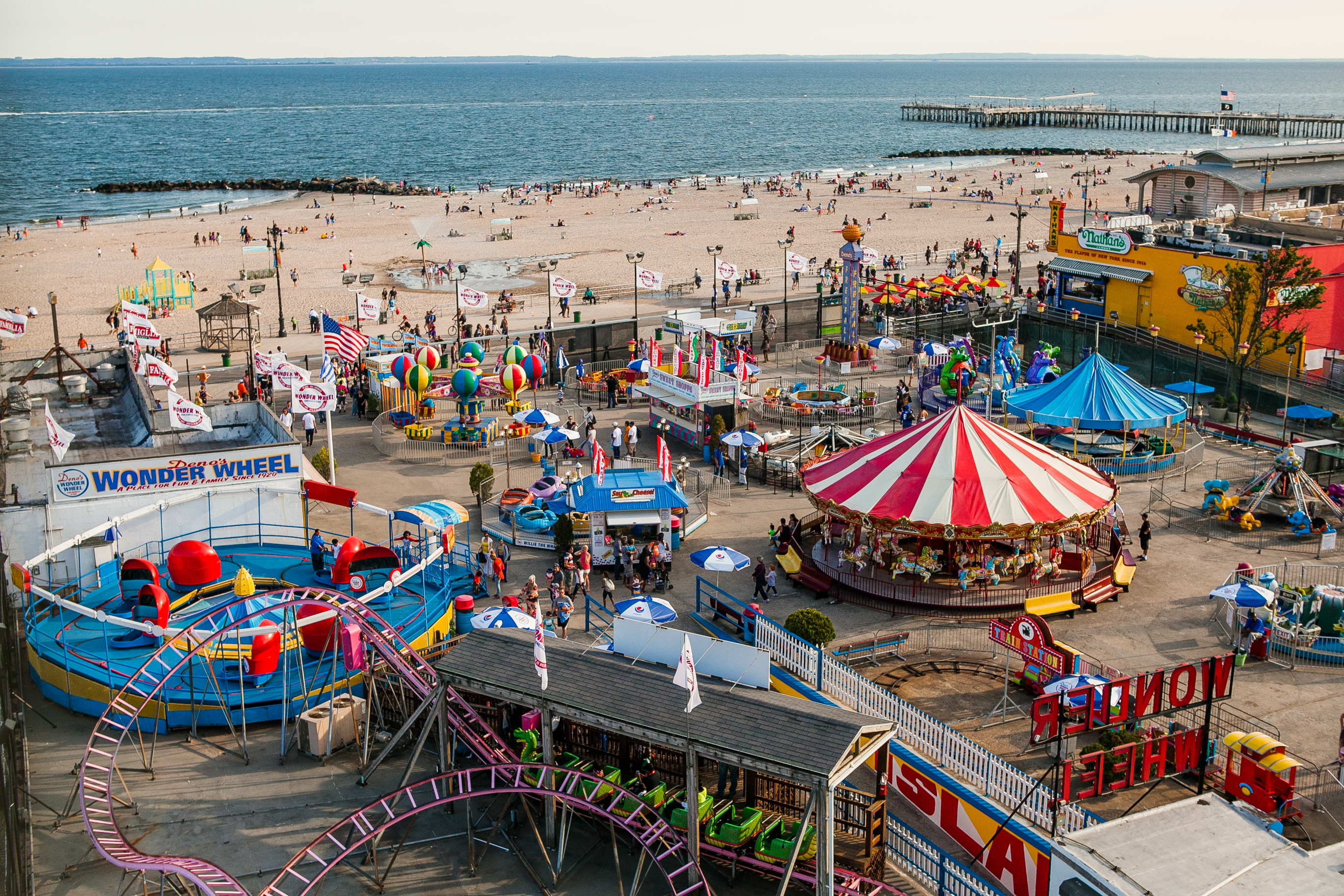
This period cemented Coney Island as a destination for millions, a place where families and individuals from all walks of life could escape the urban grind and indulge in pure, unadulterated fun. It was a melting pot of cultures and social classes, united by the common pursuit of pleasure.
Decline and Revival
Like many classic amusement areas, Coney Island experienced a period of decline in the latter half of the 20th century. The rise of suburbanization, the proliferation of theme parks further afield, and changing entertainment preferences led to a decrease in visitor numbers and the eventual closure of many beloved attractions. By the 1980s and 1990s, much of the area had fallen into disrepair, a shadow of its former glorious self.
However, the spirit of Coney Island proved resilient. In the early 2000s, a concerted effort was made to revitalize the area. The city government and private developers worked together to bring back classic rides, introduce new attractions, and restore the iconic boardwalk. Today, Coney Island is experiencing a renaissance, with the return of amusement parks like Luna Park and Deno’s Wonder Wheel Amusement Park, alongside new developments that respect its rich heritage.
An Enduring Appeal: More Than Just Rides
The question “Where is Coney Island New York?” also prompts an exploration of what makes it such a persistent draw. Beyond its physical coordinates and historical narrative, it’s the unique atmosphere, the diverse attractions, and the palpable sense of community that define its enduring appeal.
The Iconic Boardwalk and Beaches
The Coney Island Boardwalk is a vital artery of the peninsula. Stretching for miles, it’s a place for strolling, people-watching, and soaking in the lively ambiance. Lined with food vendors, souvenir shops, and the entrances to amusement parks, it’s the pulsating heart of the destination.
Adjacent to the boardwalk are the vast sands of Coney Island Beach and Manhattan Beach. These public beaches offer a classic New York seaside experience, where locals and tourists alike come to swim, sunbathe, build sandcastles, and escape the summer heat. The sound of the waves mingling with the distant screams from roller coasters creates a distinct sensory experience.
Amusement Parks and Attractions
The soul of Coney Island lies in its amusement parks. Luna Park, named after its historic predecessor, offers a modern take on thrills with a collection of roller coasters, thrill rides, and family-friendly attractions. Adjacent to it, Deno’s Wonder Wheel Amusement Park is home to the beloved Wonder Wheel and the historic Coney Island Cyclone, a national historic landmark.
Other significant attractions contribute to the diverse offerings:
- New York Aquarium: Located on the western edge of the peninsula, this institution provides a fascinating glimpse into marine life, from sharks and sea lions to penguins and local aquatic ecosystems.
- Coney Island USA: A cultural organization dedicated to preserving and promoting the unique heritage of Coney Island, it hosts the famous Mermaid Parade and the Nathan’s Hot Dog Eating Contest.
- MCU Park: Home to the Brooklyn Cyclones minor league baseball team, adding a sporting element to the summer entertainment landscape.
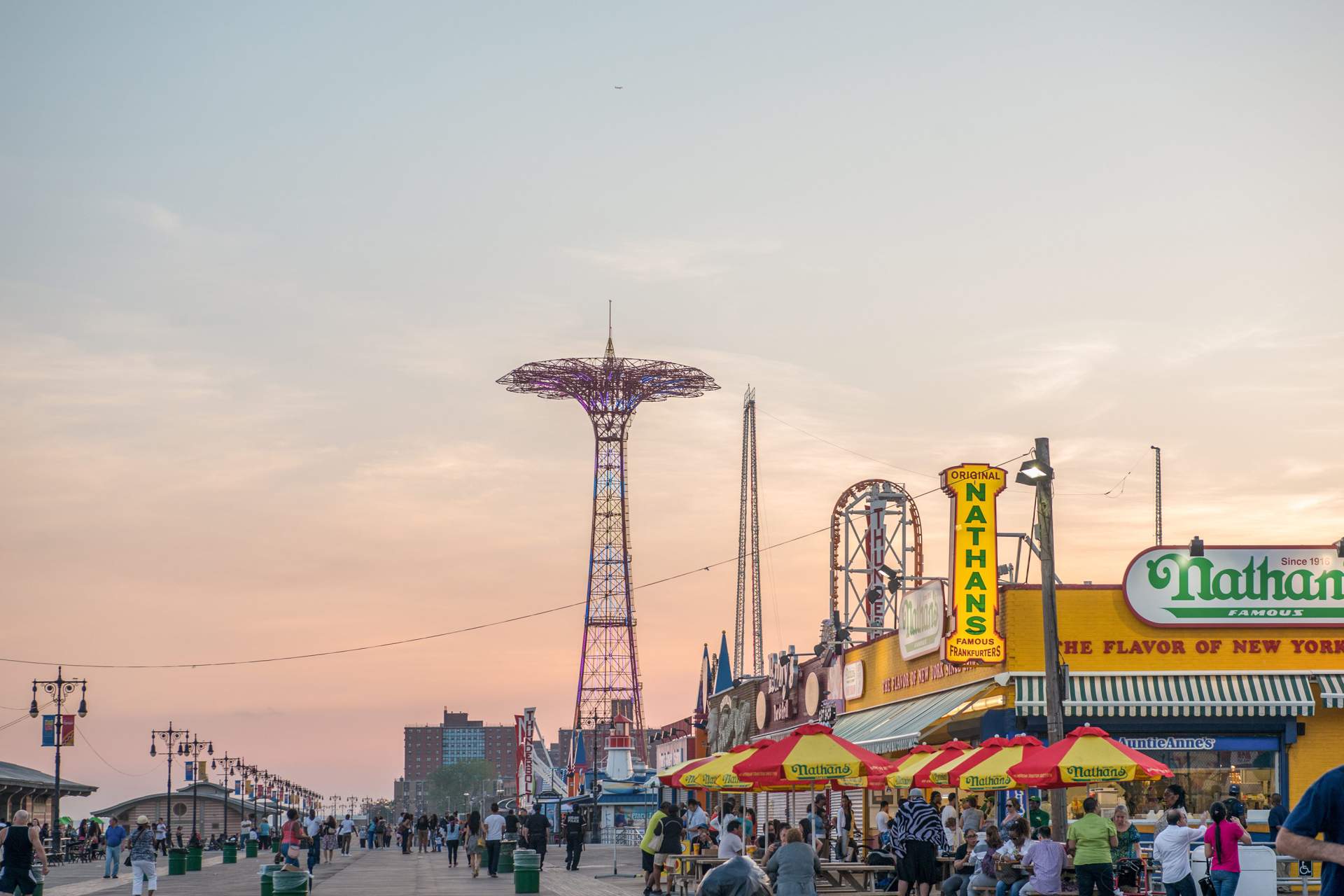
Culinary Delights
No visit to Coney Island is complete without indulging in its classic culinary offerings. The undisputed king of Coney Island cuisine is the Nathan’s Famous Hot Dog. Founded in 1916, the original Nathan’s stand remains a pilgrimage site for hot dog enthusiasts. Beyond hot dogs, visitors can find a plethora of classic boardwalk fare, including cotton candy, popcorn, funnel cakes, and an array of seafood options. The diverse culinary landscape reflects the melting pot of New York City itself.
In essence, “Where is Coney Island New York?” is a question that extends far beyond a simple address. It’s an invitation to explore a historic playground, a vibrant beachside community, and an enduring symbol of American fun and festivity, situated at the very edge of one of the world’s greatest cities.
LifeOutOfTheBox is a participant in the Amazon Services LLC Associates Program, an affiliate advertising program designed to provide a means for sites to earn advertising fees by advertising and linking to Amazon.com. Amazon, the Amazon logo, AmazonSupply, and the AmazonSupply logo are trademarks of Amazon.com, Inc. or its affiliates. As an Amazon Associate we earn affiliate commissions from qualifying purchases.