
The High Line in New York City is not just a park; it’s a vibrant testament to urban renewal, a beloved public space, and a quintessential New York experience. This elevated linear park, built on a historic freight rail line, offers a unique perspective on the cityscape, weaving through the Chelsea and Meatpacking District neighborhoods. Its creation transformed an abandoned industrial relic into a thriving cultural and recreational hub, attracting millions of visitors annually. Understanding its location is the first step to experiencing its magic.
Locating The High Line: A Neighborhood Exploration
The High Line stretches across three distinct Manhattan neighborhoods, each offering a unique character and points of access. Its western edge runs parallel to the Hudson River, providing glimpses of the water and the sweeping New Jersey skyline. The park’s design thoughtfully integrates with the urban fabric, with numerous entry points allowing visitors to hop on and off at their leisure.

Southern Terminus: Gansevoort Street
The southern end of the High Line begins at Gansevoort Street in the Meatpacking District. This area is known for its trendy boutiques, high-end restaurants, and historic cobblestone streets, remnants of its past as a hub for the meatpacking industry. The entrance here is at street level, offering a gentle introduction to the elevated pathway. Visitors emerging from the subway at the 14th Street-8th Avenue station will find themselves within easy walking distance. This southern section often feels more intimate, with lush plantings and seating areas inviting quiet contemplation.
Midpoint Access: 14th Street and Beyond
As the High Line extends northward, it becomes more integrated with the art galleries and studios that define Chelsea. 14th Street serves as a major thoroughfare and a key access point, with a prominent entrance that allows visitors to ascend to the park. From here, the path unfolds into wider promenades, punctuated by art installations and diverse landscaping. Several other access points are scattered between 14th Street and 20th Street, typically via staircases and elevators, making it accessible for all. This section offers broader vistas of the surrounding architecture and the bustling city life below.
Northern Terminus: 34th Street and Hudson Yards
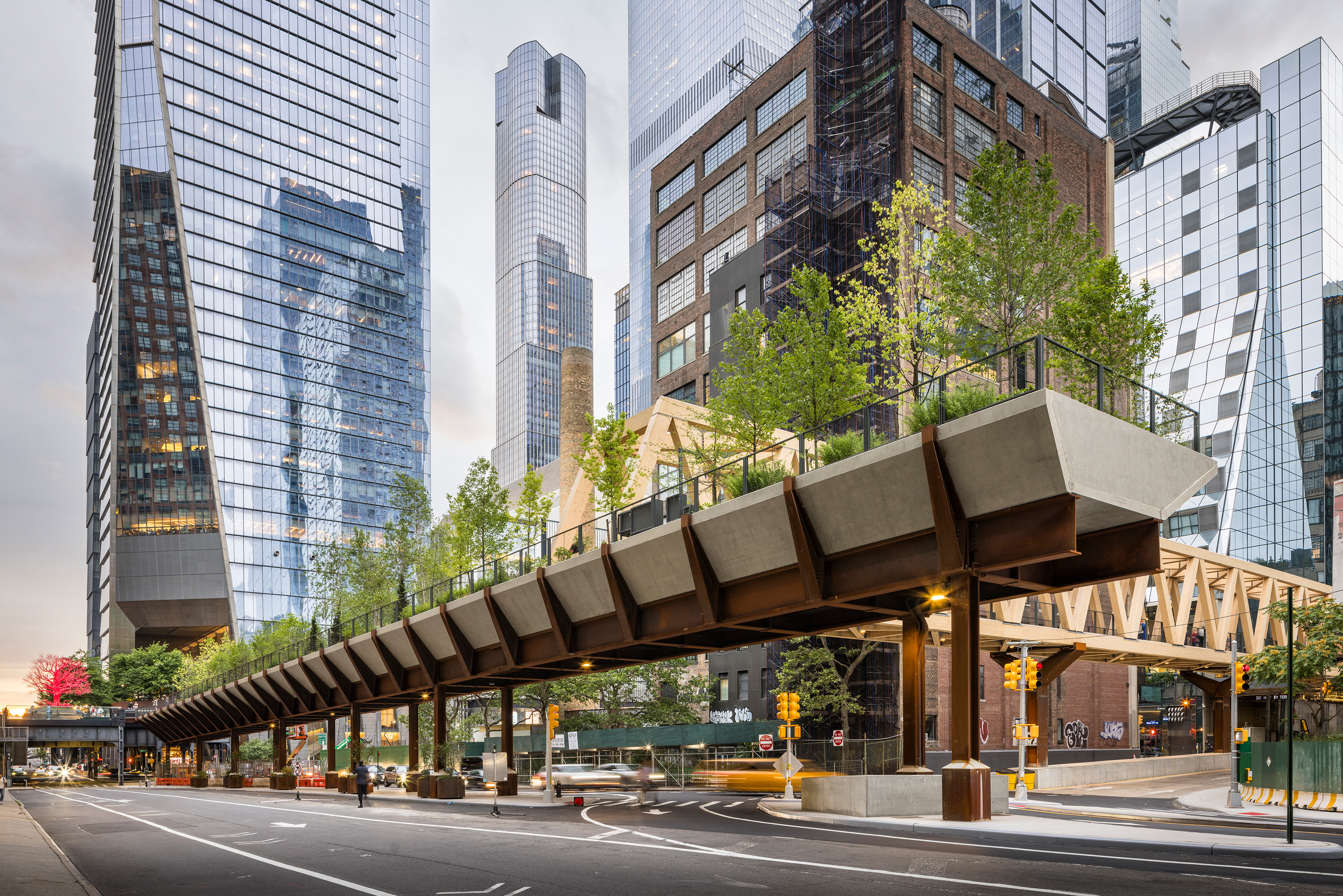
The northernmost section of the High Line culminates at 34th Street in the rapidly developing Hudson Yards neighborhood. This modern extension connects directly to the impressive Shops at Hudson Yards and The Vessel, a striking interactive structure. The entrance at 34th Street is particularly notable for its dramatic design, featuring expansive platforms and sweeping views. This area showcases a fascinating juxtaposition of the old industrial infrastructure of the High Line against the sleek, contemporary architecture of Hudson Yards.
Navigating The High Line: Access and Transportation
Reaching the High Line is straightforward, with multiple transportation options available. Its central location in west Manhattan makes it easily accessible from various parts of New York City.
Subway Connections
The most popular and convenient way to reach the High Line is by subway. Several lines stop within blocks of its entrances:
- A, C, E, L trains to 14th Street-8th Avenue station. From here, it’s a short walk to the Gansevoort Street entrance or to access the 14th Street access point.
- 1, 2, 3, A, C, E, L trains to the 14th Street station on 7th Avenue or 8th Avenue.
- A, C, E trains to the 23rd Street station.
- 1, 2, 3 trains to the 23rd Street station.
- 7 train to the 34th Street-Hudson Yards station.
Bus Routes
Numerous bus lines also serve the High Line and its surrounding neighborhoods. Routes like the M11, M14A, M14D, M20, M23, and M34 all have stops near various access points. Checking the MTA website for the most current routes and schedules is recommended.
Walking and Biking
For those already exploring the west side of Manhattan, walking or biking to the High Line is a pleasant option. The park is part of a network of pedestrian-friendly streets and bike lanes. Bicycle parking is available at various points along the path, and cycling is permitted on the Hudson River Greenway, which runs parallel to the High Line for much of its length.
Experiencing The High Line: Beyond Just Location
The High Line is more than just a place to walk; it’s an immersive experience. Its design is a masterclass in blending nature, art, and urban architecture.
Landscape and Flora
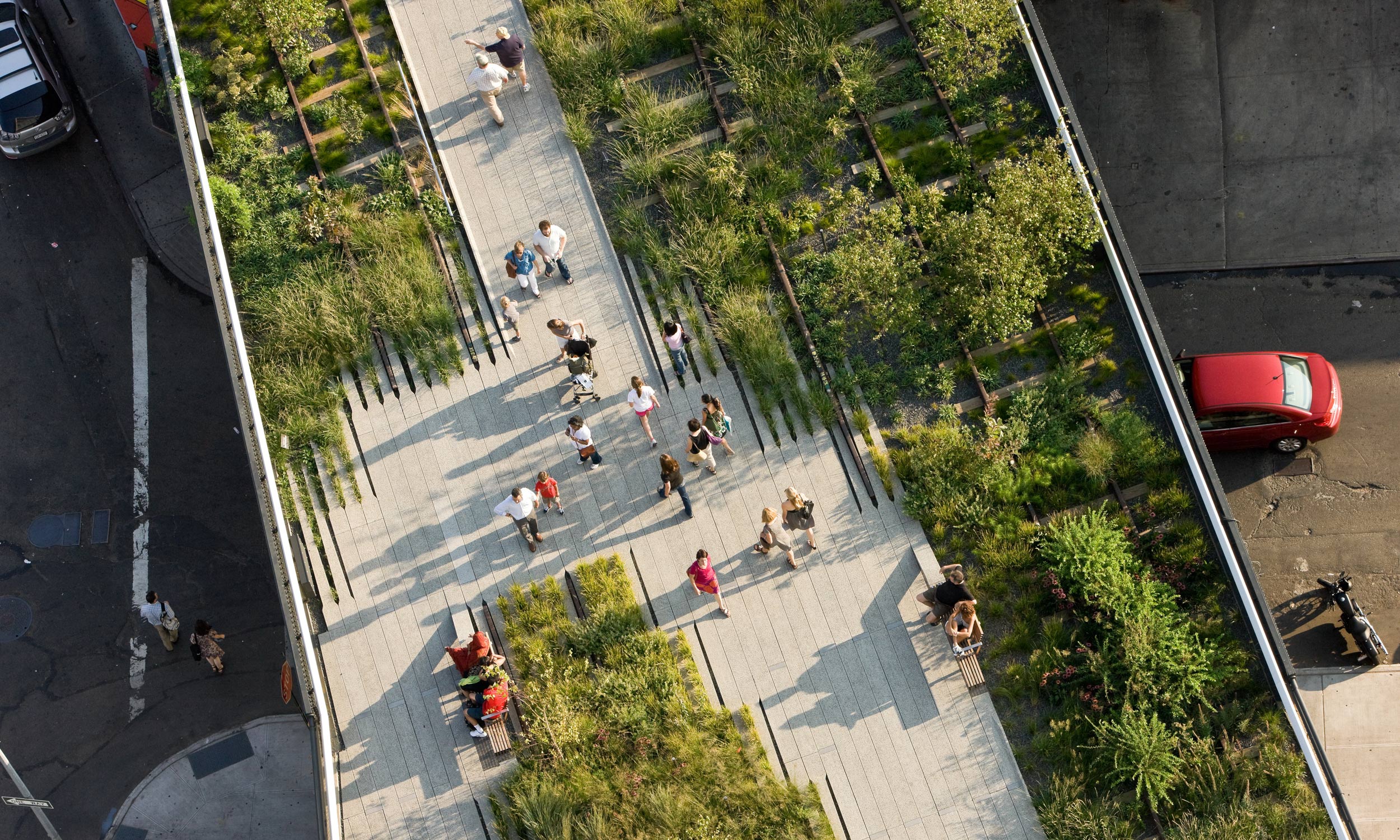
Designed by James Corner Field Operations, the park’s landscaping is a meticulously curated ecosystem that changes with the seasons. Wildflower meadows, ornamental grasses, and hardy perennials create a lush, naturalistic feel, evoking the wild vegetation that had begun to reclaim the disused rail tracks before the park’s inception. Benches and seating areas are thoughtfully placed to encourage visitors to pause and enjoy the scenery.
Public Art
Art is an integral part of the High Line experience. Rotating installations, permanent commissions, and performances are featured throughout the park, curated by High Line Art. These pieces range from sculpture and murals to video projections and performance art, adding a dynamic cultural layer to the visitor’s journey. The art is often site-specific, engaging with the history and context of the location.
Views and Architecture
One of the most compelling aspects of the High Line is its elevated perspective. It offers unparalleled views of the surrounding neighborhoods, including the historic brownstones of Chelsea, the industrial remnants of the Meatpacking District, and the futuristic skyline of Hudson Yards. The contrast between the park’s natural beauty and the diverse architectural styles is a constant source of visual interest.
Planning Your Visit
To make the most of your visit to the High Line, consider a few practical tips.
Best Times to Visit
The High Line is open year-round, but the experience varies with the seasons. Spring and fall offer pleasant temperatures and stunning foliage. Summer is vibrant and lively, though it can be crowded and warm. Winter provides a unique, serene atmosphere with frost-kissed plantings. Weekday mornings and evenings tend to be less crowded than weekends and midday.
Amenities and Facilities
Restrooms are available at various points along the park, particularly near the Gansevoort Street, 14th Street, and 34th Street entrances. Food vendors and cafés are also dotted along the route, offering refreshments. Benches, seating areas, and water fountains are plentiful.
Accessibility
The High Line is designed to be accessible to everyone. Elevators are available at most of the major access points, allowing wheelchair users and those with strollers to navigate the park with ease. The pathways are generally wide and well-maintained.
In conclusion, the High Line is a remarkable urban park located on Manhattan’s west side, stretching from Gansevoort Street to 34th Street. Its unique elevated design, combined with its lush landscapes, public art, and stunning city views, makes it an unmissable destination for anyone visiting New York City. Whether you’re a local or a tourist, exploring this innovative public space offers a fresh perspective on one of the world’s most dynamic cities.
LifeOutOfTheBox is a participant in the Amazon Services LLC Associates Program, an affiliate advertising program designed to provide a means for sites to earn advertising fees by advertising and linking to Amazon.com. Amazon, the Amazon logo, AmazonSupply, and the AmazonSupply logo are trademarks of Amazon.com, Inc. or its affiliates. As an Amazon Associate we earn affiliate commissions from qualifying purchases.