
The Upper East Side of New York City is a legendary enclave, synonymous with wealth, culture, and a certain refined elegance. More than just a geographic location, it represents a distinct facet of the city’s identity, drawing visitors and residents alike into its sophisticated embrace. To truly understand where the Upper East Side is, one must delve into its precise boundaries, its iconic landmarks, its vibrant cultural institutions, and the unique lifestyle it embodies.
Defining the Borders: A Geographical and Social Landscape
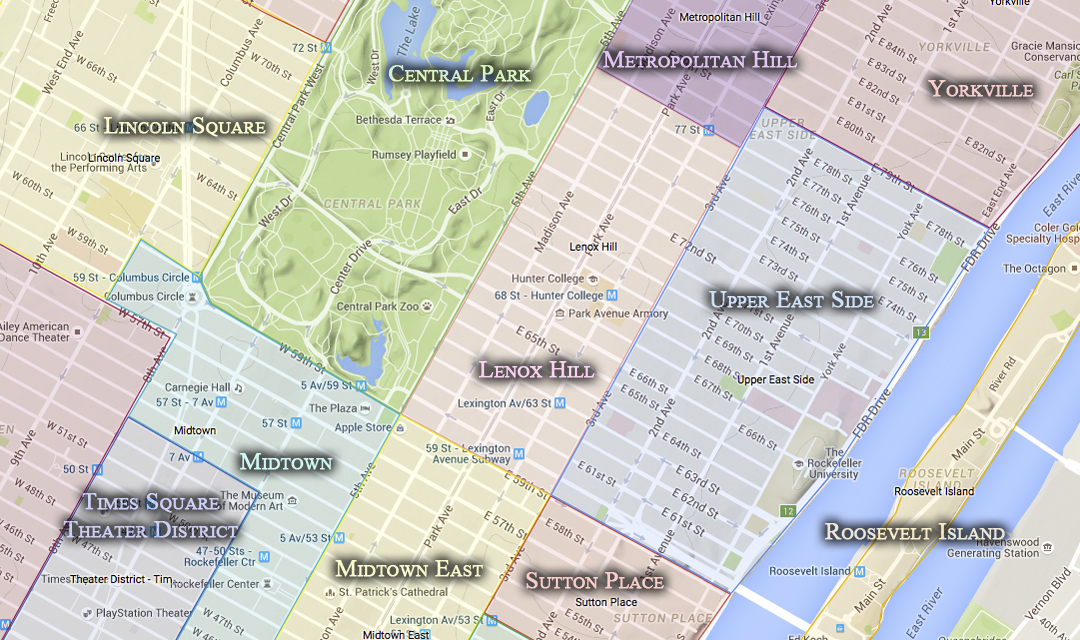
Geographically, the Upper East Side is situated in the borough of Manhattan, specifically in the northeastern quadrant. Its boundaries are generally defined by Central Park to the west, the East River to the east, 59th Street (also known as Central Park South) to the south, and 96th Street to the north. This defined area encompasses a significant portion of Manhattan’s “East Side,” but the “Upper” designation distinguishes it from areas further south.

East of Central Park: The Emerald Border
The western edge of the Upper East Side is marked by the sprawling expanse of Central Park. This iconic urban oasis serves not only as a physical barrier but also as a crucial green lung and a recreational hub for the neighborhood. Residents and visitors alike enjoy its winding paths, picturesque ponds, and the numerous cultural institutions that border its perimeter, such as the Metropolitan Museum of Art and the Guggenheim Museum. The park provides a serene counterpoint to the bustling city streets, offering a sense of spaciousness and tranquility.
The East River: A Watery Eastern Edge
To the east, the Upper East Side meets the East River. This waterfront provides a dynamic backdrop, with views of Roosevelt Island and Queens. While not as heavily developed for public access as some other waterfronts in the city, there are still pockets of public space and marinas that offer glimpses of river life and opportunities for leisurely strolls with water views. The presence of the river influences the atmosphere, adding a touch of maritime character to the otherwise landlocked urban environment.
Southern Limit: The Bustle of 59th Street
The southern boundary of the Upper East Side is 59th Street, a major thoroughfare that also marks the southern edge of Central Park. This street is a significant artery, connecting Midtown Manhattan with the East Side and marking the transition from the high-density commercial and entertainment districts of Midtown to the more residential and cultural feel of the Upper East Side. Landmarks like the Plaza Hotel and the southeast corner of Central Park are key markers along this southern edge.
Northern Frontier: Transitioning to Carnegie Hill and Beyond
The northern boundary typically extends to 96th Street. North of this line, the character of the neighborhood gradually shifts, transitioning into areas like Carnegie Hill, which shares many of the Upper East Side’s characteristics but is often considered a distinct subsection. This northern section maintains a residential feel, with beautiful brownstones and a quieter ambiance compared to the avenues closer to Midtown.
A Corridor of Culture: Museum Mile and Beyond
One of the most defining features of the Upper East Side is its unparalleled concentration of world-class museums, earning it the moniker “Museum Mile.” This stretch along Fifth Avenue, bordering Central Park, is a cultural pilgrimage site for art lovers and history buffs from around the globe.
The Grand Dames of Art and History
- The Metropolitan Museum of Art: Often referred to as “The Met,” this is one of the largest and finest art museums in the world. Its vast collections span 5,000 years of art from around the globe, making it an essential stop for any visitor to New York City.
- The Guggenheim Museum: Designed by Frank Lloyd Wright, the Guggenheim’s iconic spiraling architecture is as much a work of art as the modern and contemporary collections it houses.
- The Frick Collection: Housed in the former mansion of Henry Clay Frick, this museum offers an intimate look at Old Master paintings and decorative arts in a lavish setting. While currently undergoing renovations and temporarily located at the Frick Madison, its spirit remains intrinsically tied to its Upper East Side origins.
- Neue Galerie New York: Dedicated to early twentieth-century German and Austrian art and design, the Neue Galerie is famed for its Klimt collection, including the iconic “Woman in Gold.”
Beyond Museum Mile: A Rich Tapestry of Institutions
The cultural offerings extend beyond the famed Museum Mile. Several other notable institutions contribute to the Upper East Side’s reputation as a cultural powerhouse:
- The Whitney Museum of American Art: Though its primary home is now in the Meatpacking District, the Whitney has historical ties to the Upper East Side and its legacy continues to influence the art scene.
- The Asia Society Museum: This institution showcases a diverse range of Asian art and culture, offering a different perspective on the global art landscape.
- The Jewish Museum: Dedicated to exploring the diversity of Jewish culture and history through its extensive collection of art and artifacts.
- The Cooper Hewitt, Smithsonian Design Museum: The only museum in the United States dedicated exclusively to historical and contemporary design.
Architectural Grandeur and Residential Elegance
The Upper East Side is renowned for its distinguished architecture, a blend of grand pre-war apartment buildings, elegant townhouses, and impressive Gilded Age mansions. This architectural richness contributes significantly to the neighborhood’s sophisticated ambiance.
Iconic Apartment Buildings: Palaces on Park and Fifth
The avenues bordering Central Park, namely Fifth Avenue and Park Avenue, are lined with some of the city’s most prestigious and architecturally significant apartment buildings. These residences, often featuring limestone facades, elaborate detailing, and doormen, are synonymous with luxury and exclusivity. Many were built during the pre-war era and represent a pinnacle of urban residential design, offering spacious layouts and prime locations.
Townhouses and Brownstones: A Quainter Charm
Away from the grand avenues, the side streets of the Upper East Side are characterized by charming rows of townhouses and brownstones. These elegant homes, often with wrought-iron fences and flowering window boxes, offer a more intimate and classic New York streetscape. They provide a glimpse into the neighborhood’s history and its enduring appeal as a desirable residential area.
The Gilded Age Legacy
The late 19th and early 20th centuries, often referred to as the Gilded Age, left an indelible mark on the Upper East Side. This era of immense wealth and industrial expansion saw the construction of opulent mansions by prominent families, many of which have since been converted into institutions or embassies. While fewer of these original mansions remain as private residences, their architectural influence is still palpable in the neighborhood’s grand scale and ornate detailing.
The Upper East Side Lifestyle: A Glimpse into Refined Living
The question of “where is the Upper East Side?” also extends to understanding the lifestyle associated with this iconic neighborhood. It’s a lifestyle characterized by a deep appreciation for culture, a penchant for quality, and a certain unhurried pace amidst the city’s dynamism.
A Pedestrian Paradise for the Discerning
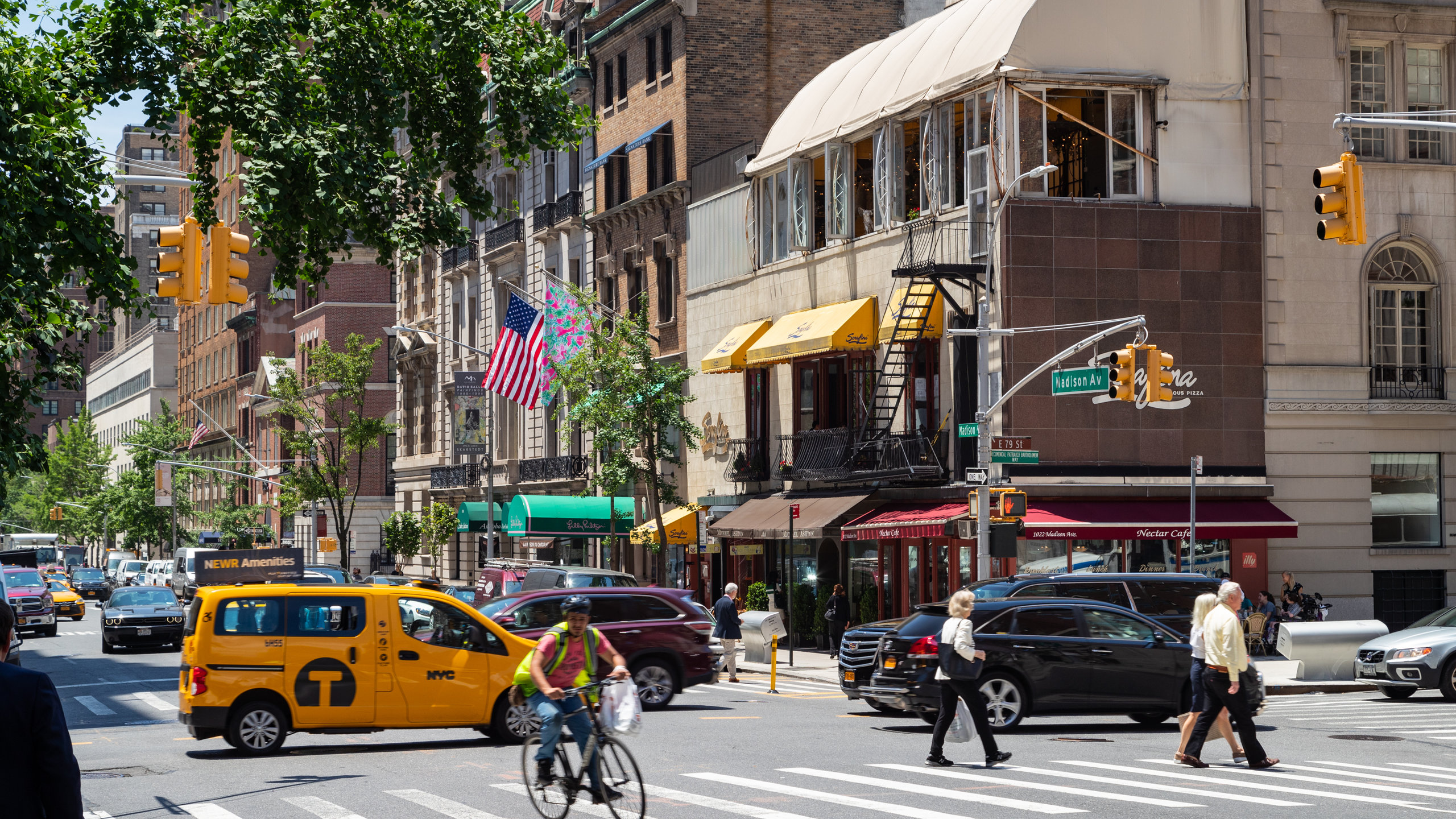
The Upper East Side is highly walkable, making it an ideal neighborhood for those who enjoy exploring on foot. The wide sidewalks, the proximity of shops, restaurants, and cultural institutions, and the tree-lined streets create a pleasant environment for strolling. From high-end boutiques along Madison Avenue to charming independent shops on Lexington Avenue, there are ample opportunities for retail therapy.
Culinary Delights and Chic Cafes
The culinary scene on the Upper East Side ranges from Michelin-starred restaurants to cozy bistros and classic New York diners. The neighborhood offers a sophisticated dining experience, catering to a discerning palate. Cafes and bakeries provide perfect spots for a leisurely breakfast, a midday coffee break, or an afternoon treat, often frequented by residents who appreciate the finer things.
A Hub for Education and Philanthropy
The Upper East Side is home to some of New York City’s most prestigious private schools, further cementing its reputation as a family-friendly yet exclusive enclave. The neighborhood also boasts a strong tradition of philanthropy, with many charitable organizations and foundations headquartered in the area, reflecting the community’s commitment to social causes.
In essence, the Upper East Side of New York City is not merely a set of coordinates on a map. It is a vibrant tapestry woven from its geographical boundaries, its world-renowned cultural institutions, its elegant architecture, and the refined lifestyle it offers. It stands as a testament to enduring elegance, intellectual curiosity, and a distinctively sophisticated urban experience that continues to captivate and inspire.
LifeOutOfTheBox is a participant in the Amazon Services LLC Associates Program, an affiliate advertising program designed to provide a means for sites to earn advertising fees by advertising and linking to Amazon.com. Amazon, the Amazon logo, AmazonSupply, and the AmazonSupply logo are trademarks of Amazon.com, Inc. or its affiliates. As an Amazon Associate we earn affiliate commissions from qualifying purchases.