
Navigating the vast metropolis of New York City for the first time can be an exhilarating yet daunting prospect. The sheer scale of the city, coupled with its diverse neighborhoods, each offering a unique flavor, makes choosing the right base crucial for an unforgettable experience. This guide is designed to help first-time visitors pinpoint the ideal areas to stay, focusing on proximity to iconic landmarks, access to public transportation, and the overall atmosphere that will best enhance their initial exploration of the Big Apple.
Midtown Manhattan: The Heartbeat of the City
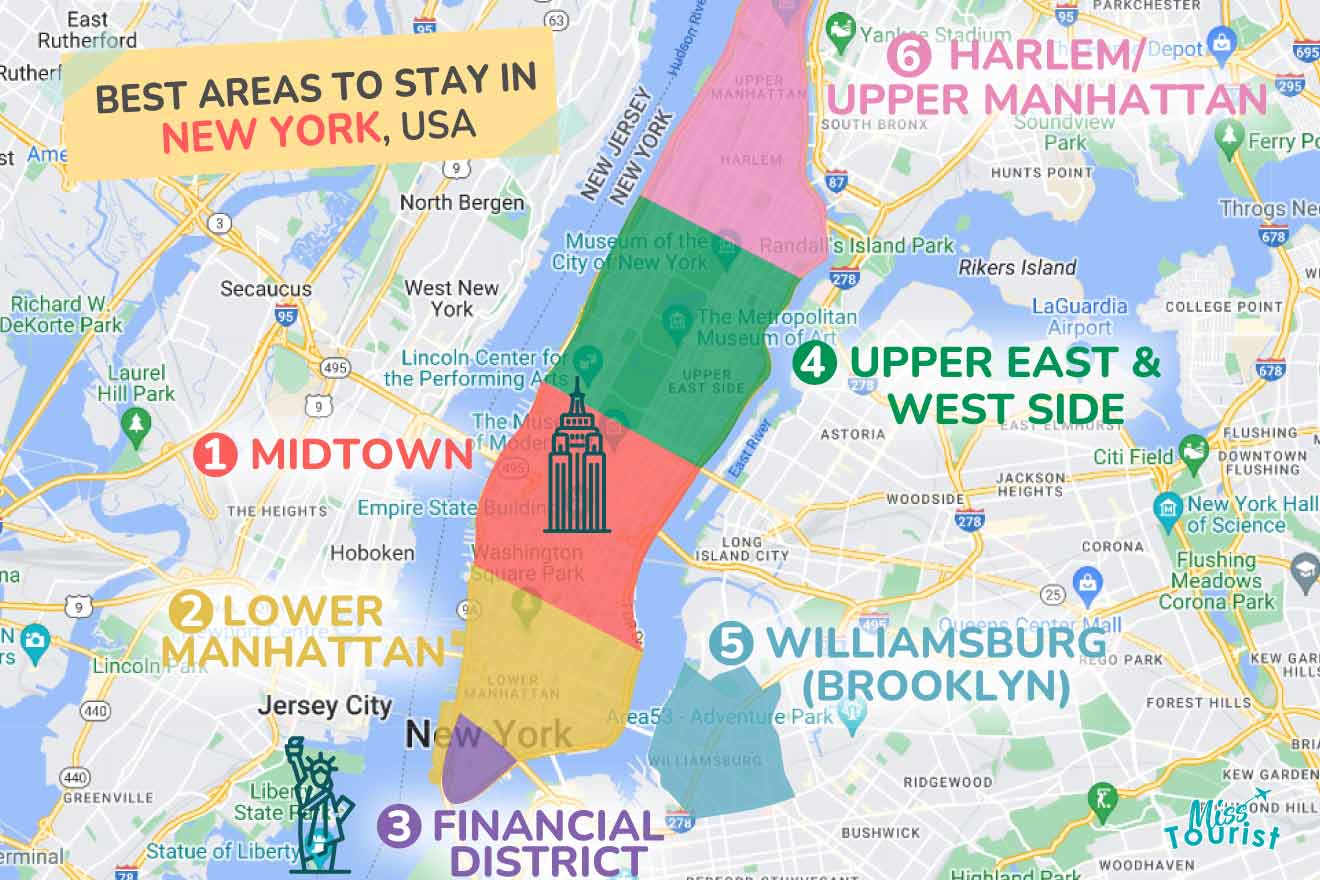
For many first-time visitors, Midtown Manhattan represents the quintessential New York City experience. This is where the towering skyscrapers, dazzling lights, and a palpable sense of energy converge. Staying in Midtown offers unparalleled access to some of the city’s most famous attractions, making it an excellent choice for those who want to be right in the middle of the action and minimize travel time to major sights.
Iconic Attractions at Your Doorstep
Choosing Midtown as your lodging base means you’re within walking distance, or a very short subway ride, to a multitude of world-renowned landmarks. The architectural marvel that is the Empire State Building stands proudly, offering breathtaking panoramic views. Just a short stroll away is Times Square, a vibrant spectacle of digital billboards, bustling crowds, and Broadway theaters. For a dose of culture and performance, the Broadway Theater District beckons with its plethora of shows.
Art aficionados will appreciate the proximity to institutions like the Museum of Modern Art (MoMA), housing an extraordinary collection of modern and contemporary art. For a moment of tranquility amidst the urban intensity, Bryant Park offers a green oasis, often hosting events and seasonal markets. The grandeur of Grand Central Terminal, a historic transportation hub with stunning Beaux-Arts architecture, is also a must-see attraction within this area.
Transportation Hub
Midtown Manhattan serves as a central nexus for New York City’s extensive subway system. Numerous subway lines converge here, providing easy and efficient access to all other boroughs and neighborhoods. This connectivity is invaluable for first-time visitors, allowing them to explore beyond the immediate vicinity without the hassle of complicated transit planning. Major subway stations, such as Times Square-42nd Street and Grand Central-42nd Street, are transfer points for a multitude of lines, making day trips to Brooklyn or Queens remarkably straightforward.
Hotel Variety and Atmosphere
Midtown Manhattan boasts an immense range of accommodation options, from luxury hotels with unparalleled amenities to more budget-friendly chains. You’ll find world-class hotels like the Ritz-Carlton New York, Central Park offering opulent stays, alongside reliable options like the Hyatt Centric Times Square New York. The atmosphere here is undeniably energetic, characterized by constant movement, bright lights, and a steady stream of tourists and business professionals. While vibrant, it can also be noisy and crowded, which is something to consider depending on your preference for a more relaxed stay.
Lower Manhattan: History, Finance, and Iconic Views
Lower Manhattan offers a different, yet equally compelling, perspective for first-time visitors. This historic heart of the city blends a rich past with a dynamic present, featuring financial powerhouses alongside poignant memorials and stunning waterfront vistas. It’s an area that provides a deep dive into the foundational stories of New York City while remaining incredibly well-connected and visually impressive.
Financial District and Historic Roots
The Financial District, home to the iconic New York Stock Exchange and the charging Charging Bull statue, is a powerful symbol of global commerce. However, this area also preserves the city’s early history. Visitors can explore Federal Hall, where George Washington was inaugurated as the first President of the United States, and stroll through the cobblestone streets of the Financial District to sense the echoes of the past.
A profoundly moving experience awaits at the 9/11 Memorial & Museum, a solemn tribute to the victims of the September 11th attacks. The adjacent One World Observatory offers spectacular, expansive views from the tallest building in the Western Hemisphere, providing a symbolic representation of resilience and rebirth.
Waterfront Access and Transportation
Lower Manhattan boasts significant waterfront access, particularly around Battery Park. From here, ferries depart for the Statue of Liberty and Ellis Island, two of the most significant historical landmarks for visitors to New York City. The Staten Island Ferry, a free service, also provides fantastic views of the Manhattan skyline and the Statue of Liberty.
The subway system in Lower Manhattan is robust, with major hubs like the World Trade Center Transportation Hub connecting numerous lines. This makes it easy to travel uptown to explore areas like Central Park or Harlem, as well as to access other boroughs.
Accommodation and Ambiance
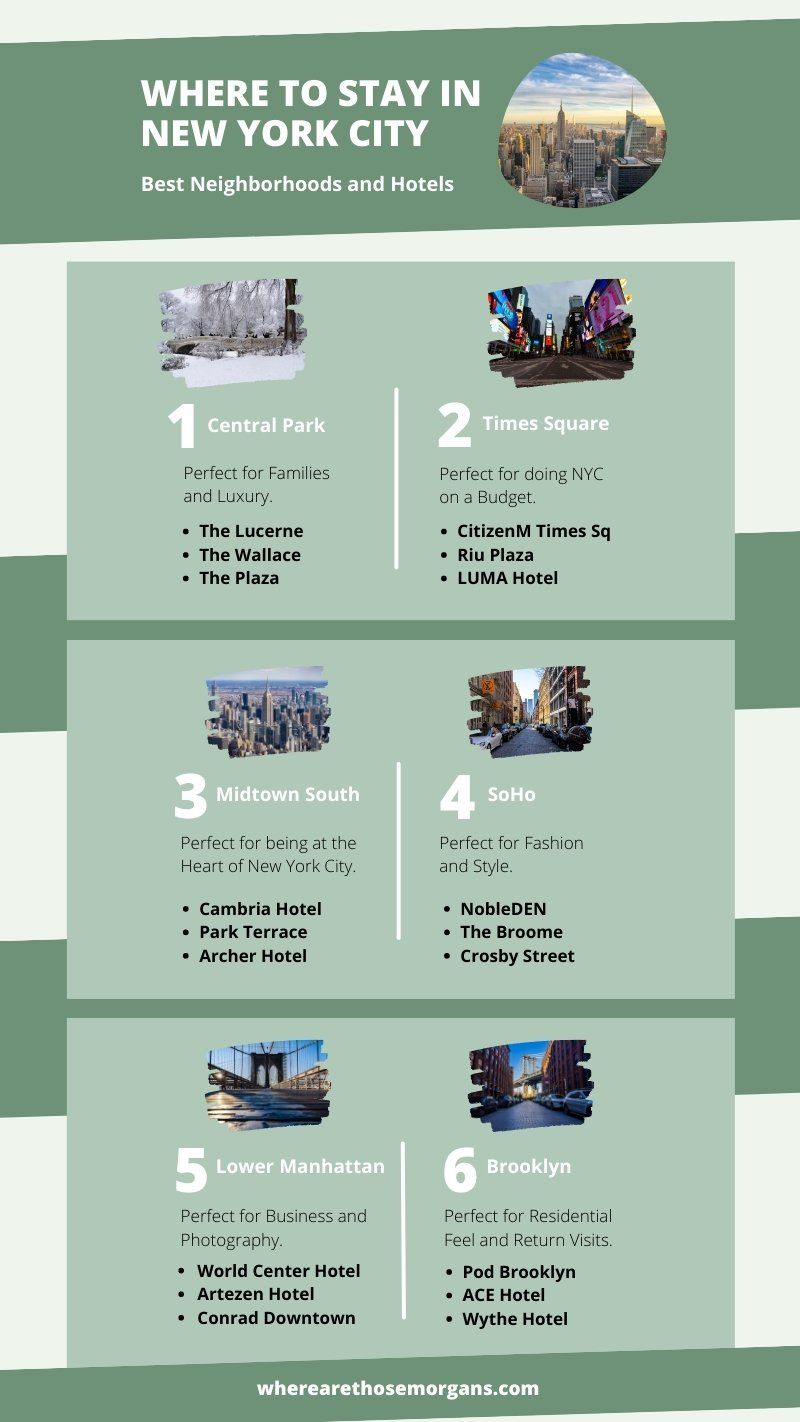
Accommodation in Lower Manhattan ranges from upscale business hotels that cater to the financial crowd to boutique hotels offering a more intimate experience. Hotels like the Conrad New York Downtown provide luxurious stays with stunning harbor views. The general ambiance in this part of the city is a blend of professional hustle during weekdays and a more relaxed, yet still active, vibe on weekends. It’s generally quieter than Midtown, particularly in the evenings and on weekends, which can appeal to those seeking a slightly more serene base without sacrificing convenience.
Upper West Side & Upper East Side: Culture and Central Park Serenity
For visitors who appreciate culture, refined elegance, and direct access to the city’s most famous green lung, the Upper West Side and Upper East Side present a compelling choice. These adjacent neighborhoods, separated by the expansive Central Park, offer a more residential feel while still being packed with world-class museums, upscale shopping, and beautiful architecture.
Museum Mile and Lincoln Center
The Upper East Side is famously known as “Museum Mile,” a stretch along Fifth Avenue that houses some of the world’s most prestigious cultural institutions. The iconic Metropolitan Museum of Art (The Met), with its vast collections spanning centuries and civilizations, is a highlight. Other notable institutions include the Guggenheim Museum, famous for its Frank Lloyd Wright-designed building and modern art, and the Frick Collection, a more intimate museum showcasing Old Master paintings and decorative arts.
Across the park, the Upper West Side is home to Lincoln Center for the Performing Arts, a world-renowned complex hosting opera, ballet, symphony orchestras, and theater. The American Museum of Natural History, with its awe-inspiring dinosaur exhibits and ocean life displays, is another major draw on the Upper West Side.
Central Park and Residential Charm
Central Park is the unparalleled backyard for residents and visitors of both the Upper West Side and Upper East Side. This vast urban oasis offers countless opportunities for recreation, from leisurely strolls and picnics to boating on The Lake, visiting Strawberry Fields, or enjoying street performers. Its presence provides a serene counterpoint to the city’s bustle.
These neighborhoods exude a more relaxed, residential charm compared to the high-octane energy of Midtown. Tree-lined streets, elegant brownstones, and a sense of community define their character. While they offer a quieter atmosphere, they are still very well-connected by subway lines. The 1, 2, 3, B, and C trains serve the Upper West Side, while the 4, 5, 6, and Q trains are accessible on the Upper East Side, making travel to other parts of the city convenient.
Accommodation Styles
Accommodation in the Upper West Side and Upper East Side often consists of charming boutique hotels and some larger establishments, though the selection is not as extensive as in Midtown. Many visitors opt for longer-term rentals or apartments in these areas for a more immersive local experience. Hotels such as The Mark Hotel on the Upper East Side offer sophisticated luxury, while the Hotel Beacon on the Upper West Side provides a comfortable, well-located option. The ambiance is decidedly more laid-back and sophisticated, appealing to those who prefer to experience the city like a local while remaining close to major cultural attractions.
Downtown Neighborhoods: SoHo, Greenwich Village, and the Lower East Side
For the first-time visitor seeking a more bohemian, artistic, and historically rich experience, the vibrant downtown neighborhoods of SoHo, Greenwich Village, and the Lower East Side offer a unique charm. These areas are characterized by their distinctive architecture, eclectic mix of shops, world-class dining, and a palpable sense of history and artistic heritage.
Artistic Enclaves and Unique Atmospheres
SoHo, originally an industrial district, has transformed into a fashionable hub known for its cast-iron architecture, high-end boutiques, and art galleries. Its wide, cobblestone streets and spacious loft buildings create a distinctive visual appeal. A short walk away, Greenwich Village, often referred to as “The Village,” is legendary for its bohemian past, jazz clubs, folk music history, and charming, winding streets. It retains a vibrant, youthful energy, with Washington Square Park serving as its lively central gathering place.
The Lower East Side is steeped in immigrant history, offering a glimpse into the city’s diverse cultural tapestry. It’s known for its historic tenement buildings, synagogues, and a burgeoning scene of trendy restaurants, bars, and music venues. This neighborhood provides a more authentic, less polished feel, appealing to those who want to explore the raw energy and evolving character of New York City.
Culinary Delights and Nightlife
These downtown neighborhoods are culinary hotspots, offering an astonishing array of dining options. From Michelin-starred restaurants in SoHo to classic Italian eateries in Greenwich Village and diverse ethnic cuisine on the Lower East Side, there’s something to satisfy every palate and budget. The nightlife here is equally diverse, ranging from cozy bars and legendary music venues to chic cocktail lounges.

Accessibility and Accommodation
While these neighborhoods might feel more intimate, they are well-served by New York City’s subway system. Multiple subway lines connect these areas to the rest of Manhattan and beyond, making it easy to reach major attractions. Accommodation in these downtown areas tends to be more boutique-focused. You’ll find charming hotels and stylish apartments that capture the unique character of each neighborhood. For instance, The Dominick Hotel in SoHo offers a luxurious urban retreat. The ambiance is decidedly more local and less tourist-centric than Midtown, offering a more immersive and vibrant urban living experience.
Choosing where to stay in New York City for the first time is a significant decision that can shape your entire trip. Whether you choose the electrifying pulse of Midtown, the historic gravitas of Lower Manhattan, the cultural sophistication of the Upper Sides, or the bohemian charm of downtown, each area offers a unique gateway to exploring this extraordinary city. Consider your priorities – proximity to attractions, desired atmosphere, and budget – to select the perfect home base for your unforgettable New York City adventure.
LifeOutOfTheBox is a participant in the Amazon Services LLC Associates Program, an affiliate advertising program designed to provide a means for sites to earn advertising fees by advertising and linking to Amazon.com. Amazon, the Amazon logo, AmazonSupply, and the AmazonSupply logo are trademarks of Amazon.com, Inc. or its affiliates. As an Amazon Associate we earn affiliate commissions from qualifying purchases.