
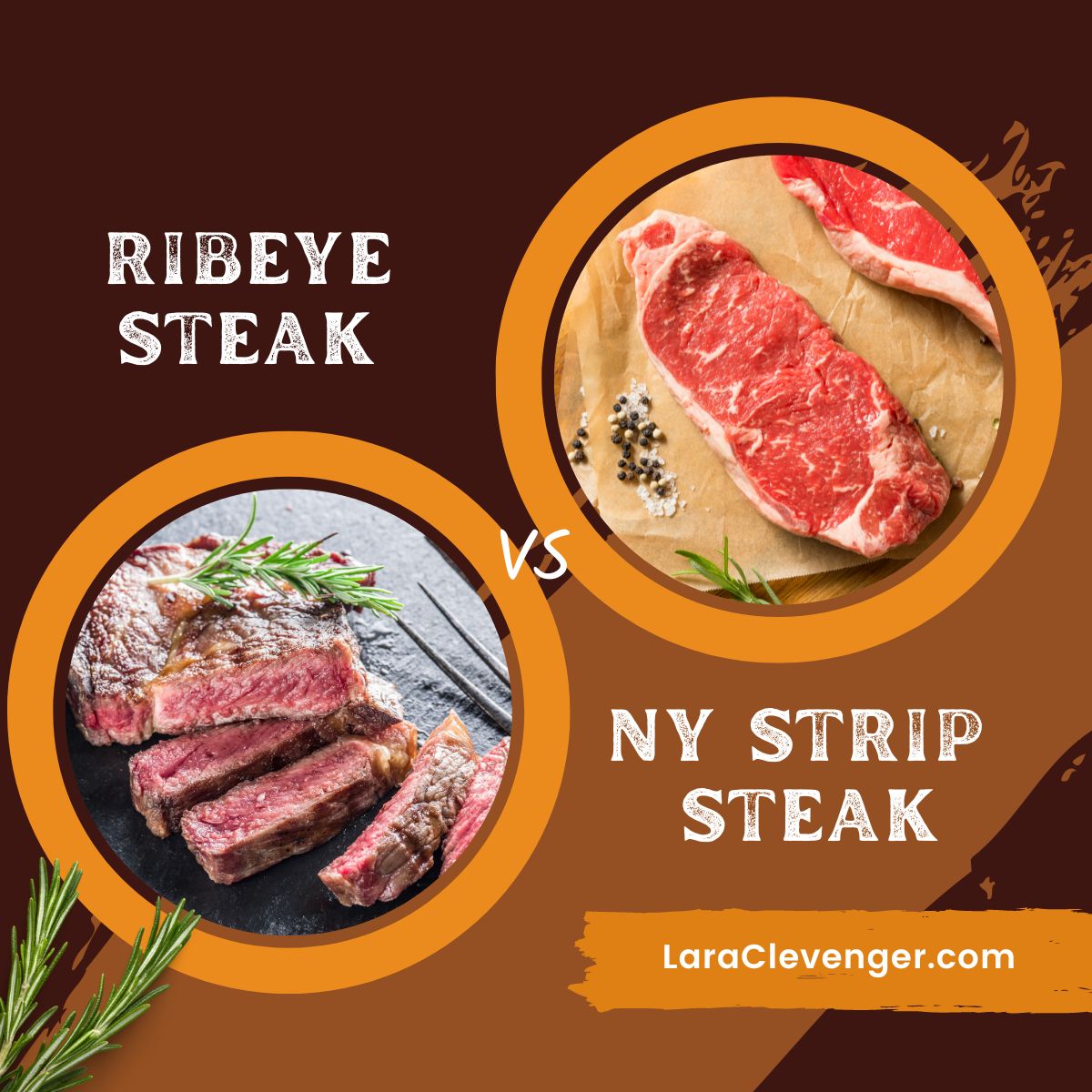
The age-old debate among steak aficionados often boils down to two titans of the bovine world: the Ribeye and the New York Strip. Both are premium cuts, celebrated for their distinct textures, flavors, and cooking characteristics. For travelers and culinary enthusiasts exploring the vibrant food scenes of cities like New York City or experiencing the renowned steakhouses of Chicago, understanding the nuances between these cuts can elevate a dining experience from good to exceptional. This exploration delves into the anatomy, flavor profiles, ideal cooking methods, and overall appeal of both the Ribeye and the New York Strip, helping you to make an informed decision, whether you’re ordering at a high-end restaurant or firing up the grill in your backyard.
The Anatomy of Flavor: Understanding the Cuts
The superior taste and texture of a steak are intrinsically linked to its origin on the cow. Both Ribeye and New York Strip come from different primal cuts, which dictates their marbling, tenderness, and the unique mouthfeel they offer. Understanding this fundamental difference is key to appreciating why one might be preferred over the other for specific palates or culinary applications.
The Ribeye: A Symphony of Marbling
The Ribeye cut is derived from the rib section of the cow, specifically from the longissimus dorsi muscle, along with the spinalis dorsi (the cap steak) and the complexus. This area of the cow is less worked, contributing to its inherent tenderness. The defining characteristic of a Ribeye is its abundant marbling – the intramuscular fat that runs throughout the steak. This intricate web of fat melts during cooking, basting the meat from within, resulting in unparalleled juiciness and a rich, buttery flavor. The presence of the “eye” itself is a dense muscle, while the surrounding fats contribute to its succulent nature. A well-marbled Ribeye is often considered the most flavorful and tender cut available, making it a perennial favorite for those who prioritize a luxurious steak experience. Some Ribeyes may also include a section of the cap steak, known as the spinalis dorsi, which is particularly prized for its exceptional tenderness and rich flavor.
The New York Strip: A Leaner, Yet Flavorful Contender
In contrast, the New York Strip, also known as the Kansas City Strip, strip loin, or top loin, comes from the short loin primal cut, situated behind the ribs. This cut is primarily composed of the longissimus dorsi muscle. While it also possesses marbling, it is generally leaner than a Ribeye, with the fat concentrated more around the edges rather than interspersed throughout. This leaner composition gives the New York Strip a firmer texture and a more beefy, less buttery flavor profile. The strips often have a distinct chew that many steak lovers find satisfying. Because it’s less marbled, the New York Strip can be more forgiving when cooking, making it a popular choice for both home cooks and professional chefs. Its robust flavor holds up exceptionally well to various seasoning methods and marinades.
Flavor Profile and Texture: A Tale of Two Steaks
The fundamental differences in their anatomy translate directly into distinct flavor profiles and textural experiences. This is where personal preference truly comes into play, as diners gravitate towards the characteristics that most appeal to their individual tastes.
Ribeye: Rich, Buttery, and Unctuous
The abundant marbling of the Ribeye is the star of the show, delivering an intensely rich and buttery flavor. As the fat renders, it infuses every bite with a luxurious, almost decadent taste. The texture is exceptionally tender and succulent, yielding easily to the fork. The melting fat contributes a moistness that is hard to replicate with leaner cuts. This makes the Ribeye ideal for those who enjoy a robust, full-bodied steak with a melt-in-your-mouth quality. The flavor is often described as more complex due to the interplay of the lean meat and the rendered fat. For many, the Ribeye represents the epitome of a truly indulgent steak.
New York Strip: Bold, Beefy, and Satisfyingly Chewy
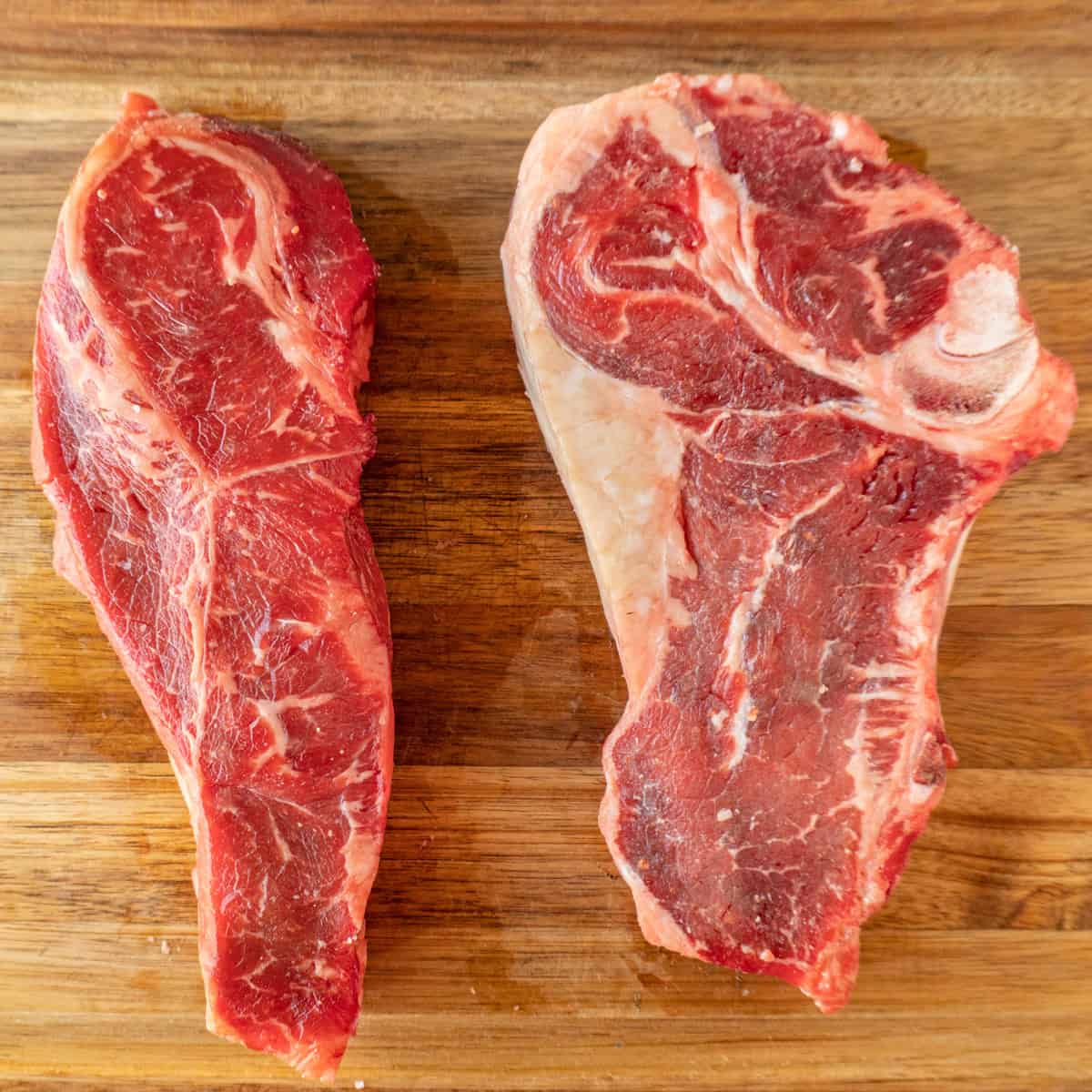
The New York Strip offers a more pronounced beefy flavor, with a clean, robust taste that is less dominated by fat. The marbling, while present, is more focused on the edges, providing pockets of richness without overwhelming the palate. The texture is firmer and more substantial than a Ribeye, offering a satisfying chew that many appreciate. This allows the inherent beefiness of the cut to shine through. It’s a steak that stands up well to bold seasonings and accompaniments, making it a versatile choice. The flavor is often described as more straightforwardly “steak-like,” appealing to those who prefer a less overtly fatty, yet still intensely flavorful experience.
Cooking and Preparation: Maximizing Potential
Both the Ribeye and the New York Strip are excellent choices for various cooking methods, but their unique characteristics can influence the ideal approach to achieve optimal results.
Ribeye: Embracing the Fat
Given its rich marbling, the Ribeye is exceptionally forgiving and can be cooked using a variety of methods. High-heat searing, such as grilling or pan-searing in a cast-iron skillet, is highly recommended. This method creates a beautiful crust while allowing the internal fat to render and baste the meat. Reverse searing, where the steak is slowly brought up to temperature in the oven before a quick, high-heat sear, is another excellent technique that ensures even cooking and maximum juiciness. Due to its inherent fat content, the Ribeye is less prone to drying out, even if cooked slightly past its ideal temperature. Some chefs recommend a simple seasoning of salt and pepper to allow the natural richness of the steak to be the primary flavor. Resting the steak after cooking is crucial to allow the juices to redistribute.
New York Strip: A Versatile Choice
The New York Strip is equally versatile and excels with high-heat cooking methods like grilling and pan-searing. Its slightly leaner profile means that careful attention to cooking time is important to avoid overcooking. A beautiful sear is still desirable to develop flavor and texture. Like the Ribeye, reverse searing can also yield excellent results, particularly for thicker cuts. The New York Strip can also benefit from marinades or rubs, as its robust flavor can stand up to additional seasonings. However, a simple seasoning of salt and pepper can also highlight its inherent beefy notes. Proper resting is essential for maintaining its tenderness and moisture. Many culinary traditions, from the classic steakhouses of Argentina to the bistros of France, feature the New York Strip prominently.
Which Steak Reigns Supreme? A Personal Preference
Ultimately, the question of whether Ribeye or New York Strip is “better” is subjective and hinges entirely on personal preference and the desired dining experience. Both are premium cuts that offer exceptional flavor and texture when cooked properly.
The Case for Ribeye
Choose the Ribeye if your priority is unparalleled richness, tenderness, and a melt-in-your-mouth texture. It’s the steak for those who savor the luxurious, buttery notes and don’t shy away from abundant marbling. It’s the steak you might seek out at a renowned steakhouse in Las Vegas or during a culinary tour of the United States. The Ribeye is often perceived as the more indulgent and decadent option.

The Case for New York Strip
Opt for the New York Strip if you prefer a steak with a more pronounced beefy flavor, a satisfying chew, and a slightly leaner, yet still very enjoyable, profile. It’s the steak for those who appreciate a robust, clean taste and the versatility it offers in terms of seasoning and preparation. It’s a staple in many classic dining experiences and a fantastic choice for grilling enthusiasts. Its firm texture and bold flavor make it a reliable and delicious option for a wide range of palates.
Whether you’re a seasoned steak connoisseur or embarking on your culinary journey, understanding the distinctions between the Ribeye and the New York Strip empowers you to make a more informed choice. Both cuts offer a distinct yet equally rewarding steak experience, contributing to the rich tapestry of global cuisine and the memorable dining moments that are a highlight of any travel adventure.
LifeOutOfTheBox is a participant in the Amazon Services LLC Associates Program, an affiliate advertising program designed to provide a means for sites to earn advertising fees by advertising and linking to Amazon.com. Amazon, the Amazon logo, AmazonSupply, and the AmazonSupply logo are trademarks of Amazon.com, Inc. or its affiliates. As an Amazon Associate we earn affiliate commissions from qualifying purchases.