
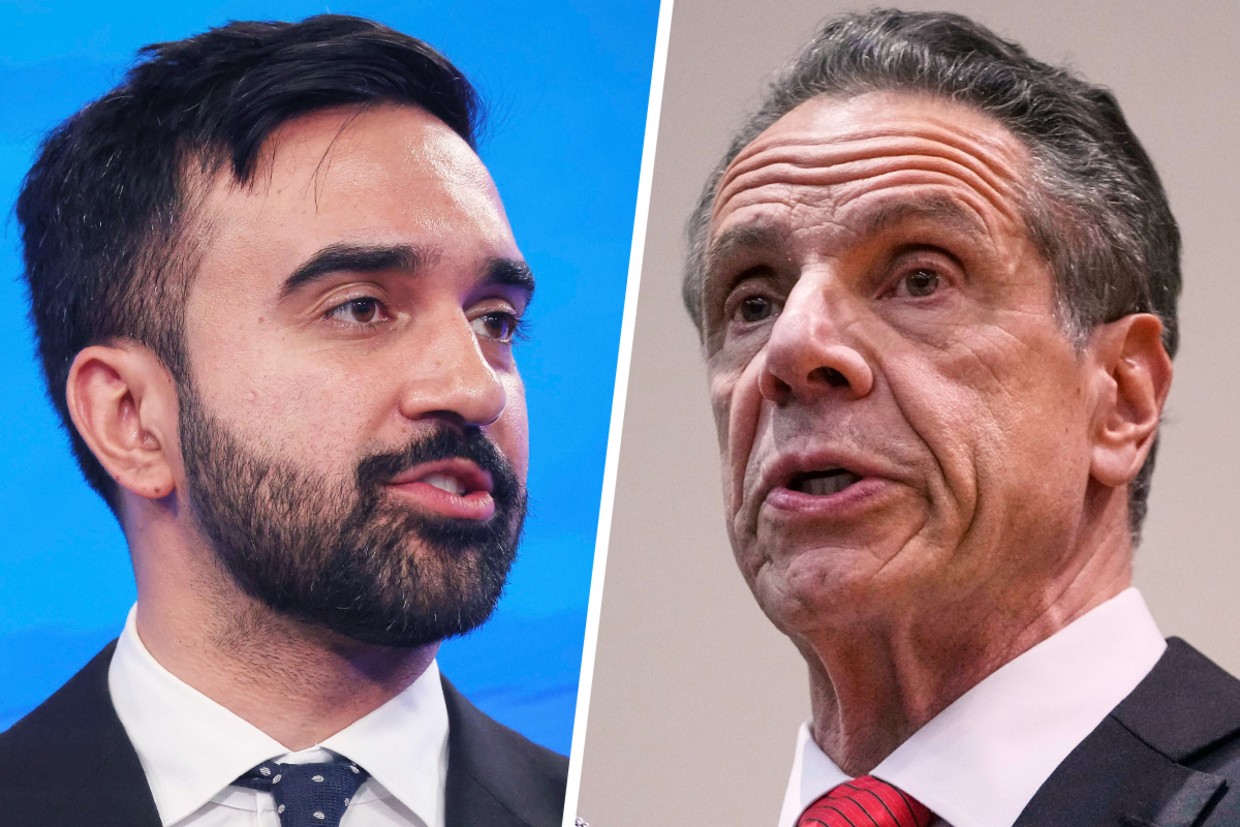
The reverberations of a New York mayoral election extend far beyond the immediate political landscape, touching upon the city’s identity as a global hub for culture, commerce, and, crucially, tourism. While the electoral process itself is a matter of civic engagement and governance, its outcome invariably shapes the environment that millions of tourists experience annually. The winning candidate’s platform, priorities, and vision for New York City directly influence the resources allocated to parks, public spaces, cultural institutions, transportation infrastructure, and safety initiatives – all fundamental elements that define a visitor’s journey and perception of the metropolis.
The Impact of Mayoral Leadership on the Tourism Ecosystem
A successful mayoral term is often characterized by a flourishing tourism sector. This success is not accidental; it is cultivated through strategic planning and investment. The mayor’s office plays a pivotal role in fostering an environment where both international and domestic visitors feel welcomed, safe, and inspired. This involves a multi-faceted approach that considers everything from the cleanliness and accessibility of iconic landmarks to the vibrancy of local neighborhoods and the efficiency of public transit systems.
Urban Development and Visitor Experience
The physical landscape of New York City is in constant flux, with new developments shaping its iconic skyline and street-level experiences. The mayor’s administration has a significant hand in approving and guiding these urban development projects. From the revitalization of waterfront areas to the creation of new public plazas and the preservation of historic districts, these decisions directly impact where tourists go, what they see, and how they navigate the city.
- Infrastructure Investment: A key determinant of a positive visitor experience is the quality of the city’s infrastructure. Investments in upgrading and expanding public transportation networks, such as the Metropolitan Transportation Authority (MTA), are paramount. This includes ensuring the reliability and safety of subway lines, bus routes, and ferry services. A well-functioning transit system allows tourists to efficiently access diverse attractions, from the bustling streets of Times Square to the serene landscapes of Central Park.
- Public Space Enhancement: The mayor’s office often champions initiatives to improve and maintain the city’s public spaces. This can involve funding for park renovations, the creation of pedestrian-friendly zones, and the beautification of streetscapes. Enhanced public spaces not only improve the quality of life for residents but also offer visitors more inviting and accessible areas to explore, relax, and immerse themselves in the city’s atmosphere. Think of the impact of well-maintained parks like Bryant Park or the transformation of public areas around landmarks like the High Line.
- Safety and Security: A fundamental aspect of any successful tourism destination is the perception of safety and security. The mayor’s policies on law enforcement, community policing, and public safety initiatives directly influence tourist confidence. Visible efforts to maintain order and address concerns in high-traffic tourist areas are crucial for ensuring a positive and secure experience for all visitors.
Cultural Vibrancy and Destination Appeal
New York City‘s status as a premier global destination is inextricably linked to its unparalleled cultural offerings. The mayor’s administration has a profound influence on the health and vitality of the city’s arts, culture, and entertainment sectors, which are magnets for tourists.

- Support for Arts and Culture: Funding for museums, theaters, galleries, and performance venues is often a significant part of a mayor’s agenda. The Metropolitan Museum of Art, Museum of Modern Art (MoMA), and the theatrical powerhouse of Broadway are just a few examples of institutions that draw millions. Mayoral support can translate into grants, tax incentives, and policies that facilitate the operation and growth of these cultural institutions, ensuring they remain accessible and vibrant for both locals and visitors.
- Event Curation and Promotion: Major events, festivals, and parades are crucial for drawing visitors to New York City throughout the year. The mayor’s office often plays a role in attracting, supporting, and promoting these events. From iconic celebrations like the Macy’s Thanksgiving Day Parade to smaller, neighborhood-specific festivals, these happenings inject energy into the city and provide unique experiences that attract diverse tourist demographics.
- Neighborhood Identity and Exploration: Beyond the marquee attractions, the unique character of New York City‘s diverse neighborhoods is a significant draw. The mayor’s policies can impact the preservation of historic districts, the support of local businesses, and the development of infrastructure that encourages exploration of areas like Greenwich Village, SoHo, or Chinatown. This fosters a richer and more authentic tourist experience, moving beyond the well-trodden paths.
Economic Impact and the Tourism Industry
The tourism industry is a significant economic engine for New York City, generating substantial revenue and creating numerous jobs. The mayor’s administration plays a crucial role in shaping the economic policies that affect this sector.
- Business Development and Investment: Policies that encourage investment in the hospitality sector, including hotels, restaurants, and retail, are vital. The mayor’s office can work to streamline permitting processes, offer incentives for new businesses, and support existing ones, thereby contributing to a robust and diverse tourism-related economy. This can include fostering growth in areas beyond the traditional tourist hubs, encouraging a more distributed economic benefit.
- Job Creation and Workforce Development: The tourism and hospitality industries are major employers. The mayor’s administration can implement workforce development programs and initiatives that support training and employment within these sectors. A skilled and accessible workforce is crucial for providing high-quality service to visitors, enhancing their overall experience.
- Marketing and Global Outreach: Promoting New York City as a premier travel destination on a global scale is a critical function often overseen or supported by the mayor’s office. This can involve partnerships with tourism boards, international marketing campaigns, and diplomatic efforts to attract visitors from key global markets. The mayor’s vision for the city’s global brand directly influences its appeal to international travelers.
Navigating the Future: The Mayor’s Mandate for Tourism
The outcome of the New York mayoral race is more than just a political headline; it signifies a shift in leadership that will undoubtedly sculpt the future of tourism in the city. The elected official inherits the responsibility of balancing the needs of residents with the imperative of maintaining New York City‘s standing as a world-class destination.

Key Areas of Focus for the New Administration
As a new mayor steps into office, several key areas will be under the spotlight concerning their impact on the tourism landscape. Their approach to these matters will shape the visitor experience for years to come.
- Transportation and Accessibility: The ongoing challenges and potential upgrades within the MTA system will likely remain a top priority. A mayor committed to improving public transit will invest in modernization, expanded service, and enhanced accessibility for all travelers, including those with disabilities. This directly impacts how easily and affordably visitors can explore the vastness of New York City.
- Sustainability and Green Tourism: With a growing global emphasis on sustainable travel, a forward-thinking mayor will likely prioritize eco-friendly initiatives. This could include promoting green hotels, supporting sustainable transportation options, and investing in the preservation of the city’s natural and green spaces, such as Governors Island or the various city parks.
- Diversity and Inclusivity: New York City thrives on its diversity. A successful mayor will champion policies that ensure the tourism industry is inclusive and representative of all communities. This can involve supporting diverse cultural events, promoting businesses owned by minority groups, and ensuring that all visitors feel welcomed and respected, regardless of their background. The promotion of neighborhoods beyond the typical tourist circuits, showcasing their unique cultural heritage, becomes increasingly important.
- Public-Private Partnerships: Effective leadership in the tourism sector often relies on strong collaborations between government and the private sector. A pragmatic mayor will foster these partnerships, working with hotel associations, restaurant groups, cultural institutions, and destination marketing organizations to collectively advance the city’s tourism goals.
The election of a new mayor in New York City sets a new course for its development, and for the millions who visit its shores each year, the implications are significant. The vision, priorities, and leadership of the winning candidate will ultimately determine how the city evolves as a destination, shaping the experiences of travelers and reinforcing New York City‘s enduring allure on the global stage.
LifeOutOfTheBox is a participant in the Amazon Services LLC Associates Program, an affiliate advertising program designed to provide a means for sites to earn advertising fees by advertising and linking to Amazon.com. Amazon, the Amazon logo, AmazonSupply, and the AmazonSupply logo are trademarks of Amazon.com, Inc. or its affiliates. As an Amazon Associate we earn affiliate commissions from qualifying purchases.