
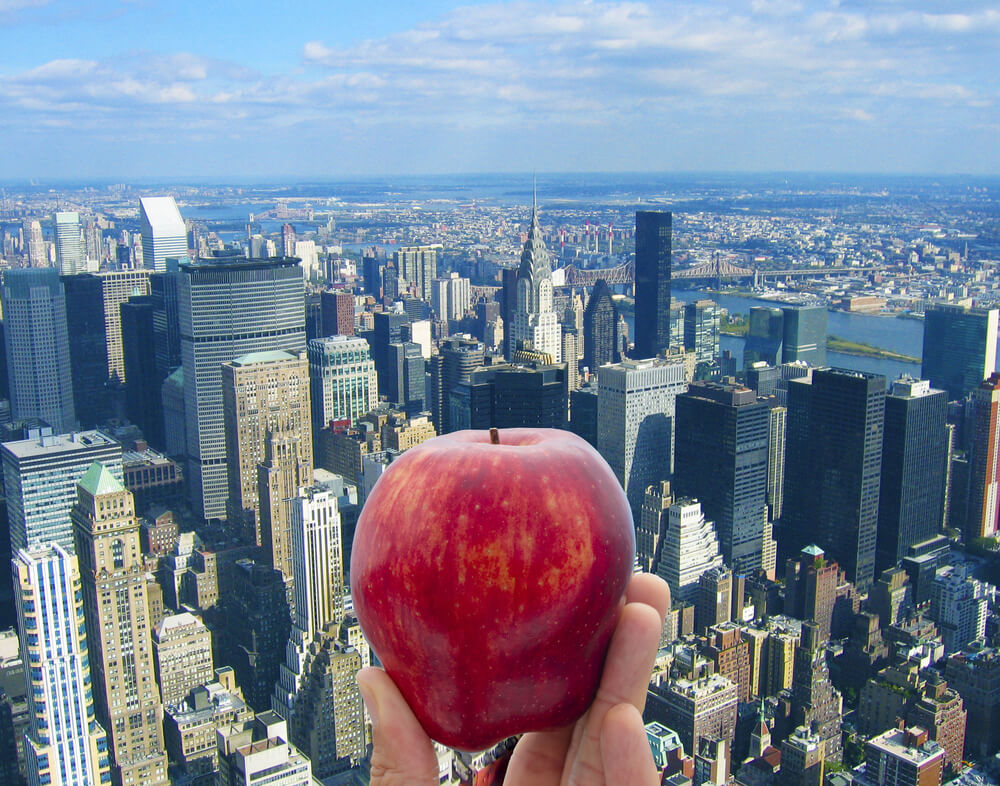
The moniker “The Big Apple” is as iconic to New York City as its towering skyscrapers and bustling streets. While many visitors and even some residents might take the nickname for granted, its origins are far more interesting than a simple descriptor. The story behind “The Big Apple” is a captivating blend of sportswriting, jazz culture, and a concerted promotional effort that ultimately embedded the phrase into the global consciousness. Understanding its genesis offers a deeper appreciation for the city’s rich history and enduring mystique.
The Sporting Roots of the Nickname
The earliest documented use of “The Big Apple” to refer to New York City can be traced back to the world of horse racing in the early 1920s. It was John J. Fitz Gerald, a sports writer for the New York Morning Telegraph, who is widely credited with popularizing the term. Fitz Gerald covered the horse racing circuit, a sport that held considerable sway in New York during that era.

Fitz Gerald and the Race Tracks
Fitz Gerald’s fascination with the term began when he overheard African-American stable hands in New Orleans referring to the city’s race courses as “the big apple.” For them, racing in New York represented the pinnacle of the sport, the most lucrative and prestigious circuit in the country. Winning a race in New York was akin to hitting the jackpot, the ultimate prize. The stable hands believed that if you could make it and win big in New York, you had reached the top, the “big apple” of racing.
Fitz Gerald was so taken by the phrase and its evocative imagery that he began using it in his columns. He wrote in a 1921 article, “The Big Apple. The dream of every lad that ever threw a leg over a thoroughbred and the goal of all horsemen. There’s only one Big Apple. That’s New York.” He continued to pepper his writing with the term, solidifying its association with the city’s vibrant racing scene. From the racetracks, the nickname began to spread.
Beyond the Race Tracks
While Fitz Gerald introduced the term to a wider audience through his sports writing, its reach was initially confined to the subculture of horse racing enthusiasts. It was not yet a universally recognized nickname for the city. However, the phrase held a certain appeal—it suggested something substantial, desirable, and perhaps a bit elusive. This inherent appeal would prove crucial in its eventual widespread adoption.
The Jazz Age and the Sweetest Sound
The 1930s saw “The Big Apple” find a new and perhaps even more influential home: the world of jazz music. Harlem, in particular, became a vibrant hub for jazz musicians, and it was here that the nickname truly began to take root and gain traction.
Harlem’s Jazz Scene
Musicians playing in the clubs and speakeasies of Harlem adopted “The Big Apple” as a term to describe New York City as the ultimate stage for their art. For a jazz musician, securing a gig in New York was the ultimate aspiration. The city offered the biggest audiences, the most prestigious venues, and the greatest opportunities for fame and fortune. Playing in New York meant you had made it, you were playing in “The Big Apple.”
Legend has it that the popular jazz tune “The Big Apple,” composed by Duke Ellington and others, further cemented the nickname within the jazz community. The song became a hit and was frequently performed in New York clubs, exposing the nickname to an even broader audience who were already drawn to the city’s magnetic cultural pull. The lively rhythms and energetic performances of jazz mirrored the city’s own dynamic spirit, and “The Big Apple” became an apt descriptor for this exhilarating environment.
A Symbol of Ambition
In the context of jazz, “The Big Apple” wasn’t just a place; it was a symbol of ambition, talent, and the pursuit of excellence. Musicians who traveled from across the country to perform in New York understood the significance of this journey. They were aiming for the biggest prize, the most challenging arena, and the most rewarding experience. The nickname served as a rallying cry and a shared understanding among those who dared to chase their dreams in the city that never sleeps.
The Modern Revival and Official Recognition
Despite its growing popularity in sports and jazz circles, “The Big Apple” remained somewhat of an underground or niche nickname for decades. It was largely unknown to the general public outside of these specific communities. However, a deliberate and highly effective tourism campaign in the 1970s would change all of that, transforming “The Big Apple” into the universally recognized epithet for New York City that we know today.
Charles Gillett and the Tourism Campaign
In the early 1970s, New York City was facing a period of economic hardship and a tarnished public image. Crime rates were high, and the city was struggling to attract visitors and investment. In an effort to revitalize its image and boost tourism, the New York Convention and Visitors Bureau, under the leadership of its president, Charles Gillett, launched an ambitious promotional campaign.
Gillett and his team sought a catchy and appealing nickname that would embody the excitement and allure of New York. They rediscovered the historical origins of “The Big Apple,” particularly its connection to horse racing and jazz. Recognizing the nickname’s inherent charm and positive connotations, they decided to leverage it for their marketing efforts.
A City Rebranded
The campaign, launched in 1971, utilized “The Big Apple” prominently in advertising, posters, and various promotional materials. The aim was to present New York as a vibrant, exciting, and welcoming destination. The campaign was incredibly successful. It tapped into the existing, albeit lesser-known, cultural resonance of the nickname and amplified it exponentially.
The imagery associated with the campaign—bright red apples, cheerful slogans, and images of iconic New York landmarks—resonated with potential tourists. The nickname was easy to remember, conveyed a sense of abundance and desirability, and provided a refreshing alternative to the city’s negative press. “The Big Apple” became synonymous with New York City, its energy, its opportunities, and its endless possibilities.
The Legacy of the Nickname
The success of the 1970s campaign was so profound that “The Big Apple” transcended its origins and marketing purpose. It became an organic part of the city’s identity, ingrained in its culture and spoken by locals and visitors alike. The city itself embraced the nickname, and by the 1990s, New York City Mayor David Dinkins, in collaboration with the New York Convention and Visitors Bureau, officially recognized and celebrated the nickname’s history. A plaque was dedicated in Central Park to commemorate John J. Fitz Gerald and the origins of “The Big Apple.” Today, the nickname is not just a tourist slogan; it is an indelible part of New York’s global brand, a testament to the power of language, culture, and strategic promotion.
Exploring “The Big Apple” Today
The nickname “The Big Apple” evokes a sense of abundance, opportunity, and a vibrant urban experience that continues to draw millions to New York City each year. Whether you are a first-time visitor or a seasoned traveler, the city offers an unparalleled array of attractions, activities, and cultural immersion that embody the spirit of its famous moniker.
Iconic Landmarks and Attractions
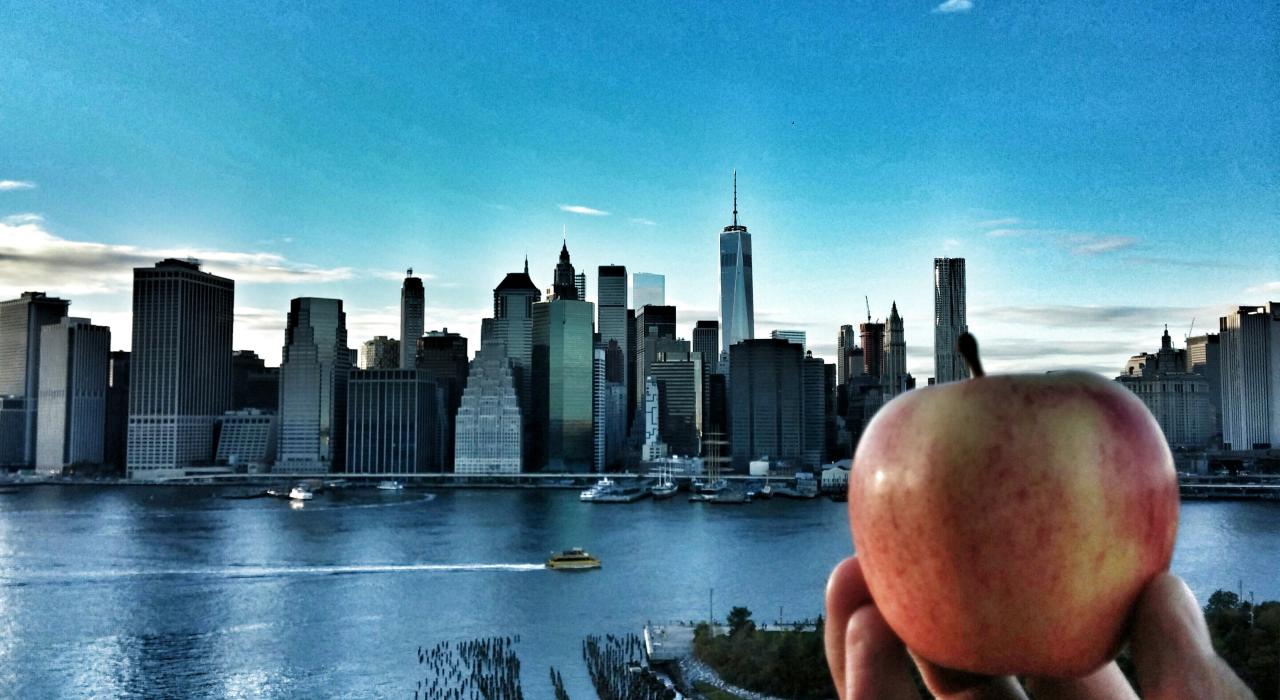
No visit to “The Big Apple” would be complete without experiencing its world-renowned landmarks. Ascend to the observation decks of the Empire State Building or One World Observatory for breathtaking panoramic views that truly showcase the scale of this metropolis. Wander through the verdant oasis of Central Park, a masterpiece of landscape architecture offering respite from the urban hustle. Stroll across the majestic Brooklyn Bridge, a feat of engineering that provides stunning vistas of the Manhattan skyline.
Cultural Experiences
New York City is a global epicenter for arts and culture. Immerse yourself in the magic of Broadway, where world-class theatrical productions captivate audiences nightly. Explore the vast collections of renowned museums such as The Metropolitan Museum of Art and the Museum of Modern Art. Experience the vibrant energy of neighborhoods like Greenwich Village and SoHo, known for their artistic flair, unique boutiques, and lively street life.
Culinary Delights
The culinary scene in “The Big Apple” is as diverse and dynamic as the city itself. From Michelin-starred restaurants to humble street food vendors, there is a gastronomic adventure to satisfy every palate. Indulge in classic New York bagels and pizza, sample authentic international cuisines in neighborhoods like Chinatown and Jackson Heights, or explore innovative farm-to-table dining experiences. The sheer variety ensures that every meal is an opportunity to discover new flavors and culinary traditions.
Embracing the “Apple” Spirit
The essence of “The Big Apple” lies not just in its physical attractions but in its indomitable spirit. It’s a city of dreams, of hustle, and of endless possibilities. Whether you are here to explore its historical significance, chase professional ambitions, or simply soak in its unparalleled atmosphere, New York City promises an experience that is as rich and fulfilling as its famous nickname suggests. The journey through “The Big Apple” is an exploration of history, culture, ambition, and the enduring allure of one of the world’s most iconic cities.
LifeOutOfTheBox is a participant in the Amazon Services LLC Associates Program, an affiliate advertising program designed to provide a means for sites to earn advertising fees by advertising and linking to Amazon.com. Amazon, the Amazon logo, AmazonSupply, and the AmazonSupply logo are trademarks of Amazon.com, Inc. or its affiliates. As an Amazon Associate we earn affiliate commissions from qualifying purchases.