
For any traveler planning a trip to the vibrant city of Austin, Texas, understanding the local time zone is a fundamental aspect of seamless trip planning. From coordinating flight arrivals and hotel check-ins to scheduling business meetings or simply making dinner reservations, knowing the correct time can significantly impact your travel experience. Austin, the capital city of Texas and a renowned hub for music, technology, and culture, operates within the Central Time (CT) zone. This means that throughout the year, visitors and residents alike adhere to either Central Standard Time (CST) or Central Daylight Time (CDT), depending on the season.
This comprehensive guide will delve into the specifics of Austin’s time zone, explore the implications of Daylight Saving Time, and offer practical advice for travelers to ensure a smooth and enjoyable visit. Whether you’re a seasoned globetrotter or planning your first adventure to the “Live Music Capital of the World,” being time-aware will undoubtedly enhance your journey.
Understanding Central Time (CT) in Austin, Texas
Austin’s placement within the Central Time zone is a geographical fact that dictates the rhythm of daily life in the city. As part of the larger time zone system across the United States and parts of North America, CT observes a specific offset from Coordinated Universal Time (UTC) – the primary time standard by which the world regulates clocks and time. Understanding this offset, and how it shifts seasonally, is key to navigating your stay without a hitch.
CST vs. CDT: Navigating Daylight Saving Time
The distinction between Central Standard Time (CST) and Central Daylight Time (CDT) is crucial for anyone engaging with Austin’s schedule.
- Central Standard Time (CST): During the cooler months, typically from early November to mid-March, Austin operates on CST, which is UTC-6. This means that Austin’s local time is six hours behind UTC (and also behind the historical Greenwich Mean Time (GMT)).
- Central Daylight Time (CDT): As spring arrives, usually on the second Sunday in March, Austin switches to CDT, moving its clocks forward by one hour. CDT is UTC-5, meaning the city is five hours behind UTC. This “spring forward” brings longer daylight hours in the evening, a welcome change for outdoor activities and evening entertainment. The shift back to CST, or “falling back,” occurs on the first Sunday in November.
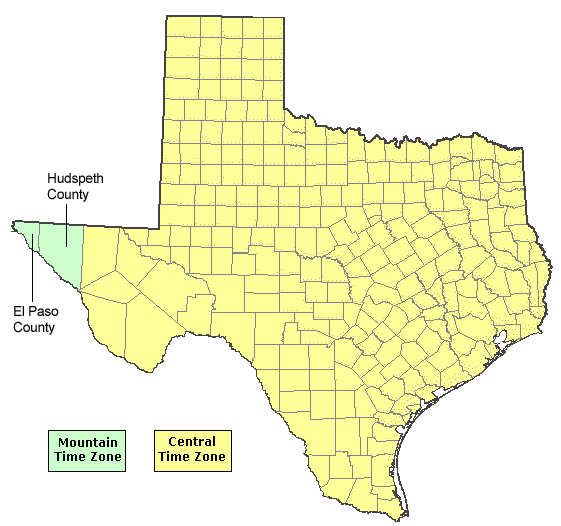
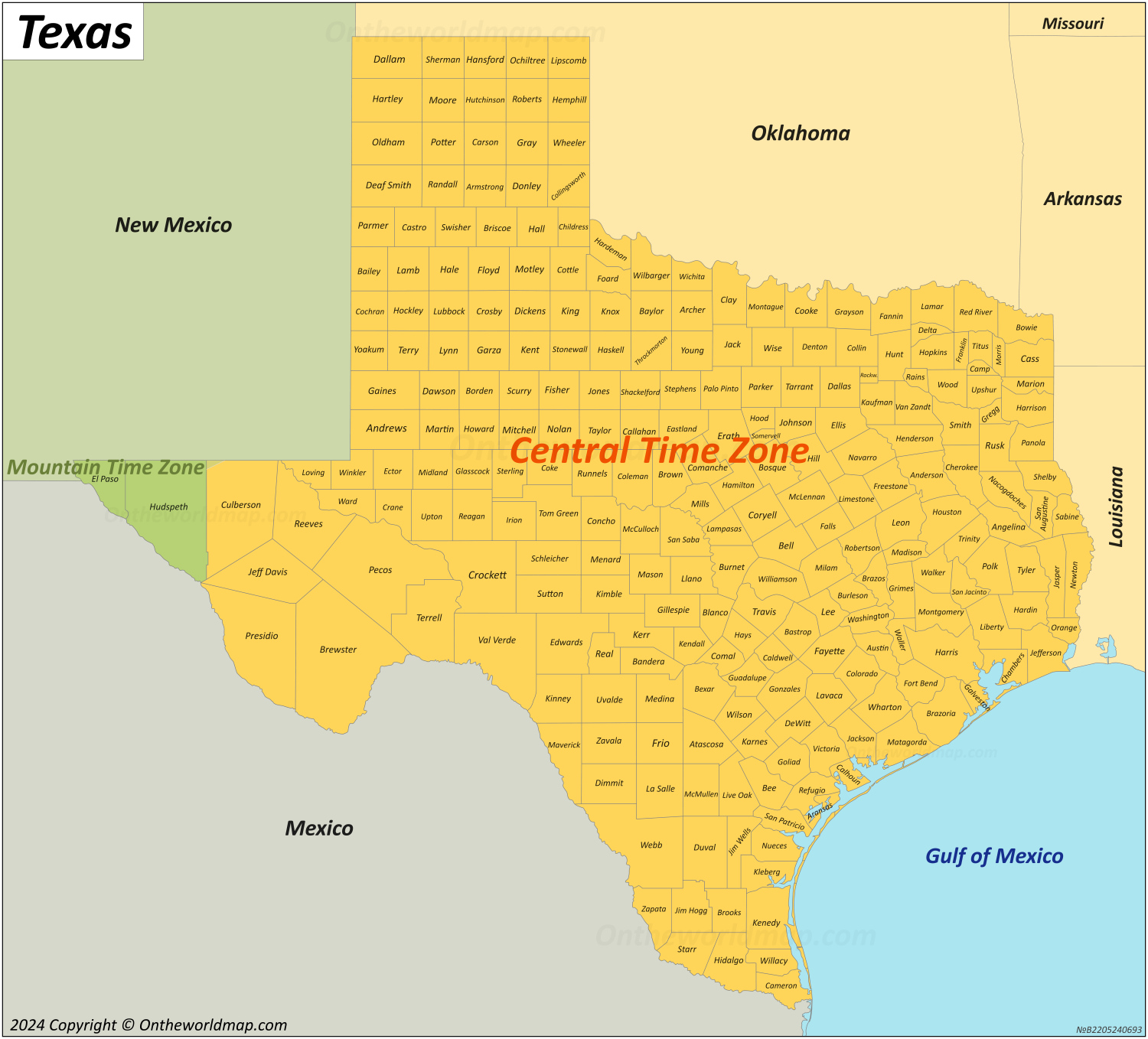
Most of Texas observes Daylight Saving Time, with the notable exception of some parts of the state near the border of Arizona and New Mexico (El Paso area, which is in Mountain Time and follows DST like the rest of the US). For all practical purposes when traveling to Austin, assume Daylight Saving Time is observed.
Geographical Context: Why Austin is in CT
The allocation of time zones across the United States follows a logical geographical distribution to standardize timekeeping for commerce, travel, and communication. The continental United States is divided into four main time zones: Pacific Time, Mountain Time, Central Time, and Eastern Time. Beyond these, Alaska Time and Hawaii Time serve the non-contiguous states, and the Atlantic Time zone covers Puerto Rico and the U.S. Virgin Islands.
Austin is located in the central part of Texas, which itself spans a significant longitude. The Central Time zone broadly covers the central plains of the United States, extending from the Gulf of Mexico up into Canada and even parts of Mexico. Cities like Chicago, Houston, Dallas, New Orleans, and St. Louis also fall within this zone. This geographical placement ensures a relatively consistent solar noon across the region, making CT the most practical time zone for Austin and its neighboring areas.

Planning Your Trip: Time Zone Considerations for Travelers
Understanding Austin’s time zone is more than just a piece of trivia; it’s a practical necessity that affects multiple facets of your trip planning. Ignoring it can lead to missed flights, delayed meetings, or even just inconveniently timed restaurant reservations.
Flights, Check-ins, and Itineraries
When booking flights to Austin-Bergstrom International Airport (AUS), all arrival and departure times will be listed in local time. However, if you’re traveling from a different time zone, it’s crucial to mentally (or manually) adjust your internal clock to avoid confusion. For example, a flight departing New York City (Eastern Time) at 10:00 AM will arrive in Austin (Central Time) at approximately 12:00 PM if it’s a 3-hour flight, considering the 1-hour time difference. Always double-check your itinerary against the local time upon arrival.
Hotel check-in and check-out times are also based on local Austin time. Plan your arrival to coincide with standard check-in hours, typically in the afternoon, to avoid waiting. If you arrive early, many hotels offer luggage storage, allowing you to begin exploring the city immediately. Similarly, be mindful of check-out times to avoid late fees.
Crafting a daily itinerary also requires time zone awareness. From morning yoga sessions to afternoon museum visits and evening concerts, every activity needs to be scheduled according to Austin’s clock. Using a travel planner app that automatically adjusts to local time can be incredibly helpful.
Business and Social Engagements
For business travelers, precise timekeeping is non-negotiable. Scheduling conference calls, client meetings, or networking events requires careful coordination, especially if participants are in different time zones. Always specify the time zone when arranging appointments (e.g., “3:00 PM CT”) to prevent misunderstandings. Austin’s thriving tech industry and vibrant startup scene mean many professionals are accustomed to cross-time-zone communication, but clarity is always appreciated.
On the social front, whether you’re meeting up with local friends, joining a guided tour, or attending one of Austin’s famous festivals, showing up at the correct time is a sign of respect and good planning. Dining reservations, showtimes for live music, and ticketed attractions all operate strictly on local time.
Overcoming Jet Lag: Tips for a Smooth Transition
Traveling across multiple time zones, particularly from east to west or vice-versa, can lead to jet lag, a temporary sleep disorder caused by your body’s internal clock (circadian rhythm) being out of sync with the new environment. While a single time zone shift (like from Eastern Time to Central Time) is usually manageable, longer distances can be more challenging.
Here are some tips to minimize jet lag and ensure you’re ready to “Keep Austin Weird” from the moment you arrive:
- Adjust Before You Go: A few days before your trip, try to gradually shift your sleep schedule closer to Austin’s time.
- Stay Hydrated: Drink plenty of water before, during, and after your flight to combat dehydration, which can exacerbate jet lag symptoms. Avoid excessive alcohol and caffeine.
- Seek Sunlight: Upon arrival, expose yourself to natural light, especially in the morning. Sunlight helps reset your circadian rhythm.
- Stay Active (But Don’t Overdo It): Gentle exercise can help. However, avoid intense workouts immediately before bed.
- Eat Wisely: Try to eat meals at local Austin meal times, even if you’re not hungry. This cues your body to the new schedule.
- Nap Strategically: If you need to nap, keep it short (20-30 minutes) and avoid napping too close to bedtime.
- Melatonin: Consider using melatonin supplements, under medical advice, to help adjust your sleep cycle.
Maximizing Your Austin Experience: Beyond the Clock
Once you’ve mastered the time zone, the real fun of exploring Austin begins. This city offers an unparalleled blend of outdoor adventures, cultural richness, and gastronomic delights, catering to diverse travel styles and interests.
Exploring Austin’s Vibrant Scene
Austin’s reputation precedes it, particularly for its live music and outdoor activities. Spend an afternoon kayaking or paddleboarding on Lady Bird Lake, or relax at Zilker Park, home to the refreshing Barton Springs Pool. Stroll down South Congress Avenue (SoCo) for eclectic boutiques, vintage shops, and iconic murals. Don’t miss the chance to witness the spectacular flight of millions of bats from beneath the Ann W. Richards Congress Avenue Bridge at sunset, a truly unique Austin experience.
For history buffs, a visit to the magnificent Texas State Capitol Building and the nearby University of Texas at Austin campus offers insights into the state’s rich past and vibrant academic present. As night falls, immerse yourself in Austin’s legendary music scene, with countless venues on Sixth Street, Rainey Street, and beyond, offering everything from blues and country to indie rock and electronic.
Where to Stay: Accommodation Options in Austin
Austin’s accommodation scene is as diverse as its culture, ranging from luxury hotels to charming boutique properties and convenient vacation rentals. Whatever your budget or travel style, you’ll find a perfect place to rest after a day of exploring.
For a luxurious stay, consider the Four Seasons Hotel Austin, offering stunning lake views and impeccable service, or the JW Marriott Austin, ideally located downtown close to major attractions. History enthusiasts will appreciate the grandeur of The Driskill, a historic landmark hotel dating back to 1886. For those seeking a blend of music and modern elegance, the Hotel Van Zandt on Rainey Street provides a stylish experience. The South Congress Hotel offers a chic, boutique atmosphere right in the heart of the SoCo district.
Beyond traditional hotels, platforms like Airbnb and Vrbo offer a plethora of options, from cozy apartments in residential neighborhoods to spacious homes perfect for family trips or group travel. These alternatives often provide a more local and immersive experience, complete with amenities like full kitchens and laundry facilities, making them ideal for longer stays or those seeking a home-away-from-home feel. When booking, always confirm check-in/check-out policies and communicate your estimated arrival time, keeping the CT in mind.
Culinary Delights and Local Culture
Austin’s food scene is a destination in itself, celebrated for its legendary barbecue, innovative fine dining, and diverse Tex-Mex offerings. A visit is incomplete without sampling the iconic brisket from places like Franklin Barbecue (be prepared for a wait!) or La Barbecue. Beyond barbecue, Austin boasts world-class restaurants like Uchi for Japanese cuisine, Geraldine’s for elevated Southern fare, and Otoko for an intimate omakase experience.
Embracing Austin’s local culture means more than just eating well; it’s about participating. Attend a yoga class by the lake, explore the numerous art galleries, or catch a screening at the Alamo Drafthouse Cinema. If your trip coincides with events like SXSW (South by Southwest) or the Austin City Limits Music Festival, be prepared for a city buzzing with activity and plan your schedule meticulously, remembering that all event timings will be in CT or CDT.
Practical Tips for a Seamless Austin Visit
Even with a solid understanding of time zones, a few additional tips can further smooth your travel experience in Austin.
Essential Apps and Tools
Modern technology is your best friend when traveling. Ensure your smartphone’s time settings are set to automatically update based on your location. This simple step prevents countless headaches related to time differences.
- Mapping Apps: Google Maps or Waze are indispensable for navigating Austin’s streets, especially with real-time traffic updates.
- Dining Apps: OpenTable is excellent for making restaurant reservations, while local review sites can guide you to hidden culinary gems.
- Travel Guides & Activity Bookings: Apps like TripAdvisor, Klook, or GetYourGuide can help you discover and book local tours and attractions, all with times listed in local Austin time.
- Weather Apps: Always check the forecast as Texas weather can be unpredictable.
Best Times to Visit
While Austin is enjoyable year-round, the best times to visit are generally in the spring (March to May) and fall (September to November). During these seasons, the weather is pleasantly mild, ideal for outdoor activities and exploring the city on foot. These periods also host many of Austin’s major festivals, adding to the city’s vibrant atmosphere.
Summers (June to August) can be intensely hot, with temperatures often soaring above 90°F (32°C), though this can be a good time to take advantage of the city’s many swimming holes and air-conditioned indoor attractions. Winters (December to February) are typically mild and pleasant, with occasional cold fronts. Regardless of when you visit, understanding the time zone will ensure your activities align perfectly with the local rhythm.
In conclusion, understanding that Austin, Texas, operates on Central Time (CST in winter, CDT in summer) is a small but mighty detail that underpins a successful trip. By factoring in these time considerations, travelers can effortlessly manage their schedules, mitigate potential travel hiccups, and fully immerse themselves in the unique charm and energy that Austin has to offer. So set your watches, synchronize your plans, and get ready to experience the capital of the Lone Star State to its fullest!
LifeOutOfTheBox is a participant in the Amazon Services LLC Associates Program, an affiliate advertising program designed to provide a means for sites to earn advertising fees by advertising and linking to Amazon.com. Amazon, the Amazon logo, AmazonSupply, and the AmazonSupply logo are trademarks of Amazon.com, Inc. or its affiliates. As an Amazon Associate we earn affiliate commissions from qualifying purchases.