
The legal landscape surrounding reproductive rights in Oklahoma is complex and has undergone significant shifts in recent years. Understanding the current status of abortion laws is crucial for anyone navigating healthcare decisions or planning travel to the state. This exploration delves into the legislative framework, court challenges, and practical implications of abortion legality in Oklahoma, aiming to provide a comprehensive overview.
Legislative Framework and Key Statutes
Oklahoma has historically maintained a restrictive stance on abortion. The state has enacted several laws designed to limit access to abortion services, often citing concerns for fetal life. These legislative efforts have frequently placed Oklahoma at the forefront of the national debate on reproductive rights.
Trigger Laws and Near-Total Bans
One of the most significant recent developments in Oklahoma’s abortion laws is the implementation of “trigger laws.” These laws are designed to take effect automatically if a higher court overturns or significantly weakens federal protections for abortion, such as Roe v. Wade. In the wake of the Supreme Court’s decision in Dobbs v. Jackson Women’s Health Organization, which overturned Roe v. Wade, Oklahoma’s trigger laws became operative, enacting near-total bans on abortion.
These near-total bans typically prohibit abortion from the moment of conception, with very narrow exceptions. The exceptions, when they exist, are often limited to instances where the abortion is necessary to save the life of the pregnant person. However, the specific wording and interpretation of these exceptions can be a point of contention and may require medical certification. The intent behind these laws is to make abortion virtually inaccessible within the state’s borders.
Gestational Age Restrictions and Waiting Periods
Prior to the most recent near-total bans, Oklahoma had also implemented strict gestational age restrictions. These laws limited the circumstances under which an abortion could be performed based on the number of weeks of gestation. For instance, there were laws prohibiting abortion after a certain number of weeks, often set at 15 weeks, mirroring legislation passed in other states.
Furthermore, Oklahoma has had laws in place requiring a mandatory waiting period between a person’s initial consultation and the abortion procedure. These waiting periods are often accompanied by requirements for the patient to receive specific counseling, intended to ensure informed consent and to potentially dissuade the individual from proceeding with the abortion. The effectiveness and impact of these measures have been subjects of debate, with proponents arguing for their role in protecting fetal life and opponents asserting they create unnecessary barriers to healthcare.
Legal Challenges and Court Battles
The stringent abortion laws in Oklahoma have frequently been the subject of legal challenges. Advocacy groups and individuals have sought to block or overturn these laws through the court system, arguing that they infringe upon constitutional rights and access to essential healthcare.
Federal Court Interventions
In the past, federal courts played a significant role in shaping abortion law in Oklahoma. Before the overturning of Roe v. Wade, federal courts often issued injunctions or rulings that temporarily blocked or permanently struck down certain state-imposed restrictions. These interventions were typically based on the precedent set by Roe v. Wade, which established a constitutional right to abortion.
However, the legal landscape shifted dramatically with the Dobbs decision. This ruling empowered states to regulate or ban abortion, removing the federal constitutional protection. Consequently, many of the previous legal battles that focused on federal constitutional grounds have become less relevant. The focus of legal challenges has now shifted to state constitutions and potential interpretations of due process and equal protection clauses within state law.
State Constitutional Arguments

Following the Dobbs decision, legal challenges in Oklahoma have increasingly focused on the Oklahoma Constitution. Advocates for abortion access argue that the state’s current laws may violate provisions within the state constitution that protect individual liberties, privacy, and equal protection. These arguments contend that the right to make decisions about one’s own body and reproductive health is a fundamental right protected by the state’s highest law, independent of federal protections.
The success of these state-level legal challenges depends on the interpretation of the Oklahoma Constitution by the state’s judiciary. The Oklahoma Supreme Court will be the ultimate arbiter of whether the state’s abortion bans violate the state’s foundational legal document. These cases can be protracted, involving extensive legal arguments, evidence presentation, and judicial review.
Practical Implications for Residents and Visitors
The restrictive abortion laws in Oklahoma have significant practical consequences for individuals seeking abortion care, as well as for healthcare providers.
Travel for Abortion Services
For residents of Oklahoma who wish to obtain an abortion, traveling to another state where the procedure is legal has become a necessity for many. This often involves significant logistical and financial burdens. Patients may need to arrange transportation, accommodation, and take time off work, in addition to covering the cost of the procedure itself. This creates a significant barrier, particularly for individuals with limited financial resources or those who lack a strong support system.
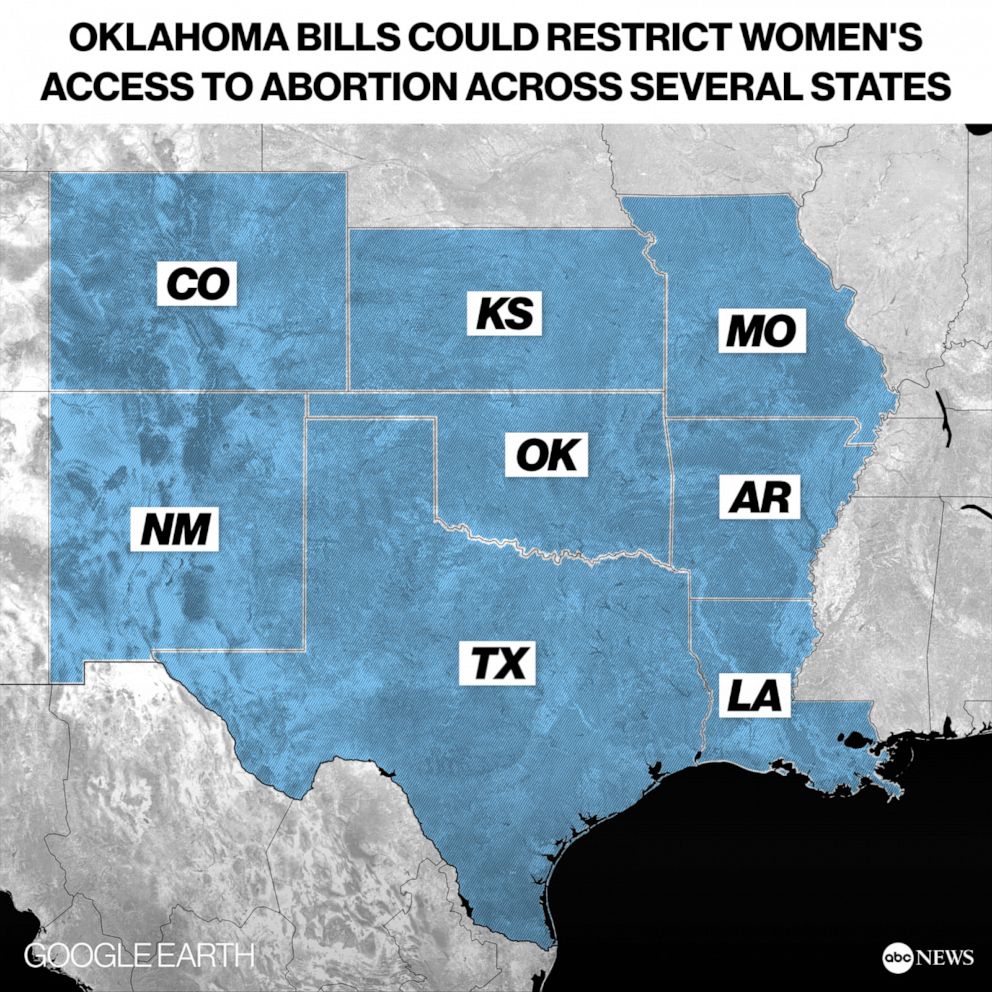
States bordering Oklahoma, such as Kansas and Colorado, have become common destinations for Oklahomans seeking care. However, the legal landscape in these neighboring states can also be subject to change, requiring individuals to stay informed about the most current regulations. Organizations dedicated to reproductive rights and abortion access often provide resources and financial assistance to help individuals overcome these barriers to out-of-state care.
Impact on Healthcare Providers
Healthcare providers in Oklahoma face a challenging environment. The strict laws create legal risks for physicians and other medical professionals who provide abortion services or are involved in cases where an abortion might be considered. The ambiguity surrounding exceptions, particularly those related to the life of the pregnant person, can lead to hesitancy and fear of prosecution, even in medically necessary situations.
This situation can lead to a chilling effect on medical practice, potentially impacting the availability of other reproductive healthcare services as well. Clinics that once offered abortion services may have ceased operations or drastically reduced their offerings due to the legal climate. This not only affects individuals seeking abortions but also broader access to comprehensive reproductive healthcare within the state.
Exceptions and Medical Emergencies
The narrow exceptions to abortion bans in Oklahoma are a critical point of discussion. While laws often state that an abortion may be performed to save the life of the pregnant person, the definition of what constitutes a life-saving measure can be subject to interpretation by medical professionals and prosecutors. This can create a difficult decision-making process for doctors who are faced with complex medical emergencies.
In some instances, the fear of legal repercussions may lead to delays in providing necessary medical care, potentially exacerbating the patient’s condition. The clarity and scope of these exceptions are therefore paramount to ensuring that individuals experiencing medical emergencies receive timely and appropriate care without undue legal fear for their healthcare providers.

Conclusion: A Shifting Legal Terrain
In summary, the question of whether abortions are illegal in Oklahoma is met with a resounding “yes” for most circumstances, due to the state’s near-total ban on abortion enacted following the overturning of Roe v. Wade. The state has a history of enacting highly restrictive legislation, and current laws prohibit abortion from conception with very limited exceptions, primarily focused on saving the life of the pregnant individual.
The legal battles over these laws continue, with challenges being mounted on state constitutional grounds. The practical implications are significant, forcing many Oklahomans to travel out of state for abortion care, incurring substantial financial and logistical challenges. Healthcare providers also operate within a high-stakes legal environment. The situation in Oklahoma highlights the profound impact of legislative action and judicial interpretation on access to reproductive healthcare, creating a dynamic and often challenging environment for individuals and medical professionals alike. The ongoing legal and political developments will continue to shape the future of abortion access in the state.
LifeOutOfTheBox is a participant in the Amazon Services LLC Associates Program, an affiliate advertising program designed to provide a means for sites to earn advertising fees by advertising and linking to Amazon.com. Amazon, the Amazon logo, AmazonSupply, and the AmazonSupply logo are trademarks of Amazon.com, Inc. or its affiliates. As an Amazon Associate we earn affiliate commissions from qualifying purchases.